
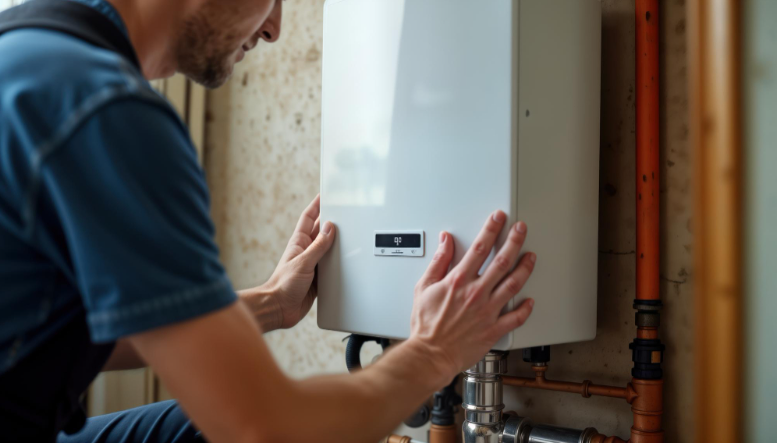
Water heater installation cost in Conroe, TX depends on more than the price tag on the unit itself, since sizing, fuel type, and any needed plumbing or electrical work all factor into the final number.
In this article, you will learn what typically drives installation costs, how to decide between repair and replacement, and what to expect once you schedule a professional installation.
Here's what you need to know.
- How much does water heater installation cost in Conroe, TX?
- What factors affect water heater installation costs?
- How much does a tankless water heater cost to install?
- Should you repair or replace your water heater?
- What size water heater does your Conroe home need?
- Are high-efficiency water heaters worth the investment?
- What should you expect during professional water heater installation?
- How can Conroe homeowners prepare for water heater replacement?
- When should you schedule water heater installation?
Keep reading to understand exactly what's driving the number on your specific installation estimate.
Water Heater Installation Cost Conroe TX refers to the total price homeowners can expect to pay for installing a new water heater, which varies based on unit size, fuel type, any required plumbing or electrical modifications, and whether the installation involves a tank or tankless system.
How much does water heater installation cost in Conroe, TX?
The installation itself is only one part of the total project cost once equipment and any additional work are factored in.
What is included in a typical water heater installation?
A complete installation covers removing the old unit, installing the new one, connecting it to existing plumbing and fuel or electrical lines, and testing the system before considering the job finished.
Reviewing residential plumbing services helps homeowners understand what a full-service installation typically includes beyond just swapping out the equipment.
Why can installation costs vary between Conroe homes?
What homeowners can expect based on their specific installation:
- A straightforward, like-for-like replacement: expect a lower total cost with minimal additional work.
- An older home with outdated connections: expect some additional cost to bring plumbing or electrical up to current standards.
- Montgomery County homes with varying construction ages: expect installation requirements to differ even within the same general area.
- A switch from tank to tankless: expect a higher initial cost tied to additional infrastructure needs.
How do equipment and labor affect the total price?
Equipment cost varies significantly by size, fuel type, and efficiency tier, while labor costs depend on installation complexity and any additional work required.
Working with a licensed plumber Conroe homeowners trust helps ensure the labor portion of the estimate reflects properly licensed, code-compliant work rather than a lower but potentially unqualified bid.
What factors affect water heater installation costs?
Several interacting factors determine the final price beyond the base cost of the unit itself.
How does water heater size affect the price?
Larger capacity tanks and higher-output tankless units generally cost more than smaller equipment, though the right size depends on household hot water demand rather than simply choosing the least expensive option.
Reviewing tips to extend equipment lifespan can help homeowners get the most value out of whichever size and type they ultimately choose.
Can the fuel type change installation costs?
Switching fuel types, such as moving from electric to gas, typically adds cost due to the need for new gas lines, venting, or electrical work.
Reviewing common issues covered in water heater troubleshooting guidance can help homeowners understand how fuel type affects not just installation cost but future maintenance and repair needs as well.
How do plumbing and electrical modifications affect the total?
A checklist of modifications that can add to installation cost:
- New shutoff valves or updated plumbing connections at the installation site.
- A plumbing diagnosis service can identify whether existing connections need updating before the new unit is installed.
- Electrical panel upgrades needed to support a new unit's power requirements.
- Additional venting work required for a different fuel type or unit location.
Can permits or code requirements add to the project cost?
Water heater installation in Texas requires a plumbing permit and must be performed by a properly licensed plumber under state law.
The Texas plumbing board advises homeowners to always hire a licensed plumber, noting that licensed and registered plumbers in Texas are required to carry their license credentials on the job site.
Permit fees and required inspections are a normal part of a properly completed installation and should be included in a contractor's quote.
How much does a tankless water heater cost to install?
Tankless systems involve a different cost structure than traditional tank installations.
Why can tankless systems have higher upfront installation costs?
Tankless units often require different gas line sizing, venting, or electrical capacity than a standard tank system, adding to the initial installation cost.
Reviewing maintenance signs helps homeowners already considering a switch understand how their current system's condition might factor into the timing of a tankless upgrade.
What electrical, gas, or venting requirements can affect pricing?
Common questions about tankless installation requirements:
Does every home need gas line upgrades for a tankless system? Not always, but reviewing outdoor plumbing maintenance practices can help homeowners understand how existing outdoor gas and plumbing infrastructure affects a tankless installation.
Can electric tankless units avoid gas line concerns entirely? Yes, though electric tankless models often require significant electrical panel capacity instead.
Does venting always need to be replaced for tankless systems? Often yes, since tankless units typically use different venting materials and configurations than tank systems.
Should homeowners get a home evaluation before choosing tankless? Yes, a professional assessment helps confirm what infrastructure changes a specific home would actually need.
Can energy efficiency influence long-term operating costs?
Tankless water heaters typically last around 20 years, compared with 10 to 15 years for a standard tank system, and avoid the standby energy losses that come with keeping a tank of water heated continuously.
Energy.gov notes that tankless units are 8 to 34 percent more efficient than storage water heaters, which can meaningfully offset the higher upfront installation cost over the system's lifespan.
Should you repair or replace your water heater?
This decision usually comes down to comparing near-term repair costs against the value of new, more reliable equipment.
How does water heater age affect the decision?
Most tank water heaters are designed to perform reliably for around 10 to 15 years, after which components begin failing more frequently regardless of maintenance history.
Reviewing how to flush water heaters properly can help homeowners understand whether a maintenance step like flushing might still meaningfully extend an aging unit's remaining service life.
When do frequent repairs become a replacement concern?
Weighing continued repair against replacement:
When repair usually makes more sense
- The water heater is under 8 years old and otherwise well maintained
- The repair cost is a small fraction of a full installation
- Reviewing water heater maintenance benefits shows the unit has been consistently cared for
When replacement usually makes more sense
- The unit is approaching or past 10 to 15 years old
- Repairs have been needed more than once in a short period
- The tank shows visible signs of corrosion or leaking
What signs indicate a water heater may be nearing failure?
Inconsistent hot water temperature, unusual noises, or visible rust around the tank are all reasonable signs that a water heater may be approaching the end of its useful life.
Understanding why shower temperature fluctuation occurs can help homeowners recognize this specific symptom as an early warning sign worth addressing before a full failure occurs.
What size water heater does your Conroe home need?
Correct sizing affects both comfort and long-term operating cost.
How does household size affect water heater capacity?
Larger households generally need higher-capacity tanks or a tankless system rated for greater simultaneous demand than a smaller household would require.
Reviewing summer maintenance tips can help homeowners keep whichever size system they choose performing reliably throughout the year.
Why should peak hot water demand be considered?
Peak demand, meaning the maximum amount of hot water needed at any one time, matters more than average daily usage when sizing a system correctly.
Reviewing water pressure issues helps homeowners understand how demand spikes affect not just water heater sizing but overall plumbing system performance.
Can an incorrectly sized water heater increase operating costs?
Steps to confirm proper water heater sizing:
- Calculate your household's peak simultaneous hot water demand across all fixtures.
- Review your unexplained water bill history to see if an undersized or oversized unit might be contributing to higher costs.
- Confirm the proposed unit's capacity matches your household's actual usage pattern, not just its square footage.
- Ask your installer to walk through their sizing calculation before finalizing the equipment choice.
Are high-efficiency water heaters worth the investment?
Higher-efficiency equipment costs more upfront but can offer meaningful savings over its lifespan.
How can efficiency affect monthly energy consumption?
A more efficient water heater converts more of the energy it uses directly into hot water, rather than losing it to standby heat loss or inefficient combustion.
Reviewing plumbing system readiness practices can help homeowners ensure their broader plumbing system supports the efficiency gains a new water heater is designed to deliver.
What is the difference between upfront cost and long-term operating cost?
Upfront cost reflects the equipment and installation price, while long-term operating cost reflects the ongoing energy expense of running the unit over its full lifespan.
Reviewing plumbing membership benefits can help homeowners understand how ongoing maintenance support factors into the total cost of ownership for either a standard or high-efficiency unit.
Which efficiency features should homeowners compare?
Water heater efficiency is measured using a Uniform Energy Factor, or UEF, rating, with higher numbers indicating better efficiency.
For products purchased and installed through the end of 2025, ENERGY STAR certified gas storage water heaters needed a UEF of at least 0.81 for tanks under 55 gallons, or 0.86 for larger tanks, while certified tankless gas models needed a UEF of at least 0.95 to qualify for the federal tax credit available during that period. Homeowners should confirm current incentive availability directly with ENERGY STAR or a tax professional, since federal credit programs can change.
Comparing UEF ratings directly across quotes, rather than relying on general efficiency claims, gives a clearer picture of long-term operating costs.
What should you expect during professional water heater installation?
Understanding the installation process helps homeowners know what to expect on the day of service.
How is the existing water heater safely removed?
A technician first shuts off water, fuel, and electrical supply to the old unit before safely draining and disconnecting it for removal.
Reviewing leak detection services can help homeowners understand the kind of careful diagnostic approach a technician brings to identifying any related issues during this removal process.
How is the new system connected and tested?
Once the new unit is in place, the technician connects water, fuel or electrical, and venting lines, then tests the system to confirm it's operating correctly before considering the job complete.
Reviewing seasonal leak prevention practices reflects the same attention to detail a thorough installation and testing process requires.
Why are proper sizing and code-compliant installation important?
Correct sizing and adherence to current plumbing and electrical codes are what ultimately determine whether a new water heater performs reliably and safely over its full expected lifespan.
Reviewing year-round plumbing protection helps homeowners understand how a properly installed water heater fits into their home's broader plumbing reliability.
How can Conroe homeowners prepare for water heater replacement?
A few steps taken before scheduling installation help the project go smoothly.
What should you check before requesting an installation estimate?
Confirming your current unit's fuel type, age, and any known issues gives a contractor the information needed to provide an accurate estimate.
Reviewing guidance on yard line leaks can also help homeowners rule out unrelated plumbing issues before assuming a water heater problem is solely responsible for a change in water usage or pressure.
What questions should you ask about equipment and warranties?
Questions worth asking before approving a water heater installation:
- What is the manufacturer's warranty on both the tank and its components?
- Reviewing slab leak symptoms can help homeowners understand what other underlying issues a thorough inspection might catch during installation.
- Does the installation include a labor warranty separate from the manufacturer's coverage?
- What maintenance schedule does the installer recommend to protect the warranty?
Why should homeowners get a detailed installation estimate?
An itemized estimate that separates equipment, labor, and any additional work helps homeowners understand exactly what they're paying for and compare quotes fairly.
Reviewing plumbing drain repair practices illustrates the same level of detail homeowners should expect in any professional plumbing estimate, water heater installation included.
When should you schedule water heater installation?
Timing a replacement thoughtfully can meaningfully affect both cost and convenience.
Why is proactive replacement preferable to waiting for a major failure?
Replacing a water heater before it fails completely gives homeowners more control over scheduling, equipment selection, and cost compared with an emergency replacement.
Planning ahead also generally means more contractor availability and less pressure to accept the first available appointment during an active water heater emergency.
What warning signs suggest your water heater needs attention soon?
Age approaching 10 to 15 years, inconsistent hot water, unusual noises, or a history of repeated repairs are all reasonable signs that scheduling a replacement soon is worth considering.
Recognizing these signs early gives homeowners time to research options and budget for the project rather than reacting to a sudden failure.
How can timely replacement help prevent water damage?
An aging water heater that finally fails can leak or burst, potentially causing significant water damage to the surrounding area.
Reviewing what to do when a pipe burst repair becomes necessary illustrates the kind of disruptive, urgent situation that proactive water heater replacement is specifically designed to help homeowners avoid.
Conclusion
Water heater installation cost in Conroe, TX depends on unit size, fuel type, efficiency level, and any plumbing or electrical work the project requires, not a single flat number that applies to every home. Understanding these cost drivers, along with the signs that point toward replacement rather than continued repair, puts homeowners in a much stronger position when requesting an estimate. If you're considering a water heater installation or replacement, visit Benjamin Franklin Plumbing for a professional assessment and accurate estimate.

 Your Privacy Choices