Strong water pressure feels like a feature until it stops being one. Anything above 80 PSI in a Conroe TX home is no longer comfortable performance, it's the kind of constant stress that wears down pipes, fixtures, and your water heater faster than any of them were designed to handle, and it usually shows up as a string of small problems before it becomes a burst pipe.
Water pressure that feels too strong might seem like a minor annoyance, but it can cause serious damage to your plumbing system and home appliances. When water flows through your pipes with too much force, it wears down fixtures, creates leaks, and shortens the life of your water heater and other appliances.
High water pressure occurs when the force of water in your plumbing system exceeds safe levels, typically above 80 PSI, and can lead to burst pipes, damaged appliances, and costly repairs if left unaddressed. You might notice banging sounds in your pipes, dripping faucets, or unexpectedly high water bills as early warning signs.
Understanding what causes excessive pressure in your home and how to fix it can save you thousands of dollars in damage. This guide will help you identify pressure problems, protect your plumbing, and find the right solutions for your Conroe home.
In this article, here's what we'll cover:
- When strong water flow becomes a plumbing concern
- How excessive pressure escalates minor plumbing problems
- Water heaters as the first line of impact
- The vulnerability of everyday household appliances
- Typical causes of high water pressure in Conroe homes
- Recognizing excessive pressure in your plumbing system
- Tailoring solutions to address elevated pressure
- Prevention strategies for pressure-related damage
Keep reading to learn how to tell when your pressure has crossed from strong into damaging, which parts of your home take the hit first, and which fixes actually solve the problem rather than just patching the symptoms.
When strong water flow becomes a plumbing concern
High water pressure might feel like a benefit when you turn on your shower or fill a pot quickly, but pressure levels above 80 psi can damage your pipes, fixtures, and appliances over time.
Why high water pressure is often mistaken for a plumbing advantage
Strong water flow feels powerful and efficient. You finish tasks faster when your washing machine fills in seconds and your garden hose reaches the far end of your yard.
Many homeowners assume this forceful flow means their plumbing system is working well. The immediate satisfaction of strong streams from faucets and showers can mask underlying problems.
Your home's plumbing is designed to work best between 40 and 60 psi. When pressure rises above this range, it stops being helpful and becomes destructive. The same force that makes your shower feel invigorating also pushes against pipe joints, valve seals, and appliance connections with constant stress.
What seems like a luxury today can turn into expensive repairs tomorrow. Most people don't realize their water pressure is too high until something breaks or leaks.
The hidden stress excessive pressure places on household pipes
Water pressure above 80 psi puts constant strain on every part of your plumbing system. Pipes experience continuous force against their walls, wearing down joints and connections faster than normal.
Your fixtures face the same punishment. Faucets, toilets, and showerheads contain washers, seals, and gaskets that deteriorate quickly under excessive water pressure problems. These small components aren't built to handle sustained high pressure.
Appliances with water connections suffer even more damage. Your water heater, dishwasher, and washing machine all have internal parts that work within specific pressure ranges. When pressure climbs too high, valves fail, hoses burst, and internal mechanisms break down years before their expected lifespan ends.
The pipes themselves can develop small leaks at joints and fitting points. Over months or years, these tiny leaks grow larger and cause water damage inside your walls, often turning into the kinds of issues that show up in a full plumbing diagnosis.
Early signs your plumbing system may be under too much strain
Common warning signs include:
- Banging or hammering sounds when you turn off faucets quickly
- Leaking faucets that drip constantly even with new washers
- Running toilets that won't stop filling properly
- Water heater making unusual noises or leaking from relief valves
- Shortened lifespan of appliances connected to water lines
You might notice your pipes make loud noises throughout the day. This happens when high pressure causes water to slam against pipe walls when valves close suddenly.
Leaks around appliance connections often appear without warning. A puddle under your washing machine or dishwasher can signal that excessive pressure has damaged hoses or internal seals.
Your water heater's pressure relief valve may drip or release water. This valve is designed to open when pressure gets dangerously high, protecting the tank from damage.
How excessive pressure escalates minor plumbing problems
High water pressure doesn't just cause sudden failures. It accelerates wear on components that might otherwise last for years, turning small issues into urgent repairs.
Faucet and fixture leaks that develop prematurely
Water pressure above 80 psi forces extra stress on the washers, O-rings, and seals inside your faucets and fixtures. These components are designed to create watertight seals under normal conditions, but excessive pressure pushes against them constantly.
The rubber and plastic parts compress more than they should with each use. Over time, this causes them to crack, flatten, or lose their shape. A faucet that might normally last 10 years could start dripping within 2 to 3 years.
Your shower heads and toilet fill valves face the same problem. The constant force wears down their internal mechanisms faster than normal. According to the U.S. Environmental Protection Agency, showerheads are tested for pressure compensation, meaning they're expected to provide a consistent minimum flow across a range of household water pressures, and when your incoming pressure regularly pushes outside that range, the internal components wear out far faster than the design accounts for. You'll notice leaks appearing around handles, spouts, and connection points much sooner than expected, and a fast shower repair often reveals high-pressure wear behind the scenes.
Pipe connections that weaken over time from constant stress
Every joint, fitting, and connection in your plumbing system relies on seals to prevent leaks. High pressure puts continuous strain on these connection points throughout your home.
Threaded connections can slowly loosen as the force pushes against them. Soldered joints experience more expansion and contraction cycles, which weakens the bond over time. Compression fittings and push-to-connect joints also deteriorate faster under sustained pressure.
The damage happens gradually. A connection that seems perfectly fine today might develop a small leak next month. These weak points become especially vulnerable when pressure spikes occur, such as when appliances turn off quickly or municipal pressure increases.
Why minor drips often signal a larger pressure-related issue
A small drip from a faucet or a damp spot under a pipe might seem harmless. But when high water pressure is the underlying cause, that minor leak indicates your entire plumbing system is under stress. Professional leak detection often uncovers multiple pressure-driven failure points at once.
If one fixture starts leaking due to excessive pressure, others will likely follow. The same force affecting your kitchen faucet is also wearing down seals in your bathrooms, laundry room, and water heater.
Common warning signs include:
- Multiple fixtures developing leaks within a short timeframe
- Leaks that return shortly after repairs
- Water hammer sounds when you turn off faucets
- Hissing noises from pipes or fixtures
These symptoms point to system-wide plumbing damage from high water pressure rather than isolated component failures.
Water heaters as the first line of impact
Water heaters take the brunt of high water pressure damage before other plumbing fixtures show signs of wear. The internal components face constant stress from elevated pressure levels, which accelerates deterioration and leads to costly repairs or premature replacement.
Increased wear on internal water heater components
High water pressure puts excessive strain on your water heater's tank liner, pressure relief valve, and heating elements. The tank liner experiences constant stress that can cause microscopic cracks in the protective glass coating. These cracks allow water to contact the metal tank, leading to corrosion and rust.
The pressure relief valve (PRV) faces particular challenges under high pressure conditions. This safety device opens and closes more frequently when pressure exceeds 80 psi, causing the valve seat to wear down faster. A worn PRV may start dripping constantly or fail to seal properly. According to the U.S. Department of Energy, the temperature and pressure relief valve and its discharge pipe must remain accessible and uncovered for the unit to operate safely, so a PRV that's working overtime is one of the first parts to inspect when pressure runs high.
Heating elements and thermostats also suffer from pressure-related stress. The increased force against seals and gaskets around these components can cause leaks at connection points. Tankless water heaters are especially vulnerable because pressure fluctuations during operation cycles stress the heat exchanger and internal seals.
Pressure fluctuations that affect overall system performance
Your water heater experiences pressure changes throughout the day as municipal supply levels shift and household demand varies. These fluctuations create a cycle of expansion and contraction within the tank and connected pipes. The constant movement weakens joints, fittings, and solder connections.
Buildings in areas with frequent pressure variations face more severe problems. The water heater must constantly adjust to incoming pressure changes, which reduces efficiency and increases energy costs.
Temperature-related pressure spikes add another layer of stress. When water heats up, it expands. If your system lacks a proper expansion tank, this thermal expansion has nowhere to go, causing pressure to build rapidly inside the tank.
Warning signs that indicate pressure is shortening equipment lifespan
Visible indicators include water pooling around the base of your tank or dripping from the pressure relief valve. You might notice the PRV discharge pipe releasing water regularly, which signals excessive pressure forcing the valve open.
Performance changes show up as inconsistent water temperature or reduced hot water availability. Your water heater may make popping, banging, or hissing sounds as pressure builds and releases. According to the U.S. Consumer Product Safety Commission, setting your water heater to 120 degrees Fahrenheit is the recommended target for residential systems, which also helps reduce thermal expansion stress on the tank when paired with a properly functioning pressure relief valve.
Physical damage appears as bulging in the tank walls, rust stains on the exterior, or corrosion around pipe connections. These signs indicate internal pressure has stressed the tank beyond normal limits.
You should also watch your utility bills. A sudden increase in energy costs without changed usage patterns often means your water heater is working harder due to pressure-related inefficiency.
The vulnerability of everyday household appliances
High water pressure puts stress on the parts inside your appliances that control water flow. This constant strain shortens the lifespan of machines like washing machines, dishwashers, and ice makers while increasing your risk of unexpected leaks and breakdowns.
Washing machines and dishwashers facing unnecessary strain
Your washing machine and dishwasher have internal components designed to work within a specific pressure range, typically between 20 and 80 psi. When water pressure exceeds this range, it forces valves, hoses, and seals to work harder than they should.
The inlet valves in these appliances take the biggest hit. High pressure makes them open and close with more force, which wears down the rubber seals and plastic parts faster. You might notice water leaking from hose connections or pooling under your appliances.
Internal hoses can develop small cracks or bulges under excessive pressure. These weak spots often go unnoticed until they burst during a wash cycle. A burst hose can release gallons of water in minutes, causing significant water damage to your floors and cabinets, and often demanding an emergency plumbing response.
The control boards and timers in modern appliances also suffer. High pressure can cause irregular fill cycles, making your machine overfill or fail to complete its normal wash programs.
Ice makers and water supply lines at greater risk of leaks
Ice makers use thin plastic or copper supply lines that connect to your main water line. These narrow tubes are particularly vulnerable to pressure spikes because they have less material to withstand force.
Pressure above 80 psi can cause these supply lines to crack or separate at connection points. The constant stress weakens compression fittings and ferrules over time. Many ice maker leaks happen behind refrigerators where you can't see them until water damage appears on your floor or walls.
The solenoid valve in your ice maker opens and closes to control water flow. High pressure makes this valve work against stronger force, which burns out the electrical components faster. You'll notice your ice maker stops working or produces smaller ice cubes.
The long-term costs of operating appliances under excessive pressure
Running appliances under high water pressure costs you more money than just replacement parts. Your water bills increase because appliances use more water when pressure is high. A dishwasher or washing machine set to fill to a specific level will reach that level faster but often overshoots, wasting water with each cycle.
Appliance warranties often don't cover damage from water pressure issues. You'll pay out of pocket for repairs that could have been prevented. The average cost to replace a washing machine inlet valve ranges from $150 to $350, while a full appliance replacement can cost $500 to $1,500 or more.
Your appliances also lose efficiency. Parts working under strain use more energy and take longer to complete cycles. A dishwasher struggling with high pressure might run extra rinse cycles, adding to your utility bills month after month.
Typical causes of high water pressure in Conroe homes
Homes in Conroe experience high water pressure from three main sources: changes in the municipal water supply that push excessive pressure into residential lines, pressure-reducing valves that fail and stop controlling flow, and plumbing modifications that disrupt the balance of your system.
Municipal water supply changes affecting residential plumbing systems
The city of Conroe adjusts water pressure throughout its distribution network to serve different areas. When the municipality increases pressure to reach homes in higher elevations or farther from water towers, your neighborhood may receive more pressure than your plumbing needs.
New developments and infrastructure upgrades can also shift pressure levels in your area. If the city installs new pumping stations or connects additional water mains near your home, the incoming pressure to your property can jump significantly.
Most municipal supplies in Texas deliver water at 50 to 80 PSI. Your home only needs 40 to 60 PSI for normal operation. When the city pushes water at the higher end of this range, it creates stress on your fixtures, appliances, and pipes.
You have no control over municipal supply pressure. This makes pressure regulation at your property line essential for protecting your plumbing system from damage.
Failing pressure-reducing valves that no longer regulate flow properly
Your pressure-reducing valve (PRV) sits where the main water line enters your home. This valve steps down high municipal pressure to safe levels for your plumbing. Most PRVs last 7 to 12 years before they need replacement.
Internal parts wear out over time. Diaphragms crack, springs weaken, and seals deteriorate. When these components fail, the valve stops restricting flow and allows full municipal pressure into your home.
Sediment and mineral deposits common in Conroe's water supply can clog the valve mechanism. This buildup prevents the valve from adjusting properly and causes pressure spikes. A water treatment system can reduce the mineral load that wears down valves and fixtures throughout your home.
Common signs your PRV is failing:
- Water pressure that changes throughout the day
- Banging pipes when you turn faucets on or off
- Leaking around fixtures and connections
- Pressure readings above 80 PSI
You should test your water pressure twice yearly. If readings exceed 60 PSI, your PRV likely needs repair or replacement.
Plumbing system modifications that alter pressure balance
Adding new fixtures or appliances changes how water flows through your pipes. Installing a second bathroom, upgrading to a high-flow shower system, or adding an irrigation system can increase pressure in unexpected areas of your home. Any meaningful plumbing installation project should include a fresh look at how pressure will balance across the new layout.
Reducing pipe diameter during renovations restricts water flow and builds pressure. Some homeowners downsize pipes to save money on materials without understanding the pressure consequences.
Closed systems create pressure problems when you have a backflow preventer or check valve installed. These devices stop water from flowing back to the municipal supply, but they also trap expanding water inside your plumbing. When your water heater runs, it heats water and causes it to expand, creating pressure with nowhere to go.
Your plumbing needs proper pressure relief mechanisms after any system changes. An expansion tank handles the extra pressure from closed systems and protects your pipes from damage.
Recognizing excessive pressure in your plumbing system
High water pressure creates specific warning signs that you can detect before serious damage occurs. Your plumbing system shows clear symptoms when pressure exceeds the safe range of 40 to 80 PSI.
Unusual noises inside pipes and plumbing fixtures
Banging or hammering sounds in your pipes signal that water pressure is too high. These noises happen when water flows through your pipes too quickly and creates shock waves that make the pipes rattle against walls or supports.
You might hear a loud thud when you turn off faucets suddenly. This "water hammer" effect means the fast-moving water stops abruptly and slams into the closed valve.
Whistling or squealing sounds from fixtures also point to excessive pressure. The water forces its way through small openings and creates these high-pitched noises. Your showerheads, faucets, and toilet fill valves may produce these sounds during normal use.
Frequent leaks appearing throughout the property
Leaks around pipe connections, faucet bases, and appliance hoses indicate pressure problems. High water pressure puts constant stress on these weak points and causes seals and gaskets to fail faster than normal.
Your washing machine hoses and dishwasher connections are especially vulnerable to pressure damage. You may notice water pooling behind these appliances or dripping from supply lines. The expert tips on how to detect water leaks walk through more of these telltale signs in detail.
Dripping faucets that persist even after you replace washers suggest pressure issues rather than worn parts. The force of the water prevents proper sealing even with new components.
Simple pressure testing methods that reveal potential concerns
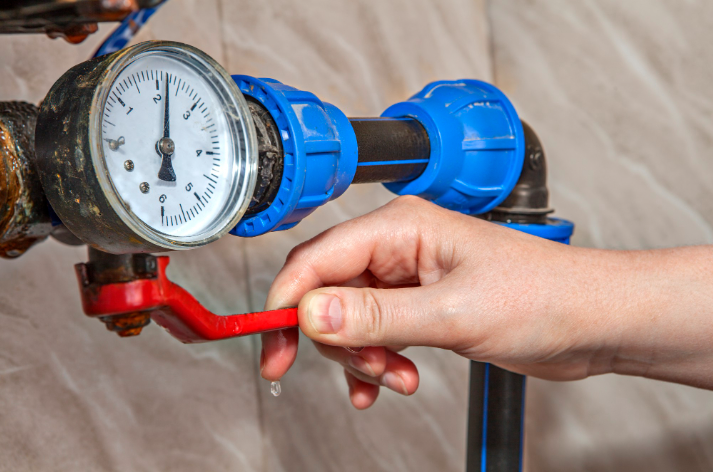
You can test your water pressure with a pressure gauge that screws onto any outdoor hose spigot or washing machine connection. These gauges cost between $10 and $30 at hardware stores.
Turn off all water fixtures in your home before testing. Attach the gauge and open the valve fully to get an accurate reading. Check the pressure at different times of day since it can vary.
Safe pressure ranges:
- 40 to 60 PSI: Ideal for homes
- 60 to 80 PSI: Acceptable but monitor closely
- Above 80 PSI: Requires immediate attention
Test multiple locations around your property if you have a large home. Pressure can differ between floors or sections of your plumbing system.
Tailoring solutions to address elevated pressure
Fixing high water pressure requires targeted repairs that address both the source of the problem and any damage already done to your plumbing system. You need to focus on the pressure regulator, replace damaged fixtures, and check your entire plumbing network for hidden issues.
Repairing or replacing a faulty pressure regulator
Your pressure regulator controls water pressure as it enters your home from the municipal supply line. This valve typically installs right after your water meter and should maintain pressure between 40 to 60 psi.
When your regulator fails, it can no longer reduce incoming pressure to safe levels. You might need to adjust the settings first by locating the adjustment screw on top of the regulator and turning it counterclockwise to lower pressure. Test the pressure with a gauge after each quarter turn.
If adjustment doesn't work, your regulator likely needs replacement. Signs of a failed regulator include inconsistent pressure readings, visible corrosion, or water leaking from the valve body. A new regulator costs between $150 to $400 installed, depending on your home's plumbing configuration.
You should replace regulators every 7 to 12 years as preventive maintenance. Mineral buildup inside the valve can prevent proper function even when the unit looks fine externally.
Addressing damaged fixtures caused by prolonged pressure exposure
High pressure damages faucets, toilets, and appliances over time. You'll see dripping faucets, running toilets, and pinhole leaks in supply lines as the most common problems.
Check all faucets for worn washers and O-rings that constant pressure has degraded. Replace these small parts before they cause bigger leaks. Toilet fill valves often fail under high pressure, causing them to run continuously and waste water, a problem that can quickly compound the issues described in this look at residential plumbing services.
Your washing machine hoses and dishwasher connections are vulnerable points. Look for bulging, cracks, or moisture around these connections. Replace any compromised hoses immediately with burst-resistant models rated for at least 1,200 psi.
Water heater relief valves may activate frequently under high pressure. If your relief valve drips regularly, replace it after you fix the pressure problem.
Evaluating the overall plumbing system for related issues
Your pipes need inspection after you've experienced high pressure. Copper pipes can develop stress fractures at joints and bends. PEX and CPVC lines may show signs of stretching or separation at fittings. A formal plumbing inspection ties all of these checks together into a clear repair plan.
Start in your basement or crawl space where pipes are accessible. Look for water stains, corrosion, or mineral deposits that indicate small leaks. Pay attention to pipe hangers and supports, as high pressure can cause pipes to vibrate and work loose.
Check for water hammer, which sounds like banging when you turn off faucets quickly. This happens when high pressure creates shock waves in your pipes. You may need to install water hammer arrestors at key locations.
Test your pressure at different times of day using a pressure gauge attached to an outdoor spigot. Pressure that varies significantly suggests problems with your municipal supply or your pressure regulator's ability to maintain consistent control.
Prevention strategies for pressure-related damage
Regular monitoring and maintenance help you catch pressure problems before they damage your plumbing system. Checking your water pressure at least once per year and watching for warning signs can save you from expensive repairs.
Routine inspections that identify pressure concerns early
You should test your water pressure at least once a year using a simple pressure gauge that attaches to any outdoor hose spigot. These gauges cost between $10 and $20 at most hardware stores. Normal water pressure should stay between 40 and 60 PSI, and anything above 80 PSI puts your pipes and appliances at risk.
During your inspection, look for these warning signs:
- Banging or hammering sounds when you turn off faucets
- Leaking toilet valves or constantly running toilets
- Dripping faucets that occur even with new washers
- Water spray that comes out too forcefully from fixtures
Check your pressure-reducing valve (PRV) if you have one installed. This valve typically sits near where the main water line enters your home. You can identify problems with the PRV if you notice the pressure gauge reading fluctuates widely or stays consistently high.
Monitoring changes in plumbing performance throughout the year
Your water pressure can change based on seasonal demand and municipal supply adjustments. You might notice higher pressure during overnight hours or winter months when fewer people use water in your area.
Keep a simple log of your pressure readings throughout the year. Write down the date, time, and PSI reading each time you check. This record helps you spot patterns and catch gradual increases before they cause damage.
Pay attention to your water bills for unexpected increases in usage, which can signal leaks caused by high pressure. Watch how your appliances perform too. Your washing machine, dishwasher, and water heater work harder and wear out faster when pressure stays too high.
Why proactive maintenance protects both pipes and appliances
High water pressure forces your plumbing system to work under constant stress. This stress weakens pipe joints, damages seals, and strains appliance components. A pressure-reducing valve costs between $150 to $400 to install but can prevent thousands of dollars in damage.
Your appliances contain rubber seals, gaskets, and valves designed for specific pressure ranges. When pressure exceeds 80 PSI, these parts fail much sooner than expected. Your dishwasher's inlet valve, washing machine hoses, and water heater's temperature and pressure relief valve all face increased wear.
Most jurisdictions now require PRVs when incoming pressure exceeds 80 PSI. Having a plumber inspect and adjust your PRV every three to five years keeps it working properly. They can also flush sediment from the valve and replace it if needed.
Conclusion
High water pressure might seem like a minor concern, but it can damage your plumbing system and appliances over time. The stress it puts on pipes, fixtures, and water heaters leads to leaks, bursts, and costly repairs.
You now understand the main causes of high pressure during peak usage times. Municipal supply fluctuations, faulty pressure regulators, and thermal expansion all contribute to the problem. Recognizing the warning signs helps you catch issues early before serious damage occurs.
The ideal water pressure for your home falls between 40 and 60 PSI. Anything above 80 PSI puts your system at risk and should be addressed quickly.
Your plumbing system works best when pressure stays consistent and within safe ranges. A pressure regulator costs much less than replacing damaged pipes or appliances. Regular monitoring takes only a few minutes but protects your investment for years.
Talk to a licensed plumber if you notice banging pipes, frequent leaks, or inconsistent water flow. They can assess your system and recommend the right solutions for your specific situation. Taking action now prevents bigger problems later and keeps your water usage efficient. To get a pressure assessment from a local team that knows Conroe water supply conditions, book a visit with Benjamin Franklin Plumbing of Conroe before high pressure quietly damages another fixture in your home.

 Your Privacy Choices