
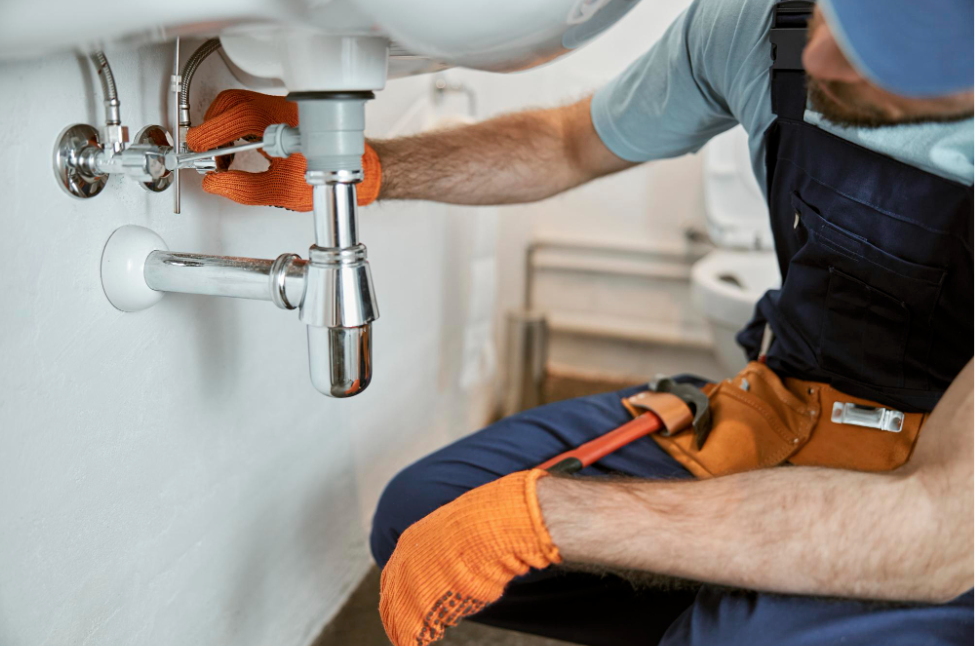
A water bill that suddenly jumps fifty or a hundred dollars without any obvious change in your routine is almost always trying to tell you something. In a Conroe TX home, the most common cause of an unexplained high water bill is a small, silent leak somewhere in your plumbing, fixtures, or outdoor lines that keeps running long after you've stopped paying attention.
Getting a high water bill when you haven't changed your daily habits can be confusing and frustrating. You might check around your home and see no puddles or dripping faucets, yet the numbers on your bill keep climbing. The most common causes of unexplained high water bills include running toilets, underground leaks, faulty water heaters, and problems with your outdoor plumbing.
You're not alone in facing this problem. Many homeowners in Conroe TX and across the country discover that their water usage has doubled or tripled without any obvious reason. The good news is that most of these issues can be found and fixed once you know where to look.
This guide will walk you through the main causes of unexpected water bills and show you how to use your water meter to track down the problem. You'll learn about silent leaks that waste water without leaving visible signs, changes in your household that might increase usage, and when it's time to call in a professional for help.
In this article, here's what we'll cover:
- Unexpected changes in usage patterns
- Hidden leaks and their impact
- Toilet water loss scenarios
- Outdoor plumbing issues to watch for
- Water heater leak concerns
- Using the water meter to diagnose issues
- Why early leak detection matters
- When further investigation is needed
Keep reading to learn how to spot a silent leak in your home, which fixtures are most often behind a doubled bill, and exactly which test to run on your meter before you call a plumber.
Unexpected changes in usage patterns
A water bill that suddenly doubled often points to changes in how water gets used in your home, not just broken pipes. These shifts can happen gradually or all at once, making them easy to miss until the bill arrives.
Why a sudden increase deserves attention even without visible plumbing issues
An unexplained increase in water bill requires investigation even when you see no wet spots or dripping faucets. Silent consumption problems waste thousands of gallons each month without leaving obvious traces.
Running toilets cause one of the most common causes of high water bills. A toilet with a worn flapper valve can leak 200 gallons daily without making noise. You won't see water on the floor or hear constant running. A quick toilet repair often takes care of the problem before it shows up on another bill.
Check for hidden toilet leaks:
- Add food coloring to the tank
- Wait 15 minutes without flushing
- Check if color appears in the bowl
Your household habits may have shifted without you realizing it. Extra loads of laundry, longer showers, or new cleaning routines add up quickly. A family member working from home now uses water throughout the day instead of just mornings and evenings.
New appliances or fixtures change consumption patterns. An older washing machine uses 40 gallons per load, while a newer standard model might use 25 gallons.
Seasonal assumptions that can distract homeowners from the real cause
Blaming summer heat or winter holidays for your water bill increase can prevent you from finding the actual problem. Seasonal changes do affect usage, but not as much as most people think. According to the U.S. Environmental Protection Agency, depending on the region, homeowners use between 30 and 70 percent of their water outdoors, and experts estimate that 50 percent of that outdoor water is wasted to evaporation, wind, or runoff caused by overwatering, which makes it easy to assume the spike is normal seasonal use when it's actually a system inefficiency or a leak.
Outdoor watering rarely accounts for bills that triple or quadruple. Filling a pool or watering a lawn increases usage, but these activities are visible and expected. Your unexplained spike likely comes from somewhere else.
Holiday guests increase water use temporarily. However, two extra people for a week won't double your monthly bill unless something else is wrong. Each person uses about 80 to 100 gallons daily for normal activities.
Weather-related assumptions mask ongoing leaks. You might think winter pipe freezing caused a temporary spike, but the high bill continues because a crack remains.
The first clues that excessive water consumption may be happening behind the scenes
Your water meter provides the fastest way to detect hidden consumption. Turn off all water sources inside and outside your home. Check if the meter dial still moves after 30 minutes. The expert tips on how to detect water leaks walk through this check step by step.
Signs of pattern-based consumption problems:
- Bills increase gradually over several months
- Usage stays high even during vacations
- Specific days show unusual spikes on detailed bills
- Water pressure drops at certain times
Compare your current bill to the same month last year, not just last month. This removes seasonal variation from the equation. A 50% increase year-over-year signals a real problem.
Check your billing statement for the actual gallons used, not just the dollar amount. Rate increases affect cost but not consumption. If gallons doubled but your habits didn't change, you have a leak or malfunction somewhere in your system.
Hidden leaks and their impact
Hidden leaks waste thousands of gallons per month through underground pipes, toilet flappers, and irrigation lines while causing damage that stays out of sight until your bill doubles or triples.
Underground pipe leaks that continue wasting water around the clock
Leaks beneath your foundation or yard run 24 hours a day without any visible signs. A crack in a slab line or service pipe can release 30 to 50 gallons per hour. That adds up to more than 20,000 gallons in a single month. Many of these failures show up first as yard line water leaks on the service line between the meter and the house.
These leaks happen under concrete, driveways, or lawn areas where you cannot see pooling water. The ground absorbs the water before it reaches the surface. You might notice soft spots in your yard, unexpected patches of green grass during dry weather, or the sound of running water when all fixtures are off.
Slab leaks are particularly expensive because they require breaking through concrete to access the damaged pipe. The longer these leaks continue, the more they erode soil under your foundation and create structural risks to your home.
Small fixture leaks that add up faster than most homeowners realize
A toilet with a worn flapper valve can leak 200 gallons per day without making any noise. That equals 6,000 gallons per month from one silent toilet. Multiple leaking fixtures multiply the waste quickly.
Common fixture leaks include:
- Dripping faucets that waste 5 to 10 gallons daily
- Shower heads with worn seals leaking during off hours
- Washing machine hoses with pinhole leaks
- Dishwasher connection leaks that drip into cabinets
Most of these leaks drip slowly enough that you won't hear them or see water on the floor. A toilet flapper fails when the rubber degrades and no longer seals properly. The toilet refills itself every few minutes as water seeps into the bowl.
Why leak damage can remain invisible until the utility bill arrives
Water meters measure every drop that passes through your service line. Leaks inside walls, under cabinets, or beneath appliances send water into hidden spaces where it evaporates or drains away slowly.
Your first clue often comes from a bill that jumps 50% or more with no change in your household activities. By that time, you may have wasted 10,000 to 30,000 gallons. The leak could have been active for weeks or months before the billing cycle revealed the problem. Professional leak detection can shorten that window dramatically.
Moisture from hidden leaks creates mold growth inside walls and damages drywall, insulation, and wood framing. These repairs cost far more than the wasted water itself when you finally discover the source.
Toilet water loss scenarios
Toilets account for some of the highest rates of unexplained water loss in homes. A running toilet can waste 200 gallons of water per day without making obvious sounds or leaving puddles on your bathroom floor.
Silent leaks that occur without noticeable sounds or overflowing water
Your toilet can leak continuously without creating any noise or visible water on the floor. The most common silent leak happens when the flapper valve at the bottom of your tank fails to seal properly. According to the U.S. Environmental Protection Agency, toilets are by far the main source of water use in the home, accounting for nearly 30 percent of an average home's indoor water consumption, which is why a worn flapper shows up on a bill faster than almost any other fixture problem. This rubber component wears out over time and allows water to seep from the tank into the bowl.
When the flapper doesn't close completely, fresh water flows into the bowl at a steady rate. The leak is silent because the water moves slowly and drains directly through the normal path. You won't see water on the floor because it goes straight down the drain.
Common silent toilet leak causes:
- Worn or warped flapper valves
- Mineral buildup preventing proper sealing
- Corroded flush valve seats
- Misaligned or damaged fill valves
These leaks can run 24 hours a day without your knowledge. A toilet with a moderate flapper leak wastes around 6,000 gallons per month.
Simple tests that reveal ongoing water loss inside the tank
The dye test is the easiest way to detect silent toilet leaks. Add 10 to 15 drops of food coloring into your toilet tank and wait 15 to 20 minutes without flushing. If colored water appears in the bowl, you have a leak.
You can also check your toilet's refill cycle. Listen for the sound of water running into the tank when nobody has flushed for several hours. If you hear water trickling or see the tank refilling on its own, water is escaping somewhere.
Check the water level in your tank by marking the current level with a pencil. Wait one hour without using the toilet. If the water level drops below your mark, the tank is losing water through a leak.
When a minor toilet issue becomes a major source of monthly waste
A small drip from your toilet might seem harmless, but it adds up quickly on your water bill. A toilet that leaks just one gallon per hour wastes 720 gallons per month. That translates to roughly $10 to $15 in extra costs depending on your local water rates.
Multiple toilets with minor leaks create compounding waste. If you have three bathrooms and each toilet has a small leak, you could lose 2,000 gallons per month or more. These leaks often start small and worsen as flappers deteriorate further.
The problem becomes severe when homeowners ignore early warning signs. What begins as a $5 monthly increase can grow into $50 to $100 extra charges within a few months as the leak expands.
Outdoor plumbing issues to watch for
Outdoor water systems often develop leaks that go unnoticed for months because they're buried underground or hidden by plants and soil. These problems can add hundreds of gallons to your monthly usage without any visible signs inside your home.
Irrigation system leaks hidden beneath landscaping
Sprinkler systems develop leaks at connection points, valve boxes, and along buried pipes. These leaks often show no surface evidence until the problem becomes severe.
Check for unusually green or soggy patches in your lawn between watering cycles. These wet spots indicate water escaping from underground pipes. Listen for hissing sounds near valve boxes when the system is both on and off.
Inspect each sprinkler head during operation. Water pooling around the base suggests a cracked fitting or damaged seal. Look for heads that spray erratically or don't pop up fully.
Common leak locations:
- PVC pipe joints that crack from ground settling
- Valve diaphragms that wear out over time
- Sprinkler head seals damaged by lawn equipment
- Backflow preventer connections
Run your system during daylight and walk the entire zone. A single cracked lateral line can waste 200 to 300 gallons per watering cycle, and a quick visit from an outdoor plumbing specialist can identify the failure point before the next billing cycle.
Hose bibs and outdoor fixtures that slowly waste water
Outdoor faucets fail gradually through worn washers, loose packing nuts, and freeze damage. A slow drip from a hose bib wastes 3,000+ gallons annually.
Turn off all indoor water and check your meter. Then open and close each outdoor faucet. If the meter moves, you have a leak in that line or fixture.
Signs of hose bib problems:
- Water dripping from the handle even when fully closed
- Rust stains on siding below the faucet
- Difficulty turning the handle
- Water spraying from around the handle stem
Check behind the faucet where it enters your home. Feel for moisture on the pipe and wall. Some leaks occur inside the wall cavity where you can't see them.
How underground outdoor leaks affect both water bills and property conditions
Underground leaks from outdoor pipes create two separate problems. First, they waste water continuously at a steady rate that compounds over weeks. Second, they cause foundation issues, soil erosion, and drainage problems.
A leak in your main water line between the meter and house runs 24 hours per day. Even a small crack releasing two gallons per hour adds 1,440 gallons to your monthly bill.
Watch for unexplained damp areas in your yard during dry weather. Check for sunken spots in your lawn or driveway, which indicate soil washing away beneath the surface. Notice if your water pressure drops suddenly or if you hear water running when all fixtures are off.
Your meter box may contain standing water from an underground leak nearby. While some moisture is normal after rain, persistent water suggests an active leak in the service line.
Water heater leak concerns
Water heaters account for a significant portion of unexplained high water bills because they can leak in ways that are hard to detect. A small, steady drip from your water heater can waste hundreds of gallons per month without creating obvious puddles or water damage.
Pressure relief valve leaks that homeowners often overlook
The pressure relief valve sits on the side or top of your water heater and releases water when internal pressure gets too high. This valve can develop slow leaks that drip into the drain pipe, making the water loss completely invisible.
You won't see puddles because the valve connects to a discharge tube that directs water toward your floor drain. Check for moisture at the end of this tube or listen for hissing sounds near the valve. A faulty pressure relief valve can release several gallons per day.
The valve may leak due to high water pressure in your home, sediment buildup in the tank, or simple wear over time. If you spot wetness or mineral deposits around the valve, it needs replacement. This is a common issue in water heaters older than five years.
Aging tanks that develop hidden leaks near the base
Water heater tanks corrode from the inside out over time, especially at the bottom where sediment collects. These leaks start small and often go unnoticed because they form underneath the tank or behind insulation. According to the U.S. Department of Energy, storage water heaters typically last 10 to 15 years, so a tank that's past that window is a leading suspect when a bill spikes for no obvious reason.
Place cardboard or paper towels under and around the base of your water heater to check for moisture. Look for rust stains, water spots, or dampness on the floor nearby. The leak might only release water when the tank heats up and expands.
Common leak locations on aging tanks:
- Drain valve connections
- Tank bottom seams
- Inlet and outlet pipe fittings
- Tank base where rust develops first
Warning signs that point to water heater-related water loss
Your water heater gives specific clues when it's wasting water and driving up your bill. You might notice your heater running more often than normal or hear it cycling on and off throughout the day.
Check for these warning signs:
- Rust-colored water from hot water taps indicates internal tank corrosion
- Unusual sounds like popping or rumbling suggest sediment buildup
- Fluctuating water temperature means the tank isn't holding heat properly
- Moisture or condensation on the tank exterior
Monitor your water heater's age and maintenance history. If your unit is over 10 years old and your bill jumped unexpectedly, the water heater deserves close inspection. Even small internal cracks can release 30 to 50 gallons daily.
Using the water meter to diagnose issues
Your water meter provides the most accurate way to detect hidden water loss in your home. By performing a simple meter test and learning to read the results, you can confirm whether water is escaping somewhere in your plumbing system.
Checking for continuous water movement when no fixtures are running
Turn off all water-using appliances and fixtures in your home. This includes faucets, dishwashers, washing machines, ice makers, and irrigation systems.
Locate your water meter, which is typically found near the street, in your basement, or in a utility closet. Look for the leak indicator on the meter face, usually a small triangular dial, red or silver wheel, or flowing water icon.
Watch this indicator for 15 to 30 minutes without using any water. If the leak indicator moves at all, water is flowing through your meter even though nothing should be running. Write down the exact meter reading before your test starts and check it again after one to two hours.
Any change in the numbers confirms active water flow. Even a small movement indicates a leak somewhere between the meter and your home's fixtures.
Understanding meter readings before calling for service
Water meters display usage in gallons or cubic feet. Most residential meters show numbers in a straight line or on rotating dials similar to a car odometer.
Record your meter reading at the same time each day for three to five days. Calculate the daily difference to establish your baseline water use. A typical household uses 80 to 100 gallons per person per day.
If your daily usage exceeds 300 gallons for a two-person home or shows unexplained jumps of 50 gallons or more, you likely have a leak. Compare these numbers to your water bill to verify the utility company is reading your meter correctly.
Check whether your meter continues to register usage during periods when you know no water was used, such as overnight or while everyone was away from home.
When meter results confirm the need for professional leak detection
If your meter test shows continuous water movement, you need to determine the leak's location. First, shut off the main water valve inside your home while leaving fixtures off.
Check the meter again after this step. If the meter still moves with your home's water shut off, the leak is in the underground service line between the meter and your house. This requires immediate professional attention.
If the meter stops moving when you close the main valve, the leak is inside your home or in connected fixtures. Professional leak detection services use acoustic sensors, thermal imaging, and pressure testing to pinpoint hidden leaks in walls, under slabs, or in buried pipes. A formal plumbing diagnosis ties all of those readings together into a clear repair plan.
Contact a licensed plumber when your meter confirms water loss but you cannot locate the source after checking toilets, faucets, and visible pipes.
Why early leak detection matters
Finding leaks early prevents expensive water bills and protects your home from serious damage. Quick action stops small problems before they turn into major repairs.
Protecting walls, floors, and foundations from water damage
Water from hidden leaks seeps into building materials slowly over time. Your drywall absorbs moisture and becomes soft, crumbly, and stained. Wood framing can rot from the inside out, weakening the structure of your home.
Floors take significant damage when water pools underneath them. Hardwood warps and buckles. Carpet padding holds moisture and breaks down. Tile grout erodes and allows water to reach the subfloor.
Foundation damage happens when leaking pipes saturate the soil around your home. The ground shifts and settles unevenly. Cracks form in concrete slabs and basement walls. These repairs cost thousands of dollars and require major construction work.
Catching leaks within days or weeks limits damage to small areas. You might only need to replace a section of drywall or a few boards. Waiting months or years means replacing entire walls, floors, or foundation sections.
Reducing the risk of mold growth caused by hidden moisture
Mold starts growing within 24 to 48 hours when materials stay wet. Hidden leaks create perfect conditions because the moisture never dries out. You won't see the mold growing inside walls, under floors, or above ceilings until it spreads.
Common mold problems from leaks include:
- Black mold on studs and insulation
- Musty odors throughout rooms
- Allergic reactions and breathing issues
- Expensive remediation services
Mold spreads through spores that travel in your air system. One small leak can contaminate multiple rooms. Professional mold removal costs between $500 and $6,000 depending on how far it spreads.
Early detection stops moisture before mold takes hold. Drying materials quickly prevents spores from establishing colonies.
Avoiding larger plumbing repairs that develop over time
Small leaks put constant pressure on surrounding pipes and joints. Corrosion spreads from the leak point to nearby connections. What starts as a pinhole leak becomes a burst pipe.
Water pressure drops when leaks grow larger. Your fixtures run slower and appliances don't fill properly. Multiple fixtures may need replacement instead of just one section of pipe.
Leak damage often reveals other hidden problems in older plumbing systems. Once you open walls to fix one issue, you discover corroded pipes throughout the house. A $200 plumbing repair becomes a $5,000 repiping project.
Fixing leaks immediately keeps repair costs low and prevents cascading failures in your plumbing system.
When further investigation is needed
Sometimes DIY checks don't reveal the source of high water usage, and the bill keeps climbing. Professional tools and expertise become necessary when basic inspections fail to identify hidden leaks or when water waste continues despite your best efforts.
Situations where professional leak detection is the smartest next step
You should call a professional when your meter still shows movement after shutting off all water fixtures and appliances. This indicates water is flowing somewhere in your system that you can't see or access.
Hidden leaks in underground pipes, slab foundations, or behind walls require specialized equipment to locate. If you've checked toilets, faucets, and visible pipes without finding problems, the issue likely exists in areas you can't inspect yourself. A thorough plumbing inspection and diagnosis is the fastest way to map out where the water is going.
Toilet leaks account for 30 to 40% of unexplained bill increases, but sometimes the problem isn't obvious even after dye testing. A plumber can detect subtle leaks in fill valves, flappers, and connections that don't show visible signs.
When your bill remains high for multiple billing cycles despite fixing visible problems, you're wasting money every day the real leak continues. The longer you wait, the more water and money you lose.
Technologies plumbers use to locate hidden leaks accurately
Professional plumbers use acoustic listening devices that detect the sound of water escaping from pressurized pipes. These tools can pinpoint leaks under concrete slabs, in walls, or underground without destructive digging.
Thermal imaging cameras identify temperature differences caused by water leaks behind walls and under floors. Cold spots often indicate where water is seeping through building materials.
Video camera inspection allows plumbers to look inside pipes through small access points. This method works well for identifying cracks, corrosion, or joint failures in sewer lines and main water pipes.
Pressure testing equipment helps isolate which section of your plumbing system is losing water. Plumbers can test different zones separately to narrow down the leak location before opening walls or floors.
How fast action can minimize both water waste and repair costs
A small leak wastes thousands of gallons per month and drives up your bill quickly. Acting within the first billing cycle prevents unnecessary charges and reduces total repair costs.
Water damage gets worse over time. Leaks behind walls can cause mold growth, wood rot, and structural damage that costs far more to fix than the original plumbing repair.
Early detection often means simpler repairs. A pipe joint leak caught early might need only a new fitting, while delayed detection could require replacing entire pipe sections and repairing water-damaged materials.
Your water utility may offer leak adjustment credits if you fix the problem promptly and provide proof of repair. Most programs require you to address the leak within a specific timeframe to qualify for billing relief.
Conclusion
High water bills without visible leaks happen more often than you might think. The causes range from hidden leaks behind walls to running toilets and faulty water heaters. Sometimes the problem is as simple as a meter reading error or increased usage by someone in your home.
You now have the tools to track down the source of your high bill. Start by checking your water meter when nothing is running. Look at your toilet for silent leaks. Inspect your appliances and outdoor irrigation systems.
Quick action saves you money and prevents damage. The longer a hidden leak runs, the more you pay and the worse the damage gets. Most issues are fixable once you find them.
Call your utility company if you spot unusual billing dates or suspect a meter problem. They can verify readings and help identify billing errors. This simple step often clears up confusion fast.
You don't have to accept unexplained charges. Most high water bills have a clear cause that you can fix. Take action now to stop wasting water and money. Whether the problem is a hidden leak or increased usage, you can get your bill back under control. If your bill keeps climbing and you can't pin down the source, book a service call with Benjamin Franklin Plumbing of Conroe and let a licensed local team find the leak before another billing cycle goes by.

 Your Privacy Choices