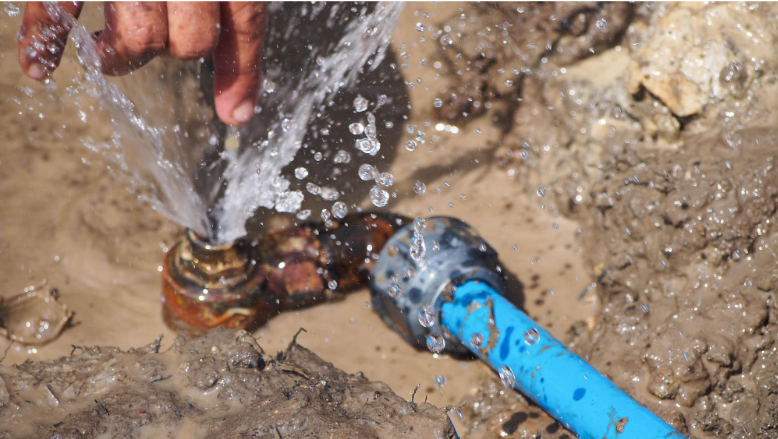
A burst pipe in your Conroe, TX home turns an ordinary afternoon into an emergency fast. One minute everything is normal, the next there's water pouring out of a wall, ceiling, or under a sink, and every second that passes adds to the damage. What you do in the first few minutes matters just as much as who you call afterward.
Most homeowners have never dealt with a burst pipe before it happens to them, which means there's no instinct to fall back on. Panic is normal. The good news is that the correct response is short and simple, and knowing it ahead of time can be the difference between a contained mess and thousands of dollars in structural damage.
This guide covers exactly what to do the moment you discover a burst pipe, what typically causes pipes to fail in the Conroe and Montgomery County area, and how to know when the situation calls for an emergency plumber rather than a wait-and-see approach. Whether the pipe is behind a wall, under a slab, or exposed in a garage in Panorama Village or Woodloch, the steps below apply.
In this article, you will learn about:
- The immediate steps to take when a pipe bursts
- What typically causes pipes to burst in Conroe homes
- How to limit water damage while you wait for help
- When to call an emergency plumber right away
Keep reading to find out which single action, done in the first sixty seconds, prevents the most damage.
The immediate steps to take when a pipe bursts
The first priority when a pipe bursts is stopping the flow of water, not cleaning it up. Every extra minute of water flowing through a burst section adds gallons to the damage, and mopping while the leak continues just delays the one action that actually helps. A plumbing drain repair technician will tell you the same thing about a backed-up line: stop the source first, then deal with the mess.
Acting in the right order matters more than acting fast in the wrong order. A homeowner who wastes five minutes looking for towels before shutting off the water ends up worse off than one who spends thirty seconds finding the valve first.
Shut off the main water valve
The single most important step is locating and closing the home's main water shutoff valve. This immediately stops new water from feeding the burst, even if the pipe itself is still leaking out whatever water remains in the system.
- Locate the main shutoff valve, typically near the water meter, in a garage, basement, or exterior wall
- Turn the valve clockwise until it stops to fully close it
- Open a faucet somewhere in the house to relieve remaining pressure in the lines
- Confirm the leak has slowed or stopped before moving to cleanup
A quick plumbing diagnosis confirms whether the water has actually stopped feeding the burst section or is just slowing down as the lines drain.
Every homeowner should know where this valve is before an emergency happens, not during one. If you've never located yours, it's worth doing now, since searching for it during an active leak wastes valuable time. Once the water is off, the next call should go to a licensed plumber, since the shutoff only buys time, it doesn't fix the pipe.
Shut off electricity near the leak
Water and electrical systems are a dangerous combination. If the burst pipe is anywhere near outlets, light fixtures, or an electrical panel, shut off power to that area at the breaker before doing anything else in that space.
- Never step into standing water near an outlet or appliance that's still powered
- If the breaker panel itself is wet or hard to reach safely, wait for a professional
- Battery-powered flashlights are safer than relying on a room's overhead lighting near water
Older homes in Cut and Shoot and other rural pockets of Montgomery County often carry aging electrical panels that make this step worth doubling down on.
Document the damage before cleanup begins
Once the water is shut off and the area is safe, take photos and video of the damage before moving anything. This step is easy to skip in the rush to start cleaning, but it matters for insurance purposes and makes the eventual repair conversation more accurate. Anyone who has dealt with an unexplained water bill spike knows that a documented timeline is worth its weight when it's time to make a claim.
- Photograph the burst pipe itself if visible
- Capture standing water, damaged drywall, flooring, or furniture
- Note the approximate time the leak was discovered and when the water was shut off
What typically causes pipes to burst in Conroe homes
Pipes don't fail without a reason, even when the failure feels sudden. Understanding the common causes helps homeowners recognize risk factors in their own home before a pipe actually gives out, and it helps make sense of why the same house can go years without an issue and then have one.
Freezing temperatures and cold snaps
Texas winters are usually mild, but cold snaps do happen, and Conroe area homes are often less prepared for hard freezes than homes in consistently cold climates. Pipes in exterior walls, attics, and garages are especially vulnerable since they typically have less insulation protecting them.
Water expands as it freezes, and that expansion is what actually splits a pipe, not the ice itself blocking flow. By the time a homeowner notices no water coming from a faucet, the pipe may have already burst somewhere upstream and just hasn't started leaking visibly yet.
Frozen and burst pipes are not just a northern-climate problem, and the financial impact of freeze-related water damage is significant nationwide.
The Massachusetts Division of Insurance reported that nearly half of all homeowners insurance claims in the state in 2024 were tied to non-flood water losses and freezing-related damage, underscoring how quickly a single cold snap can turn into a costly claim when pipes aren't protected.
Texas learned this at scale during Winter Storm Uri in February 2021, when sub-freezing temperatures across the state led to widespread pipe failures.
According to a peer-reviewed analysis of the event, burst water pipes and the resulting loss of potable water affected nearly 14.4 million people across 190 Texas counties, making it one of the most disruptive water infrastructure events in the state's history.
- Pipes along exterior walls freeze faster than interior pipes
- Attics and garages often lack the insulation that protects pipes elsewhere in the home
- A slow trickle from a faucet, or none at all, can indicate a frozen section upstream
Homeowners in Willis and along Lake Conroe who want leak detection services before the next cold front arrives can catch a weak or thinning section before it fails outright.
Excess water pressure
Pipes are built to handle a specific pressure range, and pressure that consistently runs too high puts steady stress on joints, fittings, and aging sections until something gives.
According to the Pacific Northwest National Laboratory's Building America Solution Center, most plumbing codes require a pressure-reducing valve once incoming water pressure exceeds 80 psi, since pressure above that threshold significantly increases the risk of ruptured pipes, leaking fixtures, and damaged appliances.
Municipal supply lines can run well above that safe range before a home's pressure regulator brings it down, which means a failing or missing regulator is sometimes the hidden reason a house experiences repeat pipe failures that seem to come out of nowhere.
- A pressure regulator that fails can silently push line pressure well past safe limits
- Water hammer, a banging noise when a faucet shuts off, is often an early warning sign
- Homes without a regulator at all are more exposed to municipal supply spikes
The same pressure spikes behind a burst pipe can also cause shower water temperature fluctuating, since the whole plumbing system shares one supply line and one pressure level.
Pipe age and material
Older homes in Montgomery County may still have original galvanized steel or older copper piping that has corroded internally over decades of use. Corrosion narrows the interior of a pipe and weakens the pipe wall from the inside, so a section that looks fine from the outside can be dangerously thin.
Regular residential plumbing services tend to catch this kind of thinning before it turns into a full rupture, since a technician who already knows the home's piping history knows exactly where to check first.
- Galvanized steel pipes corrode from the inside and are more prone to sudden failure
- Copper can develop pinhole leaks from certain water chemistry over time
- A pipe that's already failed once in a section is more likely to fail again nearby
Tree roots and ground shifting
Underground pipes face a different set of risks. Tree roots seeking moisture can crack or crush buried lines over time, and shifting soil, common in the clay-heavy ground found across parts of Texas, can put uneven stress on pipes that were installed level and straight.
- Root intrusion tends to target older clay or cast iron pipe joints
- Soil movement after heavy rain or drought cycles can stress buried lines
- A yard line water leak sometimes starts this way, long before it surfaces as visible damage
A buried line damaged by roots often ends up needing sewer repair work that goes well beyond a simple patch, since root intrusion tends to recur along the same weak joints once one section has failed.
How to limit water damage while you wait for help
Once the water is off and the immediate danger is addressed, the next priority is limiting how far the existing water spreads before a plumber arrives. This is where the difference between a quick repair and a major renovation project often gets decided.
Move belongings and start extraction
Getting furniture, electronics, and belongings out of standing water immediately reduces the number of items that need replacing rather than just drying out. An emergency commercial plumber treats a burst line the same way at a business property, moving inventory and equipment first, then dealing with the water itself.
- Move furniture and rugs to a dry area as soon as it's safe to do so
- Use towels, a wet-dry vacuum, or buckets to remove standing water
- Prop up furniture legs on blocks if items can't be moved right away
Improve airflow to slow moisture damage
Standing water and wet materials create the right conditions for mold within as little as 24 to 48 hours, so getting air moving through the affected area buys valuable time before that clock runs out.
- Open windows if weather allows, or run fans pointed at wet areas
- Run a dehumidifier if one is available
- Pull back wet carpet edges so air can reach the padding underneath
- Avoid closing off the room completely, since trapped humidity accelerates mold growth
Good airflow and quick drying are the same summer outdoor plumbing habits that already keep moisture under control around Lake Conroe homes during the humid months, just applied indoors instead of out.
Know what not to do
A few common instincts actually make things worse rather than better. Skipping these mistakes is just as important as doing the right things.
- Don't turn the water back on to test whether the leak has stopped
- Don't use electrical equipment in standing water, even to help with cleanup
- Don't ignore a slow drip assuming it will dry out on its own
Ignoring a small leak is exactly what allows hidden slab leak symptoms to go unnoticed for months, so treat any lingering moisture after a burst pipe repair as worth a second look.
When to call an emergency plumber right away
Some burst pipe situations can wait until regular business hours. Others cannot, and knowing the difference protects both your home and your safety. A commercial plumber call at a business property carries the same urgency, often with more at stake given inventory and equipment on the line.
Signs that call for immediate emergency service
A handful of situations should trigger an emergency call without delay, rather than waiting to see how things develop overnight.
- Water is actively flowing and the main shutoff valve didn't fully stop it
- The leak is near an electrical panel, outlet, or major appliance
- You can't locate or access the main shutoff valve at all
- Water is coming from the ceiling, which usually means damage above is already extensive
- The home has no functioning water at all after a suspected freeze, which can indicate a burst pipe hidden inside a wall
Homeowners in The Woodlands and Lake Conroe face the same red flags, since a burst pipe doesn't behave differently based on zip code, only based on how quickly it's addressed.
Any of these situations point to a problem bigger than a simple fix, and a licensed technician can assess and stop the source quickly rather than a homeowner guessing at a temporary patch. A plumbing system summer readiness check earlier in the year often catches the exact weak points that would otherwise turn into this kind of emergency call.
What to expect from a professional response
A same-day emergency visit typically starts with confirming the water is fully shut off, then locating the exact failure point, whether that means opening a section of drywall, checking a slab leak indicator, or inspecting exposed plumbing in a garage or attic.
- Full diagnosis of the failure point, not just a visible symptom
- Repair or replacement of the damaged section using code-compliant materials
- A check of nearby fittings and joints, since one failure sometimes signals others nearby
Technicians covering Shenandoah and Grangerland work through each of these steps on every burst pipe call, regardless of which part of Montgomery County the address falls in.
Preventing the next burst pipe
Once the immediate emergency is resolved, it's worth addressing whatever conditions led to the failure in the first place, whether that's inadequate insulation, high water pressure, or aging pipe material that's likely to fail again elsewhere. Homeowners across Montgomery County tend to catch these related weak points sooner when the whole system gets checked, not just the section that already failed.
- Insulate exposed pipes in attics, garages, and exterior walls before the next cold snap
- Have water pressure tested if the home has never had a regulator checked
- Consider a whole-home plumbing inspection if the home has older piping
Pipe insulation pairs well with a broader outdoor plumbing maintenance check ahead of the next freeze, since exposed exterior lines carry the same risk as interior pipes left uninsulated in a wall.
Conclusion
A burst pipe is one of the few plumbing emergencies where speed genuinely changes the outcome. Every minute between discovery and shutting off the water adds to a bill that could otherwise have stayed small. Knowing where the main shutoff valve is, and knowing it before an emergency, is the single most valuable piece of plumbing knowledge a Conroe homeowner can have.
Understanding why pipes burst in the first place, whether it's a rare hard freeze, excess pressure, or simply aging materials, also helps homeowners recognize risk before it becomes a flood. A house that's had one burst pipe is often more likely to have another nearby unless the underlying cause gets addressed.
If you're dealing with a burst pipe right now, or want a professional to check for weak points before the next cold snap or pressure spike, Benjamin Franklin Plumbing serves homeowners throughout Conroe and Montgomery County with fast response and upfront diagnostics.
Ask about the Benjamin Franklin Plumbing club membership program for regular plumbing checkups that catch aging pipes, pressure issues, and other burst-pipe risk factors before they turn into an emergency call.

 Your Privacy Choices