
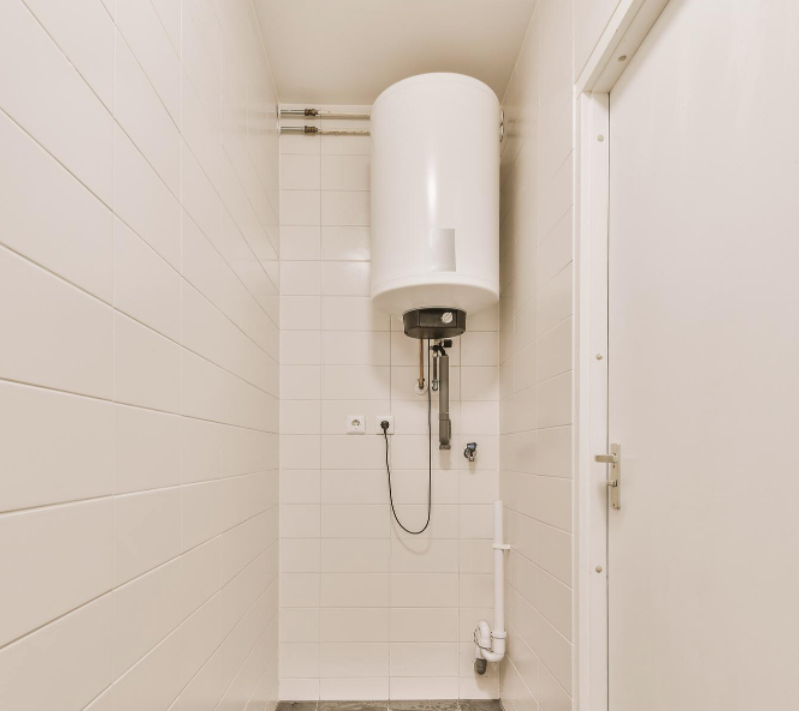
A cold shower on a Tuesday morning is how most Conroe homeowners find out their water heater not working properly. One minute the water runs warm, and the next it turns lukewarm, then ice cold, with no clear reason why. It is one of the most disruptive plumbing problems a household can face, because hot water touches almost everything, from showers and laundry to dishes and hand washing.
The good news is that a water heater rarely fails without warning. Most units give off small signals for days or weeks before they stop producing hot water altogether, whether that is a strange noise from the tank, a pilot light that will not stay lit, or water that takes longer than usual to heat up. Learning to recognize those signals early can mean the difference between a simple repair and an emergency replacement.
Conroe's older neighborhoods near the Loop 336 corridor and newer master-planned communities alike deal with the same underlying issue: mineral-heavy groundwater that wears down water heater components faster than in many other parts of the country.
That means local homeowners often see certain failures, like sediment buildup and heating element wear, show up sooner than the national averages suggest.
If a licensed plumber has looked at your system before, this article will help you understand what they found and why, whether it started with plumbing diagnosis or a routine call about residential plumbing services.
In this article, you will learn about:
- Why water heaters stop working in the first place
- How to troubleshoot a water heater before calling for help
- Signs your water heater needs professional repair or replacement
- What Conroe's water quality means for your unit's lifespan
Keep reading to find out whether your water heater problem is a quick fix or a sign that bigger repairs are on the way.
Why your water heater suddenly stops producing hot water
A water heater is a simple machine on paper, but it depends on several parts working together at once. When even one of those parts fails, from a thermostat to a heating element to a gas valve, the whole system can stop producing hot water without warning.
Most failures fall into a handful of categories: power or fuel supply issues, a failed heating component, sediment buildup, or a safety mechanism doing exactly what it is supposed to do. Knowing which category you are dealing with helps you decide whether it is a five-minute fix or a job for a commercial plumber or residential technician.
According to ENERGY STAR, homeowners typically spend up to 20 percent of their household energy use on water heating, which is why even small performance losses from an aging or struggling unit tend to show up quickly on a monthly bill.
Electric water heaters that will not heat at all
An electric water heater with no hot water at all is usually pointing to a power problem rather than a plumbing one. Start by checking the breaker panel, since a tripped breaker will cut power to the entire unit and leave the tank stone cold.
If the breaker looks fine, the issue is often a failed heating element or a tripped high-temperature limit switch, sometimes called the reset button, located on the thermostat panel behind the access cover. That switch trips as a safety measure whenever the water gets hotter than it should, and a temperature fluctuating unpredictably before a full shutoff is a pattern Conroe homeowners have reported well before the unit stops entirely.
- Breaker tripped or partially tripped in the panel
- Blown thermostat or failed upper heating element
- Tripped high-temperature limit switch behind the access panel
- Loose or corroded wiring connections at the heater itself
If you reset the breaker and the switch and the unit still will not heat, that is a strong sign one of the internal electrical components has failed and needs a professional diagnosis rather than repeated resets.
Gas water heaters with pilot light or ignition problems
Gas water heaters introduce a different set of failure points, most commonly centered on the pilot light and the thermocouple that senses whether it is lit. A pilot light that will not stay lit is one of the most common gas water heater complaints, and it is rarely as simple as relighting it once and moving on.
A weak or dirty thermocouple will sense a lit pilot as unlit and shut off gas flow as a safety precaution, even when the flame is burning normally. Dust and sediment inside the burner assembly can also interrupt airflow enough to snuff the flame repeatedly.
- Check whether the pilot light is lit by looking through the small viewing window
- Relight the pilot following the instructions printed on the unit, if you feel comfortable doing so
- Watch whether the pilot stays lit for several minutes without flickering out
- If it will not stay lit after two attempts, stop and call for a professional inspection
A gas water heater that keeps failing to ignite should never be forced into repeated relighting attempts. That pattern usually points to a thermocouple or gas valve issue that needs a licensed plumber Conroe homeowners can trust, not repeated attempts with a lighter.
Tankless water heaters that shut down mid-use
Tankless units fail differently than tank-style heaters because they respond instantly to flow and temperature sensors rather than storing a reserve of hot water. A tankless system that shuts off mid-shower is often reacting to a flow rate that is too low to trigger the burner, or to a sensor error caused by mineral scale inside the heat exchanger.
Many tankless models display an error code on a small screen or control panel when something goes wrong, and that code is the fastest way to narrow down the cause. Ignoring repeated error codes and simply restarting the unit each time tends to accelerate wear on the heat exchanger.
- Error code displaying on the control panel or remote
- Low flow rate from a partially clogged inlet filter
- Mineral scale buildup restricting the heat exchanger
- Venting obstruction on gas-powered tankless models
Tankless systems generally last longer than tank models when properly maintained, but that longevity depends on keeping scale under control, which matters more in a hard-water market like Conroe than it does in many other regions. That same mineral load is also behind a lot of the high water bill complaints that trace back to an inefficient, scale-clogged unit rather than an obvious leak.
Troubleshooting steps before you call a plumber
Not every cold shower requires an emergency call. A short list of checks can rule out the simplest causes and tell you whether the problem is something you can fix yourself or something that needs a licensed technician.
Working through these steps in order also gives a plumber useful information if you do end up calling, since you can describe exactly what you already tried and what happened when you tried it.
Confirm the basics first
Before assuming the water heater itself has failed, rule out anything upstream of the unit. A shutoff valve that got bumped closed, a gas supply issue affecting the whole house, or a breaker that tripped for an unrelated reason can all mimic a failed water heater.
- Check that the cold water supply valve to the unit is fully open
- Confirm gas is flowing to other gas appliances in the home, if applicable
- Verify the breaker for the water heater has not tripped
- Look for any recent work done near the unit that could have disturbed a connection
If all of these check out fine and you are still not getting hot water, the problem is very likely inside the unit itself, similar to the pattern behind many plumbing drain repair calls where the visible symptom points somewhere other than the actual cause.
Listen and look for warning signs
Water heaters usually announce a failure before it happens completely. Rumbling, popping, or banging sounds from inside the tank are classic signs of sediment buildup interfering with the heating element, since trapped water pockets under the sediment layer boil and create noise.
Discolored water, a lingering metallic smell, or water that takes noticeably longer to heat up are all signs worth taking seriously rather than waiting out.
- Run the hot water tap and listen for unusual sounds near the tank
- Check the water color and smell after it has run for thirty seconds
- Time how long it takes to reach a normal hot temperature compared to before
- Look at the base of the tank and surrounding floor for any signs of moisture
Catching these signs early, before a full breakdown, generally means the difference between a repair visit and an emergency replacement, the same reasoning behind seasonal leak prevention services that catch small issues before they turn into bigger ones.
When to stop troubleshooting and call for help
Some situations call for a professional immediately rather than more DIY steps. Any sign of a gas smell near the unit, visible water pooling at the base of the tank, or a temperature and pressure relief valve that is leaking or has been tampered with should stop DIY troubleshooting right away.
The CPSC has documented that most adults will suffer third-degree burns after just two seconds of exposure to water at 150 degrees Fahrenheit, which is why a malfunctioning thermostat that lets temperatures climb unchecked is not something to leave unaddressed.
- A gas odor anywhere near the water heater
- Standing water or active leaking at the base of the tank
- A pressure relief valve that will not stop discharging
- Rust-colored water combined with a metallic smell
- A tank that is visibly bulging or deformed
If you see any of these, shut off the water and power or gas supply to the unit if it is safe to do so, and call for help rather than continuing to test the system yourself, the same urgency that applies to any yard line water leak that is actively spreading.
Signs your water heater needs repair versus replacement
A repair makes sense for a young unit with a single failed part. Replacement starts to make more financial sense once a unit is old, has multiple issues at once, or has already been repaired more than once for the same underlying problem.
Age is one of the biggest factors in that decision, since a water heater nearing the end of its expected service life is a poor candidate for an expensive repair that only buys a little more time.
How age affects the repair-or-replace decision
A water heater that is more than ten years old should generally be considered a strong candidate for replacement rather than repair, since the risk of a sudden failure and resulting water damage increases the longer a unit runs past that point.
Finding the age of a water heater is straightforward once you know where to look. The serial number stamped on the manufacturer's label typically encodes the manufacture date, and most brands publish a short guide to decoding it online.
- Locate the manufacturer's label on the side of the tank
- Find the serial number, which usually starts with a letter and numbers
- Match the code format to the manufacturer's published date guide
- Compare the unit's age to the typical eight to twelve year lifespan for tank models
A unit approaching or past that range that is also showing symptoms is generally a better candidate for replacement than repair, especially when the repair itself would cost a meaningful percentage of a new installation. This same age-versus-condition logic applies to broader outdoor plumbing maintenance decisions across a property, not just the water heater itself.
Repeated repairs on the same unit
A water heater that needs the same type of repair more than once in a short window is telling you something about its overall condition, not just about that one component. Recurring heating element failures, for example, often point to sediment buildup that will keep damaging replacement elements until the tank is flushed or replaced.
- The same part has failed and been replaced within the past year
- Repair costs are approaching half the price of a new installation
- The unit shows rust or corrosion on the tank exterior
- Energy bills have climbed noticeably without any other explanation
None of these on their own always means replacement is the answer, but two or more together are a strong signal that continuing to repair an aging unit is delaying an expense rather than avoiding it, much like recurring garbage disposal not working calls eventually point to a unit that needs replacing rather than another patch.
Getting a second opinion before a big decision
A water heater replacement is not a small purchase, and it is reasonable to want a clear explanation before committing to one. A technician who walks through what they found, shows you the failed part, and explains the reasoning behind a repair or replace recommendation is giving you what you need to make an informed decision.
Straightforward diagnosis and clear communication matter here. If a technician cannot explain why a repair will not hold or why a replacement is the better long-term choice, it is fair to ask more questions before agreeing to either option, the same standard worth applying to any certified pool leak inspection or other diagnostic visit around the property.
What Conroe's water and climate mean for your water heater
Local conditions play a bigger role in water heater lifespan than most homeowners realize. Conroe sits above the Gulf Coast aquifer system, and water quality across that aquifer varies significantly depending on depth and location.
That variability matters because harder, more mineral-rich water accelerates the exact kind of sediment buildup that shortens a water heater's service life and triggers many of the failures described earlier in this article.
Hard water and sediment buildup
The USGS has documented that water quality across the Texas Gulf Coast aquifer systems is highly variable, with dissolved solids content ranging widely depending on well depth and location. In practical terms, that means many Conroe households are dealing with water that leaves more mineral residue behind than water in softer-water regions.
Sediment settles at the bottom of a tank-style water heater over time, insulating the heating element from the water it is supposed to heat. That insulating layer is why some units start making popping or rumbling noises months or years before they finally fail outright.
- Annual tank flushing to remove settled sediment
- Anode rod inspection, since mineral-heavy water accelerates rod consumption
- Water softening or filtration for households on well water
- More frequent inspection for tankless units, since scale affects heat exchangers directly
Homes on private well water in the Conroe area, as opposed to municipal supply, often see mineral buildup happen even faster, which is worth factoring into a maintenance schedule and into any conversation about preventing drain clogs during peak usage months.
Established neighborhoods versus newer construction
Conroe's mix of decades-old homes near downtown and newer master-planned communities like Woodforest and Harper's Preserve creates two very different water heater situations side by side. Older homes often still have their original water heater, sized for a smaller household demand than the one currently living there, while newer homes are more likely to have a unit still within its expected lifespan but already dealing with the same regional water quality.
- Older homes near Conroe and Panorama Village: aging units nearing or past typical lifespan, more prone to sediment-related failures
- Newer construction in areas like The Woodlands: units still under warranty, but sized against original household demand rather than current use
- Both: benefit from the same annual flushing and inspection routine given local water conditions
Regardless of which category a home falls into, an annual inspection is the most reliable way to catch a developing problem before it becomes a no-hot-water emergency, similar to the value of a summer plumbing system readiness check before demand peaks.
Seasonal demand and timing repairs right
Hot water demand in Conroe does not stay flat throughout the year. Cooler months push showers and laundry cycles longer, while summer visitors and larger households home for the season increase overall hot water use. A unit that has been quietly struggling tends to reveal itself during whichever season places the heaviest demand on it.
Scheduling a water heater inspection before a demand spike, rather than after a failure, is one of the simplest ways to avoid losing hot water at the worst possible time, the same logic behind summer water heater maintenance scheduled ahead of the hottest months.
Conclusion
A cold shower is frustrating, but it is rarely a mystery once you know what to look for. Whether the problem traces back to a tripped breaker, a pilot light that will not stay lit, or sediment buildup from Conroe's mineral-heavy water, most water heater failures give off warning signs well before the hot water disappears completely.
Working through the basic checks in this article, confirming supply and power, listening for warning sounds, and noting the unit's age, will tell you a lot about whether you are dealing with a quick fix or a bigger decision. When a gas smell, active leak, or repeated ignition failure shows up, that is the point to stop troubleshooting and bring in a professional rather than continuing to test the system.
Benjamin Franklin Plumbing of Conroe backs every job with an on-time guarantee and upfront pricing, so you know what to expect before any work begins. If your water heater is acting up, joining the Benjamin Franklin Plumbing club membership program gives you priority scheduling and ongoing maintenance built around exactly the kind of water quality issues Conroe homeowners deal with every year.

 Your Privacy Choices