
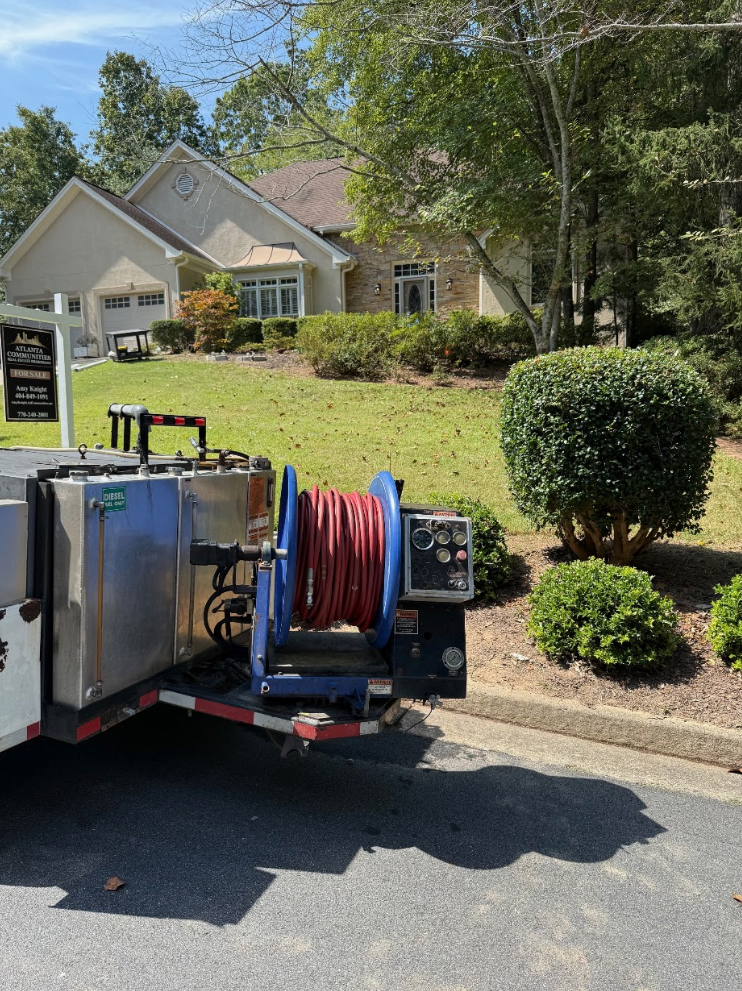
If you’ve had the same drain cleared two or three times in a year, you’ve probably wondered why it keeps coming back. The usual answer isn’t that the plumber did a poor job — it’s that the method used was designed to restore flow, not to clean the pipe. Those are two different outcomes, and the difference explains most recurring drain problems in older Marietta and East Cobb homes.
Here’s how hydrojetting differs from snaking, when each one is appropriate, and why it matters more in this area than in most.
What Snaking Does
A drain snake, or cable machine, feeds a rotating steel cable into the line until it reaches the obstruction, then bores through it. Water starts flowing again, often within minutes. For a straightforward clog — a grease plug in a kitchen line, hair in a tub trap — that’s exactly the right tool, and nothing more is needed.
What it doesn’t do is clean the pipe. It creates a channel through the blockage. Whatever was coating the pipe wall on either side of that channel is still there, which is why the drain often slows again within weeks.
What Hydrojetting Does
Hydrojetting uses high-pressure water — typically 3,000 to 4,000 PSI — delivered through a specialized nozzle that directs streams both forward and backward. The forward jets cut through the obstruction; the rear-facing jets scour the pipe wall and flush debris back toward the cleanout. The result is a line cleaned wall to wall rather than punctured down the middle.
That’s the entire distinction, and it’s the reason a properly hydrojetted line stays clear so much longer. The accumulation isn’t bypassed — it’s removed.
Why This Matters Specifically in Older Cobb County Homes
A large share of Marietta, East Cobb, and Smyrna homes built before 1990 have cast iron drain lines, and cast iron ages in a way that makes this difference acute.
Over 35 to 55 years, the interior surface of cast iron corrodes and roughens. Scale develops, progressively narrowing the effective diameter of the pipe. That rough interior then catches grease and debris far more readily than smooth pipe would, so accumulation compounds. By the time a cast iron line in a 1970s or 1980s home starts producing recurring backups, the interior may be operating at a fraction of its original capacity.
Run a cable through that line and you get a channel through decades of scale. It works — briefly. Hydrojetting removes the scale itself, which is why it produces a meaningfully different result in these homes.
When Each Method Is the Right Call
- Snaking is appropriate for: an isolated, first-time clog in a single fixture, a recent grease plug, hair in a trap, or restoring flow quickly during an active backup before further diagnosis.
- Hydrojetting is appropriate for: recurring blockages that keep returning after clearing, multiple slow drains at once, years of grease accumulation in a kitchen line, significant scale in older cast iron, and thorough root removal rather than trimming.
A useful rule of thumb: if the same drain has been cleared more than once and keeps coming back, you’ve confirmed that clearing alone isn’t solving it.
One Important Caution
Hydrojetting is safe and effective on structurally sound pipe, including PVC and cast iron in reasonable condition. It is not appropriate for a line that’s already badly compromised — severely cracked sections, major joint offsets, or pipe walls deteriorated to the point of fragility. High-pressure water can worsen existing damage.
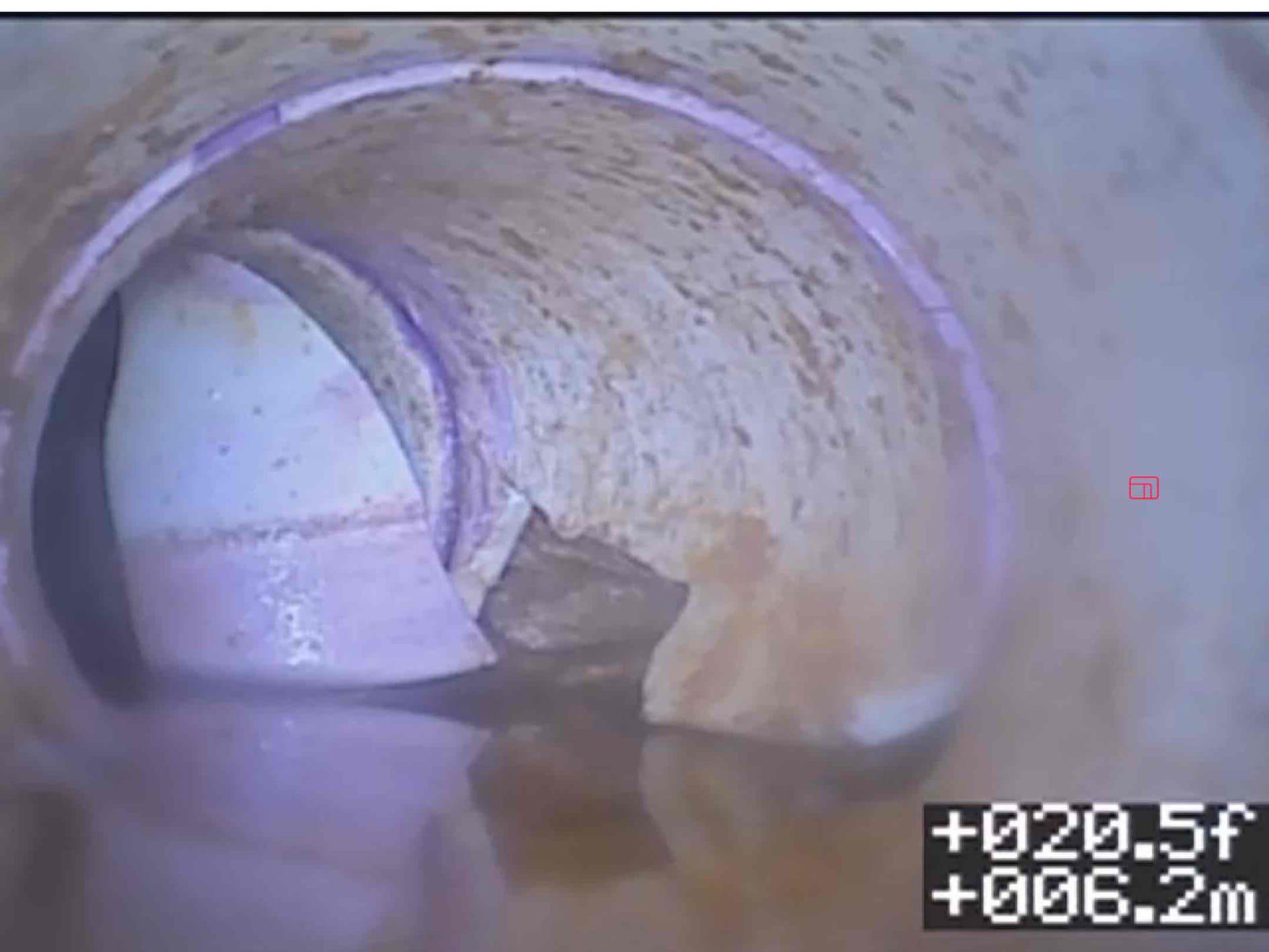
This is why we recommend a sewer camera inspection before hydrojetting an older line, or any line where there’s reason to suspect structural problems. It takes under an hour, it shows the actual condition of the pipe, and it turns the decision into an informed one. We’d rather tell you a line isn’t a candidate for jetting than cause a problem chasing a faster result.
What Hydrojetting Won’t Fix
Worth being straightforward about this. Hydrojetting removes what’s inside the pipe. It cannot correct the pipe’s condition or position. If the camera reveals a bellied section holding standing water, an offset joint, or a crack letting roots in, cleaning gives you temporary improvement while the underlying cause remains.
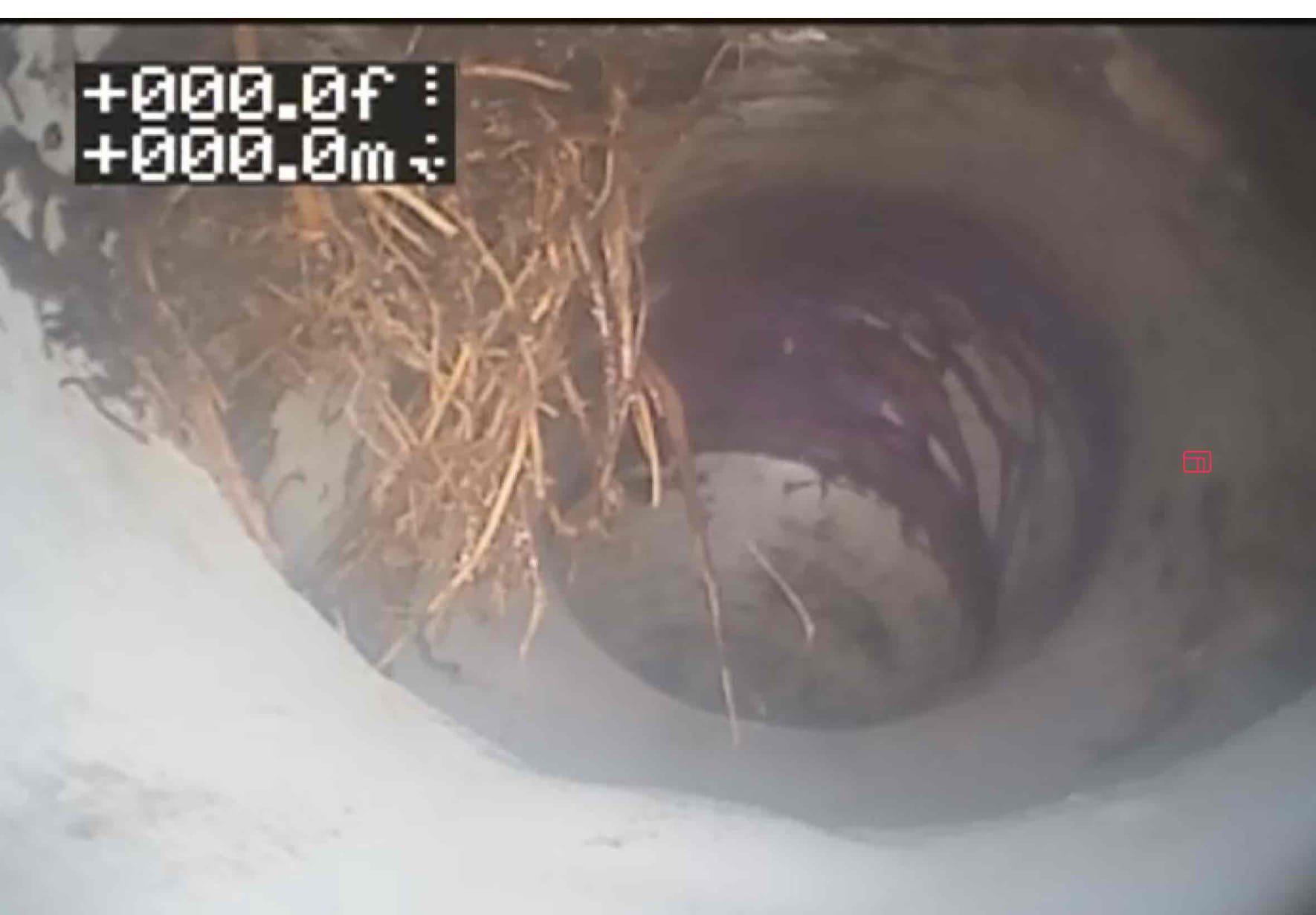
In those cases the durable answer is repair — trenchless pipe patch repair for contained damage, sealing the entry point without excavating your yard, or targeted section replacement where deterioration is more extensive. Flat-rate pricing is quoted before any work begins.
Call us 24/7 at (770) 999-9871 or book online. Serving Marietta, East Cobb, Smyrna, Vinings, Sandy Springs, and Cumberland.

 Your Privacy Choices