
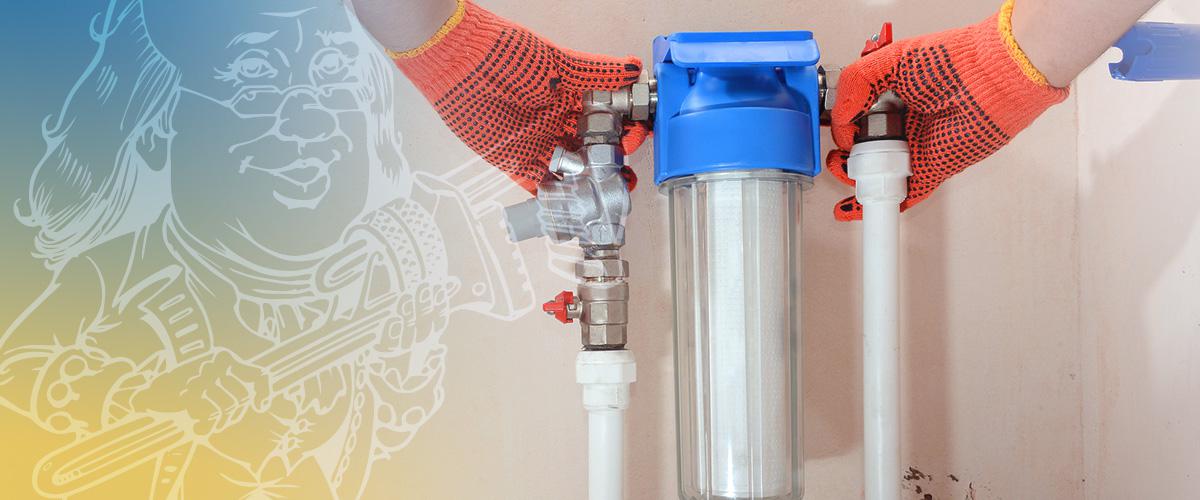
Your tap water may look clean, but is it hiding contaminants? Greenville water starts its journey to your tap from the Table Rock Reservoir, the North Saluda Reservoir, and Lake Keowee. While these natural sources provide high-quality source water, impurities can form or enter during treatment. Chemicals, disinfection byproducts, and sediment can impact the quality of the water you use daily.
Water filtration systems help remove chlorine taste and odor, as well as mineral buildup, for cleaner, safer water. Find out what's in your tap water and whether a water filtration system is a smart investment for your home.
Local Water Quality Issues That Filtration Systems Address
Greenville's water consistently meets state and federal water quality standards. However, “legal” may not mean “100% safe.” Research by the Environmental Working Group (EWG) has detected pollutants in tap water that exceed recommended health guidelines. These are the top water quality concerns:
Chloramines
Adding ammonia to chlorinated water creates chloramines. Utilities have used chloramines to disinfect drinking water since the 1930s. While safe in regulated levels up to 4 mg/L, chloramines present risks for kidney dialysis patients.
It can also harm aquatic pets like fish, amphibians, or reptiles. Chloramines may accelerate corrosion in older lead or copper plumbing systems. A high-quality activated carbon system works as a chloramine water filter for Greenville water.
Chlorine
While Greenville Water relies on chloramines, the water supply does include some chlorine. The disinfectant helps control a slimy layer that can build up inside pipes, where germs can grow. In addition to giving drinking water a chemical taste and smell, chlorine can accelerate corrosion in aging plumbing pipes and water heaters.
Disinfection Byproducts
When chloramine or chlorine reacts with natural organic matter in water, it can create disinfection byproducts (DBPs). These regulated disinfection byproducts include:
- Bromate
- Haloacetic acids (HAA5)
- Chlorite
- Total trihalomethanes (TTHMs)
Consuming DBPs above EPA standards over many years may increase health risks.
Well-Water Contaminants
Private well water in Greenville County faces specific water quality concerns, such as:
-
Iron and manganese: Iron can leave orange-red stains on your sinks and clothes, and manganese can create dark black stains. A multistage approach, such as combining a whole-house sediment filter with an air-injection oxidation (AIO) filter, is often effective for removing iron from well water in Greenville.
-
Radon: An aeration device or a granular activated carbon (GAC) filter is a common point-of-entry option for reducing radon in well water.
-
Low-pH water: Acidic groundwater in the Piedmont region can corrode your home's copper pipes, leaving blue-green stains on your fixtures. Pairing a water softener with the right filtration system helps address mineral hardness and specific impurities.
-
Hydrogen sulfide: Sulfur and decaying organic matter in groundwater, or bacteria inside the well, can release hydrogen sulfide gas. Treatment options include GAC filters, catalytic carbon, or aeration systems, depending on the concentration level.
Sediment
Utilities treat tap water to remove natural sediments, but specks of sand, mineral scale, and silt can still slip through. While most of these particles aren't harmful if ingested, some can carry bacteria. They can also affect the taste, smell, and clarity of your drinking water.
Why Invest in a Water Filtration System?
Home water filtration systems protect your plumbing, improve drinking water quality, and extend the lifespan of appliances. Here are the top six benefits:
1. Safer Drinking Water
A home water filtration system can give you safer, cleaner drinking water. Depending on the type of system you choose, it targets specific contaminants, such as iron, chlorine, or bacteria.
2. Cost Savings
The money you save can help offset the cost of installing a water filter in Greenville. Rather than buying bottled water, you can get purified drinking water straight from the tap. Since filtered water prevents scale buildup in your pipes and appliances, you can also save money on plumbing repairs.
3. Environmental Protection
Many plastic bottles end up in waterways, where they can harm marine life and can take hundreds of years to break down. By filtering your tap water at home, you lower your carbon footprint and help reduce household plastic waste.
4. Improved Taste and Smell
Filtration systems can help remove sulfur, chlorine, and metallic sediments from your water. Clean, odor-free water enhances the natural taste of your coffee, tea, and home-cooked meals.
5. Healthier Skin and Hair
Hard water and chlorine can contribute to dryness or irritation for some people, while repeated exposure to chlorinated water may affect the hair’s feel and appearance. Filtering your water may support a more comfortable showering experience.
6. Extended Appliance Lifespan
Hard minerals cause scale buildup, leading to frequent breakdowns and reduced energy efficiency. Installing a whole-house water filter in Greenville can help prevent mineral deposits from building up inside water-reliant appliances, such as dishwashers, washing machines, or water heaters.
Signs That You Need a Water Filtration System
If you experience any of the following, a water filtration system could be the ideal solution:
-
Bad taste or smell: A chemical or chlorine taste, a metallic flavor, or a rotten-egg odor can mean your water has unwanted contaminants.
-
Discoloration or cloudiness: Brown, yellow, or reddish water points to rust or iron. Milky or cloudy water often indicates trapped air or excess minerals.
-
Visible sediment: Floating specks, sand, or dirt in your glass may indicate debris entering your pipes.
-
Stains and scale: White crust on faucets or chalky spots on dishes are clear signs of mineral buildup. Iron in water may cause red or orange stains on laundry and sinks.
-
Skin and hair issues: Dry skin or brittle hair after showering may indicate high levels of chlorine or hard minerals.

Types of Water Purification Systems
An experienced local plumbing company can match the system to your specific water quality needs. Point-of-use systems treat water for a single tap. Whole-home or point-of-entry systems treat most of the water entering your home. Your options include:
Whole-House Carbon Filtration Systems
These point-of-entry systems treat all the water entering your home by removing chemical contaminants. They effectively address the chlorine taste and odor often found in Greenville's municipal tap water.
Reverse Osmosis (RO) Systems
Plumbers install these point-of-use systems right under the kitchen sink. They move water through a semipermeable membrane to reduce microscopic contaminants. RO filters remove heavy metals, dissolved solids, and trace pollutants such as per- and polyfluoroalkyl substances (PFAS). Local providers often recommend them for pure drinking and cooking water.
Water Softening Systems
While the region's public water is naturally soft, homes with private wells often experience mineral scale. Ion-exchange softeners combat this problem. They replace the harsh calcium and magnesium ions with sodium or potassium ions. This process helps prevent the damaging buildup of scale on your plumbing fixtures, water heaters, and household appliances.
Sediment Pre-Filters
These systems act like a fine physical strainer to catch dirt, rust particles, silt, and sand before they can enter your pipes. They are useful for well water systems in the Upstate region to protect more expensive downstream filters from clogging.
Enjoy Cleaner, Better-Tasting Water With Benjamin Franklin Plumbing® of Greenville
Need a plumber for water filtration in Greenville? Benjamin Franklin Plumbing delivers effective water treatment solutions that address local water quality concerns. We serve homeowners across the Upstate region, including Downtown, North Main, Eastside, and nearby communities.
Whole-home, reverse osmosis, or water softener systems — we install them all. Background-checked technicians help protect your home while providing service backed by a satisfaction guarantee. You see the price before work begins, so you can approve the job first.
Request your appointment online or call 864-973-9355 today.


 Your Privacy Choices