A sump pump is your basement's first line of defense against flooding, but even the most reliable system can fail without regular maintenance. Learn why routine maintenance is essential for sump pump protection, what professional service involves, and the warning signs that indicate it's time to call in an expert for a system evaluation.
The Importance of Preventive Sump Pump Care
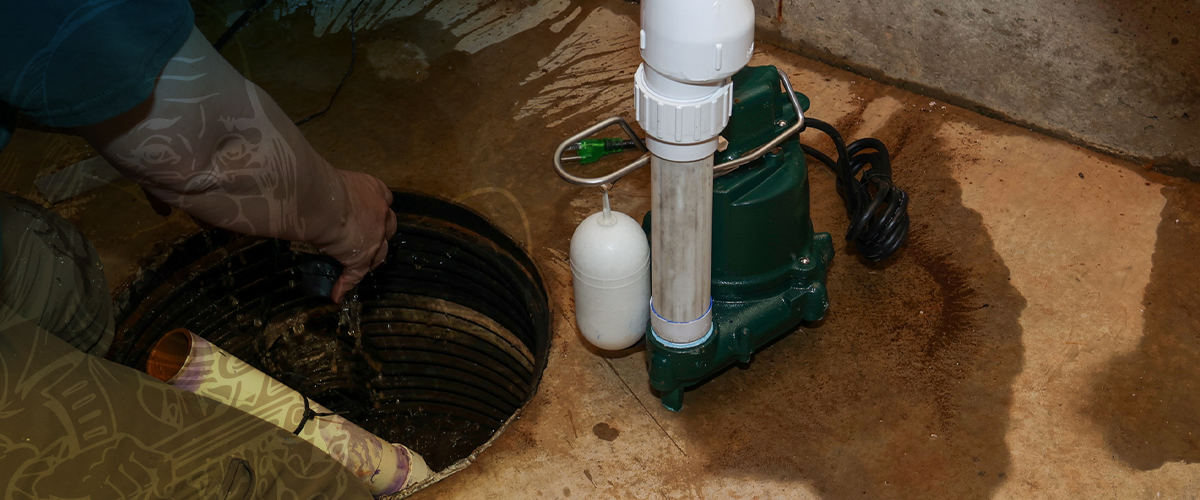
A sump pump collects water from heavy rain, rapid snowmelt, or high groundwater that accumulates around your foundation and routes it safely away from your home. It protects basements from flooding and reduces the risk of structural damage and other moisture-related issues, such as mold. Regular sump pump maintenance ensures the system performs efficiently when needed and can even extend its lifespan. It involves evaluating how well the system's components are working and taking action early if repairs are needed.
Scheduling professional service once a year is often enough for most sump pumps, but properties with a history of basement flooding or in areas with a high water table benefit more from biannual checks.
A trusted local plumber who understands your local weather and seasonal water challenges can provide sump pump maintenance tips to help you determine the right maintenance frequency for your property. You might also want to consider a plumbing maintenance plan that includes general plumbing inspections and health checks to make sump pump care easier.
What Professional Sump Pump Maintenance Involves
Professional sump pump maintenance includes a complete system inspection, cleaning, and performance test to make sure your system is prepared to handle heavy water flow when the next storm arrives.
Inspecting and Testing Key Components
Your plumber will test the following components during maintenance:
-
Float switch: The float switch triggers the pump when water reaches a certain level in the pit. If it sticks in the off position, the pump won't activate even as water rises around it. Your technician tests the float switch to ensure it moves freely and triggers activation at the correct water level.
-
Pump motor: The pump motor does the actual work of moving water out of your basement. Your plumber listens for abnormal sounds such as grinding or rattling that indicate worn bearings or damaged components. They verify that the motor engages reliably at the correct water level and doesn't cycle on and off constantly, which wears out the system prematurely.
-
Battery backup system: This system keeps your pump working even when the power goes out. Power outages and storms frequently occur together, so your plumber confirms the battery backup operates correctly and holds a sufficient charge to run the pump during an extended outage.

Cleaning the Pit and Pump
Debris, sediment, and grit naturally accumulate in the sump pit over time, especially in areas with soil runoff or nearby construction activity. If left unchecked, this buildup clogs the intake screen, forces the motor to work harder, and can shorten the pump's lifespan significantly.
Cleaning your sump pump keeps your home dry and extends the life of your equipment. As part of professional maintenance, your plumber removes the pump from the pit, clears sediment and debris from the pit floor, and thoroughly cleans the intake screen to restore full water flow. This cleaning ensures the pump can handle high water volume during heavy storms without strain. A clean system operates more efficiently and responds faster when water levels rise.
Checking the Discharge System
The discharge line carries water away from your home after it leaves the pump. If it's clogged or has a faulty check valve, water can flow back into the sump pit instead of draining away. As a result, the pump runs constantly but never actually drains the system, placing unnecessary stress on the motor.
During routine maintenance, your plumber inspects the discharge pipe to ensure it is free of obstructions, including ice that may form during winter. They also confirm the pipe directs water far enough away from your home's foundation to prevent it from returning. The technician also inspects the check valve, which prevents water from flowing backward into the pit after the pump shuts off. When the check valve fails, the pump cycles constantly, wearing out the motor prematurely and wasting energy.
When to Schedule a Professional Sump Pump Evaluation
Routine professional maintenance is ideal before the rainy season begins. However, if you notice any of the following warning signs, don't wait for your scheduled annual appointment. Book a professional maintenance inspection immediately, and your plumber will let you know whether a repair or total replacement is the better solution:
-
Age: Most sump pumps provide reliable service for about 7-10 years with proper maintenance. Even if an older unit still runs, it may not be as reliable as a new one. A professional can tell you when to replace your sump pump after performing a thorough inspection of your system's condition.
-
Unusual noises and vibrations: Grinding, rattling, or squealing sounds often point to worn bearings, a damaged impeller, or other mechanical problems.
-
Runs constantly or not at all: A sump pump that never shuts off or fails to start when water is added to the pit usually indicates a problem with the float switch, check valve, or motor. You need an expert's help to understand why the system runs continuously and how to restore it to proper operation.
-
Frequent power trips or overheating: If your sump pump regularly trips the circuit breaker or overheats, it may have an electrical issue or a motor that is beginning to fail.
-
Visible rust and corrosion: Rust or corrosion on the pump housing can weaken the unit and reduce its reliability. As corrosion spreads, important components may fail unexpectedly when the pump is working hardest during a storm.
-
Strange smells: A musty or rotten smell coming from the pit area could indicate moisture or mold. This sign often indicates the pump isn't clearing water properly, or that water is sitting stagnant in the pit long enough to develop odors and create an unhealthy environment.
-
Slow draining or water backflow: Standing water in the pit during normal conditions indicates the pump isn't activating when it should, or has lost capacity and can't keep up with even minimal groundwater infiltration. This problem will only worsen during heavy rain.
Prevent Basement Flooding With Benjamin Franklin Plumbing® of Greenville
Benjamin Franklin Plumbing makes sump pump maintenance simple for Greenville homeowners through our Club Membership Program. Members receive an annual plumbing health and safety inspection plus priority scheduling for service appointments. We also provide 24/7 sump pump repair, cleaning, and installation services whenever needed.
Speak with an expert about our sump pump services or schedule sump pump maintenance online. We have 24/7 emergency availability, and every service is backed by our workmanship guarantee.


 Your Privacy Choices