1. Introduction
That faint hissing sound coming from your bathroom isn't just annoying, it could be costing you hundreds of gallons of water a day.
A running toilet is one of the most common plumbing problems homeowners face, and it's also one of the easiest to ignore. The toilet still flushes. Nothing appears broken. Life goes on. Meanwhile, water continues flowing through the tank 24 hours a day, quietly increasing your utility bill with every passing hour.
The good news? Most running toilet problems are caused by a handful of simple components inside the tank. In many cases, you can identify the issue by removing the tank lid, listening carefully, and performing a few basic checks. A worn flapper, a faulty fill valve, an improperly adjusted float, or mineral buildup can all prevent the toilet from shutting off properly after a flush.
For Redmond homeowners, hard water can make these problems even more common by accelerating wear on rubber seals and valve components.
This guide will walk you through exactly why a toilet keeps running, how the internal tank components work, the most common causes of continuous water flow, and which fixes you may be able to handle yourself.
We'll also explain when it's time to stop troubleshooting and call a licensed Redmond plumber to prevent wasted water, higher bills, and potential plumbing damage.
2. Why a Running Toilet Is a Bigger Deal Than It Sounds
A running toilet may seem like a minor annoyance, but it can waste thousands of gallons of water and increase your monthly water bill if left unrepaired.
The Water Waste Adds Up Fast
A running toilet can waste hundreds to more than 2,000 gallons of water each day, depending on the leak. According to the EPA's WaterSense program, leaking toilets are one of the most common sources of household water waste. Many homeowners don't notice the problem because the toilet still flushes normally. A faint hissing sound or an occasional refill may be the only warning before higher water bills appear.
It Can Indicate a Bigger Problem
A worn flapper or faulty fill valve is often the cause, but continuous running can also point to a cracked tank, damaged overflow tube, or another failing internal part. Fixing the problem early can reduce water waste, lower repair costs, and help prevent more serious plumbing issues.
3. How a Toilet Tank Actually Works
Understanding how a toilet tank works makes it easier to identify why it keeps running. Most toilets rely on a few simple parts that work together after every flush.
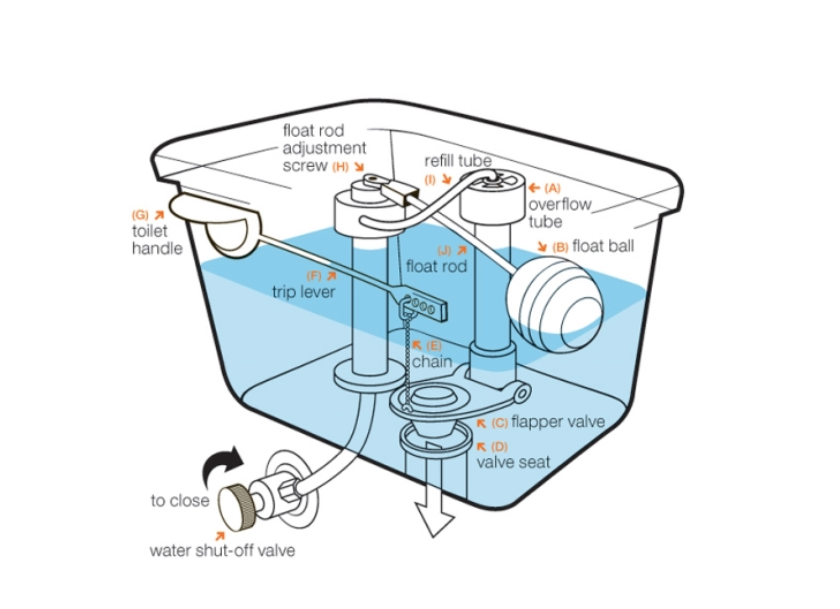
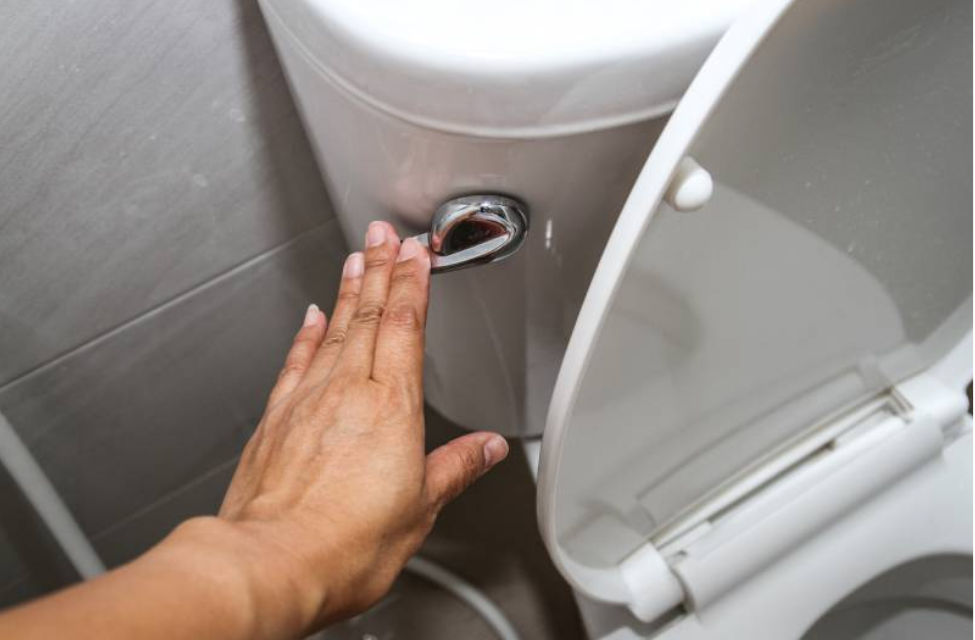
When you press the flush handle, a chain lifts the flapper, allowing water to flow from the tank into the bowl. As the water level drops, the float lowers and opens the fill valve, which refills the tank.
As the tank fills, the float rises. Once the water reaches the correct level, the fill valve shuts off, and the toilet is ready for the next flush.
If the toilet keeps running, one of three problems is usually to blame. The flapper is leaking water into the bowl, the fill valve is not shutting off properly, or the water level is high enough to flow into the overflow tube. Identifying which part is failing is the first step toward fixing the problem.
4. Common Causes of a Running Toilet
Most running toilets are caused by a worn, damaged, or misadjusted part inside the tank. Use the table below to identify the most common causes, understand what's happening, and see whether the repair is usually a simple DIY fix.
|
Cause |
What's Happening |
DIY Fix? |
|
Worn Flapper Valve |
The rubber flapper no longer creates a watertight seal, allowing water to slowly leak from the tank into the bowl. The fill valve then keeps cycling to replace the lost water. |
Yes, usually an inexpensive replacement part. |
|
Faulty Fill Valve |
The fill valve fails to shut off completely after the tank refills, causing water to continue flowing into the tank. |
Sometimes, depending on the valve type and condition. |
|
Float Set Too High |
The water level rises above the intended fill line and drains into the overflow tube continuously. |
Yes, typically a simple adjustment. |
|
Overflow Tube Issue |
A damaged, cracked, or improperly sized overflow tube allows water to escape even when the tank appears full. |
Sometimes, replacement may be necessary. |
|
Flush Handle or Chain Problem |
A chain that's tangled, too tight, or too loose prevents the flapper from seating properly after a flush. |
Yes, often a quick adjustment. |
|
Mineral Buildup |
Hard water deposits interfere with the movement or sealing of valves and rubber components inside the tank. |
Sometimes. Cleaning may help, but replacement is occasionally required. |
|
Cracked Tank or Internal Component |
Hairline cracks or damaged internal parts allow water to escape continuously and can worsen over time. |
No. Professional diagnosis is usually recommended. |
5. The Most Common Cause: A Worn Flapper Valve
A worn flapper valve is the most common reason a toilet keeps running.
The flapper is the rubber seal at the bottom of the tank. After each flush, it closes to keep water in the tank. Over time, the rubber can crack, warp, or collect mineral deposits, preventing it from creating a complete seal. Water slowly leaks into the bowl, causing the fill valve to keep refilling the tank.
The good news is that replacing a flapper is usually quick, inexpensive, and requires only basic tools.
To check if the flapper is leaking, add a few drops of food coloring to the tank and wait about 10 minutes without flushing. If colored water appears in the bowl, the flapper is no longer sealing properly and should be replaced.
6. Fill Valve Problems
If the flapper isn't causing the problem, check the fill valve. Its job is to refill the tank after each flush and shut off once the water reaches the correct level. When it wears out, water may continue flowing into the tank and spill into the overflow tube, causing the toilet to run continuously.
Common signs of a faulty fill valve include a constant hissing sound, water moving inside the tank when the toilet hasn't been flushed, or the tank refilling every few minutes.
Older toilets often have ballcock-style fill valves, while newer models use float-cup designs. Both can wear out over time and may need replacement.
Replacing a fill valve is a common DIY repair using a universal replacement kit. If you're not comfortable disconnecting the water supply or want to make sure the installation is leak-free, it's best to call a plumber.
7. Float Adjustment and Overflow Tube Issues
If the flapper and fill valve are working properly, check the float and overflow tube.
Float Set Too High
The float controls when the fill valve shuts off. If it's set too high, the tank overfills and excess water drains into the overflow tube, causing the toilet to run continuously.
This is often an easy fix. Most toilets let you adjust the float with a screw, adjustment rod, or clip. The water level should sit about one inch below the top of the overflow tube.
Overflow Tube Problems
The overflow tube prevents the tank from overflowing, but a cracked or damaged tube can also cause a running toilet. Although less common than flapper or fill valve problems, it's worth checking if other adjustments haven't solved the issue.
If the overflow tube is damaged or you can't identify the source of the problem, a plumber can inspect the toilet and recommend the appropriate repair.
8. Redmond's Hard Water and Toilet Component Wear
In Redmond, hard water can cause toilet parts to wear out faster. Minerals such as calcium and magnesium leave deposits inside the tank that affect how flappers, fill valves, and other components work.
Over time, mineral buildup can prevent a flapper from sealing properly or stop a fill valve from shutting off completely, causing the toilet to run continuously.
Regularly inspecting the tank and cleaning away light mineral deposits can help extend the life of these parts. If components are heavily coated or worn, replacement is usually the better solution.
If your toilet develops the same running problem again after a repair, hard water buildup may be contributing to the issue.
9. DIY Fix or Call a Plumber? How to Decide
Many running toilet problems can be fixed with a simple repair, but some require professional attention.
Reasonable DIY Fixes
Start by replacing the flapper, adjusting the float, or checking the flush chain. These repairs are inexpensive, take only a few minutes, and solve many common running toilet problems.
When to Call a Licensed Plumber
If the toilet keeps running after those repairs, the problem may involve the fill valve, overflow tube, or a damaged tank component. You should also call a plumber if you notice water around the base of the toilet, signs of water damage, or a higher water bill that doesn't improve after repairs.
For older toilets with multiple worn parts, replacing the internal components or installing a new toilet may be the most cost-effective solution. If you're not comfortable working with the water supply line or shutoff valve, hiring a plumber can help prevent leaks and ensure the repair is completed correctly.
11. Conclusion
A running toilet is one of the easiest plumbing problems to fix when it's caught early. Unfortunately, it's also one of the easiest problems to ignore. The toilet still works, the leak isn't always visible, and the sound eventually fades into the background. Then the water bill arrives.
Whether the issue turns out to be a worn flapper, a simple float adjustment, a failing fill valve, or a more significant internal problem, addressing it quickly can help reduce water waste and prevent larger repairs down the road.
At Benjamin Franklin Plumbing, our Redmond technicians diagnose toilet problems every day. From quick component replacements to more complex repairs, we focus on finding the source of the issue and fixing it correctly the first time. And true to our name, we respect your schedule by showing up when promised.
Need help today? Book same-day plumbing service to get your bathroom back to normal and stop unnecessary water waste before it costs you more.

 Your Privacy Choices