
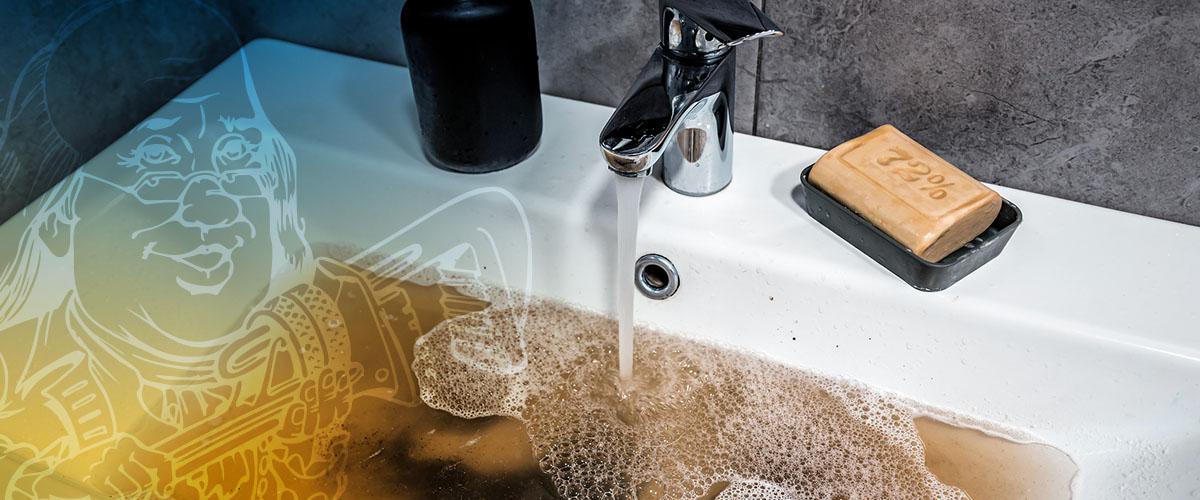
The moment sewage backs up into a drain, toilet, or floor, everything about your day changes. What should be a routine flush or shower turns into standing water where it doesn't belong, a smell that won't clear, and a decision that can't wait.
A sewage backup occurs when wastewater reverses course and backs up into a home or business through drains, toilets, or floor drains instead of flowing away as it should. Addressing sewer issues before winter can help you catch cracks, root intrusion, or buildup before they turn into a backup. Understanding what causes sewage backups in your home, what they put at risk, and exactly who to call can make all the difference in protecting your home or business.
What Causes a Sewage Backup?
A sewage backup in your house rarely happens without warning. Specific conditions develop over time in your pipes or in the nearby municipal sewer system, and recognizing them helps you understand your own risk. Commercial properties with heavy drain usage often feel the effects sooner than most homes. Here's what typically leads to a backup:
- Blockages and buildup: Grease, fats, oils, wipes, and paper towels accumulate inside pipes over time, hardening and restricting flow until wastewater has nowhere to go but back toward your building.
- Tree root intrusion: Tree roots grow toward moisture underground, and small cracks in sewer pipes offer an open invitation. Root intrusion is considered a leading cause of sanitary sewer overflows, and it’s especially common in older neighborhoods because of Greenville’s mature tree canopy.
- Aging or damaged sewer lines: Over time, cracked, corroded, or shifted sewer lines set the stage for a backup. Between 23,000 and 75,000 sanitary sewer overflows occur each year in the U.S., excluding backups inside buildings. Catching cracks or corrosion early often means the difference between a straightforward sewer line repair and a full line replacement down the road.
- Heavy rain and municipal sewer overload: Even a well-maintained private line can be at risk when nearby public sewer lines become overwhelmed during heavy rainfall, causing wastewater to back up into private lines. A recent New York City study found that heavy rain caused 54% of confirmed sewer backups, with grease accounting for another 33%.
The Risks of a Sewage Backup at Home or at Your Business
A sewage backup carries serious health, financial, and operational consequences that grow more severe the longer the problem goes unaddressed. Understanding what's at stake helps you act with urgency instead of waiting to see if it clears up on its own.

Health Hazards for Your Family, Employees, and Customers
Sewage contains bacteria, viruses, protozoa, and helminths, pathogens that can cause serious illness through skin contact, inhalation, or accidental ingestion. Sewage exposure can cause illnesses ranging from mild gastroenteritis to life-threatening conditions like cholera, dysentery, and infectious hepatitis. Children, elderly individuals, pets, and immunocompromised people face the greatest danger.
The CDC advises avoiding contact with contaminated water, as exposure to sewage can quickly spread illness. For a business, a sewage event also creates immediate liability and exposure to health code violations.
Property and Structural Damage
Sewage backup contaminates everything it touches, from flooring and drywall to insulation and furniture. Flooring, wallboard panels, upholstered furniture, and other contaminated materials must be replaced entirely, since most porous surfaces cannot be cleaned. Mold can begin to grow within 24–48 hours if the area isn't properly dried.
For a homeowner, that's an unexpected expense. For a business owner, it means downtime and potential closure, often requiring professional environmental services for full remediation. When damage is beyond repair, sewer line replacement may be the only lasting fix and can help prevent recurring damage.
Business Disruption and Compliance Risks
In a commercial setting, a sewage backup can trigger mandatory closure, health code violations, and regulatory action, depending on the business. The reputational impact can outlast the physical damage itself. Sound risk management means treating sewer maintenance and a commercial emergency plumbing partner as an essential part of your business continuity plan.
What to Do and Who to Call When Sewage Backs Up
Discovering a sewage backup in your home or business is stressful, but taking the right steps immediately matters more than almost anything else you'll do that day. Whether you're dealing with a slow drain that finally gave out or a sudden flood, the process for handling a sewage backup follows the same reliable path.
Immediate Steps to Take
The moment you discover a backup, take these steps right away:
- Stop using all water in the building immediately: Avoid flushing, running sinks, doing laundry, or running the dishwasher until the issue is resolved.
- Keep people and pets away from the affected area: Contact with sewage can spread illness, so distance is your best protection.
- Do not attempt to clean or handle raw sewage on your own: Safe removal requires professional-grade equipment and training.
- Call a licensed plumber right away: Reduce water use immediately, including flushing, dishwashing, and laundry, until the system is professionally inspected.
Why a Licensed Plumber Should Be Your First Call
Sewage backup calls for a licensed professional every time. Resolving the root cause requires specialized tools, including sewer cameras, hydrojetting, and trenchless repair options, along with the training to use them safely.
Upstate homeowners and business owners searching for sewer line repair in Greenville can reach a local team at any hour, day, or night, thanks to 24/7 emergency plumbing services designed for situations like this.
Our team handles your service from diagnosis to repair, so you know who to call for the plumbing side of the problem. Septic system owners have local options, too, since septic services in Greenville address backups caused by a failing tank or drainfield rather than a municipal line.
How to Reduce Your Risk of Sewage Backup Before Winter
Not every sewage backup can be prevented, but smart, proactive steps significantly reduce your risk before winter weather makes sewer issues harder to handle. Consider these prevention steps:
- Schedule a professional sewer line inspection before winter: A camera survey can reveal cracks, root intrusion, or buildup. Scheduling a drain inspection catches small problems early.
- Never pour grease, fats, or oils down any drain: Avoid flushing wipes or paper towels as well, since these are common causes of blockages.
- Clear gutters and downspouts regularly: Regular cleaning keeps storm drainage from overwhelming your sewer connection.
- Know where your sewer cleanout is located: This small bit of preparation saves time if a backup occurs.
- Don't ignore slow drains or gurgling sounds: These early warning signs are worth addressing. If an inspection reveals damage beyond repair, local sewer line removal and replacement restores your system's reliability.

Contact Benjamin Franklin Plumbing® of Greenville for Sewer Backup Services
When sewage backs up, Greenville and Upstate homeowners and business owners trust Benjamin Franklin Plumbing of Greenville to respond promptly and fix the problem right. Our licensed, background-checked plumbers are available 24/7 for residential and commercial emergencies, and every job is backed by our guarantees, including a two-year warranty on all work and a lifetime workmanship guarantee on installations.
Benjamin Franklin Plumbing was named Forbes' Top-Ranked Plumbing Company of 2024 and stands behind every job with an on-time guarantee — if there's any delay, we'll pay you!* Act now and schedule your appointment online or call us at (864) 671-0687 before a small sewer issue turns into a winter emergency.

 Your Privacy Choices