
The rain finally stops, and you head downstairs expecting the usual quiet basement, but instead you find water pooling across the floor, soaking into boxes, and creeping toward the walls. For a moment, you freeze, unsure what to touch first or who to call. That hesitation is normal, but it doesn't have to last. You can protect your home and your family with a clear plan.
What to Do in the First Few Hours
These immediate damage-control steps start the moment you spot standing water, and order matters — safety first, then documentation, then cleanup. Emergency plumbers can address plumbing-related sources of flooding once they arrive, including sump pump failures and sewer backups. While help is on the way, here are the steps you can take to minimize damage and stay safe.
1. Call Benjamin Franklin Plumbing® of Greenville
If your basement flooded during a storm, your first call should be to Benjamin Franklin Plumbing of Greenville. Our 24/7 emergency plumbing services are available any time, no matter when the water shows up. Every technician is background-checked and continuously trained to diagnose the real source of your flooding, whether that's a failed sump pump or a cracked supply line.
You'll also get up-front pricing before any work begins, and an On-Time Guarantee backs every visit. The Environmental Protection Agency recommends drying water-damaged areas within 24 to 48 hours to help prevent mold growth, so the sooner a technician arrives, the better your odds of avoiding a bigger problem.
2. Shut off Power to the Affected Area
Before you go into a flooded basement, shut off power to that area at your electrical panel, since water and electricity together can be deadly. Shut off the main breaker if you're not sure which one controls the basement. If the panel itself sits in a wet or flooded spot, stay out and wait for a trained technician instead. Electrocution is the second-leading cause of death during floods. Electrical current travels easily through standing water, so this step is essential.
3. Stop the Water Source if You Can
Next, figure out where the moisture is coming from. Water pooling near a corroded fitting under a utility sink or behind the water heater usually points to a supply line failure or burst pipe that calls for leaking pipe repair. Shutting off your main water supply valve can stop it from getting worse. A source that's clearly external, such as surface runoff or a drain backing up, has no valve to close, so you can move straight to the next steps.
If the water looks or smells like sewage, treat it as contaminated and stay clear, leaving the cleanup to a trained technician equipped to handle it safely.
4. Document the Damage Before Cleanup Begins
Before you move anything or start cleaning up, photograph and video the entire affected area — walls, floors, furniture, appliances, and any belongings in the water's path. This documentation supports your proof of loss when you file a claim. Standard homeowners' policies typically don't cover this kind of water damage, as flood coverage usually requires a separate policy through the National Flood Insurance Program.
Not sure where you stand? Check your Greenville County floodplain status. If you do have flood coverage, start your claim as soon as possible using the NFIP's flood recovery checklist, which outlines exactly what to document before cleanup begins.
5. Begin Removing Standing Water
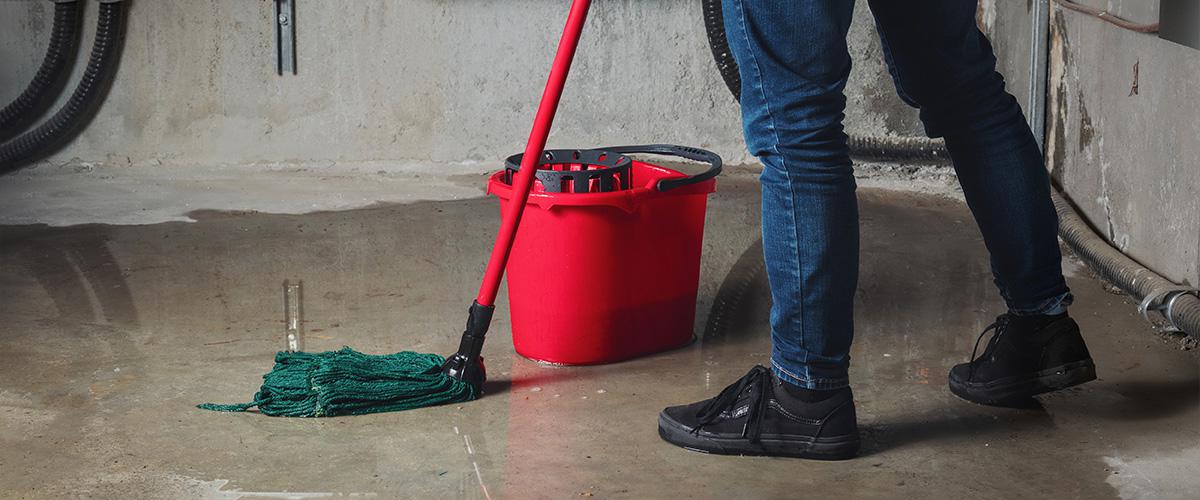
Once the power is off and you've confirmed that the water is uncontaminated, it's safe to start removing minor standing water with a wet/dry vacuum or a mop and bucket. The EPA's flooded home cleanup guidance calls for drying the area within 24 to 48 hours to limit mold risk. Skip the fans if mold has already appeared, since running them before cleaning visible growth can spread spores rather than clear them away.
Open a window or door for ventilation where it's safe. If the water is deep, wait for professional help before pumping it out. Removing water too quickly can cause walls to buckle from the sudden change in pressure.
Common Causes of Residential Flooding After a Storm

Understanding why your basement flooded helps you protect your home before the next storm, and it gives a technician a head start on diagnosing the right fix.
Overwhelmed Storm Drains and Catch Basins
Greenville's stormwater system can become overwhelmed in heavy rain, sending water into low-lying areas and through window wells or walkout basement entries faster than drains can handle it. Greenville County averages 50 inches of rain annually, so this kind of strain on local infrastructure isn't unusual. This cause sits largely outside your control, but you can have a technician inspect your home's drainage access points and floor drains to catch vulnerabilities before the next big storm.
Sump Pump Failure
Your basement sump pump serves as the main defense against rising water. During a severe storm, it can fail from motor burnout, a power outage, or simply too much volume for its capacity. Once it stops working, water has nothing left to hold it back. A battery backup system or water-powered backup pump keeps the system running even when the power goes out, which is worth discussing with a technician before the next downpour.
Sewer Line Backup
During a powerful storm, heavy and sustained rain can push Greenville's municipal sewer system past capacity, reversing the flow of wastewater back through private lines and into basement floor drains. This water carries sewage and poses a genuine health hazard, so steer clear and leave the cleanup to a trained technician.
The RAND Corporation found that homes with repeated flooding see higher rates of mold growth and respiratory issues among occupants. If wastewater comes up through a basement drain, a technician can inspect the private sewer line for damage or blockages and discuss prevention options like a backwater valve. If the backup points to an overloaded municipal system, you may also need to contact the local utility for guidance.
Foundation Cracks and Hydrostatic Pressure
When heavy rain soaks the soil around your home, that saturated ground can press against your basement walls and floor. That pressure can push water through hairline cracks in concrete or through a weakened joint where the wall meets the floor, causing slow seepage or sudden water with no obvious plumbing source. An inspection can pinpoint these entry points. A technician can also check nearby floor drains for clogs or drainage issues that may slow water removal.
Call Benjamin Franklin Plumbing of Greenville for 24/7 Emergency Flood Help
When your basement floods, you need emergency plumbers who show up ready to work. Benjamin Franklin Plumbing of Greenville answers calls around the clock. Every technician is background-checked and continuously trained to get to the actual cause, not just the mess on the surface. You'll also know the cost before any work starts.
Don't wait for the problem to get worse. Book online or call Benjamin Franklin Plumbing of Greenville for emergency plumbing service now.


 Your Privacy Choices