
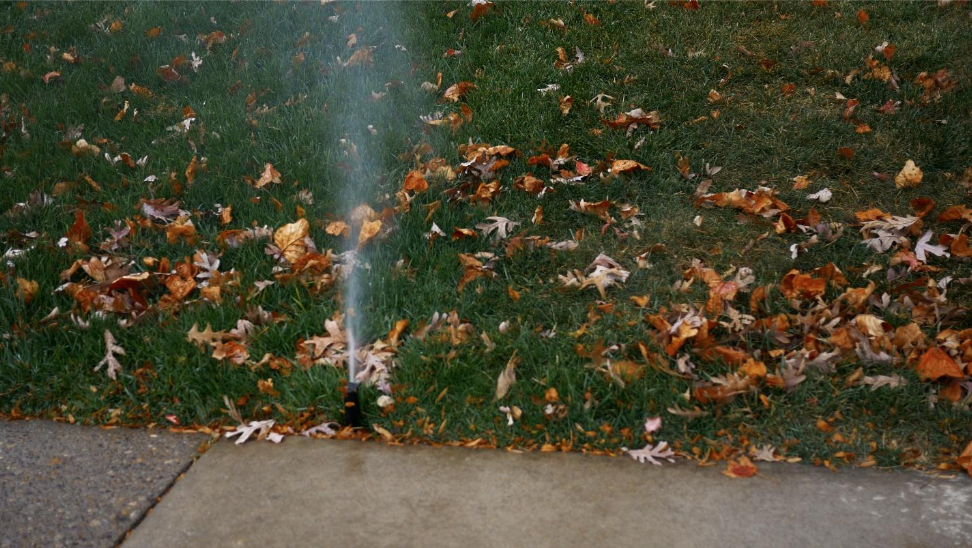
Key Takeaways About Outdoor Plumbing Problems
Outdoor plumbing problems are the common leaks clogs and breaks that affect yard fixtures and buried lines. This summary is for homeowners and property managers preparing outdoor systems before fall and early freeze cycles.
- Identify wet spots muddy soil or sudden lawn depressions early.
- Prevent freeze damage by draining and insulating exposed spigots.
- Avoid water waste by testing valves and repairing slow leaks.
- Spot irrigation failures by running one zone and watching closely.
- Reduce drainage backups by clearing grates and checking downspouts.
- Plan professional inspections when odors pressure loss or sinkholes appear.
Introduction
Outdoor plumbing problems often show up in fall when softer ground, falling leaves, and cooling temperatures stress pipes and fixtures. Small leaks can become larger as roots shift and water freezes in cooler parts of the day. Yard faucets, irrigation lines, and hose bibs commonly reveal damage first. Homeowners notice wet spots, muddy soil, or odd smells near outdoor plumbing.
Leaves and debris clog outdoor drains and trap moisture against pipes, which increases corrosion and makes leaks harder to spot. Aging supply lines and exposed shutoff valves face temperature swings that weaken seals and joints. A slow drip that runs all night may signal a failing valve or hidden crack. Early signs matter because outdoor failures can lead to flooding and higher water bills.
Fall also brings more rain and less sunshine, and prolonged damp conditions accelerate deterioration around fixtures and cleanouts. Standing water near the foundation or saturated soil under patios can stress sewer cleanouts and drains. Visible rust, puddles after light rain, or a sudden drop in yard grade can point to outdoor plumbing problems. Addressing these signs before freezing reduces repair scope and secondary damage.
Homeowners in Florence, South Carolina and properties in Dillon, South Carolina should watch for timing patterns like leaks that worsen overnight or after storms. Professionals diagnose these issues by checking supply lines, shutoff valves, cleanouts, and pressure readings to confirm causes. Paying attention to sounds, smells, and visible wetness helps prioritize repairs. Taking action now limits winter risk and prevents more invasive fixes later.
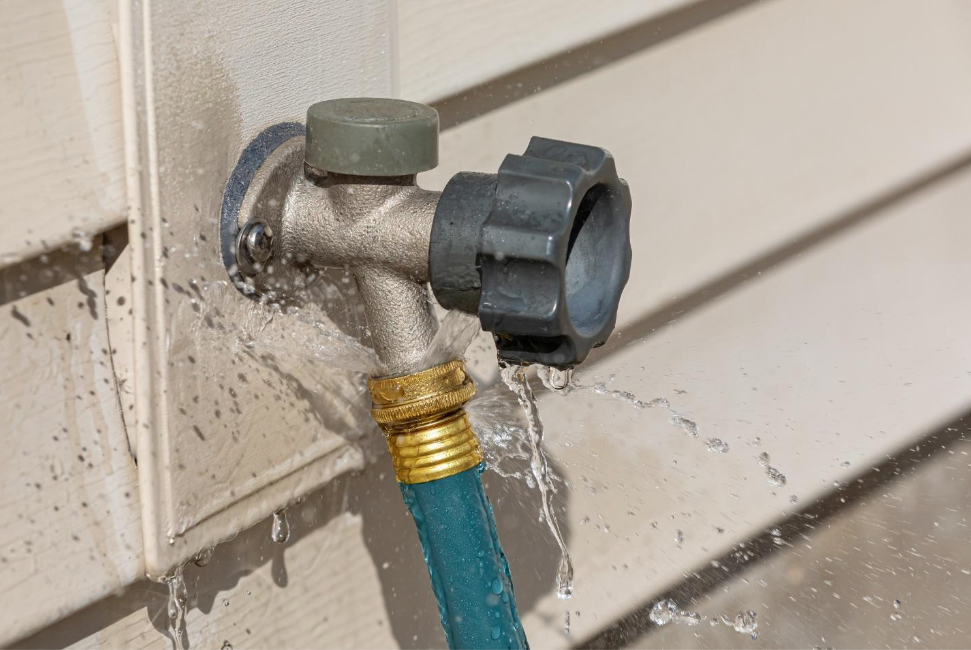
Photo from iStock - Credit: JJ Gouin
Common Outdoor Plumbing Problems Explained Why It Happens
Common outdoor plumbing problems are the typical leaks, clogs, and breaks that occur around yard fixtures and water line problems that affect water pressure. Roots, ground movement, and aging materials commonly cause slow leaks and sudden breaks near irrigation and supply lines. Homeowners often ask whether a wet spot means a burst pipe, visible pooling usually does indicate a leaking supply or irrigation line. A clear homeowner question answer: if water appears after using irrigation, suspect a line break or leaking zone valve.
- Leaking hose bibs cause steady puddles.
- Irrigation valves fail and allow constant flow.
- Sprinkler line cracks create soggy lawn patches.
- Drain cleanouts clog and back up during rain.
Soil freezing is less common early fall, but daily temperature swings still shift shallow pipes and joints. Corrosion and UV exposure weaken PVC and metal fittings over seasons and open hairline cracks. Fallen leaves and sediment build around cleanouts and vents, blocking drains and hiding slow leaks until larger issues appear. A professional uses a pressure gauge and visual inspection to confirm whether a fixture holds pressure or shows active seepage.
Visible clues include muddy soil that stays wet, unusual lawn growth, or low water pressure inside the house after outdoor use. Odors near a yard drain or gurgling sounds during or after irrigation suggest partial blockages or sewer venting problems.
Faulty Irrigation Systems Causes and When to Repair
Irrigation systems fail in fall for several specific reasons that differ from simple wear. Zone valves can leak internally after long use, allowing slow flow that keeps soil wet. Sprinkler heads may crack from ground shifts and freeze-thaw stress, misdirecting water and creating soggy patches. Motorized controllers can also short when exposed to damp wiring, causing zones to run unexpectedly or fail entirely.
Diagnosis starts with observing when and where the wetness appears during the irrigation cycle. A homeowner can run one zone at a time while watching for active leaks at joints, valves, and risers. A professional would add pressure testing with a gauge and inspect valve manifolds for hairline cracks or seal failure. They may also use a moisture meter or visual dye to pinpoint subsurface leaks without excessive digging or disturbance.
Repair timing depends on leak severity and risk to landscaping or foundations, so act before recurrent rain or colder nights worsen the problem. Minor valve seat replacements and head realignment can be done quickly to stop wasted water. Larger tasks like replacing PVC segments or buried solenoid valves require excavation and component matching to maintain system balance and pressure. Homeowners in Florence, South Carolina should prioritize repairs if wet areas appear near foundations or walkways.
Consider replacement when repairs repeat or when control components age beyond their expected lifespan, which reduces reliability. Upgrading to freeze-resistant components and adding accessible shutoff valves simplifies winter prep and future diagnostics.
Hose Bibs and Spigot Leaks How It Works and Fixes
Outdoor hose bibs and spigots commonly leak at the packing nut, the washer, or the valve seat when seals wear from seasonal use. A homeowner may hear a steady drip or notice a damp foundation spot after using a garden hose. These symptoms may also raise a broader question: what causes unexplained wet areas in your yard? To diagnose the source, a professional will close the inside shutoff, drain the line, then operate the bib while watching for movement at joints and listening for persistent flow. They often use a pressure gauge and visual inspection to determine if the issue is seal wear or a corroded valve body.
Frozen or partially frozen hose bibs can split internally where metal weakens, producing intermittent leaks that worsen overnight during temperature drops. Technicians check for hairline cracks by running a dye test or applying a moisture meter near the connection to find hidden seepage. Repair options include replacing the packing screw and washer, swapping the entire hose bib, or repairing the supply stub-out if corrosion reaches the pipe. If multiple fixtures show similar corrosion, professionals may recommend inspecting the supply line and shutoff valve for wider deterioration.
Leaking spigots also cause backflow risks when check valves fail or when hoses remain attached during pressure changes, which can draw contaminants toward the home. A plumber will test backflow potential and may cap or install a vacuum breaker to prevent contamination if codes or risk justify it. Simple homeowner steps include removing hoses after use, closing interior shutoffs, and insulating the spigot to reduce freeze stress on seals and joints. For more complex repairs or part matching, consult the irrigation and exterior fixture guidance on this leak repair services page.
In a common situation, a homeowner sees water dripping only at night while the spigot otherwise appears dry and calls a pro to investigate. The technician will monitor pressure with a gauge, inspect the packing nut tightness, and check the supply shutoff for seepage to confirm the fault. For homeowners in Florence, South Carolina and properties in Dillon, South Carolina, replacing a worn hose bib before freeze cycles prevents larger pipe or foundation damage. If you suspect internal cracks or repeated leaks, contact a licensed plumber since digging or pressurized repairs carry safety risks.
Sprinkler Line Breaks Warning Signs and Immediate Actions
Wet, sinking patches in the lawn that appear between irrigation cycles often point to a damaged lateral sprinkler line under shallow soil. Homeowners might hear a faint hissing near a sprinkler head or see unusually lush grass in a tight area that stays soggy. A quick homeowner check is to run one zone and watch for active bubbling or steady flow from a broken connection. If water pools despite valves being closed, treat the spot as a likely underground leak until proven otherwise.
- Look for soggy, warm soil.
- Watch for uneven sprinkler operation.
- Check for bubbling at low points.
- Note sudden increases in water use.
- Listen for hissing near heads.
A professional diagnoses a suspected break by isolating the zone, conducting a pressure test, and inspecting the manifold and risers visually. Technicians often use a moisture meter or careful excavation to confirm the leak location without unnecessary digging. They may also run a dye test or temporarily cap lines to see if pressure holds in recorded readings. These steps help decide whether a simple coupling repair or a longer pipe replacement is required.
Immediate homeowner actions focus on stopping flow, protecting landscaping, and limiting water waste before the pro arrives. Shut off the irrigation system at the controller and then at the main irrigation shutoff when available to prevent continuous flow. Avoid running heavy equipment or compacting the wet area, and move potted plants away from saturated soil to prevent root loss. For properties in Dillon, South Carolina, document the location with photos and record when the problem began to help the technician plan repairs.
If the break is small and fittings are accessible, a repair may be a short PVC splice or replacement of a damaged flex line, but larger breaks need excavation and pipe matching. A licensed plumber will check shutoff valves, check valves, and zone pressure to confirm repair success and watch for pressure drops after work.
Drainage Blockages in Yard Why They Occur and Solutions
Yard drainage blockages often form where surface drains, catch basins, or French drains collect leaves and sediment during fall rains. Blocked outlets cause slow drainage that leaves puddles and soft soil away from irrigation zones. Homeowners may notice water pooling after light storms or slow runoff along driveways and low spots. A basic homeowner check is to lift visible grate covers and look for trapped debris that can be cleared by hand or a small trowel.
Subsurface blockages occur when roots invade drain pipes or when sediment settles inside perforated drain lines and collapses flow paths. Symptoms include a persistent wet patch that does not respond to surface clearing and new plant growth over the clogged area. A professional would probe the line, run a camera inspection, and measure flow at the cleanout to confirm the blockage location. These diagnostic steps provide recorded footage or written report evidence to decide between cleaning and replacement.
Cleaning options vary with cause and access, jetting and mechanical augers clear many sediment or root blockages without excavation. For root intrusion, a plumber may follow cleaning with targeted repairs such as pipe lining or replacing short segments to prevent repeat intrusion. If a collapsed drain or heavily silted French drain is found, excavation and replacement with proper slope and gravel backfill restore long-term performance. Homeowners should avoid pouring chemical drain treatments outside because they can harm soil and landscaping instead of solving the physical obstruction.
After clearing, technicians check outlet elevation and slope to ensure water moves away from structures and does not pool near foundations. Installing leaf guards or accessible catch-basin inserts reduces future clogging and makes seasonal maintenance easier for homeowners. For properties with recurring issues, a professional inspection can include pressure checks, camera footage, and suggestions for rerouting surface flow away from problem areas. Homeowners in Florence, South Carolina and Dillon, South Carolina should document recurring wet spots and consider scheduled drain cleanings before heavy fall leaf drop to prevent backup and erosion.
When blockages are near building cleanouts, professionals test for sewer backup risk and may recommend backwater valves to protect interiors from overflow. A plumber will inspect the cleanout, use a pressure gauge, and run a camera to confirm whether sewer lines or yard drains cause backups. If trenching is needed, they match pipe material and slope measurements to local best practices to prevent repeat issues.
Underground Pipe Damage Causes When to Call a Pro
Underground pipe damage often starts where joints or fittings meet different materials, causing leaks that move slowly through soil. Homeowners may see depressions forming over a few weeks where soil settles into voids left by escaping water. A professional inspects by exposing joints, measuring pressure across the run, and using a moisture meter to locate the highest saturation. If sewer gases or strong odors appear, call a licensed plumber immediately because that indicates sanitary line damage and health risks.
Corrosion and chemical attack can thin buried metal pipes and lead to pinhole leaks that show as recurring wet spots without obvious breaks. Technicians check for material mismatch, sacrificial anodes, or stray electrical currents that accelerate corrosion during diagnosis. They may perform a pressure decay test, inspect accessible cleanouts, and review any recorded footage from a camera run to confirm internal pipe condition. Repairs range from localized splices to sectional replacement depending on pipe material and surrounding soil access.
Tree root intrusion frequently enters through small cracks or loose joints and enlarges damage as roots thicken and move with soil moisture cycles. A plumber will use a camera inspection to see root patterns, then decide between mechanical cutting, chemical root control, or replacing the affected segment and sealing joints. For persistent root problems near trees on properties in Dillon, South Carolina, rerouting or lining the pipe can reduce repeat excavation. After repair, technicians verify success with a pressure test and documented video of the cleared section.
Impact damage from tools, construction, or frost heave can offset buried lines and stress fittings until they fail, sometimes without immediate surface signs. During a professional assessment, the team locates shutoffs and cleanouts, measures static and dynamic pressures, and may excavate minimal test pits to inspect alignment and bedding. A written report with photos and pressure traces helps homeowners decide whether to patch or replace based on long-term risk. If the excavation reveals compromised bedding or repeated settling, recommend full replacement to avoid recurring leaks.
Winterizing Exterior Fixtures Step by Step Homeowner Tasks
Start by shutting off the exterior water supply at the indoor shutoff and draining lines through outdoor spigots to remove standing water. Close interior valves, open hose bibs, and operate taps until flow stops to help prevent trapped water. Cover exposed spigots with insulated covers to reduce heat loss and protect packing nuts from freeze stress. If you cannot reach the shutoff, schedule a professional to avoid working on pressurized lines without proper tools.
- Disconnect and store hoses.
- Open and drain hose bibs.
- Insulate exposed pipes and valves.
- Cap or protect backflow devices.
- Label shutoffs for winter access.
Next, inspect and winterize irrigation manifolds by turning off the controller and draining the zone lines according to the system type. Use built-in manual drains or the system's main drain to purge water from lateral lines and valves. For systems with automatic blowouts, a professional should perform the compressed-air purge to avoid over pressurizing PVC. Record which zones held water during the drain so you can address trapped pockets in spring.
Protect aboveground components like pressure-reducing valves and exposed PRVs by wrapping them with insulation and securing loose fittings with tape. Check accessible cleanouts and caps, remove debris and ensure they seal tightly to keep freezing water out. A plumber diagnosing winter issues will pressure-test the run, inspect shutoff valve seating, and use a moisture meter to find trapped water after winter.
Preventive Maintenance Checklist for Outdoor Plumbing Problems
Create a seasonal checklist that runs once in early fall and again before the first hard freeze to catch emerging outdoor plumbing problems. Include inspecting visible joints, operating shutoffs, and testing hose bibs for slow leaks while lines are depressurized. Note which fixtures have corrosion or loose packing nuts so you can prioritize repairs before colder weather. Keep a dated photo record of issues to compare year-to-year and support professional assessments.
Add checks for irrigation controllers and valve manifolds that differ from summer routines so you find stuck zones or electrical faults early. Cycle each zone briefly with the controller off to verify manual operation and listen for hissing, which suggests leaking diaphragms or solenoids. Mark any zones that hold water after shutdown to flag trapped pockets needing attention. Schedule professional blowouts for systems that show retained water rather than attempting high-pressure air yourself.
Verify drainage paths and cleanout access without digging to reduce the risk of disturbing buried lines or creating voids that lead to sinkage. Lift accessible grates and remove leaves so runoff flows away from foundations and low spots remain clear. For recurring saturation zones, measure and record soil moisture or slope changes that a plumber will use for diagnosis.
Test outdoor shutoffs and backflow prevention devices by slowly operating them and watching for steady pressure holds and audible leaks that indicate worn seals. Consider backflow preventer service for safer household water if an inspection indicates the device needs professional attention. A professional will confirm using a pressure gauge, moisture meter, or camera inspection if visible tests suggest deeper leaks. Keep replacement parts on hand such as washers, packing screws, and spare spigots to speed simple repairs when safe to do.
End the checklist with clear decision points: repairable by homeowner, requires licensed plumber, or urgent shutoff needed to avoid damage. Define what counts as urgent, such as sewer odors, large sinkholes, or continuous pressurized flow after shutoffs close. If you see these signs, contact Benjamin Franklin Plumbing of Florence, SC for professional assistance, since improper interventions can worsen leaks or create safety hazards. Maintain the checklist annually and update it with inspection reports to reduce future repair scope and unexpected costs.

 Your Privacy Choices