Key Takeaways About Water Line Problems
Water line problems are common causes of low or fluctuating household water pressure. This summary is for homeowners and property managers who notice weak flow or warning signs and need quick next steps.
- Identify where low pressure occurs and when it happens most.
- Prevent scale buildup by inspecting aerators and water heater regularly.
- Avoid using fixtures when you suspect a hidden leak to limit damage.
- Spot corrosion signs like discolored water or metallic taste quickly.
- Reduce pressure issues by testing the pressure reducing valve and meter.
Introduction
Low water pressure is more than an annoyance when showers sputter and washing machines take longer to fill. Hidden leaks, pipe corrosion, and mineral buildup all reduce flow and cause uneven pressure throughout a home. Aging or damaged water lines can suddenly drop pressure or create gradual declines homeowners first notice at fixtures. For properties in Florence, SC these problems can also lead to higher water bills and unexpected damage if left unaddressed.
Leaks inside walls or under slabs often start small but affect overall household pressure as water diverts from supply lines. Corrosion inside metal pipes narrows the pathway and limits flow even when supply remains steady. Mineral deposits from hard water cling to pipe interiors and to faucet aerators reducing pressure at fixtures. Owners in Darlington, SC commonly report low pressure that traces back to buildup or failing sections of supply piping.
Supply disruptions beyond the property can reduce pressure suddenly and create intermittent symptoms at taps and appliances. A failing pressure-reducing valve or a problematic check valve can cause low or fluctuating readings at the house main. Visible signs such as sputtering faucets, weakened shower flow, and noisy pipes usually point to water line problems. These symptoms matter because they affect daily comfort and can indicate leaks that risk structural damage over time.
Diagnosing the cause requires observing where and when pressure drops occur and checking visible components like shutoff valves and exposed supply lines. A professional plumber will use pressure gauges, inspect the pressure-reducing valve, and perform leak detection to confirm the issue. Early detection limits damage and helps decide whether repair or pipe replacement is the right step. If you notice persistent low pressure, a timely inspection can prevent more serious problems down the line.
How Leaks Reduce Household Water Pressure
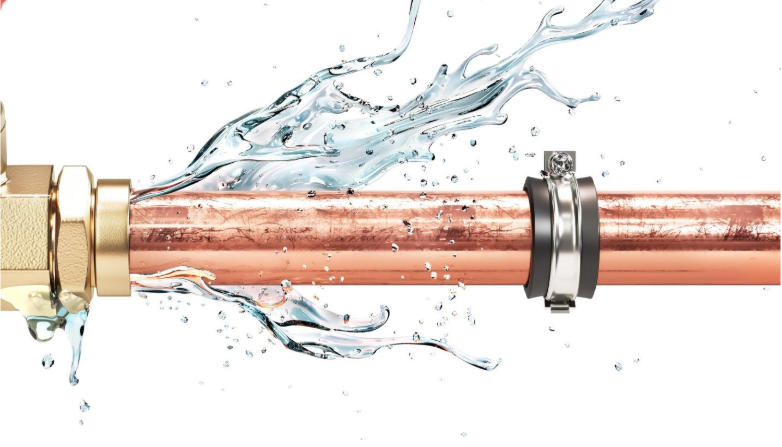
Leaks are openings or cracks where water escapes from supply pipes before reaching fixtures.
A small leak diverts flow and lowers pressure at multiple fixtures at once, which homeowners often notice during peak use. A common question is whether a single leak can reduce whole-house pressure, and the answer is yes when the leak is on the main supply or a branch feeding many fixtures. Visible signs that suggest a leak is affecting pressure include steady damp spots, unexplained meter movement, or gurgling sounds in pipes. Homeowners in Florence, SC should also watch for sudden yard wetness or sinkholes that indicate leaking underground supply lines.
- A large leak quickly drops pressure at every fixture.
- Multiple small leaks together can cause gradual pressure loss.
- Leaks near the meter still reduce indoor pressure.
- Hidden leaks under slabs shift water away from supply lines.
Inside-wall leaks often cause uneven pressure where some fixtures remain strong while others weaken, helping isolate the problem area. A plumber will use a pressure gauge and shutoff valve checks to see if pressure falls when fixtures are closed, which helps confirm a leak. They may also perform a dye test at toilets or check recorded water meter readings with all appliances off to detect hidden flow. In Darlington, SC, older homes with original supply lines sometimes show this pattern as fittings loosen and create slow leaks.
When a leak diverts flow, pressure-reducing valves and check valves may respond unpredictably, causing fluctuating readings at the house main. Professionals inspect the PRV and supply piping and may use noninvasive acoustic leak detection tools to pinpoint locations without unnecessary demolition. After locating a leak, options include repairing the fitting, replacing a damaged pipe section, or rerouting the supply line depending on access and pipe condition. If you suspect a leak is lowering pressure, schedule a professional inspection to confirm the cause and prevent further damage.
Corrosion In Pipes: Why It Happens and Fixes
Corrosion happens when metal pipe interiors chemically react with water and dissolved oxygen, gradually thinning the wall and roughening the bore. As rust and mineral-laden particles form, they flake and lodge downstream, reducing the cross-sectional area that carries water. This buildup raises friction inside the pipe and cuts fixture flow even when the municipal supply remains steady. Homeowners may notice rusty water or a metallic taste, which often accompanies internal corrosion long before major pressure loss appears.
Common culprits include older galvanized steel and iron pipes that lack modern protective linings, plus stray electrical currents that accelerate wear. Water chemistry affects the rate of corrosion, with acidic or low-mineral water sometimes increasing metal loss. Affected sections often show localized narrowing, which creates uneven pressure at different fixtures. For properties in Florence, SC, corrosion can progress silently in concealed areas like basements or crawlspaces, suggesting prompt inspection when discolored water appears.
To confirm corrosion, a plumber will inspect exposed piping, test water chemistry, and use a pressure gauge to map flow at the main and branches. They may open a fitting to visually check the interior or run a camera through accessible lines to record footage of pitting and scale. Measuring pressure before and after isolating sections helps pinpoint narrowed runs that cause drops at specific fixtures. Technicians often include written reports and photos with their findings to support repair decisions.
Fixes depend on extent and location, ranging from replacing short corroded segments to repiping broader sections with copper or PEX that resist rust. In-place lining systems may work for some metallic mains but require professional assessment to ensure long-term flow restoration. When corrosion has compromised valves or the pressure-reducing valve, those components receive replacement to restore stable readings. Homeowners in Darlington, SC should weigh repair scope and expected lifespan when deciding between targeted repairs and full repiping to prevent recurring water line problems.
Mineral Buildup in Pipes How It Works
Mineral buildup forms when dissolved calcium and magnesium precipitate out of hard water and adhere to pipe interiors. Over time these deposits create rough, uneven surfaces that reduce the effective diameter and increase flow resistance. As scale thickens, friction losses rise and more energy is required to push the same water volume through the pipe. Homeowners often do not see this until pressure drops at fixtures served by the affected run.
Deposits prefer slow-moving sections, such as horizontal runs, low spots, and inside elbows where flow slows and particles settle. Water heaters, aerators, and showerheads also trap minerals, which worsen localized pressure loss. A plumber may inspect these components and remove aerators or disassemble fittings to reveal heavy scaling. In some cases, the presence of white or chalky residue at fittings signals significant internal buildup upstream.
To diagnose mineral-related restrictions, professionals use a pressure gauge, flow rate measurement, and visual inspection of accessible piping and fixtures. They may run a camera through larger lines or measure pressure before and after isolating sections to locate narrowed segments. Simple checks include timing how long a tank or fixture takes to fill and comparing that to expected values for common fixtures. These steps help determine whether cleaning, targeted replacement, or more extensive repiping will restore proper flow.
Treatment options include mechanical descaling, replacement of scaled sections with PEX or copper, and addressing the source by installing a water softener where appropriate. Mechanical descaling removes scale but may not prevent recurrence without water conditioning. For properties in Florence, SC a softener can reduce new deposits and prolong pipe life when hard water is a contributing factor. Homeowners in Darlington, SC should decide between targeted repairs and broader changes based on scale extent and future maintenance preferences.
Aging Pipes and Gradual Pressure Decline
As pipes age, joints loosen and internal linings wear, which reduces flow even without obvious leaks or heavy scaling. Small diameter reductions from decades of wear can cause steady pressure decline at distant fixtures and appliances. A professional will check the main shutoff, measure static and dynamic pressure, and inspect accessible joints to assess overall pipe condition. In Florence, SC homeowners often combine visual checks with pressure readings to decide if targeted repairs will suffice.
- Inspect visible pipe joints for movement.
- Measure pressure at the house main.
- Check for uneven pressure at distant fixtures.
- Look for slow but steady declines over months.
Older materials like galvanized steel and early copper installations may develop multiple restricted segments that together reduce flow. Technicians use a pressure gauge, isolate branches, and sometimes run a camera to confirm where diameters narrow or fittings fail. They also test the pressure-reducing valve and any accessible shutoff valves to rule out component failure as the main cause. Results from these checks guide decisions between spot replacement and larger repiping projects.
For a practical view, homeowners should note timing and pattern of declines to help diagnosis. In a common situation, a homeowner notices weaker showers only in evening peaks and reports this pattern to the plumber, who then measures pressure during peak use and when isolated branches are closed. That sequence helps the plumber determine whether aging pipes or competing demand inside the house causes the drop. For properties in Darlington, SC this systematic approach often reveals whether repair or phased repiping best restores reliable pressure.
Damaged Water Lines from External Causes
Construction work, tree roots, and ground settling can rupture or kink supply lines, causing sudden drops in pressure at fixtures. Damage often starts where the line passes near foundations or under driveways and shows as a sharp change in flow rather than a slow decline. Homeowners may hear running water in the yard or notice soggy soil while indoor pressure falls at the same time. Affected pipes can leak slowly after initial damage, creating both pressure loss and potential structural issues if not addressed.
Piercing or crushing from landscaping equipment and heavy loads can deform plastic or copper lines, reducing internal diameter and restricting flow. Such external impacts sometimes leave visible surface damage at shallow depths, but many breaks occur under pavement where signs are subtle. A professional will check the main shutoff and measure pressure with a gauge while inspecting accessible service line sections for kinks or dents. They may also expose short sections to look for obvious mechanical damage before recommending repairs.
Root intrusion commonly affects older joints and sewer laterals, but aggressive roots can also press against water mains and fittings, causing hairline fractures. Symptoms include intermittent pressure loss that changes with irrigation schedules or heavy rain, signaling a relationship with soil moisture and root activity. Plumbers use pressure tests and sometimes a localized excavation to confirm root-related damage and determine whether pipe replacement or targeted repair is needed. Repair options vary from sectional replacement to rerouting the service line away from root zones.
When external causes are suspected, a professional will combine visible inspections with diagnostic checks such as meter isolation tests and pressure readings at the service entrance. They may also recommend a short excavation or use a camera where accessible to verify the damage and record findings for a written repair plan. In Florence, SC owners often accept a visible repair path after these steps clarify scope and access needs. For properties in Darlington, SC, timely intervention limits spread and prevents secondary issues like basement seepage or frozen sections in colder months.
Municipal Supply Issues Affecting Home Pressure
Temporary work on city mains or a broken distribution line can sharply lower pressure in a neighborhood, causing weak flow that returns once crews finish. These interruptions may occur without notice and affect only parts of a house served by the same street branch. Homeowners often see reduced flow at fixtures during the utility's repair window and then normal pressure afterward. Recording when pressure drops align with reported municipal outages helps narrow the cause.
Scheduled maintenance may include flushing or valve replacements that change system pressure profiles for hours, sometimes leaving air in household piping after service resumes. Trapped air causes sputtering and uneven flow until purging removes it, which homeowners can often fix by opening multiple faucets and running cold water briefly. If pressure remains low after purging, the issue can stem from a sustained pressure change at the meter or a temporary restriction in the distribution main. Noting the timing and whether neighbors report similar problems guides the next diagnostic steps.
Utility-side pressure reductions may also reveal weaknesses in a home's pressure-regulating equipment such as a failing pressure-reducing valve or a stuck check valve that cannot compensate. A professional will measure static and dynamic pressure at the service entrance and compare readings with expected municipal pressures to confirm where the drop originates. They may also inspect the PRV, shutoff valve, and meter connections for signs of failure or improper adjustment. Written pressure readings help determine whether the remedy is municipal coordination or on-site component repair.
When external supply issues are suspected, a plumber can perform a meter isolation test and use a pressure gauge to trace the problem to either the public main or the homeowner's piping. For properties in Florence, SC and for homeowners in Darlington, SC, providing the utility's outage information speeds diagnosis and avoids unnecessary work. After confirming the source, professionals advise whether the homeowner should contact the water utility or proceed with replacing a faulty PRV or check valve. Clear test results and a simple repair plan help restore reliable household flow with minimal delay.
Warning Signs You Have Water Line Problems
Odd timing or location of low flow often signals specific water line problems and helps prioritize inspection steps. Homeowners may notice pressure drops only during certain hours or only at distant fixtures, which narrows the suspected run. A change in sound, such as persistent hissing or humming near the main, points to pressurized leaks or failing valves needing evaluation. Keep a simple log of when and where pressure falls to give the plumber clear clues before arrival.
- Sudden stair-step pressure loss at multiple fixtures indicates a supply interruption.
- Continuous meter movement with everything off suggests a hidden leak.
- Rusty or discolored water with weak flow signals internal pipe degradation.
- Sputtering after the utility finishes work suggests trapped air or a stuck valve.
Visible wet spots inside walls, damp patches in the yard, or soft ground near the service line imply an active leak requiring prompt action. Fluctuating pressure that improves after shutting off the house main suggests the issue lies inside the property piping. A stuck pressure-reducing valve often produces unstable readings at the service entrance and needs testing with a gauge. When these symptoms appear, document them and be ready to show the plumber where and when you first noticed changes.
Plumbing pros diagnose water line problems using measurable checks like pressure gauge readings, meter isolation tests, and targeted visual inspections. They will compare static and dynamic pressures at the house main and at problem fixtures to locate the restriction or loss. Technicians may remove an aerator or inspect a valve with a tablet camera to confirm internal damage or mineral blockage. Sharing your symptom log and any recent utility notices from Florence, SC can speed up accurate diagnosis and repair planning.
In a common situation, a homeowner reports low evening shower flow and shows recorded times to the plumber who then pressure-tests during peak use. The plumber isolates branches, records gauge readings, and inspects accessible supply lines to determine whether internal narrowing or a failing PRV causes the drop. Written test results and photos inform the repair recommendation and help homeowners decide on spot repairs or broader work. For persistent or unclear cases, professionals may suggest a full inspection and a written plan before starting repairs.
If you spot any of these warning signs, consider scheduling a professional inspection rather than delaying and risking higher damage or bills. A trained technician will produce documented readings and a clear repair path to restore reliable flow. Including photos of visible wet areas and a timeline of when pressure changes began makes their job faster and more accurate. Prompt action reduces the chance of secondary damage and limits the scope of required repairs.
When to Call a Professional Plumbing Service
Call a professional when basic checks and simple fixes do not restore steady water flow, or when multiple fixtures show persistent low pressure. A qualified plumber will perform measured diagnostics such as pressure gauge readings, meter isolation tests, and targeted inspection of the service entrance. These steps confirm whether the problem is inside the house, at the PRV, or on the supply line without guessing. Scheduling an inspection prevents guesswork and limits unnecessary repairs.
If you notice unexplained meter movement, recurring damp spots, or discolored water with weak flow, arrange a professional visit promptly. The technician will test static and dynamic pressure, inspect visible shutoff valves, and may run a camera into accessible lines to check internal conditions. They will provide written test results and photos to explain the cause and proposed repairs clearly. This documentation helps you compare repair options and expected outcomes.
For possible main-line damage from landscaping or settling, a pro can perform isolation tests and brief excavations to locate mechanical faults efficiently. When external service problems seem likely, the plumber will confirm utility-side pressure and advise on whether contacting the water provider is necessary. Homeowners in Florence, SC should share any utility notices during the appointment to speed diagnosis. Clear next steps keep repair scope controlled and predictable.
If repairs require replacement parts or repiping, request a written estimate that lists components, expected timelines, and any guarantees on workmanship. Ask the technician which components they will test after the repair, such as the pressure-reducing valve and accessible shutoffs, to confirm restored readings. For ongoing concerns or complex systems, consider scheduling regular inspections to catch emerging water line problems early. Homeowners in Darlington, SC benefit from documented inspections when planning phased repairs or larger repiping projects.

 Your Privacy Choices