Key Takeaways About Backflow Preventer Service
A backflow preventer stops contaminated water from flowing back into a clean supply. This summary helps homeowners and property managers know when to act and why regular checks matter.
- Identify visible leaks corrosion or loose test port fittings promptly.
- Prevent contamination by keeping records of tests and repairs.
- Avoid fines or service interruptions by meeting testing intervals.
- Spot pressure changes odors or discoloration that signal failures.
- Reduce risk by isolating cross connections and exercising shutoffs.
- Plan professional diagnostics when gauges show improper pressure differentials.
Introduction
Backflow devices stop contaminated water from flowing back into a home's clean water supply. When a device fails, you might notice odd tastes or smells at faucets, or low pressure during yard irrigation. These failures can expose families to health risks and force costly emergency repairs. In communities like Florence, SC the stakes include shared municipal lines and neighbor safety.
Testing intervals and maintenance keep backflow assemblies reliable over time. Without regular checks, valves, seals, and springs wear silently until they fail under pressure changes. Homeowners often miss gradual symptoms like intermittent pressure drops or slow filling appliances. Early attention prevents contamination events and limits disruption to daily water use.
Compliance matters because many water suppliers require proof of testing after installation or repair. Failing to provide records can lead to fines or disconnection in some situations. Reliable documentation also helps when selling a property or resolving disputes about water quality. For properties in Woodland Park, SC meeting local policies can avoid unexpected enforcement actions.
Professional backflow preventer service includes visual inspection, hands-on exercises, and test gauge readings to confirm operation. Technicians look at shutoff valves, check valve springs, and pressure differentials to diagnose issues. If a problem appears, a written report records findings and next steps for repair or replacement. That record gives homeowners clarity about safety and required follow up.

How Backflow Preventers Work and Why It Happens
Backflow preventers are mechanical valves that stop used or contaminated water from flowing back into the clean water supply. These devices sit where a private system connects to the public main or where irrigation and auxiliary systems tie into household plumbing. They work by maintaining a pressure difference and using check valves or air gaps to block reverse flow. Homeowners often ask whether a device can fail without obvious signs, and yes, worn seals or stuck checks can fail silently.
- Check valves stop flow in the wrong direction.
- Shutoff valves isolate the assembly for testing or repair.
- Relief valves release excess pressure to protect the system.
- Test ports accept gauges to measure pressure differentials.
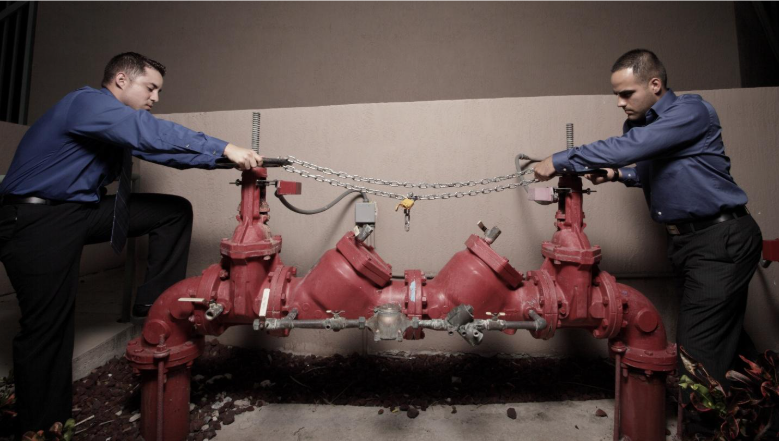
Most backflow assemblies use two check valves in series with test ports between them to prove the unit works. A technician connects test gauges to those ports and records pressure readings to confirm the checks hold under normal and lowered pressure. If readings show leakage past a check valve or improper relief valve operation, the technician notes that in a written report. This test process answers the homeowner question: how do professionals confirm a backflow preventer works.
Backflow happens when the normal water pressure balance reverses due to either backpressure or backsiphonage. Backpressure can occur when pumps or boilers raise pressure on the downstream side above the supply pressure. Backsiphonage can occur during a main break or large draw when supply pressure drops below the system pressure. In Florence, SC and in Woodland Park, SC, understanding these pressure scenarios helps homeowners recognize when risk increases and call for inspection.
Common Causes of Backflow in Residential Systems
Cross-connections are a common cause when a hose, pump, or appliance ties potable water to a non-potable source without isolation. These hidden links let contaminated water find a path back during pressure changes, especially when users attach fertilizer injectors or water softener bypass lines. A technician inspecting for backflow preventer service looks for these connections and asks owners about seasonal equipment. Removing or isolating cross-connections significantly reduces contamination risk at the property connection point.
Equipment that creates backpressure can push treated water backward toward the supply when it runs at higher pressure than the main. Boilers, hydronic heating systems, and some pool pumps can generate such backpressure if not fitted with proper relief devices. Test gauges during a service will measure pressure on both sides of the assembly to identify abnormal downstream pressure. Addressing the source avoids repeated failures of check valves and premature wear.
Banks of irrigation systems or sprinklers often cause backflow through cycling and elevation changes that promote siphon conditions during supply drops. A main break or heavy neighborhood water use can momentarily lower supply pressure and draw irrigation water backward. Technicians confirm this scenario by observing valve operation and using a pressure gauge at test ports while manipulating irrigation zones. Homeowners in Florence, SC should watch for odd timing in sprinkler cycles that could coincide with local supply work.
Valve wear and debris buildup inside an assembly also produces failure modes that lead to backflow events without obvious external causes. Sediment can prevent a check valve from seating fully, and rubber seals degrade with age or chemical exposure. Inspectors use test gauges and visual checks of shutoff valves, relief valves, and test ports to confirm these mechanical issues. For properties in Woodland Park, SC, regular inspections help detect such wear before contamination or mandatory repairs become necessary.
Warning Signs Indicating Backflow Contamination Risk
Unusual discoloration or sudden cloudiness at multiple fixtures can signal contaminated water entering the supply. A homeowner might notice brown or rust-tinted water during first use of the day or after irrigation runs. A technician would sample water and compare readings at supply and downstream points to confirm contamination. Immediate testing helps determine whether the issue is local to a faucet or systemic through the connection.
Persistent chemical or sewage odors at outdoor spigots, hose bibs, or irrigation heads suggest backsiphonage or a failed check valve. Professionals inspect shutoff valves, test ports, and the relief valve for leaks or improper seating when they investigate odors. They may use a pressure gauge at test ports to see if pressure reversals occur during typical usage cycles. Recording those gauge values creates a clear basis for repair or isolation decisions.
Intermittent low pressure that happens when pumps or boilers start can indicate backpressure forcing flow backward toward the supply. A technician diagnosing this would measure downstream pressure while the pump or boiler runs and when it stops to spot pressure spikes. They also check pressure-reducing valves and any connected pumps for malfunction that might raise downstream pressure. Fixing the source often prevents repeated strain on the assembly and extends component life.
Visible water pooling near the assembly, wet insulation on pipes, or dripping around test ports points to seal or fitting failure that could allow contamination. Professionals perform a hands-on inspection of test port fittings and the body for hairline cracks or loose connections during service. They document findings with photos and pressure readings to support repair recommendations and compliance records. Homeowners in Florence, SC and Woodland Park, SC should report these visible signs promptly for timely evaluation.
Routine Testing Intervals for Backflow Preventer Service
Most jurisdictions set routine testing intervals based on the assembly type and exposure risk, so homeowners should track dates carefully. A qualified tester records gauge readings and signs the report after each test for local authority review. Residential irrigation assemblies often require annual testing, while some higher-risk commercial connections may need more frequent checks. Planning tests around seasonal use helps avoid missed intervals and unexpected enforcement actions.
- Annual tests catch gradual wear before failure.
- Post-repair tests verify the assembly returns to serviceable condition.
- Testing after major plumbing changes ensures continued protection.
- Records support property transactions and utility requests.
Technicians determine the next due date from test outcomes and any manufacturer guidance found on the assembly tag. If a check valve leaks or relief valve opens under normal pressure, the tester marks the unit as failed and shortens the next inspection timeline. Homeowners should keep a copy of the written test report and any repair invoices for proof. These documents make it easier to resolve questions from utilities or future inspectors.
In areas like Florence, SC some water providers require specific test intervals or certified tester reports for reactivation after repair. For properties in Woodland Park, SC maintaining an organized test log reduces confusion when seasons or contractors change. If you suspect a missed test or see signs of trouble between scheduled inspections, contact a professional to perform an off-cycle check. Prompt testing limits contamination risk and clarifies whether immediate repairs are necessary.
What Technicians Check During a Service Visit
Technicians begin with a visual and hands-on inspection of the assembly body, shutoff valves, and test port fittings for leaks or damage. They operate the shutoff valves to confirm smooth movement and proper isolation under flow conditions. While working, they note corrosion, hairline cracks, or loose fittings that could affect future test integrity. Photos and written notes document visible defects and condition for the homeowner record.
Next, a tester attaches calibrated gauges to the test ports and records pressure readings to evaluate check valve performance. They perform step-down and step-up pressure checks to see if either check leaks or the relief valve opens improperly. Measured pressure differentials and gauge readings produce objective data used in the written test report. Those recorded values guide whether a component needs repair or replacement at the property connection.
Technicians also inspect connected components like the pressure-reducing valve and any pumps that could cause backpressure when operating. They may ask the homeowner about recent pump starts or irrigation runs to time diagnostic checks with typical system cycles. Observing downstream pressure while cycling equipment helps reveal intermittent backpressure or siphon events. This practical testing finds problems that only appear under normal operating conditions.
For cross-connection control, the technician scans visible plumbing and irrigation ties to identify unprotected connections that raise contamination risk. They will open or close zones and observe whether flow paths allow potential backflow during pressure shifts. If an issue appears, the tester explains corrective options and notes recommended follow-up in the written report. Homeowners in Florence, SC or Woodland Park, SC benefit from keeping that report with service records for future inspections and compliance.
Maintenance Steps Homeowners Can Perform Safely
Homeowners can keep test port fittings clean by wiping away dirt and corrosion with a soft cloth and mild cleaner to prevent false gauge readings. Check and exercise accessible shutoff valves monthly so they move freely and do not seize from disuse. If you find a small drip at a test port, tighten the fitting gently with an adjustable wrench and recheck for leaks. Avoid over-tightening any valve or fitting to prevent damage that requires professional repair.
Flushing outdoor hose bibs and irrigation endpoints after heavy use clears sediment that can migrate toward the assembly and impair seals. When shutting down irrigation for winter or long absences, close the proper isolation valve to reduce pressure cycles that stress check springs. Keep a simple pressure gauge on hand to compare general household pressure readings before and after cycling major equipment like pumps. Record those readings in a log to spot gradual pressure changes between professional tests.
Inspect visible pipe insulation and the assembly body for wet spots or new corrosion, as these signs often precede seal failure and leaks requiring immediate attention. If you hear unusual water sounds when sprinklers or pumps run, note the timing and which zones run so a technician can reproduce the issue. For properties in Woodland Park, SC check seasonal equipment ties before each irrigation season to prevent accidental cross-connections. Avoid opening internal assembly covers or test ports unless you are trained and equipped for calibrated gauge work.
Simple household actions can reduce contamination risk, such as never connecting a fertilizer injector or pump directly to a potable faucet without proper backflow protection devices. Store a copy of each written test report and any repair invoice near your other home maintenance records for easy reference at inspections. If you observe persistent odors, discoloration, or pressure loss despite your maintenance steps, contact a licensed technician for diagnostic testing and repair. In Florence, SC make an off-cycle service call if visible damage or sudden performance change appears after weather events or plumbing work.
When Homeowners Should Call a Professional Service
If you notice sudden loss of isolation at the shutoff valves or persistent leaks around test ports, call a professional right away. A trained technician will perform calibrated gauge tests and visual inspections to confirm the failure mode and required fix. Do not attempt internal repairs or replace components without proper test equipment and training because improper work can void compliance records. Prompt professional action reduces the chance of a contamination incident and limits downtime for water service.
- When test gauges show leakage past a check valve.
- When relief valve discharges under normal pressure.
- When shutoff valves will not fully isolate.
- When visible cracks or corrosion appear on the assembly body.
If you hear recurring pressure spikes when pumps or irrigation zones run, schedule diagnostic service to capture readings during operation. The technician will record downstream and upstream pressures while the equipment cycles to identify intermittent backpressure or siphon events. They may also inspect connected components like a pressure-reducing valve or pump to find the root cause. Written test results guide repair choices and establish the next required test date.
Call for professional help before major seasonal use or after any plumbing modification that touches the supply side. A tester will verify correct operation, update records, and advise on repairs or replacement choices based on measured gauge data and component condition. For homeowners in Florence, SC arrange service early if the assembly sits outdoors and faces seasonal stress. Properties in Woodland Park, SC should also request off-cycle testing after noticeable performance changes to maintain compliance and safety.
Compliance Requirements and Record Keeping Tips
Municipal or utility departments often require a signed test report after service to verify the assembly met performance standards. Keep the original signed report and any repair invoices together in a dedicated file or digital folder for easy retrieval during audits. Photographs of the assembly, test gauge readings, and a brief technician note add helpful context to the core report for future reviewers. For properties in Florence, SC confirm the receiving utility's preferred submission method to avoid delays in acceptance.
Record keeping should include the assembly make, model, tag number, and test gauge serial numbers when available to support traceability. Note the tester's name, license or tester ID, the date, and observed test values so any discrepancies can be resolved quickly. Store both a paper copy and a scanned version to protect against loss from physical damage. For properties in Woodland Park, SC a concise log helps track intervals when different contractors work on the system.
When a test fails, document all corrective steps clearly with dated entries and invoices for replaced parts or repairs to show corrective action taken. A subsequent passing test must reference the failed report to create a continuous compliance trail for inspectors. Keep records for the period required by your water authority, and keep them longer if you plan to sell the property. If unsure about retention timelines, ask the local department or your service technician for guidance.
Technicians diagnose issues by comparing recorded gauge readings to expected values and by performing hands-on checks at shutoffs and test ports during inspections. If you need to confirm a past event, provide the technician with previous reports so they can compare historical readings and spot trends. Maintain a simple calendar reminder for upcoming tests based on the tester's recommended next due date to avoid missed deadlines. If regulatory questions arise, present your complete packet of reports, photos, and invoices to the authority for faster resolution.
Schedule Your Backflow Preventer Service Today
Protect your water supply with dependable backflow preventer service. If you notice leaks, pressure changes, or other warning signs, contact Benjamin Franklin Plumbing of Florence to schedule an inspection or request service.

 Your Privacy Choices