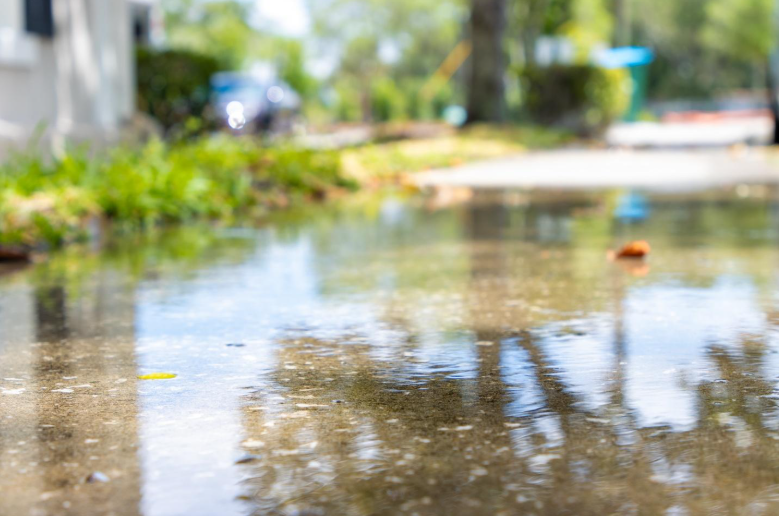
Is part of your yard always wet for no obvious reason? Discover the hidden causes behind unexplained wet areas and why early detection matters.
Introduction
Unexplained wet areas in your yard can signal a problem beneath the surface. Many homeowners first notice soggy grass that remains damp for days. The moisture may appear after rain or during dry weather. Understanding the cause helps prevent larger property concerns.
Wet spots often develop when water cannot drain properly. In some cases, underground plumbing issues contribute to excess moisture. The affected area may expand over time without obvious signs. As a result, homeowners should monitor any unusual changes in the landscape.
Several conditions can create persistent moisture in residential yards. Drainage problems, hidden leaks, sewer line issues, and soil composition are common factors. Each situation requires a careful evaluation to determine the source. Therefore, early attention can reduce the risk of future damage.
Homeowners throughout South Carolina, including Dillon and Greeleyville, may encounter these concerns during any season. Regional rainfall patterns and changing ground conditions can affect how water moves through the soil. Plumbing system reviews help identify issues before they worsen. Addressing unexplained wet areas in your yard early can help protect your property.
Poor Yard Drainage Can Create Persistent Wet Spots
Poor drainage is one of the most common causes of unexplained wet areas in your yard. Water naturally follows the path of least resistance. When drainage systems fail, moisture can collect in certain locations. Over time, these areas may remain wet long after rainfall ends.
Improper grading often contributes to drainage problems. If the landscape slopes toward the home, water may accumulate instead of flowing away. Low-lying sections of the yard can also trap runoff. Consequently, the ground may become saturated and difficult to dry.
Clogged drainage pathways can create similar concerns. Leaves, debris, and sediment may restrict the movement of water. As a result, moisture remains trapped beneath the surface. This lingering water can gradually affect the surrounding landscape.
Heavy rainfall events throughout South Carolina can make drainage issues more noticeable. Seasonal storms often place additional stress on already saturated soil. Homeowners in Dillon and Greeleyville may observe wet areas that persist between rain events. Identifying drainage concerns early helps prevent more extensive property problems.
Hidden Water Supply Line Leaks Beneath the Ground
Underground water supply lines can develop leaks without obvious warning signs. Because these pipes remain out of sight, problems may go unnoticed for long periods. Even a small leak can release a significant amount of water over time. This excess moisture often creates soft or soggy areas in the yard.
Several factors can contribute to underground pipe damage. Aging materials may weaken after years of use. Soil movement can place pressure on buried plumbing lines. In addition, corrosion may create small openings that allow water to escape.
Homeowners may notice more than just wet ground. Unexpected increases in water usage can indicate a hidden leak. Some properties develop patches of unusually green grass above the damaged pipe. These warning signs often point to a problem beneath the surface.
Professional plumbing technicians use specialized equipment to locate hidden leaks accurately. Modern diagnostic methods help identify the source without unnecessary disruption to the property. Leak detection services can reveal issues before they cause extensive damage. Early repairs protect both the plumbing system and the surrounding landscape.
Sewer Line Problems That Saturate the Soil
Damaged sewer lines can also cause persistent wet areas in residential yards. These pipes carry wastewater away from the home every day. When a sewer line develops a crack or break, moisture can seep into the surrounding soil. The affected area may remain damp even during dry weather.
Several issues can lead to sewer line damage. Aging pipes may deteriorate after years of service. Shifting soil can place stress on underground plumbing components. Tree roots may also enter small openings and worsen existing damage.
Wet soil is often only one sign of a sewer line problem. Homeowners may notice unpleasant odors near the affected area. Slow drains inside the home can indicate a developing issue. In some cases, patches of grass may appear greener than the surrounding landscape.
Prompt action helps prevent additional property damage. Professional assessment can determine whether a sewer line is responsible for excess moisture. Our experienced plumbers in Greeleyville, SC use advanced diagnostic tools to evaluate underground conditions. Early detection often reduces the risk of more extensive repairs in the future.
How Soil Composition Affects Water Absorption
Soil composition plays an important role in how water moves through a yard. Different types of soils absorb and retain moisture at different rates. As a result, some properties experience wet areas more often than others. Understanding soil conditions can help explain persistent moisture problems.
Clay soil tends to hold water for extended periods. Its dense structure slows drainage and limits water movement. After heavy rainfall, clay-rich areas may remain saturated for days. Consequently, homeowners may notice standing water or soft ground.
Sandy soil behaves differently than clay. Water moves through sandy soil more quickly because of its larger particles. Although this improves drainage, it can sometimes conceal underground leaks. Moisture may spread farther before becoming visible on the surface.
Compacted soil can create drainage challenges regardless of soil type. Heavy foot traffic and equipment can reduce the space between soil particles. This restriction limits water absorption and increases surface runoff. Evaluating soil conditions helps professionals determine why wet areas continue to develop in certain locations.
Seasonal Weather Patterns and Their Impact on Wet Areas
Seasonal weather can significantly influence moisture levels around a property. Rainfall amounts often change throughout the year. During wetter periods, the ground may struggle to absorb excess water. As a result, damp areas can become more noticeable across the yard.
South Carolina experiences a variety of weather conditions each season. Spring and summer storms can deliver substantial rainfall within a short time. When the soil becomes saturated, water may remain near the surface longer. This situation can make existing drainage or plumbing issues easier to spot.
Groundwater levels may also fluctuate throughout the year. Extended periods of rain can raise moisture levels below the surface. Consequently, some areas of the yard may feel soft even without recent precipitation. These conditions can sometimes resemble the signs of a hidden plumbing problem.
Regular inspections help homeowners stay ahead of seasonal challenges. Seasonal plumbing inspections protect home systems yearly by identifying concerns before they become major issues. Professional evaluations can reveal developing leaks and drainage problems. Early attention helps protect the home, yard, and plumbing system from unnecessary damage.
Irrigation System Leaks Often Go Unnoticed
Irrigation systems help keep lawns and landscapes healthy throughout the year. However, hidden leaks within these systems can create excessive moisture. Because many components are buried underground, problems may remain undetected for some time. This hidden water loss can contribute to persistent wet areas across the yard.
Damaged sprinkler lines are a common source of excess moisture. Cracked pipes may release water beneath the surface during irrigation cycles. Faulty valves can also allow water to flow when the system is not operating. Over time, these issues can saturate the surrounding soil.
Several warning signs may point to an irrigation system leak. Certain sections of grass may appear greener than nearby areas. Soft ground can develop even when rainfall has been limited. In some cases, water may pool near sprinkler heads or underground fittings.
Routine plumbing inspections help identify issues before they worsen. Our technicians frequently discover hidden irrigation leaks and underground water line issues when investigating persistent wet areas in South Carolina yards. Addressing leaks promptly helps protect the landscape from unnecessary stress. It also supports efficient water use throughout the property.
Tree Roots and Underground Plumbing Interactions
Tree roots naturally seek moisture as they grow through the soil. Underground plumbing lines can become attractive sources of water. When roots encounter small cracks or weak points, they may continue growing toward the moisture. This process can create problems for both the landscape and the plumbing system.
Over time, roots can place pressure on buried pipes. Even durable plumbing materials may become vulnerable under constant stress. Small openings can expand as roots continue to grow. As a result, water may escape into the surrounding soil.
Several signs can indicate root-related plumbing concerns. Homeowners may notice recurring wet spots in specific areas of the yard. Slow drains inside the home can also suggest underground pipe interference. In some cases, unusually healthy vegetation may develop near the affected location.
Professional inspections help determine whether roots are contributing to moisture problems. Specialized equipment allows plumbers to assess underground conditions accurately. Identifying the source early can help prevent additional pipe damage. Prompt action also supports the long-term health of the property's plumbing system.
Modern Technology Helps Locate Hidden Water Problems
Advancements in plumbing technology have improved the way professionals identify hidden water issues. Modern diagnostic tools can locate problems with greater accuracy than traditional methods. As a result, plumbing technicians can often find the source of excess moisture more efficiently. This approach helps reduce unnecessary disruption to the property.
Many detection methods rely on precise monitoring and data analysis. Some modern leak detection systems use advanced monitoring technology and data analysis to identify unusual water usage patterns that may indicate hidden leaks. These systems can help identify concerns before visible damage appears. Early alerts often allow homeowners to respond more quickly.
Another valuable innovation involves smart leak detection systems. These technologies monitor water usage and detect unusual changes within the plumbing system. When irregular activity occurs, the system can provide timely notifications. This added awareness helps homeowners address potential problems sooner.
Our professional plumbing technicians in Dillon, SC combine advanced technology with industry experience. Diagnostic equipment provides valuable information about underground conditions and hidden leaks. Accurate assessments help determine the most effective solution for each situation. As technology continues to evolve, leak detection becomes more efficient and reliable.
The Risks of Ignoring Wet Areas Around Your Property
Ignoring persistent wet areas can lead to a variety of property concerns. What begins as a small patch of damp ground may gradually expand over time. Excess moisture can affect both the landscape and nearby structures. Early attention helps reduce the likelihood of more significant problems.
Prolonged soil saturation may impact a home's foundation. When moisture levels remain elevated, the soil can shift or settle unevenly. These changes may place stress on structural components. Consequently, small issues can become more difficult to address later.
Common risks associated with ongoing moisture include:
- Soil erosion and landscape damage
- Foundation movement and structural stress
- Turf and plant health issues
- Pest activity attracted by damp conditions
- Mold and mildew growth in affected areas
- Increased repair needs if problems remain unresolved
Prompt evaluation helps identify the source of excess moisture before damage spreads. Professional inspections can determine whether drainage, plumbing, or sewer issues are involved. Addressing concerns early often limits repair needs and protects property value. Taking action today can help prevent larger complications tomorrow.
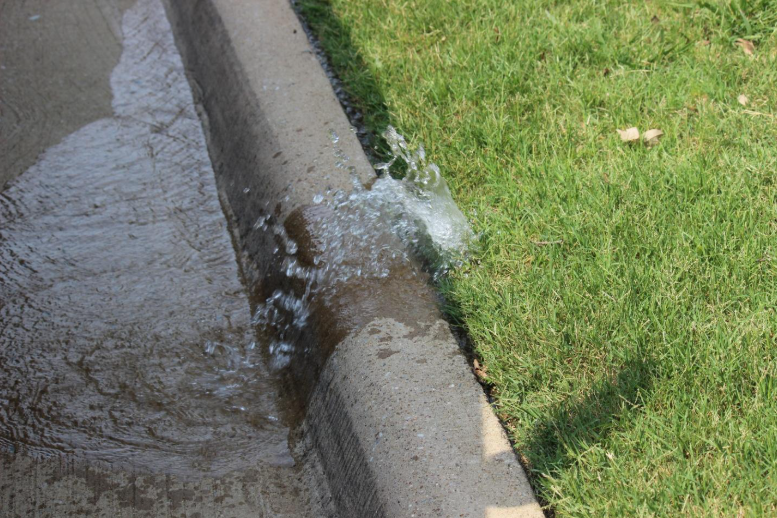
Photo from iStock - Credit: YesimSahin
Why Professional Inspection Matters for Accurate Diagnosis
Wet areas in a yard can develop for several different reasons. Drainage issues, underground leaks, sewer line damage, and soil conditions may produce similar symptoms. Because these problems often overlap, identifying the true cause can be challenging. A professional inspection helps eliminate guesswork during the evaluation process.
Our experienced plumbing technicians use specialized tools to assess conditions below the surface. Advanced diagnostic equipment can locate moisture sources with greater precision. This approach helps reduce unnecessary digging and property disruption. As a result, homeowners receive more accurate information about the issue.
Professional assessments also help uncover concerns that may not be immediately visible. Small plumbing problems can develop into larger issues when left untreated. Early detection supports timely repairs and helps protect the property's infrastructure. Addressing concerns promptly often prevents additional damage from occurring.
Many homeowners benefit from ongoing plumbing care and monitoring. Preventative plumbing maintenance plans help identify developing issues before they become costly problems. Regular evaluations support the long-term performance of residential plumbing systems. This proactive approach helps protect homes throughout South Carolina.
Protecting Your Home from Future Yard Moisture Problems
Protecting your property starts with recognizing the warning signs of excess moisture. Wet areas may develop because of drainage concerns, underground leaks, sewer line problems, or soil conditions. While the causes vary, early detection remains the key to preventing larger issues. Prompt action can help reduce the risk of costly property damage.
Regular monitoring allows homeowners to identify changes before they worsen. Areas that remain damp without a clear reason deserve professional attention. Even minor signs can indicate hidden problems beneath the surface. Addressing concerns early often leads to more effective solutions.
Professional plumbing evaluations provide valuable insight into the condition of underground systems. Our experienced technicians can determine whether moisture is linked to a plumbing issue or another factor, especially during South Carolina's warmer months. Accurate diagnoses help homeowners make informed decisions about their property. This approach supports long-term protection and peace of mind.
For homeowners in Dillon, Greeleyville, and surrounding South Carolina communities, staying proactive can make a significant difference. Benjamin Franklin Plumbing of Florence, SC provides trusted plumbing expertise to help identify and resolve hidden issues. Timely inspections and professional service help safeguard your home and landscape. If you notice unexplained wet areas in your yard, scheduling an evaluation is an important first step.

 Your Privacy Choices