
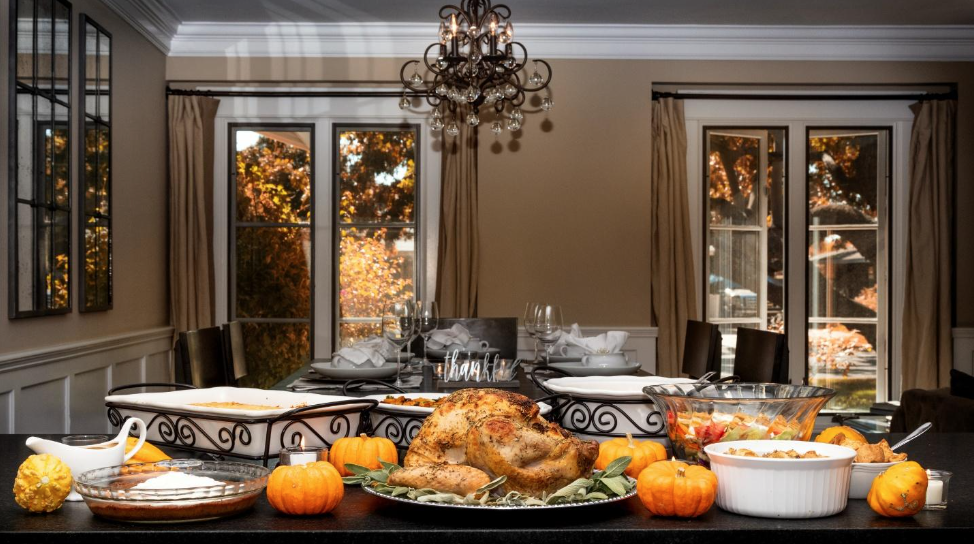
Key Takeaways About Thanksgiving Drain Clogs
Thanksgiving drain clogs are buildups of grease starches and food solids that slow or block home drains. This summary is for homeowners and hosts preparing large meals who want to avoid plumbing problems during holiday hosting.
- Identify slow drains gurgling sounds and foul odors early.
- Prevent grease and food solids from entering the drain system.
- Avoid pouring hot fats or fibrous scraps down the disposal.
- Spot cross-fixture backups when multiple appliances run simultaneously.
- Reduce risk by using strainers and scheduled cold water rinses.
- Plan a pre-holiday inspection if slow drains or backups persist.
Introduction
Thanksgiving cooking sends more grease, starches, and food scraps down home drains than a normal week. Those materials stick inside pipes and build up around P-traps and garbage disposals. A slow sink or gurgling toilet often starts as small debris blocking flow. Left unchecked, clogs can cause overflows and unexpected repairs during holiday gatherings.
Garbage disposals help but are not a cure for everything that goes down a kitchen drain. Grease cools and coats the disposal, then clings to the pipe walls farther down. Bathroom drains see extra use when guests arrive and can reveal weak spots like slow showers. When multiple fixtures back up at once, the problem may be farther in the drain line.
Homeowners notice warning signs such as foul odors, slow drainage, and recurring backups after a big meal. Plumbers diagnose these problems by inspecting P-traps, testing water flow, and checking accessible cleanouts. In some cases, a camera inspection confirms heavy grease or solid waste lodged in the main line. Early action reduces the chance of a holiday plumbing emergency that disrupts hosting plans.
Properties in Florence, SC and Darlington, SC often face the same seasonal pressures on household plumbing. Addressing grease buildup and food scrap habits before a large meal keeps sinks, disposals, and toilets working. If you spot persistent slow drains or smells during holiday prep, consider a professional inspection. A short pre-holiday check can protect your home and preserve Thanksgiving plans.
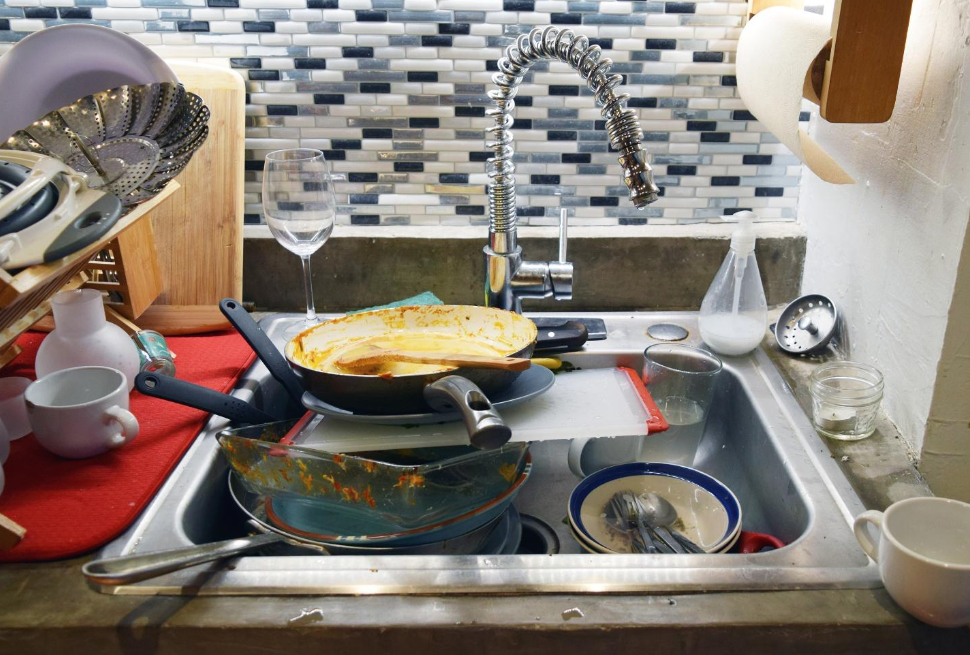
Photo from iStock - Credit: CabecaDeMarmore
How Thanksgiving Drain Clogs Happen in Kitchens
Thanksgiving drain clogs often happen when grease, starches, and food scraps accumulate inside kitchen pipes and restrict water flow. Fats, oils & grease (FOG) are especially problematic because warm cooking oils can cool and cling to pipe walls, creating sticky deposits that trap other debris. Food scraps like potato peels and rice can also collect in P-traps and disposal outlets, contributing to gradual blockages. Homeowners often ask whether a garbage disposal can prevent clogs, but disposals only grind food waste into smaller pieces and do not prevent grease buildup.
- Grease cools and coats pipes.
- Starches form pasty deposits.
- Fibrous scraps tangle inside traps.
- Cumulative waste narrows the drain bore.
- Multiple fixtures increase backflow risk.
Clogs often start near the P-trap or at a transition fitting where flow slows and debris catches. A professional diagnosing the issue will remove the trap, inspect for visible buildup, and run a drain snake through the horizontal run. If needed, the technician may perform a camera inspection to confirm heavy grease or a compacted food mass farther down. These inspection steps help decide whether a mechanical cleanout or hydro-jetting will clear the line.
In kitchens in Florence, SC and homes elsewhere, long cooking sessions compound minor deposits into full blockages in days. Signs homeowners spot include slow draining, a sour smell, and occasional gurgling from nearby fixtures. Early checks of the sink basket and disposal chamber can prevent larger problems later during holiday cooking. If you notice repeated slow drains or backing water, schedule a professional inspection to avoid an emergency during your gathering.
Common Grease and Food Build Up Causes
Grease from pan drippings and salad dressings is a top cause of buildup because it solidifies in cooler pipe sections. Starches from pasta and mashed potatoes swell when wet and form a glue-like paste that adheres to pipe walls. Small bits of fat and starch collect at low spots such as the P-trap and pipe bends, where flow slows and material accumulates. Over time these deposits narrow the pipe and make future clogs more likely without obvious early warning signs.
Fibrous foods like celery, onion skins, and corn husks resist chopping and can entangle around the disposal impeller or snag on rough spots inside the trap. Coffee grounds bind together and create dense mats that trap other debris, so they often add mass to a developing blockage. Egg shells can break into sharp fragments that wedge in narrow fittings and impede a drain snake from getting a clean pass. These solids combine with grease and starches to form compacted masses that take professional tools to remove.
Household habits increase risk when multiple sinks or appliances drain simultaneously during meal prep and cleanup. Dishwashers and laundry units empty warm, greasy water that can sweep settled residue further down and widen a clog mid-line. A plumber diagnosing the cause will check the sink basket, remove the P-trap for inspection, and run a hand auger to feel for resistance in the horizontal run. If the auger meets heavy resistance, a camera inspection provides recorded footage to confirm grease rings or a food-packed obstruction and to guide the appropriate cleaning method.
In older homes and properties in Florence, SC and Darlington, SC, pipe scale and aging joints create extra nooks where debris lodges and builds faster. Homeowners often notice recurring slow drainage in one fixture before the problem spreads to others, signaling a localized buildup near a trap or fitting. Simple preventive steps reduce load but do not eliminate the need for periodic professional flushing or mechanical cleaning when buildup becomes compacted. If you see repeated slow drains, foul odors, or water backing into other fixtures, contact a plumber to inspect and clear the line safely.
Garbage Disposal Misuse and Decision Points
Garbage disposals clear many small scraps but have clear limits that affect clog risk during heavy holiday cooking. Larger fibrous items and thick bands of starch can jam the grind chamber and prevent normal shredding. If a disposal hums without spinning, that electrical or jam issue needs manual inspection with the unit powered off and the breaker off. Homeowners in Florence, SC should avoid forcing the unit when it stalls to prevent motor damage.
Deciding whether to use the disposal depends on the food type and volume entering the sink throughout the meal. Professionals often recommend routing large volumes of solids to the trash rather than the disposal to reduce downstream buildup. A simple diagnostic check a technician performs is removing the splash guard and looking inside the chamber for wrapped fibers or compacted material. If visible packing appears, the plumber will free the impellers and test the drain line with a hand auger.
Frequent small jams or recurring slow flow indicate the disposal or the pipe after it needs deeper service rather than more homeowner attempts. A plumber will check the P-trap and run an auger through the horizontal run to feel for resistance and locate the obstruction. When resistance persists, a camera inspection records footage and confirms whether grease rings or a solid mass sits farther in the drain. Properties in Darlington, SC often benefit from that recorded footage to choose between mechanical snaking or hydro-jetting for long-term clearing.
Choosing to replace a disposal is a decision point when repeated repairs fail or the motor shows signs of age and overheating. An installer will inspect the electrical connection, reset switch, and mounting flange to determine if replacement offers better reliability. For homeowners preparing large holiday meals, installing a new unit before guests arrive can reduce the chance of a mid-event failure. If you are unsure, schedule a professional evaluation to confirm whether repair or replacement best prevents Thanksgiving drain clogs.
Increased Household Use and Drain Stress Signs
During heavy holiday use, multiple fixtures running at once increases flow and can push partial blockages into new areas. Watch for slow drains that start only when the dishwasher or washing machine runs. Intermittent gurgling from a sink or tub often signals air trapped behind a restriction in the drain line. A quick check of nearby cleanouts helps determine whether the issue sits before or after your main stack.
- Multiple fixtures running may cause cross-traffic in drains.
- Gurgling sounds often mean trapped air and partial blockage.
- Slow drainage that coincides with appliance cycles is a warning.
- Foul odors can indicate trapped food or grease in low spots.
Visible backups or water rising in a neighboring fixture may indicate a blockage farther down the drainage system rather than a problem with one P-trap. Grease buildup is a common contributor to kitchen drain problems, especially during holiday meal preparation. Our guide on the hidden journey of kitchen grease explains how grease moves through plumbing systems and contributes to stubborn clogs. A plumber can inspect accessible drain components and use specialized equipment to locate obstructions. If the blockage is difficult to identify, a camera inspection may help determine its location and severity.
Keep an eye on timing: sudden slowdowns during peak cleanup often mean accumulated debris reached a constriction point. In Florence, SC properties, heavy appliance cycles can exacerbate these shifts and reveal hidden weaknesses. Technicians also check vent stacks and rooftop vents for blockages that affect multiple fixtures. If you see repeated cross-fixture backups or rising water, contact a professional rather than relying on chemical treatments.
For homeowners unsure whether to attempt a do-it-yourself clear, start with simple diagnostic steps before aggressive fixes. Running a focused flow test and checking the sink basket gives quick information about whether the problem is local. If the auger meets heavy resistance or multiple fixtures remain affected, schedule professional service to avoid worsening the clog. For help deciding next steps, consider scheduling a pre-holiday inspection with a qualified plumber.
Preventive Habits to Reduce Clog Risk
Establish simple habits during meal prep to limit what enters sinks and disposals and lower Thanksgiving drain clogs risk. Wipe pans and plates with paper towels into the trash before rinsing to remove the majority of grease and solids. Run cold water while using the disposal to keep fats more solid and easier to move through the trap. Empty the sink basket frequently during preparation to prevent small items from slipping past into the trap.
Set a clear routine for guests and helpers so everyone knows which foods go in the trash and which can be scraped lightly into the disposal. Place a labeled container for fibrous items and strings to keep them out of the grind chamber and downstream piping. Schedule dishwashing in batches rather than all at once to avoid overwhelming the drain with warm, greasy water. Consider running a short cold-water rinse after each dishwasher cycle to help carry residual solids through the line.
Inspect visible plumbing components regularly during holiday hosting to catch early signs before a stoppage forms in the system. Check the P-trap and disposal outlet for pooling or unusual smells that suggest trapped debris needing removal. If multiple fixtures show slow flow, use the nearest cleanout to test whether the problem lies beyond your immediate plumbing. Homeowners in Florence, SC and Darlington, SC should note that repeated cross-fixture symptoms often require professional diagnosis to prevent larger issues.
Adopt a weekly habit before and after heavy cooking days of clearing the sink basket and running a plumbing-safe mechanical clean of the disposal chamber. Avoid frequent chemical drain cleaners because they can damage pipes and convey limited long-term benefit against solid grease. For persistent resistance during a hand auger check or ongoing backups after simple measures, contact a plumber for a proper inspection. Scheduling a professional pre-holiday check can reduce the chance of emergency calls during your gathering and preserve plumbing function.
Quick Home Remedies and When to Stop
Start with safe, mechanical remedies like using a plunger on a sink or shower to restore flow without chemicals. Fit the plunger tightly, push and pull for short bursts, and watch for improved drainage within a few attempts. If only partial progress appears, stop plunging and move to the next step to avoid forcing the clog deeper. For stubborn flow reduction, a hand auger offers a controlled, nonchemical attempt to break small obstructions.
Try a manual clean of accessible parts such as the sink basket and disposal splash guard to remove visible debris by hand. Always turn off the disposal's breaker and wear gloves before reaching into the chamber to avoid injury. After removing trapped material, test flow with cold water and run the disposal briefly to confirm improved operation. If the auger meets solid resistance, discontinue homeowner efforts and consider professional diagnosis.
Some homeowners consider biological enzyme cleaners for minor organic buildup, but these products may not clear established clogs. Always follow the manufacturer's instructions and avoid mixing drain-cleaning products. Harsh chemical drain openers can create safety risks and may complicate later plumbing repairs. If unpleasant odors, unusual bubbling, or continued backups occur, stop using the affected drain and contact a plumber in Florence, SC for assistance.
If multiple fixtures remain slow or wastewater backs up into nearby drains, stop DIY attempts and arrange a professional inspection. A technician can examine accessible drain connections and use specialized equipment to locate the obstruction. For a closer look at how professionals handle severe drainage problems, read our guide on plumbers solve tough sewer line blockages. Addressing recurring backups promptly can help reduce wastewater exposure and prevent further plumbing disruptions. When basic maintenance does not restore proper drainage, scheduling professional service is the safer approach.
When to Call a Professional for Clogs
If plunging and a hand auger fail, call a professional to avoid damaging pipes or pushing blockages deeper into the system. A technician will isolate the issue using the cleanout and controlled flow tests rather than relying on repeated homeowner attempts. Expect them to check shutoff valves and accessible P-traps before advancing equipment into the main run. This reduces the chance of surprises like a broken fitting or hidden leak during the service.
- A plumber will run a hand auger to locate resistance.
- They may perform a camera inspection for visual confirmation.
- Technicians can use hydro-jetting for heavy grease build-up.
- Professionals check vent stacks and cleanouts when needed.
If a camera inspection is necessary, the footage can help identify the blockage's location and visible condition. Technicians use these findings to determine whether drain snaking, hydro-jetting, or another cleaning method is appropriate. Photos or inspection reports can also help homeowners understand the problem and recommended repairs. If you're unsure whom to contact, our guide on how to choose a plumber in Florence, SC explains what to consider when selecting a qualified plumbing professional.
Call a plumber promptly when water backs into other fixtures or a slow drain becomes persistent despite home fixes. In Darlington homes, recurring cross-fixture backups often indicate a line issue needing professional tools and experience. If you smell sewage, see continuous gurgling, or find soggy areas near cleanouts, stop DIY efforts and request service. Scheduling a technician ahead of heavy cooking events provides diagnostic time and reduces holiday disruption risk.
Preparing Your Pipes for Holiday Cooking
Flush visible grease and solids from accessible fixtures before heavy cooking using short, controlled water runs to move loose material toward the main. Close floor or basement cleanouts and test flow from a single sink to see whether water backs into neighboring fixtures. If the test shows cross-traffic, shut off affected fixtures and avoid further use until a professional inspects the line. This simple isolation helps limit waste movement and reduces the chance of spreading a blockage during meal prep.
Fit temporary strainers over sink drains and shower drains to catch small pieces of food and packaging that can pass through baskets during busy cleanup. Empty and inspect those strainers every hour when cooking to prevent accumulation that would otherwise slip past and lodge downstream. Keep a dedicated container for compostable scraps and pour cooled grease into a sealed jar for trash disposal to avoid adding fats to the drain. These steps reduce material entering the horizontal run and lower the immediate load on your P-trap.
Before guests arrive, verify shutoff valves under sinks and near appliances operate smoothly so you can cut water quickly in case of a sudden backup or leak. Label and test the disposal reset switch and circuit breaker to ensure you can safely power down the unit if it stalls during use. If you find corrosion on supply lines or drip stains under the sink, schedule a pre-holiday inspection to correct weak fittings before they fail. Homeowners in Florence, SC often find that addressing minor leaks early prevents larger interruptions during gatherings.
For example, a homeowner might notice that the kitchen sink drains slowly after the dishwasher finishes or that water backs up into a nearby fixture. A plumber can inspect the drainage system to determine whether grease buildup, food debris, or another obstruction is responsible. Depending on the findings, a camera inspection may help locate the blockage and identify an appropriate cleaning method. For more information about removing stubborn buildup, read our guide on clearing tough clogs with hydro jetting services. In Darlington, SC, scheduling professional drain cleaning before Thanksgiving can help homeowners address existing blockages before holiday cooking places additional demands on their plumbing.

 Your Privacy Choices