
Learn how kitchen grease travels through your plumbing, why it hardens inside pipes, and what South Carolina homeowners should know to help prevent clogs.
Introduction
Kitchen grease may seem harmless when it disappears down the sink, but its journey is far from over. What looks like a quick cleanup can quietly create problems inside your plumbing system. As grease travels through your drains, it begins to cool and stick to the inner walls of your pipes, setting the stage for buildup that often goes unnoticed until water stops flowing as it should.
Many families don't realize that grease changes after it leaves the sink. Warm grease may flow freely for a short distance, but it gradually thickens as temperatures drop inside the plumbing. Over time, each small amount adds another layer, reducing the space available for wastewater to pass through and increasing the risk of stubborn clogs.
Across South Carolina, everyday cooking habits can contribute to this hidden issue. From preparing family meals to holiday gatherings, fats, oils, and grease frequently enter kitchen drains. Homes in communities such as Greeleyville and Dillon may experience similar plumbing concerns, especially in aging drain systems where years of residue can make grease deposits develop more quickly.
This guide follows the hidden journey of kitchen grease, explaining what happens after it goes down the drain, why it hardens inside pipes, how it affects your home plumbing, and why proper disposal habits matter. You'll also learn how preventing grease inside pipes can help reduce future plumbing problems and when it's time to contact Benjamin Franklin Plumbing of Florence for a professional inspection if recurring drain issues persist.
What Counts as Kitchen Grease?
Kitchen grease includes more than the bacon drippings many people think about after breakfast. It also includes cooking oils, butter, lard, shortening, meat fats, poultry drippings, and the oily residue left behind after frying or roasting food. Even sauces, gravies, and salad dressings with a high fat content can leave greasy residue behind when rinsed down the sink.
Although grease often appears harmless while it's still warm, its behavior changes as it moves through your drain and pipe system. Hot liquids may carry grease farther down the drain, but the lower temperatures inside pipes cause many fats to cool and become thicker. Instead of washing away completely, they can stick to the inside of drain lines.
Small amounts of kitchen grease may not seem like a concern, especially after washing dishes with hot water and dish soap. However, repeated disposal creates layers of sticky residue that gradually collect inside pipes. Food scraps, soap residue, and other debris can cling to these layers, making the buildup larger over time and reducing the space available for wastewater to flow.
For property owners across South Carolina, including communities like Greeleyville and Dillon, recognizing what qualifies as kitchen grease is the first step toward protecting a drain and pipe system. By understanding that fats, oils, and greasy food residue behave differently than water, property owners can make informed disposal choices that help reduce the likelihood of future drain and sewer line problems.
The Hidden Journey of Kitchen Grease Inside Your Plumbing
Once kitchen grease enters the drain, it doesn't simply disappear into the sewer system. Instead, it begins a slow journey through your home's plumbing, where changing temperatures affect how it behaves. While the grease may remain liquid at first, it gradually cools as it moves farther away from the sink, especially through unheated sections of drain piping.
As the grease cools, it starts to lose its smooth, liquid consistency. It becomes thicker and stickier, allowing it to cling to the inner walls of pipes instead of flowing away with the wastewater. Each time grease is poured down the drain, another thin layer can attach to the existing residue, creating buildup that develops gradually over weeks, months, or even years.
The problem often grows unnoticed because the process happens out of sight. Water may continue draining normally during the early stages, giving the impression that everything is working as it should. However, the opening inside the pipe slowly becomes narrower as grease accumulates, making it easier for food particles, soap residue, and other debris to collect along the sticky surface.
For homeowners across South Carolina, including Greeleyville and Dillon, understanding this hidden journey helps explain why grease-related plumbing issues rarely happen overnight. What begins as a small amount of grease after everyday cooking can gradually contribute to restricted water flow, recurring drain problems, and larger plumbing concerns that may require professional attention if left unaddressed.
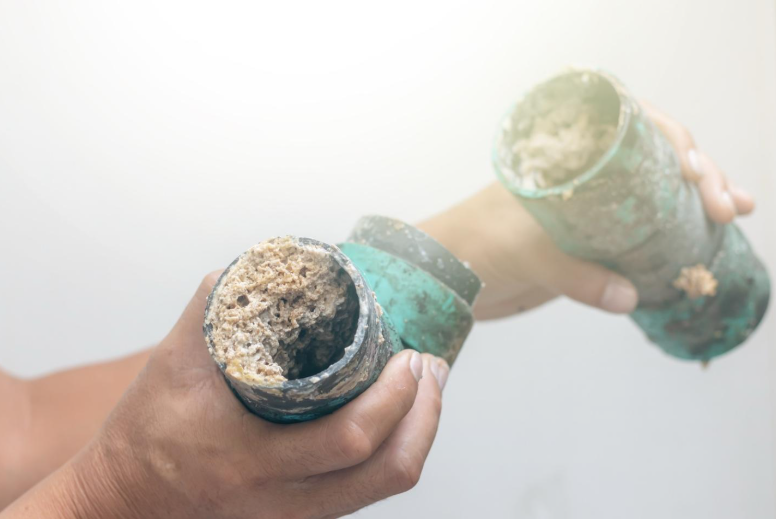
Photo from iStock - Credit: Pradit_Ph
Why Kitchen Grease Hardens Inside Pipes
One of the biggest misconceptions about kitchen grease is that it stays in liquid form after it goes down the drain. While hot grease may flow freely for a short distance, it begins to cool as it travels through your home plumbing. The lower temperatures inside drain pipes cause fats and oils to thicken, changing them from a liquid into a sticky, semi-solid residue.
As this residue coats the inside of pipes, it creates a rough surface that catches additional grease with each use of the sink. Over time, the buildup becomes thicker and more difficult for water to pass through. What starts as a thin layer can gradually reduce the pipe's diameter, slowing drainage and increasing the likelihood of blockages.
Kitchen grease deposit rarely forms alone. Food particles, soap residue, starches, and other small debris can stick to the greasy coating, creating larger deposits that become harder to remove. Because this process happens slowly, many households don't notice a problem until drains begin emptying more slowly or unpleasant odors develop near the sink.
In Dillon, SC, grease inside pipes can affect homes of all ages. Whether a property has older plumbing or more modern drain lines, repeatedly sending grease down the sink allows residue to accumulate over time. Proper grease disposal helps reduce this gradual buildup and supports a healthier plumbing system for years to come.
How Grease Buildup Leads to Stubborn Drain Clogs
Grease buildup becomes a larger problem because it acts like a sticky trap inside your plumbing. As layers of grease collect along the walls of drain pipes, they create a surface where other materials can easily stick. Even if water continues flowing, the passage inside the pipe gradually becomes smaller, making it more difficult for wastewater to move through freely.
Common materials that can cling to greasy residue include:
- Food scraps
- Rice and pasta
- Coffee grounds
- Soap residue
- Small bits of vegetables
- Greasy sauces and cooking residue
Unlike a clog caused by a single object, grease-related blockages usually develop over time. As these materials collect, the buildup becomes denser and forms a stubborn obstruction inside the pipe. Local residents often notice slow drains first, followed by recurring backups or unpleasant odors as the blockage continues to grow.
In Greeleyville, SC, keeping grease out of the drain can help reduce the risk of these gradual blockages. If kitchen drains continue to empty slowly or backups become a recurring problem, Our certified plumbing technicians can inspect the drain line and pipeline, identify grease-related buildup, and recommend the most appropriate solution.
The Long-Term Impact on Your Plumbing System
Cooking grease trapped inside pipes can affect much more than a single kitchen drain. As residue continues to collect inside your pipes, it gradually restricts the flow of wastewater throughout the drainage system. While the changes often happen slowly, the effects can become more noticeable as the buildup grows thicker over time.
One of the earliest signs is slower drainage at the kitchen sink. As the opening inside the pipe becomes narrower, water takes longer to pass through. Loal residents may also notice recurring clogs, unpleasant odors, or gurgling sounds as air and wastewater struggle to move through the restricted drain line.
If grease buildup continues unchecked, the problem may extend beyond the kitchen. Larger blockages can develop deeper within the drain or sewer line, increasing the risk of wastewater backups and placing additional stress on the drainage system. Although grease is not responsible for every plumbing issue, repeated disposal down the drain can significantly increase the likelihood of these problems developing.
For homeowners throughout South Carolina, including Greeleyville and Dillon, paying attention to these warning signs can help prevent more extensive plumbing concerns. When drain problems become frequent or multiple fixtures begin showing similar symptoms, our trusted plumber can inspect the drainage system, identify the source of the blockage, and recommend the most appropriate solution before the issue becomes more disruptive.
How Kitchen Grease Affects South Carolina Homes
Kitchen grease can become a concern in any home, but local conditions may influence how quickly plumbing issues develop. Across South Carolina, homes range from older properties with aging drain lines to newer construction with modern plumbing materials. Regardless of a home's age, grease can gradually accumulate inside pipes whenever it is repeatedly washed down the drain.
Several everyday factors can contribute to grease-related plumbing problems, including:
- Frequent cooking with oils, butter, or animal fats
- Holiday meals and family gatherings that produce more grease
- Food residue rinsed from cookware and dishes
- Aging drain lines with existing buildup
- Regular disposal of grease through the kitchen sink
Communities such as Greeleyville and Dillon experience the same plumbing challenges seen across South Carolina. While every home is different, grease that combines with food particles and soap residue can gradually restrict water flow. Because this process happens out of sight, many families don't notice a problem until slow drains, unpleasant odors, or recurring clogs begin disrupting everyday activities.
Understanding how kitchen grease affects your plumbing can help you make better disposal decisions before problems develop. If persistent drain issues continue despite good kitchen habits, technicians can inspect the pipe system, identify grease-related blockages, and recommend solutions that help restore proper drainage.
Why Grease Can Create Bigger Problems Beyond Your Home
The effects of kitchen grease don't stop at your home's plumbing. Once grease moves beyond your drain lines, it enters the public sewer system, where it can continue to cool and stick to the walls of larger pipes. Over time, grease from many homes and businesses can combine, creating blockages that interfere with the normal flow of wastewater.
As grease builds up inside municipal sewer lines, it can trap other materials that are flushed into the system. Common items that contribute to these larger blockages include:
- Food scraps
- Soap residue
- Paper products that should not be flushed
- Personal hygiene products
- Other non-biodegradable debris
These combined masses, often called fatbergs, can grow large enough to restrict or completely block sections of the sewer system. According to the U.S. Environmental Protection Agency (EPA), fats, oils, and grease are among the leading causes of sewer overflows and blockages, increasing maintenance needs and placing additional strain on wastewater infrastructure.
By disposing of grease properly instead of washing it down the sink, South Carolina homeowners can help protect both their own plumbing and the community's wastewater system. Small disposal habits practiced consistently can reduce the amount of grease entering public sewer lines and help prevent costly plumbing and infrastructure problems over time.
Better Ways to Dispose of Kitchen Grease
Proper disposal of kitchen grease begins with keeping it out of your drains whenever possible. Although it may seem convenient to rinse grease away after cooking, that habit can allow sticky residue to build up inside your plumbing over time. A few simple changes during kitchen cleanup can go a long way toward protecting your pipes and reducing the risk of future clogs.
One effective approach is to let grease cool before placing it in a disposable container that can be thrown away according to local waste guidelines. You can also wipe greasy pots, pans, and plates with a paper towel before washing them. These small steps help prevent fats, oils, and grease from entering the plumbing system, where they can harden and collect along the inside of drain pipes.
Many people believe that hot water and dish soap are enough to wash kitchen grease safely through the drainage system. While they may temporarily move grease farther down the drain, they do not prevent it from cooling and solidifying later inside the pipes. Once the grease begins to harden, it can continue trapping food particles and other debris, allowing buildup to grow gradually over time. If a blockage has already formed, our guide, professional plumbers clearing sewer line clogs fast, explains how experienced plumbers diagnose and clear stubborn sewer line obstructions efficiently.
For homeowners in South Carolina, including Greeleyville and Dillon, developing better grease disposal habits can help support a healthier plumbing system and reduce the likelihood of recurring drain issues. If slow drains or repeated clogs continue despite careful disposal practices, our trusted plumbing tech can thoroughly inspect your home plumbing, identify grease-related blockages, and recommend the most appropriate solution.
Bottom of Form
Warning Signs That Grease May Already Be Affecting Your Plumbing
Built-up grease in drains often develops so gradually that many homeowners don't recognize the problem until their plumbing starts behaving differently. Because the residue forms inside the pipes, the early warning signs can be be easy to overlook. Paying attention to changes in your kitchen drain can help you address potential issues before they become more serious.
Some of the most common signs that grease may be affecting your plumbing include:
- Slow-draining kitchen sinks
- Recurring drain clogs
- Gurgling sounds coming from the drain
- Unpleasant odors near the sink
- Water backing up into the kitchen sink
- Multiple drains slowing down at the same time
These symptoms do not always mean grease is the only cause, but they often indicate that something is restricting the normal flow of wastewater. As grease combines with food particles, soap residue, and other debris, the blockage can continue growing inside the drain line, making plumbing issues more frequent over time. In many cases, stubborn grease blockages require specialized cleaning methods. Our guide, why hydro jetting is revolutionizing drain cleaning in South Carolina, explains how professional hydro jetting can remove years of accumulated grease and debris from plumbing pipes.
For homeowners in South Carolina, including Greeleyville and Dillon, recognizing these warning signs early can help prevent more extensive plumbing problems. If slow drains, recurring clogs, or persistent drain odors continue, our professional plumbing tech can check your home’s plumbing, determine the underlying cause, and recommend the most appropriate solution to restore reliable drainage.
When Professional Plumbing Service Is the Right Choice
Good grease disposal habits can help reduce future buildup, but they cannot remove grease that has already hardened inside your plumbing system. If drainage problems continue despite careful kitchen practices, the blockage may be deeper within the drain or sewer line. Having the issue evaluated early can help prevent it from becoming more disruptive.
Recurring slow drains, unpleasant odors, or frequent clogs often indicate that something is restricting the normal flow of wastewater. While these symptoms can have several causes, grease accumulation is a common contributor in kitchen plumbing. A thorough inspection allows a licensed plumber to determine the source of the problem and recommend the most appropriate course of action based on the condition of the system. For additional information, read our guide, plumbers solve tough sewer line blockages to learn how professionals address stubborn sewer line obstructions safely and effectively.
Professional plumbing equipment can identify hidden blockages that are difficult to detect from surface symptoms alone. By locating grease-related buildup before it leads to a complete obstruction, plumbers can help restore proper drainage while reducing the risk of recurring plumbing issues. The right solution depends on the location and severity of the blockage, making an accurate diagnosis an important first step.
If you're experiencing persistent plumbing concerns in Greeleyville, Dillon, or nearby South Carolina communities, professional plumbing technician can inspect your home plumbing and identify grease-related drain problems. Prompt attention to recurring drainage issues can help protect your pipes, improve system performance, and reduce the likelihood of more extensive plumbing repairs in the future.
Conclusion
Kitchen grease may seem harmless while it's still warm, but its journey doesn't end once it goes down the drain. As it cools and hardens inside your plumbing, it can trap food particles, restrict water flow, and contribute to stubborn clogs that develop gradually over time. Understanding how grease behaves is an important step toward protecting both your home's plumbing system and the wider wastewater infrastructure.
Simple disposal habits can make a meaningful difference. Allowing grease to cool before disposing of it properly and keeping fats, oils, and grease out of the sink can help reduce buildup inside drain pipes. While these small changes may not seem significant, they can support healthier plumbing and lower the likelihood of recurring drainage problems.
It's equally important to pay attention to early warning signs such as slow drains, unpleasant odors, recurring clogs, or water backups. Addressing these symptoms promptly may help prevent more extensive plumbing issues and reduce the chance of larger drain or sewer line blockages developing over time.
If you're experiencing persistent plumbing problems in Greeleyville, Dillon, or surrounding South Carolina communities, Benjamin Franklin Plumbing of Florence is ready to help. Our experienced plumbers can inspect your drain and pipe system, identify grease-related blockages, and recommend the right solution to restore reliable drainage. Taking action early is one of the best ways to protect your home from the long-term effects of kitchen grease.
Protect Your Plumbing with Benjamin Franklin Plumbing of Florence
If you're dealing with recurring slow drains, stubborn clogs, or other grease-related plumbing concerns, Benjamin Franklin Plumbing of Florence is here to help. Our experienced plumbers proudly serve residential homeowners throughout Greeleyville, Dillon, and surrounding South Carolina communities with reliable plumbing inspections and drain solutions. Contact us today to schedule an appointment and keep your plumbing system flowing smoothly.

 Your Privacy Choices