
Key Takeaways About Sewer Camera Inspection
A sewer camera inspection uses a flexible video camera to view the inside of buried drainlines and reveal hidden faults. This summary is for homeowners and property managers who notice slow drains odors or recurring backups and need clear diagnostic steps.
- Identify root intrusion location and degree of pipe penetration.
- Prevent repeat backups by locating sagging or pooled sections.
- Avoid unnecessary digging by confirming defects with recorded footage.
- Spot grease buildup cracks and joint separation inside the line.
- Reduce repair guesswork with distance measurements and inspection clips.
- Plan trenchless or excavation repairs based on visible pipe condition.
Introduction
Sewer camera inspection lets plumbers see inside pipes to find the real causes of persistent backups. Homeowners often assume a single clog, but roots, sagging pipe sections, and joint failures hide deep underground. These hidden problems cause slow drains, sewage smells, and recurring backups that damage floors and landscaping. In Florence, SC properties, early detection prevents larger repairs and reduces health risks to occupants.
Video inspection gear threads a flexible camera through cleanouts and sewer lines to record footage while moving past trouble spots. The camera reveals root intrusion, cracked pipe walls, offsets, and low spots where solids collect. Clear recorded footage removes guesswork and helps prioritize repairs based on the actual condition. For properties in Quinby, SC, this clarity can prevent repeated service calls and surprise expenses.
Root intrusion appears as roots pressing through joints or growing inside the pipe and narrowing flow paths. Pipe sagging shows as dips where water pools and solids settle, forming frequent clogs and odors. Cracks or displaced joints let groundwater and roots in, worsening structural damage over time. These mechanical issues matter because temporary snaking won’t stop the problem from returning or getting worse.
Professionals use camera inspection as a diagnostic step before recommending repairs like targeted root cutting, pipe lining, or section replacement. The footage becomes part of a written report and helps homeowners compare repair options based on visible damage. Visible signs such as slow drainage after rain, gurgling sounds, or sewage smell often prompt the inspection. Calling a licensed plumber in Florence, SC after these signs limits health risks and protects your property investment.
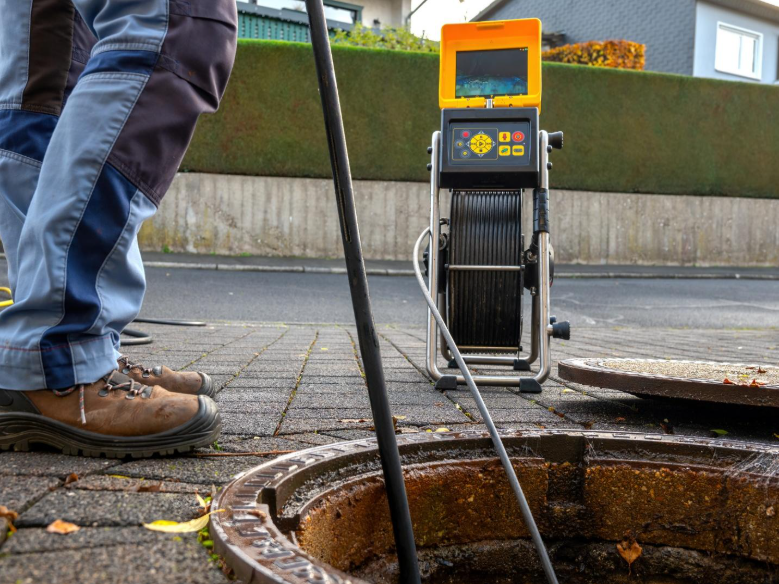
Photo from iStock - Credit: Fotomax
How Sewer Camera Inspection Works and Why It Helps
Sewer camera inspection is a video-based diagnostic that lets technicians see inside sewer pipes to locate specific faults. The camera head records continuous footage and transmits clear images to a monitor. A homeowner often asks, "Will this show the exact clog location?" and the short answer is yes, it pinpoints the problem spot. This method reduces guesswork compared with snaking alone.
- Camera footage records pipe condition.
- Operators can measure distance to defects.
- Images reveal roots, cracks, and offsets.
- Inspections guide repair choices.
Technicians feed a flexible push rod through a cleanout or access point and advance the camera until trouble appears. They watch for root intrusion, sagging, cracks, joint separation, and solids buildup in real time. The operator may use a locator to map the defect position relative to the home. A recorded clip and written notes form a clear diagnostic record homeowners can review.
To confirm findings, professionals combine the video with simple diagnostic checks before recommending repairs. They may run a dye test or flush the line while observing flow and camera behavior. If the camera shows a low spot, the tech notes where solids collect and whether water pools after flow stops. These steps help decide between root cutting, lining, or section replacement.
Homeowners often notice clues that lead to inspection, such as slow drains, gurgling toilets, and sewage odors near fixtures. In Florence, SC properties, these signs can warrant a camera inspection to avoid larger repairs later. After the inspection, technicians explain visible damage, show recorded footage, and offer repair options aligned with the findings. For properties in Quinby, SC, documented footage can also help prioritize fixes and plan budgets.
Common Causes of Sewer Clogs and Why They Happen
Tree and shrub roots enter sewer lines searching for water and nutrients, then they expand and tighten around flow paths. Roots often invade at weak joints or hairline cracks where moisture escapes into surrounding soil. As roots thicken, they shred solids and trap debris against the pipe wall, forming a mat that reduces flow. A sewer camera inspection shows root thickness and exact joint penetration so a technician can plan removal.
Kitchen grease, cooking fats, and non-flushable items congeal and stick to pipe interiors, narrowing the effective diameter over time. These accumulations combine with hair and soap scum to form stubborn blockages that partial snaking may not clear. Video footage reveals the texture and extent of buildup and whether the deposit is soft grease or hardened debris requiring different tools. Knowing the material helps decide between mechanical cleaning and replacement.
Pipe sagging, or bellies, occurs when the trench settles or bedding fails and a low spot traps solids during flow events. Standing wastewater in the sag promotes more buildup and accelerates clogs downstream of the dip. Camera inspection identifies the sag location and shows whether solids collect there after flushing tests, aiding diagnosis. Technicians then measure the length and depth of the belly to recommend targeted fixes.
Cracked, displaced, or crushed pipes let groundwater and soil into the line and invite roots to follow moisture paths. These structural failures cause repeated backups and can worsen during wet weather by reducing flow capacity. Recorded footage combined with a locator reading confirms defect depth and distance from the home, which helps plan repairs. Homeowners in Florence, SC and properties in Quinby, SC use this information to prioritize repairs and budget accordingly.
Detecting Root Intrusion with Video Inspection Clues
Technicians recognize root intrusion by patterns the camera records, such as fibrous masses anchored at pipe joints and thin hairlike strands trailing downstream. They watch how roots move or flex when water flows, which helps determine whether roots are surface growth or deeply embedded. The operator notes the exact pipe material near the intrusion, because clay, cast iron, and PVC respond differently to cutting and lining. A clear video clip becomes part of the diagnostic record used to recommend targeted removal or replacement strategies.
During inspection, the camera frequently reveals where roots have penetrated at a joint, appearing as a ragged opening with plant tissue visible inside the pipe. Technicians use the footage to measure distance from the cleanout and mark the problem location for future excavation or localized repair. They may run a short cleaning pass to see if roots are loose or firmly intergrown with debris, which affects the choice between mechanical cutting and full section replacement. Recorded measurements and still images support a written repair estimate.
To confirm active root growth, professionals look for fresh green tissue or recent debris caught in the root mat after a flow test, indicating ongoing intrusion. They may perform a dye test or flush while observing the camera to watch how roots react and whether the flow improves, providing more evidence of the severity. If roots extend along several joints, the tech documents length and degree of penetration to decide if trenchless lining will stop regrowth. These inspection outputs also help explain repair risks to homeowners.
For properties in Florence, SC, the footprint of a root intrusion can affect landscaping decisions and excavation plans near the house cleanout or sewer line access point. In some cases, technicians recommend trimming or removing the offending tree where practical, and they reference the camera footage when explaining the need. Homeowners in Quinby, SC benefit from seeing recorded clips that show whether a single joint or multiple sections are involved. Clear visual evidence helps prioritize interventions and reduce repeat service visits.
Identifying Pipe Sagging and What Technicians Check
A sewer camera inspection helps technicians spot a sag by showing a sustained low point where water pools and solids slow. The operator pauses the camera to note how long the pooled section is and measures distance from the cleanout. They watch how flow behaves during a flush to see if the dip traps debris repeatedly after water passes. That measured footage becomes part of the written diagnostic used to plan repair scope.
- Locate the belly length and depth.
- Check for repeated solids accumulation.
- Measure distance from household cleanouts.
- Record footage for repair planning.
Technicians also inspect adjacent joints and pipe grade to find causes behind the sag, like bedding failure or a displaced connection. They may perform a simple flow test while recording to confirm whether wastewater stays pooled during low flow conditions. If groundwater is visible through cracks near the dip, the tech notes that as a sign of structural compromise. These observations help decide between partial replacement and full regrading of the run.
When confirming a diagnosis, professionals commonly combine the video with locator readings and pressure or dye tests to pinpoint the sag location for excavation. They document whether the sag occurs under a driveway, yard, or near a house entry point to plan safe access. For homeowners in Florence, SC, that location detail affects how crews stage equipment and protect landscaping. The recorded footage and diagnostic notes support a clear explanation of the recommended fix.
In some cases, technicians recommend trenchless options if the pipe alignment and materials allow for lining through the sag section with minimal excavation. They evaluate pipe material, length of belly, and remaining internal diameter before suggesting lining versus replacement. For properties in Quinby, SC, these criteria affect cost and disruption, so clear footage and measurements guide the homeowner’s decision. The goal is a permanent repair that restores proper slope and flow while limiting repeated blockages.
Warning Signs Homeowners Notice Before Major Damage
Slow drains that only clear after a long wait often precede more serious failures and should not be ignored. Homeowners may also notice toilets that gurgle when other fixtures run, indicating weakened downstream flow. A recurring rotten or sulfur smell near floor drains suggests trapped solids or biofilm buildup in low spots. If you see soggy patches or unexplained damp soil above a sewer run, call a professional promptly because this can be a sign of leakage.
Timing of symptoms gives diagnostic clues about the problem source and urgency for repair. Clogs that worsen after heavy rain often point to cracks or joint leaks allowing groundwater and roots into the line. Persistent backups occurring at the same time of day suggest a partial obstruction or sag where solids collect consistently. Keep notes on when slowdowns and smells occur to help the technician reproduce the issue during inspection.
Visible signs near fixtures also guide on-site checks and tests before a camera goes in. Technicians may first open a cleanout, run a flush, then observe whether water drains freely or pools, noting how the system responds. A dye test or controlled flush helps reveal leaks or reverse flow points while the operator watches footage from the camera. These simple steps narrow the likely causes and focus the video inspection on suspect sections of pipe.
Minor signs can escalate quickly into structural failures if left unchecked, so act early when multiple indicators appear together. For properties in Florence, SC, early action reduces landscape disruption and repair scope in many cases. A recorded sewer camera inspection clip becomes valuable evidence when deciding between trenchless lining and section replacement. Ask your technician for footage and a written diagnostic that explains the observed symptoms and recommended next steps for sewer line repair in Quinby, SC.
When To Call a Professional for Sewer Repair
If backups happen more than once a month or if multiple fixtures back up at the same time, call a pro promptly. A professional will run targeted tests and use a sewer camera inspection to confirm defect location and severity. Do not delay when sewage odors persist despite cleaning, because active leaks can pose health risks and property damage. Early engagement reduces the chance of emergency excavation and higher repair complexity.
When a property shows wet spots on the lawn or new sinkholes, contact a licensed plumber for a physical evaluation and camera verification. The technician will inspect cleanouts, operate the camera through the run, and take locator readings to map the exact problem spot. They also check cleanout access, pipe material, and nearby fixtures to plan a safe repair strategy. Having recorded footage helps you compare options without guessing about underlying causes.
If tree roots appear on inspection or if a sagging section traps solids repeatedly, schedule a professional assessment to decide between cutting, lining, or replacement. Technicians perform simple confirmation steps such as a flush test and may measure belly length and residual diameter before recommending trenchless lining. For homeowners near Florence, SC, documenting these findings clarifies expected disruption and timelines. Ask for a written report with footage so you can review repair tradeoffs clearly.
Call a professional immediately when you notice sewage backing into living spaces or when gurgling occurs after every flush, as these are signs of severe obstruction or collapse. The tech will prioritize safety, isolate the affected lines, and recommend urgent fixes based on camera evidence and on-site checks. For properties in Quinby, SC, quick action limits interior damage and helps plan excavation if needed. Always rely on licensed technicians to diagnose and safely repair buried sewer defects.
Solutions Found Through Camera Diagnosis and Options
After viewing camera footage, technicians match visible defects to practical repair methods that balance disruption and longevity. For a localized root mass or small crack, targeted mechanical cutting followed by spot repairs can restore flow quickly. When lining is viable, installers clean the pipe thoroughly, then invert a cured-in-place liner to seal leaks without trenching. If the footage shows multiple damaged joints or collapsed sections, full replacement becomes the safer long-term choice.
- Mechanical root cutting removes visible obstructions.
- Cured-in-place lining seals cracks and joints.
- Partial excavation replaces short damaged sections.
- Full-line replacement addresses severe collapse.
Technicians use the recorded distance measurements to plan where to open the ground or introduce lining equipment, reducing guesswork during repair. For sagging runs, professionals evaluate whether regrading the bedding and replacing the affected length will correct slope and prevent future pooling. In cases where lining cannot restore proper slope, the camera evidence supports a clear recommendation for digging and realigning the pipe. Homeowners in Florence, SC often appreciate seeing footage that explains why trenchless fixes may not suit a deep belly.
Before any work begins, a licensed plumber will confirm conditions with simple on-site checks such as a flush test and locator verification of defect position. They provide a written estimate that references the recorded footage and lists expected disruptions, materials, and timelines. If tree removal is relevant, the report may advise coordinating landscaping work with the repair to limit repeat root intrusion. For properties in Quinby, SC, documented options let owners compare tradeoffs between cost and permanence when deciding how to proceed.
Preventive Maintenance Tips to Avoid Future Problems
Schedule regular inspections every 12 to 24 months to catch slow changes before they require major repairs. A planned schedule helps track root return and subtle grade shifts that develop over seasons. Technicians can compare recorded footage year to year to spot progressive deterioration. This proactive approach reduces the chance of emergency excavation and unexpected service interruptions.
Keep cleanouts accessible and make sure covers fit tight to prevent surface debris entering the line. Clear access speeds up diagnostic checks and reduces the risk of contaminating camera equipment during inspections. Homeowners should note any new landscaping or plantings near sewer lines and avoid deep-rooted species close to the run. For properties in Florence, SC, mindful planting helps limit future root pressure on pipe joints.
Adopt safe habits at drains by scrapping grease from pans into trash rather than pouring fats down sinks. Use strainers in tubs and showers to prevent hair accumulation that binds with grease and creates dense blockages. Periodically run a hot-water flush through kitchen drains after nonchemical cleaning to keep solids moving. These simple actions lower the workload on the sewer line and lengthen intervals between professional cleanings.
When technicians perform maintenance, ask them to record a short verification clip showing cleared areas and residual problem spots. Keep the footage and written notes with other home maintenance records for future reference when deciding on lining or replacement. A technician may also use a locator to tag the exact distance to any recurring defect for easier targeted repairs later. If repeated issues persist in Quinby, SC, documented proof helps prioritize permanent solutions over repeated temporary fixes.
Find Hidden Sewer Problems Before They Get Worse
Recurring backups, slow drains, and sewage odors can point to problems deeper inside your sewer line. A sewer camera inspection can reveal root intrusion, pipe sagging, cracks, and other hidden damage without relying on guesswork.
If you’re experiencing ongoing sewer or drain problems, contact Benjamin Franklin Plumbing of Florence, SC to schedule an inspection. A technician can assess the condition of your sewer line, explain the findings, and discuss appropriate repair options based on what the camera reveals. Schedule a sewer camera inspection today to get a clearer picture of what’s happening inside your pipes.

 Your Privacy Choices