Key Takeaways About Hydro Jetting Services
Hydro jetting services use high-pressure water to clean and clear buildup inside drain and sewer pipes. This summary helps homeowners and property managers decide when professional inspection and stronger cleaning methods matter.
- Identify recurring slow drains and multi fixture backups quickly.
- Prevent grease and scale buildup with scheduled inspections.
- Avoid DIY high pressure cleaning to reduce damage risk.
- Spot root intrusion or pipe damage with a camera inspection.
- Reduce repeat clogs by removing adhesive residue from pipe walls.
- Plan maintenance based on recorded footage and technician recommendations.
Introduction
Clogged drains can start as a slow drip and become a full backup that disrupts daily life. When a clog resists plunging and repeats quickly, it signals a deeper problem in the pipe. Choosing the right fix matters because the wrong method can damage pipes or only offer a short-term fix. Hydro jetting services and snaking handle clogs very differently, so knowing which fits your situation matters.
Hydro jetting uses high-pressure water to scour pipe walls and clear debris and buildup. A plumber may recommend snaking when a single obstruction like a hair ball or tree root is isolated. The wrong choice wastes time and can leave residue that causes future clogs. Homeowners should notice patterns like slow drains, gurgling, or multiple slow fixtures to guide decisions.
Safety matters because both methods involve equipment that can harm people or plumbing if used incorrectly. Professionals inspect cleanouts, test water flow, and sometimes run a camera to confirm the blockage location. Those inspection steps reduce risk to fixtures such as S-traps, P-traps, and older cast-iron lines. A clear diagnosis helps match the method to the pipe material and the clog type.
For properties in Florence, South Carolina a recurring clog can be more than an annoyance when it affects a family or rental unit. A timely, correct repair can prevent sewage odors, water damage, and repeated service calls. If you see persistent slow drains, active backups, or unusual smells, a professional assessment is the safest next step. Benjamin Franklin Plumbing can inspect and explain whether hydro jetting services or snaking is the better option.
How Hydro Jetting Services Work and Why It Helps
Hydro jetting services use a high-pressure water stream to remove buildup, roots, and debris from the inside of drainpipes.
- A nozzle directs water in a focused spray.
- Pressure dislodges grease, scale, and soft roots.
- Technicians advance the hose from a cleanout access.
- Resulting debris flows downstream to the main sewer.
The process begins with a visual inspection and locating a cleanout access or entry point for the Jetter hose. A plumber often runs a sewer camera to confirm the blockage location and to check pipe material before applying pressure. Homeowners commonly ask if jetting will break old pipes, and a camera check answers that by showing pipe condition. This diagnostic step helps decide if hydro jetting is safe for the specific run of pipe.
During jetting a technician controls pressure settings and nozzle types to match the job and pipe material. Lower pressures clear softer obstructions while higher pressures cut through compacted grease or root intrusions. The technique cleans the full pipe circumference, reducing the chance of residue that causes repeat clogs. After jetting, many professionals rerun a camera to record footage and confirm clearing.
Understanding why hydro jetting is revolutionizing drain cleaning in South Carolina starts with its ability to remove buildup along longer sections of pipe rather than simply creating a path through a clog. Compared with conventional snaking, hydro jetting can provide more thorough cleaning when pipe condition and the type of blockage make it appropriate. For homeowners, professional inspection can determine whether this method suits the affected drain or sewer line. If you need an evaluation, schedule an inspection to review the pipe condition and recommended next steps.
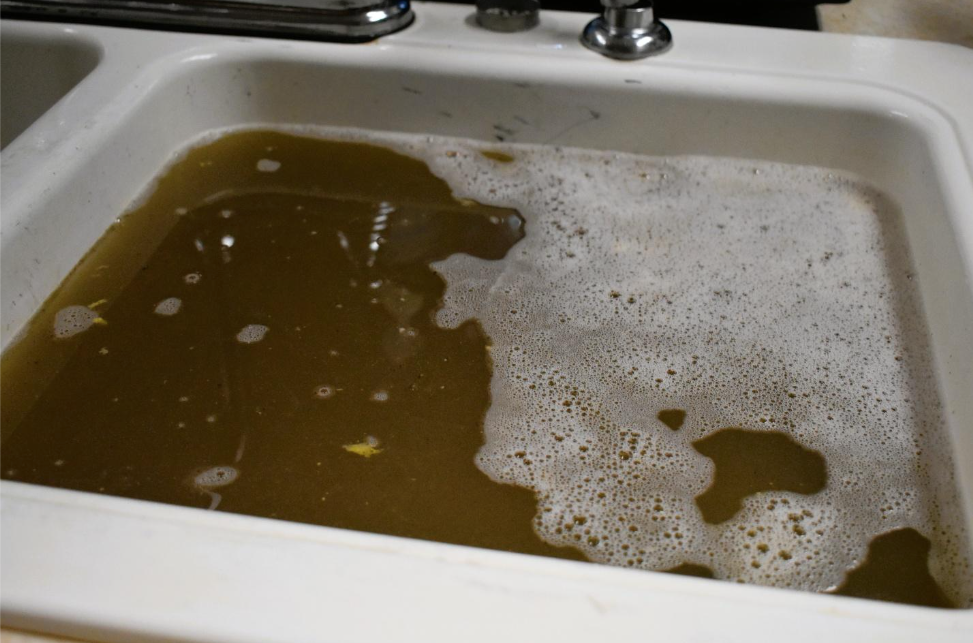
Photo from iStock - Credit: Sandra Sapp
Common Causes of Tough Drain and Sewer Clogs
Hair, grease, and soap scum often accumulate inside traps and near fixture drains until they form a stubborn mat that slows flow. Understanding the hidden journey of kitchen grease can help explain how fats and oils cling to pipe walls and catch passing debris, creating a thicker obstruction over time. In bathrooms, repeated hair buildup around the P-trap and trap arm commonly narrows the opening first. Early signs include slow-draining tubs and showers that clear only after multiple plunges.
Mineral scale from hard water can narrow pipes gradually and make other debris stick more easily than on clean pipe walls. Scale forms rough surfaces that trap grease and hair and reduce flow capacity in the same run. In metal pipes, advanced buildup can reduce hydraulic performance and increase the chance of recurring clogs. A camera inspection shows scale as raised ridges and reduced interior diameter.
Tree root invasion is a common cause of severe blockages when roots find cracks or joints and grow inside sewer lines, creating webs of fibrous material. Roots often cause partial flow that slowly worsens, and they can regrow after a cut if the source remains. When a camera shows roots, a technician typically assesses whether cutting plus cleaning will hold or if replacement is needed.
Broken, collapsed, or offset pipes trap debris in low spots and at misaligned joints, leading to repeat clogs and backups. Grease and solids collect where flow stagnates, and snaking may only punch a hole through the mass without removing the surrounding residue. In these situations, professional plumbers clearing sewer line clogs fast may use a camera inspection to identify the blockage and check for structural damage before choosing a cleaning method. A professional can then determine whether hydro jetting is appropriate or could worsen an existing collapse. Inspecting cleanouts, recording footage, and documenting pipe condition guide a safe, effective repair plan.
Warning Signs You Need Immediate Plumbing Attention
Persistent slow drains that affect multiple fixtures often indicate a main-line problem needing immediate attention. You might notice water backing up in a lower fixture when an upper fixture runs, or toilets gurgling after a shower. Foul sewage smells near drains or cleanouts are a clear sign that waste is not flowing correctly. If you detect repeated backups despite plunging and enzyme treatments, call a professional promptly.
Active sewage backups that leave water on floors or in fixtures pose health risks and need urgent response. Raw sewage contains bacteria and pathogens that can contaminate surfaces and materials. A technician will locate the nearest cleanout and may run a camera to confirm the blockage and the level of contamination. Until help arrives, avoid contact with the water and ventilate the area if it is safe to do so.
Sudden, loud gurgling from toilets or drains after other fixtures run suggests trapped air from a severe blockage or a venting issue. Professionals check the vent stack, P-trap condition, and cleanout access when diagnosing this symptom. A camera inspection can reveal whether roots, collapsed pipe sections, or heavy grease are causing the airlock. If inspection shows widespread buildup or roots, hydro jetting services are often the recommended next step.
Visible signs of pipe damage like sinkholes, wet patches in yards, or repeated localized leaks deserve immediate evaluation. Technicians will test flow rates, access the cleanout, and record video to determine whether the pipe has structural failure. When a camera shows cracks or offsets, some cleaning methods can worsen the condition, so the pro must judge whether jetting is safe. For homeowners in Florence, South Carolina prompt inspection protects property and helps choose the right corrective action.
Snaking Versus Hydro Jetting Comparative Performance
Snaking and hydro jetting differ in how they contact the blockage and affect pipe walls during cleaning. A snake pushes or pulls a coil through the line to break or open the obstruction without scrubbing the interior surface. Hydro jetting uses pressurized water to scour the full pipe circumference and remove adhesive residue that causes re-clogs. Deciding between them depends on clog type, pipe material, and long-term maintenance goals.
- Snaking clears discrete obstructions like compacted hair or a lodged toy.
- Hydro jetting removes grease, mineral scale, and soft root mats.
- Snaking can leave residue that later catches debris.
- Jetting reduces surface buildup across long pipe runs.
Professionals diagnose the condition before choosing a method by running a camera inspection through the cleanout. The camera reveals obstruction type, pipe material, joint condition, and any scale or root intrusions that affect safety. Technicians may measure flow recovery after a test snake pass to compare with jetting expectations. This evidence-based approach guides whether a quick snake or a full jetting session will solve the problem.
Snaking suits narrow, localized clogs in PVC or newer plastic traps where wall damage risk is low. Hydro jetting proves better for lines with grease coating, heavy scale, or soft roots needing removal across long distances. For older cast-iron or clay pipes with cracks, a camera must confirm structural soundness before jetting occurs.
When Homeowners Should Call a Professional Service
Call a professional when clogs recur after simple DIY fixes or when multiple fixtures drain slowly at once. These patterns often indicate deeper buildup or a main-line restriction that needs accurate diagnosis. A trained technician will access the cleanout and avoid forcing tools that could worsen hidden damage. Early professional involvement can prevent emergency backups that lead to property damage and higher repair costs.
If you smell sewage near drains or see water pooling after using several fixtures, arrange a service visit promptly. Professionals will perform noninvasive checks like running a camera and testing flow to pinpoint the problem location. They will also inspect components such as P-traps, vent stacks, and cleanouts to identify contributing defects or misalignments. This step helps determine whether mechanical cleaning or a more extensive repair is required.
Homeowners should seek a pro when pipe material or age raises concern before applying aggressive cleaning methods. A technician evaluates pipe condition on camera and selects pressure settings and nozzle types that match the material. They will avoid hydro jetting services if footage shows active cracks or collapsed sections that jetting could worsen. Choosing a vetted approach reduces the risk of creating a larger failure during cleaning.
Schedule a professional assessment in Florence, SC when roots, heavy grease, or mineral scale appear likely from symptoms like slow flow and recurring blockages. The expert will combine camera footage, cleanout access, and a simple test snake pass to decide whether to proceed and how. They may provide a written recommendation and recorded footage for your records and follow-up decisions. This documentation clarifies the expected results and helps plan preventive maintenance.
Consider professional help for rental or multiunit properties that need documented work and lasting solutions to protect tenants and assets. A trained technician can record findings and recommend maintenance intervals based on observed scale or root patterns.
What Pro Checks During Hydro Jetting Evaluation
A technician begins by locating and opening the nearest cleanout to gain direct access and avoid stressing fixtures like S-traps. They run a sewer camera to record blockage location, pipe joints, and interior condition before any cleaning begins. The camera feed helps decide safe pressure levels and whether to proceed with hydro jetting services. Recorded footage also becomes part of the written inspection report for homeowner records.
Next, the pro performs a manual test snake pass to assess how the obstruction reacts and measure initial flow recovery. They check components such as P-traps, vent stacks, and shutoff valves that influence drainage and venting performance. Measuring backflow behavior and fixture interaction helps determine whether the issue is isolated or affects the main line. This step provides real-world comparison data between snaking and jetting outcomes.
Pipe material and structural integrity receive close inspection through recorded video to spot cracks, offsets, or heavy scale that could change the recommended method. If clay, cast iron, or older lines show fractures, the technician evaluates whether lower-pressure cleaning or an alternative repair is safer. They also note root intrusion patterns and where roots enter joints to anticipate regrowth after cleaning. A clear condition assessment prevents a cleaning method from worsening hidden damage.
Before running a jetter, the plumber selects nozzle type and pressure settings matched to pipe diameter, material, and obstruction type seen on camera. They verify that cleanout seals and nearby fixtures are protected from splash or debris during the service. The professional documents expected results, potential risks, and follow-up recommendations for preventive maintenance.
Safety Measures and Risks with Hydro Jetting Use
Hydro jetting uses powerful pressure that can dislodge pipe material if the line has unseen fractures or thin walls. A technician secures the cleanout and monitors pressure gauges during startup to prevent sudden spikes. They also keep a camera recording to spot new leaks that appear while jetting progresses through the run. If footage or gauges show worsening conditions, the operator stops immediately and discusses alternatives with the homeowner.
- Wear eye protection during setup and operation.
- Isolate affected fixtures before starting work.
- Keep bystanders away from the cleanout area.
- Use a pressure gauge to monitor output.
- Document pre- and post-inspection footage.
Operators choose nozzle types and pressure ranges to reduce the chance of harming joints or older cast-iron sections. They also protect nearby fixtures and vents to prevent water backflow or splash into living areas. A controlled start at low pressure helps verify how the pipe reacts before increasing force for stubborn residue removal. If roots are present, the technician evaluates regrowth risk and schedules follow-up checks rather than assuming a permanent fix.
Homeowners should expect professionals to explain risks like aggravating an existing crack or dislodging a misaligned joint during jetting. Avoid attempting DIY jetting because misapplied pressure can cause major leaks and expensive repairs.
Preventive Maintenance to Avoid Future Clogs
Schedule periodic inspections to catch slow buildup before it becomes a stubborn clog. A technician can run a camera and provide recorded footage showing early grease or scale. Regular checks let pros recommend cleaning intervals based on measured buildup, not guesswork. This approach reduces emergency calls and extends the life of the line.
Adopt simple homeowner practices to limit materials entering drains and creating adhesive layers. Use drain covers for hair and periodically flush kitchen drains with hot water after grease disposal chores. Avoid pouring cooking grease down sinks and collect it for proper disposal instead. These actions lower the frequency of heavy cleaning needs.
Consider a maintenance plan that pairs scheduled snaking with occasional hydro jetting services for longer-lasting results. A pro may alternate methods depending on camera findings and pipe condition over time. Documented service visits provide a record useful for spotting recurring root intrusion or worsening scale. That record helps plan repairs before failures occur.
When trees are near sewer lines, arrange root control checks and follow-up inspections after any cutting or treatment. Technicians can inspect cleanouts, record footage, and recommend timing for follow-up jetting to delay regrowth. For homeowners in Florence, South Carolina this proactive cycle can prevent repeated root-related backups. Consistent maintenance protects interiors and yard areas from sewage incidents.

 Your Privacy Choices