A garbage disposal not working is one of the most common kitchen plumbing issues, and most failures fall into a small set of patterns you can diagnose in minutes. Knowing which fixes you can handle and which require a plumber keeps a minor jam from turning into a bigger repair.
A broken garbage disposal can bring your kitchen to a halt. When you flip the switch and nothing happens, or you hear a strange humming noise, it's frustrating and inconvenient. The good news is that most garbage disposal problems are easy to fix yourself without calling a plumber.
Most disposal issues come from jams, clogs, tripped reset buttons, or power problems that you can solve in just a few minutes with basic tools. Understanding what's wrong with your unit is the first step to getting it working again.
This guide will walk you through common problems and their fixes. You'll learn why your disposal hums but won't grind, how to clear clogs that back up your sink, and when it makes sense to repair versus replace your unit. You'll also discover which items damage your disposal and how to keep it running smoothly.
In this article, here's what we'll cover:
- Identifying humming sounds without grinding
- Diagnosing sink backups linked to disposal clogs
- Reset button tripping causes and solutions
- Items to avoid placing in a disposal system
- Repair versus replacement considerations
Keep reading to learn how to pinpoint exactly what's wrong with your disposal and decide whether a quick fix or a full replacement is the smarter call.
Identifying humming sounds without grinding
A humming noise from your garbage disposal means the motor is getting power but the blades aren't spinning. This typically happens when something blocks the grinding plate or when the motor has overheated and needs to be reset.
Jammed grinding plate prevents motor rotation
When your garbage disposal hums but doesn't grind, a jammed grinding plate is usually the problem. Food waste, utensils, or hard objects can slip between the blades and the grinding ring, locking everything in place.
The motor tries to spin but can't move the stuck components. You'll hear a steady humming sound that continues as long as the switch stays on.
Common items that cause jams include:
- Silverware that falls into the disposal
- Fruit pits and bones
- Glass or metal fragments
- Fibrous vegetables like celery stalks
Turn off the disposal immediately if you hear humming without grinding. Leaving it running while jammed can damage the motor. Most disposals have a hex-shaped hole on the bottom where you can insert an Allen wrench to manually rotate the grinding plate and clear the jam.
Reset button limited by motor overheating
The reset button on your garbage disposal acts as a safety switch when the motor overheats. If your disposal hums briefly then stops, the motor likely got too hot and triggered the automatic shutoff.
This happens when the motor works too hard trying to grind tough materials or runs too long without stopping. The internal thermostat cuts power to prevent permanent damage.
Wait 10 to 15 minutes for the motor to cool down before pressing the red reset button on the bottom of the unit. If the button won't stay pressed or keeps popping out, the motor hasn't cooled enough yet or there's still a jam blocking movement.
Risk of forcing damaged internal components
Continuing to run a humming garbage disposal can burn out the motor or damage internal parts. The motor draws extra electrical current when it can't spin freely, generating excess heat that wears down the windings. According to the U.S. Consumer Product Safety Commission, ground-fault circuit interrupters are required for kitchen countertop receptacles within six feet of the sink, which is why electrical issues around a damaged disposal should always be taken seriously.
You might notice a burning smell coming from under the sink. This means the motor insulation is breaking down from overheating. The reset button may trip repeatedly even after cooling periods.
Warning signs of motor damage include:
- Burning odor from the unit
- Reset button that won't stay engaged
- No response when you press the reset button
- Humming that gets quieter or stops completely
If your disposal shows these symptoms after clearing a jam and resetting, the motor may be permanently damaged and need a full garbage disposal replacement.
Diagnosing sink backups linked to disposal clogs
Sink backups connected to your garbage disposal usually happen because food waste, grease, or insufficient water creates blockages in your drain pipes. The disposal itself often works fine, but the waste it grinds up gets stuck downstream in your plumbing system.
Food accumulation blocking sink drain
Food particles build up in your drain line over time and create solid blockages. When you run your garbage disposal, it grinds food into small pieces, but these pieces can stick to pipe walls and collect in bends.
The problem gets worse when you put fibrous foods like celery, potato peels, or pasta down your disposal. These materials don't break down completely and form clumps in your pipes. According to the U.S. Geological Survey, wastewater leaving your home includes substances such as food scraps, oils, soaps, and chemicals, all of which must be cleaned before being released back to the environment, so what your disposal grinds up has a much longer journey than just the pipes under your sink. You might notice water draining slowly at first, which means buildup is starting.
Common signs of food accumulation include:
- Water pools in your sink and drains slowly
- Gurgling sounds come from the drain
- Bad smells rise from the disposal
- Water backs up when you run the disposal
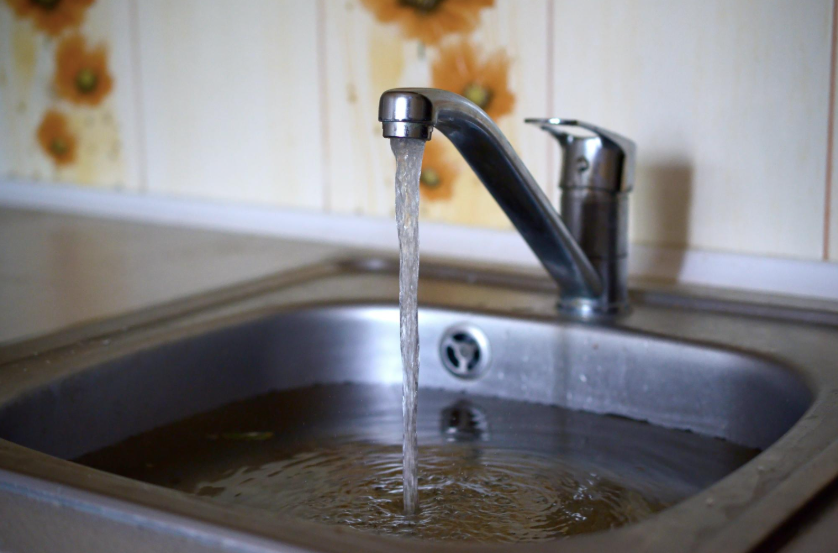
Check for clogs by filling your sink with a few inches of water and watching how fast it drains. If it takes more than a few seconds to empty, you likely have food buildup in your drain line that may need professional drain cleaning.
Grease and starch causing persistent clogs
Grease creates some of the toughest clogs in your kitchen sink disposal system. When hot grease goes down your drain, it cools and hardens on pipe walls. This sticky coating traps other food particles and builds up quickly.
Starchy foods like rice, pasta, and oatmeal expand when wet and form a gel-like substance. This material combines with grease to create dense blockages that water can't push through. Even small amounts of grease add up over weeks and months.
You can identify grease clogs because water backs up gradually rather than suddenly. The drain might work fine one day and fail the next. Standing water in your sink that won't drain at all usually means grease has completely blocked the pipe and may require hydrojetting to clear it.
Water flow insufficient for clearing heavy blockages
Running enough water while using your disposal prevents clogs from forming. You need cold water flowing at full pressure to push ground food through your pipes. Many people don't run water long enough or use too little pressure.
Cold water keeps grease solid so your disposal can chop it up before it enters your pipes. Warm or hot water melts grease, which then coats your drain walls. You should run cold water for at least 15 seconds before grinding food and keep it running for 30 seconds after the disposal stops.
Insufficient water flow lets food particles settle in your P-trap or drain line instead of washing down into your main waste pipe. This creates layers of debris that build into full clogs.
Reset button tripping causes and solutions
The reset button on your garbage disposal trips when the motor experiences stress or detects a problem that could cause damage. Understanding why this happens and how to fix it helps you restore your unit quickly and prevent future shutdowns.
Repeated jamming leading to motor overload
When your garbage disposal jams frequently, the motor works harder to spin the flywheel and blades. This extra effort generates heat and draws more electrical current than normal. The internal overload protector senses this strain and trips the reset button to prevent motor burnout.
Common items that cause jams include:
- Fibrous vegetables like celery and corn husks
- Fruit pits and hard seeds
- Plastic utensils or small objects
- Expandable foods like pasta and rice
- Coffee grounds that clump together
To fix this problem, turn off the power at the breaker. Use an Allen wrench in the hex hole at the bottom of the unit to manually rotate the flywheel back and forth. This breaks up the jam. Remove any visible debris from the top opening with tongs or pliers.
After clearing the jam, press the red reset button firmly until it clicks. Wait 10 minutes before trying again if it pops back out immediately.
Electrical issues disrupting performance
Faulty wiring or voltage problems cause your reset button to trip even when nothing is jammed. Loose connections at the wall switch create intermittent power that makes the motor work irregularly. A weak or inconsistent electrical supply forces the disposal to draw more current to maintain grinding power.
Check that the power cord is plugged in securely to the outlet. Test the outlet with a voltage tester to confirm it provides proper power. Inspect the wall switch for loose wires or damaged connections.
A tripped circuit breaker also cuts power to your disposal. Check your electrical panel and reset any tripped breakers. If the breaker trips again immediately, you likely have a short circuit or ground fault that needs professional plumbing repair along with a licensed electrician.
Diminished grinding power in aging units
Older garbage disposals trip their reset buttons more often because worn components make the motor struggle. Dull blades and corroded grinding rings require extra force to process food waste. Worn bearings create friction that increases heat buildup and current draw.
The motor itself loses efficiency over time. What once ground food easily now takes longer and uses more power. This extended run time triggers the overload protection.
If your disposal is more than 10 years old and trips frequently despite proper use, the internal components are likely worn out. Resetting the unit provides only temporary relief. Replacement becomes the most practical solution when age-related wear causes repeated tripping.
Items to avoid placing in a disposal system
Certain materials can jam blades, damage grinding components, or create stubborn clogs in your plumbing. Knowing which items to keep out of your disposal prevents costly repairs and keeps your system running properly. The U.S. Environmental Protection Agency notes that wastewater from homes carries nitrogen and phosphorus from human waste, food, and certain soaps and detergents into treatment plants that already process about 34 billion gallons every day, which is one more reason to be selective about what enters your drain.
Fibrous foods restricting blade movement
Fibrous vegetables and plant materials wrap around disposal blades instead of breaking down. Celery stalks, asparagus, corn husks, and artichokes create stringy tangles that stop the grinding mechanism from rotating.
Onion skins are particularly problematic because their thin membrane slips past the blades and clogs the drain pipe. Banana peels, rhubarb, and pumpkin pulp cause similar issues.
The fibers act like rope around the motor shaft and blades. This binding action forces the motor to work harder, which can burn out the motor or trip the reset button. You should throw these items in your trash or compost bin instead.
Foods to avoid include:
- Celery and asparagus
- Corn husks and silk
- Onion skins and layers
- Artichoke leaves
- Potato peels in large quantities
Hard objects damaging grinding mechanisms
Bones, fruit pits, and shells are too hard for disposal blades to grind effectively. Chicken bones, pork chop bones, and beef bones will dull the blades and strain the motor. Peach pits, avocado pits, and cherry pits create the same damage.
Eggshells seem harmless but their membrane lining sticks to the grinder and the crushed shells accumulate like sand in your pipes. Nut shells and seafood shells also resist grinding and create buildup.
Your disposal's blades rotate to push food against a grinding ring, but hard materials just bounce around without breaking down. The motor runs continuously while making loud grinding noises, which means it's working without accomplishing anything. This wears out components faster and can crack the grinding chamber.
Oils and grease causing plumbing issues
Cooking oil, bacon grease, and butter stay liquid when hot but solidify as they cool in your pipes. This coating narrows the pipe diameter and traps other food particles flowing through the drain.
Even small amounts of grease build up over time. The disposal might seem to work fine initially, but the accumulation happens downstream in your plumbing. Eventually this creates a stubborn clog that requires professional cleaning, especially when paired with a sink repair if the line has already failed.
Fat from meat drippings and salad dressings causes the same problem. You should wipe greasy pans with paper towels before washing them. Pour cooled cooking oil into a container and throw it in the trash instead of running it down your disposal with hot water.
Repair versus replacement considerations
Minor problems like jams often need simple fixes, while leaks from damaged seals may require part replacements. Units older than 10 to 15 years usually need full replacement rather than continued repairs.
Repairing minor jams and clogs
Most jams happen when hard items like bones or fruit pits get stuck in the grinding chamber. You can often fix this yourself by turning off the power and using an Allen wrench in the bottom reset hole to manually rotate the blades.
If your disposal hums but doesn't grind, something is blocking the flywheel. Never put your hand inside the unit. Use tongs or pliers to remove visible objects from the top opening.
Simple clogs respond well to the reset button on the disposal's bottom. Press it after clearing any blockage. For deeper clogs, run cold water and try the disposal again.
When to repair:
- The unit is less than 8 years old
- Repair costs under $100
- Only one issue exists
- The motor still runs
Addressing housing or seal damage from leaks
Leaks from the top mounting area often mean worn rubber gaskets. These seals cost $10 to $30 and take about an hour to replace. You'll need to disconnect the disposal from the sink. A professional leak detection service can confirm whether the leak is from the seal or the housing itself.
Bottom leaks signal cracked housing, which usually can't be fixed. The disposal's body develops cracks from age or impact damage. Water dripping from the reset button area means internal seal failure.
Side connection leaks at the dishwasher hose or drain pipe just need new rubber washers and tighter clamps. Check all connection points before assuming the housing itself has failed.
Garbage disposal repair for seal damage makes sense if the unit is newer than 5 years. Older disposals with housing cracks need replacement because the repair cost approaches a new unit's price.
Recognizing the end of service life
Garbage disposals last 10 to 15 years with normal use. After this point, multiple problems often appear close together. Frequent resets, weak grinding, and persistent odors indicate worn components throughout the system.
Motor power decreases over time. If your disposal takes longer to grind the same amount of food, the motor is wearing out. This can't be repaired economically. Catching wear early during a routine plumbing inspection often gives you more time to plan the replacement on your terms.
Rust inside the grinding chamber means the protective coating has failed. Once rust starts, it spreads quickly and contaminates your drain system. Replacement is the only option.
Cost comparison:
- Repair with labor: $70 to $250
- New unit with installation: $250 to $600
- DIY replacement: $100 to $300
Replace rather than repair if your unit needs multiple fixes or shows rust damage.
Final thoughts on fixing your garbage disposal
Most garbage disposal problems have simple fixes you can handle yourself. You don't need special skills or expensive tools to get your disposal working again.
The reset button solves many issues in just seconds. Press it when your disposal stops working unexpectedly. If that doesn't work, check for jammed objects or tripped breakers.
Common fixes you can do:
- Press the red reset button on the bottom of the unit
- Remove stuck objects with pliers or tongs
- Check your electrical panel for tripped breakers
- Clear clogs from the drain line
- Use the Allen wrench to manually turn the flywheel
You should always turn off the power before working on your disposal. This keeps you safe while you troubleshoot the problem.
Some problems need professional help. Call a plumber if you find major leaks, damaged parts, or electrical issues you can't fix. A unit that's over 10 years old might need replacement instead of repair.
Regular maintenance prevents most disposal problems. Run cold water while using it. Avoid putting grease, bones, or fibrous foods down the drain. Clean it monthly with ice cubes and dish soap.
Your garbage disposal should last 8 to 15 years with proper care. Fix small problems quickly before they turn into bigger ones. Keep the reset button location in mind for future use.
If your disposal is failing repeatedly or you'd rather hand off the repair entirely, schedule a visit with Benjamin Franklin Plumbing of Conroe and get it back to working order today.

 Your Privacy Choices