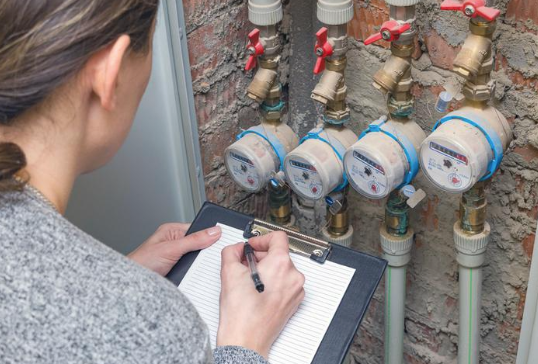
A commercial plumber handles a different scale of work than a residential one, dealing with bigger systems, more demanding fixtures, and a higher cost of failure when something breaks. Understanding what these professionals do and when to call them keeps your business running and protects you from costly downtime.
When your business faces a plumbing emergency, you need more than just any plumber. Commercial plumbers specialize in the complex plumbing systems found in offices, restaurants, retail spaces, and other business properties, handling larger-scale issues that differ greatly from residential work. These professionals understand the unique demands of keeping a business running smoothly.
Commercial plumbing problems can shut down your operations and cost you money every minute they go unresolved. From multi-floor pipe systems to high-capacity water heaters, commercial buildings have different needs than homes. The equipment is bigger, the stakes are higher, and the repairs require special training and tools.
This article will help you understand what commercial plumbers do and why their expertise matters for your business. You'll learn about the common problems that affect commercial properties, what happens when you ignore these issues, and how professional services protect your investment.
In this article, here's what we'll cover:
- When plumbing problems impact day-to-day business
- Consequences of ignoring commercial plumbing problems
- Distinct repair needs for commercial plumbing
- Services performed during commercial plumbing calls
- Results of professional commercial plumbing services
Keep reading to find out which commercial plumbing issues can wait for a routine service call, which ones need an immediate response, and what to look for in the right plumber for your business.
When plumbing problems impact day-to-day business
Plumbing failures create immediate obstacles for businesses by limiting access to essential facilities and slowing down normal work routines. These disruptions affect both your staff's ability to work efficiently and your customers' overall experience.
Slow drains and leaks affect employees and customers
Slow drains in your restrooms and break rooms create unsanitary conditions that employees notice right away. Water pooling around sinks or toilets makes these spaces unpleasant to use. Your staff may avoid using facilities altogether, which leads to longer breaks as they search for working restrooms elsewhere.
Leaks under sinks or around fixtures cause water damage to floors, walls, and surrounding areas. This creates slip hazards that put both employees and customers at risk. The constant dripping also wastes water and drives up your utility bills each month.
Customers form quick judgments about your business based on restroom conditions. A backed-up sink or pooling water signals poor maintenance. Many customers will choose not to return if they encounter dirty or malfunctioning facilities during their visit.
Plumbing downtime disrupts normal business hours
A complete plumbing failure can force you to close your doors temporarily. Restaurants cannot operate without working sinks, dishwashers, or toilets. Office buildings must send employees home when restrooms become unusable.
Each hour of downtime means lost revenue and disappointed customers. Your competitors gain an advantage when your business cannot serve customers due to plumbing problems. Emergency repairs also cost significantly more than scheduled maintenance.
Some plumbing repairs require shutting off water to entire sections of your building. This limits which areas your staff can use for several hours. You may need to restrict customer access to certain floors or wings until repairs are complete.
Small issues spread quickly in high-use systems
Commercial plumbing systems handle much higher volume than residential pipes. A minor clog in one drain can quickly affect connected fixtures throughout your building. What starts as a slow drain in one restroom can become a backup affecting an entire floor.
According to the U.S. Environmental Protection Agency, office buildings, schools, hotels, hospitals, restaurants, and other commercial and institutional facilities use a significant amount of water in their daily operations, which is why even small inefficiencies multiply across a high-use system. High-traffic facilities experience more wear on pipes, valves, and fixtures. Small leaks grow larger as constant use puts pressure on weakened connections. A dripping faucet can progress to a burst pipe within days in a busy commercial setting.
Your plumbing system operates as a network where problems rarely stay isolated. Pressure changes from one blocked drain affect water flow elsewhere in your building. Regular monitoring helps you catch these small problems before they multiply across your entire system.
Consequences of ignoring commercial plumbing problems
Small plumbing problems in commercial buildings rarely stay small. Water bills climb, customer complaints increase, and operations can grind to a halt when minor issues grow into major failures.
Hidden pipe leaks raise costs and damage risk
Hidden leaks inside walls, under floors, or in ceiling spaces waste thousands of gallons of water before you notice them. Your water bill can double or triple within a few months. A leak that drips just one drop per second wastes over 3,000 gallons per year. Professional leak detection catches these problems before they spread.
The financial damage goes beyond higher utility bills. Water from hidden leaks seeps into drywall, insulation, and structural supports. Mold starts growing within 24 to 48 hours in damp areas. You might need to replace entire sections of wall, flooring, or ceiling once the damage becomes visible.
These leaks also create liability risks. Wet floors can cause slip-and-fall accidents. Mold growth can trigger respiratory problems for employees and customers. Your insurance rates may increase after water damage claims.
Restroom failures trigger immediate customer concerns
A broken toilet or sink in your customer restroom creates an instant problem. Customers form negative opinions about your entire business based on restroom conditions. They may leave without making a purchase or choose not to return.
Health department violations follow quickly when restrooms don't work properly. Non-functioning toilets, backed-up drains, or lack of running water can result in:
- Immediate closure orders until repairs are complete
- Fines ranging from hundreds to thousands of dollars
- Failed health inspections that become public record
- Mandatory re-inspection fees after fixes
Employees also suffer when restrooms fail. They waste time dealing with customer complaints or traveling to other facilities. Morale drops when basic workplace needs aren't met.
Sewer backups can shut down operations
Sewer backups force immediate closure of restaurants, retail stores, offices, and other commercial spaces. Raw sewage creates health hazards that make your building unsafe for employees and customers. Most cities require you to close until professional cleaning and disinfection are complete.
The cleanup costs add up fast. Professional restoration services charge thousands of dollars to remove sewage, sanitize affected areas, and restore damaged property. You also lose revenue during the closure period.
Sewer problems damage your reputation in the community. Word spreads quickly when customers or employees encounter sewage issues. Online reviews mentioning these problems can hurt your business for years.
Distinct repair needs for commercial plumbing
Commercial buildings face different repair challenges than homes because of their size and how many people use them daily. Business plumbing repair often involves bigger systems, special equipment, and urgent timelines to keep operations running.
Larger networks handle heavier usage
Commercial plumbing systems serve more people and run for longer hours than residential systems. A single office building might support hundreds of workers using bathrooms, kitchens, and water fountains throughout the day.
This constant use puts more stress on pipes, valves, and connections. Leaks in commercial settings waste more water and can damage expensive equipment or inventory. When pipes break in a commercial building, the problem affects multiple floors or units at once.
Your system also operates under higher water pressure to reach all areas of a large building. This pressure wears down pipes faster and creates different failure points than in a home. Commercial pipes are often hidden behind walls or under concrete, making repairs more complicated and time-consuming.
Specialized fixtures require targeted maintenance
Commercial buildings use fixtures designed for heavy-duty use. These include industrial water heaters, pressure-reducing valves, backflow preventers, and grease traps in restaurant kitchens. According to the U.S. Environmental Protection Agency, replacing old, inefficient flushometer-valve toilets in a 10-story office building with 1,000 occupants could save nearly 1.2 million gallons of water and close to $10,000 per year, which shows how much hidden cost lives inside commercial fixtures that are past their prime.
Each piece of equipment needs specific repair knowledge. A plumber who fixes home water heaters might not know how to service a 500-gallon commercial unit. Grease traps require regular cleaning and repairs to prevent clogs that can shut down an entire kitchen.
Your building might also have specialized drainage systems for specific industries. Medical facilities need different fixtures than manufacturing plants. Getting these repairs wrong can violate health codes or safety regulations.
Fast responses minimize disruption and liability
When plumbing fails in your business, every minute of downtime costs money. Employees can't work without functioning bathrooms. Customers leave if facilities are closed.
An emergency commercial plumber needs to respond quickly to limit these losses. A burst pipe in a retail store during business hours can flood merchandise and force you to close. Water damage also creates slip hazards that put you at risk for lawsuits.
Your insurance may require proof of quick action to cover water damage claims. Having a plumber on-call who understands commercial systems helps you meet these requirements. They can also work after hours to avoid disrupting your normal operations.
Services performed during commercial plumbing calls
Commercial plumbing services address problems that affect business operations, from clogged drains in busy kitchens to hidden leaks in complex pipe systems. These calls handle immediate repairs and ongoing maintenance that keeps commercial properties running smoothly.
Drain cleaning for kitchens, restrooms, and lines
Commercial drain cleaning tackles blockages that slow down or stop business operations. Restaurant kitchens need regular cleaning to remove grease, food particles, and debris that build up in drains and cause backups. Public restrooms in shopping centers, office buildings, and hotels require frequent attention because they handle high traffic throughout the day.
Professional plumbers use specialized equipment for commercial properties. Hydrojetting blasts water through pipes at high pressure to clear stubborn clogs and remove buildup along pipe walls. Snake augers break through solid blockages in main lines and branch drains.
The scope of commercial drain work is much larger than residential jobs. A single restaurant might have multiple floor drains, prep sink lines, and grease traps that all need servicing. Office buildings have drain systems that connect dozens of restrooms and break rooms across multiple floors.
Regular drain cleaning prevents emergency shutdowns. When drains back up during peak business hours, you lose customers and revenue while waiting for repairs.
Leak detection and pipe repair for large systems
Commercial pipe repair addresses leaks and damage in extensive plumbing networks that span entire buildings. Plumbers use electronic leak detection equipment, thermal imaging cameras, and acoustic sensors to find hidden leaks behind walls or under concrete floors. These tools locate problems without unnecessary demolition or guesswork.
Large commercial systems have different repair needs than homes. High-rise buildings need repairs on vertical pipe stacks that supply water to upper floors. Warehouses and factories have pipes running through difficult-to-access areas like ceilings and equipment rooms.
Common commercial pipe repairs include:
- Burst pipe replacement from freezing or age-related failures
- Slab leak repairs under concrete foundations
- Corroded pipe section replacement in older buildings
- Joint repairs where pipe connections have failed
- Water line repairs that supply entire buildings
Fast pipe repair minimizes water damage to inventory, equipment, and building materials. A small leak can waste thousands of gallons and increase your water bills before you notice the problem.
Preventive maintenance reduces emergency risks
Scheduled maintenance visits catch small problems before they become emergencies. Plumbers inspect water heaters, check pipe connections, test water pressure, and examine drain flow during routine service calls. They identify worn parts that need replacement and pipes showing early signs of corrosion.
Preventive commercial plumbing services create maintenance schedules based on your building type and usage patterns. Restaurants might need monthly grease trap cleaning and quarterly drain inspections. Office buildings benefit from semi-annual system checks and annual water heater servicing.
You save money by avoiding after-hours emergency calls and business interruptions. Regular maintenance extends the life of your plumbing fixtures and major components like water heaters and sump pumps. Your insurance costs may decrease when you document consistent system maintenance.
Maintenance programs also ensure code compliance for commercial properties. Plumbers verify that backflow preventers work correctly, emergency shutoffs remain accessible, and fixtures meet current regulations during their visits.
Results of professional commercial plumbing services
Professional commercial plumbing delivers measurable improvements in how your business operates. These benefits show up in daily operations, emergency response times, and utility costs.
More reliable performance during peak hours
Your plumbing system faces its biggest test during peak business hours when multiple fixtures run simultaneously. Professional commercial plumbers design and maintain systems that handle maximum demand without pressure drops or temperature fluctuations.
A properly sized commercial system keeps water flowing consistently whether you run two fixtures or twenty at once. This matters most in restaurants, hotels, and office buildings where customer satisfaction depends on reliable water access.
Regular maintenance from professional plumbers identifies weak points before they fail during rush periods. They check water pressure levels, inspect high-use fixtures, and verify that your system capacity matches your actual needs.
Commercial plumbers also install backflow prevention devices and pressure regulators that maintain steady performance. These components protect your system from pressure surges and ensure compliance with local plumbing codes. The Centers for Disease Control and Prevention notes that many commercial buildings need a water management program to identify hazardous conditions in their water systems and minimize the health impact of waterborne pathogens like Legionella, which is one more reason regular professional oversight matters in larger facilities.
Reduced repair interruptions and downtime
Emergency plumbing failures cost businesses hundreds or thousands of dollars in lost revenue per hour. Professional commercial plumbing services cut these incidents through scheduled maintenance and early problem detection.
Trained plumbers spot corrosion, leaks, and wear patterns during routine inspections. They replace failing components before they break completely and force you to close operations.
When repairs become necessary, commercial plumbers work efficiently with minimal disruption to your business. They often schedule work during off-hours and use techniques that isolate problems without shutting down entire systems.
Professional services also maintain detailed records of your plumbing infrastructure. This documentation speeds up future repairs since technicians know exactly what components you have and where potential issues might develop.
Improved water efficiency and system reliability
Commercial buildings waste significant amounts of water through leaks, outdated fixtures, and poorly calibrated systems. Professional plumbers reduce your water consumption through strategic upgrades and precise adjustments.
Modern low-flow fixtures cut water use by 20 to 60% compared to older models without affecting performance. Commercial plumbers install these upgrades and ensure they work correctly with your existing pressure and pipe configuration.
They also fix hidden leaks that drain thousands of gallons monthly. A single running toilet wastes up to 200 gallons per day, while dripping faucets add up quickly across multiple bathrooms and break rooms.
Professional maintenance extends equipment lifespan by preventing mineral buildup, corrosion, and stress from improper operation. Water heaters, boilers, and pumps last years longer when serviced regularly by qualified technicians.
Conclusion
Commercial plumbers handle the complex plumbing needs of businesses and industrial facilities. They work with larger systems that serve more people than residential plumbing. These professionals install pipes, maintain equipment, and repair issues that could disrupt business operations.
The job requires specialized training and knowledge. Commercial plumbers must understand building codes and safety requirements. They work with systems like industrial water heaters, complex drainage networks, and specialized equipment that you won't find in homes.
When you hire a commercial plumber, you're protecting your business from costly downtime. A broken pipe or failed water system can shut down operations and affect your customers. Regular maintenance from qualified professionals prevents these problems before they start.
Commercial plumbers need strong problem-solving skills. They face time pressure because businesses can't afford long closures. They also deal with health and safety concerns that affect many people at once.
Your business depends on working plumbing systems. Finding a licensed commercial plumber who understands your facility's specific needs is important. They keep water flowing, drains clear, and your operations running smoothly every day. To put a trusted local team on call before something goes wrong, contact Benjamin Franklin Plumbing of Conroe today and schedule a commercial plumbing assessment for your facility.

 Your Privacy Choices