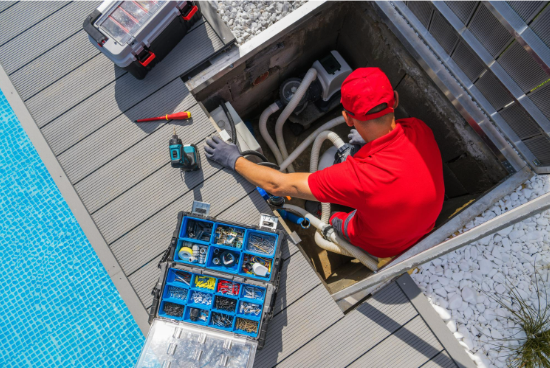
A pool that needs topping off every few days is rarely just thirsty in the heat. A proper pool leak inspection separates real water loss from normal evaporation and finds the exact spot where your pool is losing water, often before it shows on the surface or in your soil.
A pool that loses water faster than normal often signals a leak that needs attention. A professional pool leak inspection uses specialized equipment like pressure testing and acoustic detection to find hidden leaks in underground pipes, liners, and hard-to-reach areas without unnecessary digging. Many pool owners mistake regular evaporation for a leak, but a proper inspection can tell the difference and save you money on water bills and future repairs.
Finding and fixing leaks early protects your pool from structural damage and costly problems down the road. Without detection tools, leaks in buried pipes or behind pool walls can go unnoticed for months. This article will help you understand the warning signs of pool leaks, where they typically occur, and what happens during a professional inspection.
You'll learn how experts locate leaks, why waiting too long to repair them causes bigger issues, and what benefits you can expect after fixing the problem. Whether you're dealing with unexplained water loss or want to prevent future damage, understanding the inspection process helps you make informed decisions about your pool.
In this article, here's what we'll cover:
- Unexplained pool water loss: signs and misconceptions
- Typical locations where pool leaks develop
- Consequences of delayed leak repairs
- Steps involved in a professional pool leak inspection
- Benefits homeowners experience after leak repairs
Keep reading to learn how to tell the difference between evaporation and a real leak, which parts of your pool fail most often, and exactly what a technician does during a professional inspection.
Unexplained pool water loss: Signs and misconceptions
Pool owners often notice their water level dropping but struggle to identify whether it's normal evaporation or a hidden pool leak. Understanding the difference between these causes helps you address problems before they lead to expensive repairs or wasted resources.
Evaporation is often blamed when a hidden leak is the real problem
You might assume that hot weather explains your swimming pool water loss, but evaporation alone typically accounts for only 1/4 to 1/2 inch of water per day in most climates. If your pool loses more than this amount, you likely have a leak. According to the U.S. Department of Energy, the evaporation rate from an outdoor pool varies depending on the pool's temperature, the air temperature and humidity, and the wind speed at the surface, so an honest bucket test that controls for those conditions is the only reliable way to compare your pool's losses against normal evaporation.
Many pool owners overlook leaks because they expect obvious signs like puddles or visible cracks. Hidden pool leaks can occur in underground plumbing, at the skimmer, or through small cracks in the pool shell that aren't easy to spot. These leaks continuously drain water without leaving clear evidence on the surface, which is why thorough leak detection matters so much for pool systems.
You can perform a simple bucket test to determine if evaporation is the real culprit. Fill a bucket with pool water, mark the water level inside the bucket and on your pool wall, then place the bucket on your pool steps. After 24 hours, compare the water loss in both. If your pool lost significantly more water than the bucket, you have a leak.
Frequent refilling increases water bills without solving the issue
Adding water to your pool every few days seems like an easy fix, but this approach costs you money without addressing the underlying problem. Each time you refill, you're paying for the extra water usage that shows up on your monthly bill.
The water you add also dilutes your pool chemicals, forcing you to rebalance chlorine, pH, and other levels more often. This creates additional expenses for chemicals and testing supplies. Your filtration system also works harder to process the constant influx of fresh water, which can shorten equipment lifespan.
Ignoring a leak while continuing to refill wastes thousands of gallons per month depending on the leak's severity. According to the U.S. Environmental Protection Agency, residential outdoor water use across the United States accounts for nearly 8 billion gallons of water each day, and a single leaking pool adds an outsized share of that waste household by household.
Small leaks can worsen slowly before becoming visible
A minor crack or loose fitting might only leak a small amount of water initially, but water pressure and ground movement gradually expand these openings. What starts as losing an extra inch per week can turn into several inches per day within months.
Small leaks also cause secondary damage that isn't immediately apparent. Water escaping from your pool erodes soil around the structure, creating voids that lead to settling or cracking. Wet areas near your pool deck may develop soft spots or cause landscaping problems.
By the time you notice wet patches, algae growth from unstable chemicals, or structural issues, the leak has likely caused damage that requires more extensive repairs than if caught early.
Typical locations where pool leaks develop
Pool leaks tend to develop in specific areas where water pressure, mechanical stress, and material wear create weak points. Understanding these common failure zones helps you identify problems faster and prevents minor issues from becoming major repairs.
Underground plumbing lines can crack without obvious warning signs
The water lines running beneath your pool deck and yard face constant pressure from water flow, ground movement, and temperature changes. These underground lines can develop cracks or breaks that waste hundreds of gallons daily without any visible evidence above ground.
Older pools with PVC pipes are especially vulnerable as the material becomes brittle over time. Ground settling shifts the soil around these pipes, creating stress points that eventually fail. Tree roots can also penetrate and damage underground plumbing as they search for water sources.
Common underground leak indicators include:
- Unexplained water loss even when the pool equipment is off
- Soft or sinking spots in your deck or surrounding lawn
- Areas of grass that stay unusually green or wet
- Higher water bills with no change in usage patterns
Pool plumbing leak repair for underground lines typically requires professional detection equipment. Technicians use pressure testing and electronic listening devices to pinpoint the exact location before any outdoor plumbing excavation begins.
Pool fittings and skimmers often leak around seals and connections
Your pool's skimmer handles constant water flow and houses moving parts that create natural wear points. The seals connecting the skimmer to your pool wall deteriorate from chemical exposure and temperature fluctuations. Return jets, light fixtures, and drain covers all penetrate the pool structure with gaskets and seals that eventually fail.
These connection points experience different expansion rates between the pool shell and the installed fittings. This movement breaks down waterproof seals over time. Skimmers also collect debris that can damage the weir door and create gaps where water escapes.
You might notice water levels dropping below the skimmer opening or wet soil near equipment areas. The plastic components around these fittings can crack from UV exposure and chemical imbalance.
Structural cracks allow water to escape beneath the surface
The pool shell itself can develop cracks from ground movement, freeze-thaw cycles, or poor initial construction. Concrete pools are particularly susceptible to hairline fractures that widen over time. Vinyl liners develop tears along seams, at the pool bottom, or where the liner attaches to the wall.
These structural failures often start small but worsen as water pressure pushes through the openings. The cracks may only be visible when you drain the pool or look closely at specific areas. Fiberglass pools can also crack at stress points, though this is less common than with concrete structures.
Consequences of delayed leak repairs
Waiting to fix a pool leak creates problems that extend far beyond rising water bills. The water escaping from your pool can compromise soil stability, threaten nearby structures, and create ongoing structural issues that become more expensive over time.
Water loss can weaken surrounding soil and hardscaping
When water leaks from your pool, it saturates the soil around your pool structure. This constant moisture changes how the soil behaves and reduces its ability to support weight properly.
The saturated soil can cause your pool deck to sink or crack. Pavers and concrete slabs lose their stable foundation when the ground beneath them stays wet for long periods. You might notice uneven surfaces, gaps between sections, or visible settling around the pool area.
Soil erosion happens gradually as leaked water washes away particles underground. This creates voids or hollow spaces that you cannot see from above. These hidden gaps make the ground unstable and can lead to sudden collapses of walkways or patio areas.
Clay soils expand when wet and shrink when dry, which creates a cycle of movement. Sandy soils lose their compact structure and shift easily. Both soil types experience significant changes that affect everything built on top of them.
Hidden leaks may damage nearby foundations over time
Pool leaks that go undetected can send water toward your home's foundation or other structures on your property. This water travels through soil and follows the path of least resistance, often ending up where you least expect it. A timely slab leak check can confirm whether the moisture is reaching the foundation itself.
Foundation damage from pool leaks shows up as cracks in basement walls, shifts in the foundation itself, or moisture problems inside your home. These issues develop slowly but create serious structural problems that require expensive repairs.
The water pressure against foundation walls increases when soil stays saturated. This pressure, called hydrostatic pressure, can push walls inward or create cracks that allow more water to enter. Your foundation loses its structural integrity over months or years of exposure.
Retaining walls, fences, and outdoor structures near your pool face similar risks. The supports for these features weaken when surrounded by wet soil for extended periods.
Constant moisture creates long-term structural concerns
Ongoing water exposure from pool leaks affects your pool's own structure and the materials used in its construction. The steel reinforcement in concrete pools can rust when water reaches it through cracks or deteriorated surfaces.
Rust causes the steel to expand, which creates more cracks in the concrete. This cycle of damage gets worse over time and can compromise the entire pool shell. The repairs become more extensive and costly the longer you wait, and they usually require professional pipe repair on the affected plumbing runs.
Pool equipment and plumbing suffer damage when leaks persist. According to the U.S. Department of Energy, a pool pump is typically the largest electric motor in your home and can cost up to $270 per year in utility bills, so a pump that's working harder to compensate for a leak burns through both electricity and its own lifespan faster than it should. Underground pipes may also experience additional stress or corrosion from the wet environment created by the leak.
Your pool's bond beam and coping can separate from the shell when water undermines their support. The tile and finish materials may crack or pop off as the structure shifts beneath them.
Steps involved in a professional pool leak inspection
Professional pool leak detection follows a structured approach to find water loss in both the pool structure and underground plumbing. Technicians use three main methods to identify where your pool is losing water and how severe the problem is. A complete plumbing inspection ties those methods together into one diagnosis.
Pressure testing helps locate underground plumbing leaks
Pool pressure testing checks the integrity of your underground pipes. A technician will isolate different sections of your plumbing system and use compressed air to pressurize each line. If the pressure drops over a set period, it means that section has a leak.
This method works on skimmer lines, return lines, and main drain pipes. The technician monitors a pressure gauge for 15 to 30 minutes per line. Any drop in pressure indicates a leak in that specific section of plumbing.
Once pressure testing identifies which line is leaking, the technician can focus on that area. This saves time and prevents unnecessary digging or demolition. Pressure testing is one of the most reliable ways to detect underground plumbing leaks that you cannot see from the surface.
Dye testing identifies cracks and fitting failures
Dye testing uses special colored dye to reveal leaks in your pool's structure. A technician releases dye near suspected leak areas while the water is still. The dye gets pulled toward any openings where water is escaping.
This method works well for checking skimmer faceplates, light niches, return fittings, and visible cracks in the pool shell. The technician may also test steps, seats, and the main drain cover. Dye testing shows exactly where structural leaks are located.
The process requires calm water conditions to see how the dye moves. Technicians often use red or fluorescent dye that shows up clearly against the pool surface. This visual method helps identify leaks as small as a pinhole.
Leak detection equipment pinpoints hidden water loss areas accurately
Advanced equipment helps find leaks that basic methods cannot detect. Electronic listening devices pick up the sound of water escaping through cracks or pipe breaks underground. These tools use sonar technology to locate leaks without excavation. For homeowners who want to recognize trouble between professional visits, the same principles in this guide to how to detect water leaks carry over to pool plumbing.
Some technicians use underwater cameras to inspect pipes from the inside. Video inspection reveals cracks, separations, or blockages in your plumbing system. This equipment threads through your existing plumbing lines.
Thermal imaging cameras can also detect temperature differences caused by leaking water. Cold spots on your pool deck or equipment pad may indicate an underground leak. These tools help technicians find hidden problems quickly and accurately.
Benefits homeowners experience after leak repairs
Once you fix pool leaks, you'll notice immediate improvements in water retention, monthly expenses, and the structural integrity of your pool system. These repairs address both visible water loss and hidden problems that could affect your property value.
Stable pool water levels without constant refilling
You'll stop reaching for the hose every few days to top off your pool. A repaired pool maintains its proper water level naturally, requiring only minor adjustments for evaporation and normal splashing.
Your pool equipment also works better when water levels stay consistent. Pumps and filters need adequate water flow to function correctly. When leaks drain water below the skimmer line, your equipment runs dry and risks damage that often requires emergency plumbing to bring back online.
Key improvements you'll see:
- No more daily water level checks
- Skimmers operate at the right depth
- Chemical balance stays more predictable
- Pool surface stays protected from air exposure
You can plan vacations without worrying about returning to a half-empty pool. The time you spent monitoring and adding water goes back into your schedule for other tasks.
Reduced water waste and lower utility costs
Your water bill drops right away after leak repairs. A small leak wastes thousands of gallons each month, and you pay for every drop. Many homeowners see their water costs cut by 30 to 50 percent once leaks are fixed.
You'll also spend less on pool chemicals. When water constantly drains out, it takes your carefully balanced chemicals with it. You need to add chlorine, pH adjusters, and other treatments more often to replace what's lost.
Heating costs decrease if you run a pool heater. Leaking pools lose heated water continuously, forcing your heater to work harder and run longer to maintain temperature.
Improved confidence that hidden damage is no longer spreading
Leaks don't just waste water. They erode soil around your pool, undermine decking, and damage nearby structures. After repairs, you know water stays where it belongs instead of seeping into areas that cause expensive problems.
Your pool's structural components stay protected. Water escaping through cracks in plaster or liner can reach the shell, steel reinforcement, or surrounding foundation. Stopping leaks prevents this moisture damage from expanding.
You gain peace of mind about your property investment. Unrepaired leaks lead to settling, cracking, and shifting that costs thousands to fix later. Professional repairs stop the damage cycle before it spreads to patios, landscaping, or your home's foundation.
Conclusion
Pool leak inspections protect your investment and prevent expensive damage to your property. When you notice signs of water loss, acting quickly saves you money in the long run.
Professional inspectors use specialized tools to find leaks that you can't see with your eyes alone. They check the pool structure, plumbing lines, equipment, and surrounding areas. A thorough inspection gives you accurate answers about where water is going and how serious the problem is.
You have options when it comes to leak detection. DIY kits work for some simple situations, but they have limits. Professional services provide detailed reports with test results, photos, and repair recommendations.
Regular inspections help you catch problems early. Most experts recommend getting your pool professionally inspected once a year. This helps you find small issues before they turn into major repairs.
The inspection report you receive documents everything the technician found. It includes test results, suspected leak locations, and what needs to be fixed. Keep this report for your records and use it to plan repairs.
Finding and fixing leaks quickly protects your pool equipment, prevents structural damage, and stops water waste. Professional leak detection gives you the information you need to make smart decisions about repairs. The cost of an inspection is small compared to the damage an undetected leak can cause over time.
If you suspect your pool is losing more water than evaporation alone can explain, schedule a pool leak inspection with Benjamin Franklin Plumbing of Conroe and get a clear answer before the damage spreads to your deck, plumbing, or foundation.

 Your Privacy Choices