
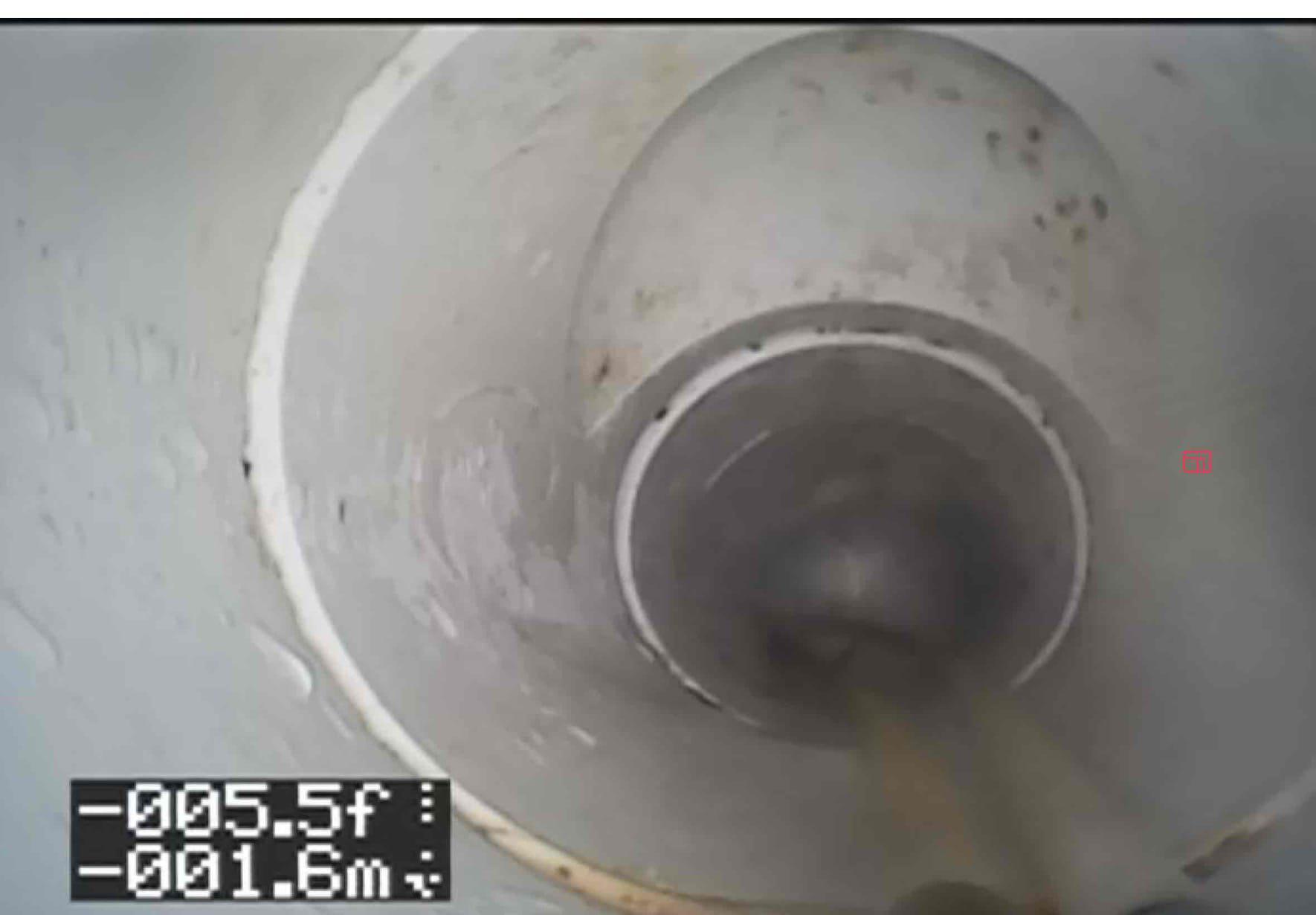
Most drain problems get diagnosed by inference. A drain backs up, someone runs a cable through it, water flows again, and everyone moves on without ever knowing what was actually in the pipe. That works fine for a one-time clog. It works poorly for a drain that keeps backing up — because if you don’t know the cause, you’re paying to treat the same symptom over and over.
A sewer camera inspection replaces that guesswork with footage. Here’s what it shows, when it’s worth doing, and what homeowners in Alpharetta and North Fulton typically learn from one.
How It Works
A high-resolution camera mounted on a flexible cable is fed into your main drain line, usually through an existing cleanout, and transmits live video of the pipe interior as it travels. You watch along with the technician. There’s no demolition, no digging, and for most homes the whole process takes under an hour.
The value isn’t the technology itself — it’s that every recommendation afterward is based on something you both saw rather than an educated guess about what’s happening four feet underground.
What the Camera Actually Finds
- Root intrusion. The most common finding in North Fulton’s wooded neighborhoods. The camera shows where roots entered, how far they extend, and whether the joint they came through is still structurally sound.
- Grease and scale buildup. Years of accumulation narrowing the pipe. This is what makes a line clog repeatedly weeks after clearing — the channel reopens, but the buildup is still there.
- Offset or separated joints. Georgia’s clay soil expands when wet and contracts when dry, and decades of that movement can shift pipe sections out of alignment, creating a permanent catch point for debris.
- Bellied sections. Where the line has sagged and holds standing water instead of draining. Clearing a belly does nothing, because the problem is the pipe’s position, not a blockage.
- Cracks and collapse. Anything from a hairline fracture letting roots in to a fully collapsed section requiring replacement.
- The pipe material itself. Cast iron, clay, and PVC each age and fail differently, and knowing what you have shapes which repair makes sense.
When It’s Worth Doing
A camera inspection isn’t necessary for every drain issue. A single slow bathroom sink from hair buildup doesn’t warrant one. These situations do:
- Recurring backups. If a drain has been cleared more than once or twice and keeps coming back, the cause isn’t being reached.
- Multiple drains slow at once. That indicates the main line rather than any individual fixture.
- Before buying an older home. A standard home inspection cannot evaluate the inside of a buried sewer line, and problems there rarely show symptoms on inspection day.
- Proactively, on an older home with heavy tree cover. Roots from mature hardwoods that have had decades to grow toward the line are the single most common cause of sewer trouble in this area.
Why This Matters More in Older North Fulton Homes
Much of Alpharetta, Milton, and Roswell was developed from the late 1970s through the 1990s. The sewer lines installed then are now 30 to 50 years old, and the trees planted at construction have had the same span to extend root systems toward them. On the larger lots common throughout Milton, Johns Creek, and Cumming, those lines also run longer distances — more pipe, more joints, more opportunity for something to develop.
None of that means your line has a problem. It means that if you’re having recurring drain issues in a home of that age, there’s usually a specific, findable cause rather than bad luck.
What Happens After the Inspection
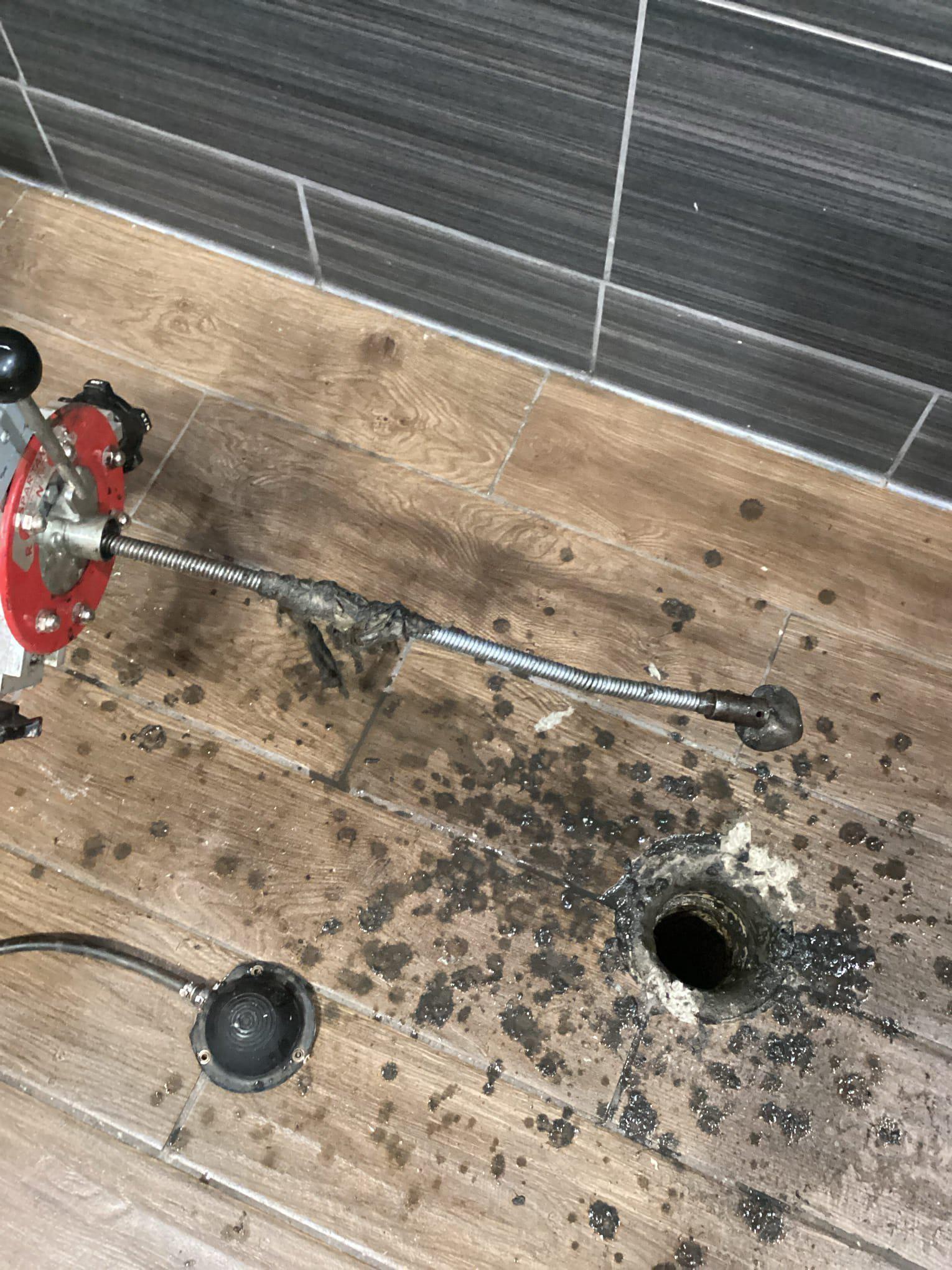
The footage determines the recommendation, and the options are genuinely different depending on what’s found. For buildup and root masses, hydrojetting scours the pipe wall to wall rather than punching a channel through. For contained damage at a joint or crack, trenchless pipe patch repair installs a cured-in-place liner inside the existing pipe, sealing the entry point without excavating the yard. For extensive deterioration, targeted section replacement is the durable fix.
We quote flat-rate pricing before any work begins, and there’s no obligation attached to the inspection itself — if the line is in good shape, that’s a useful thing to know too.
Call us 24/7 at (678) 833-2754 or book online. Serving Alpharetta, Milton, Roswell, Johns Creek, and Cumming.

 Your Privacy Choices