
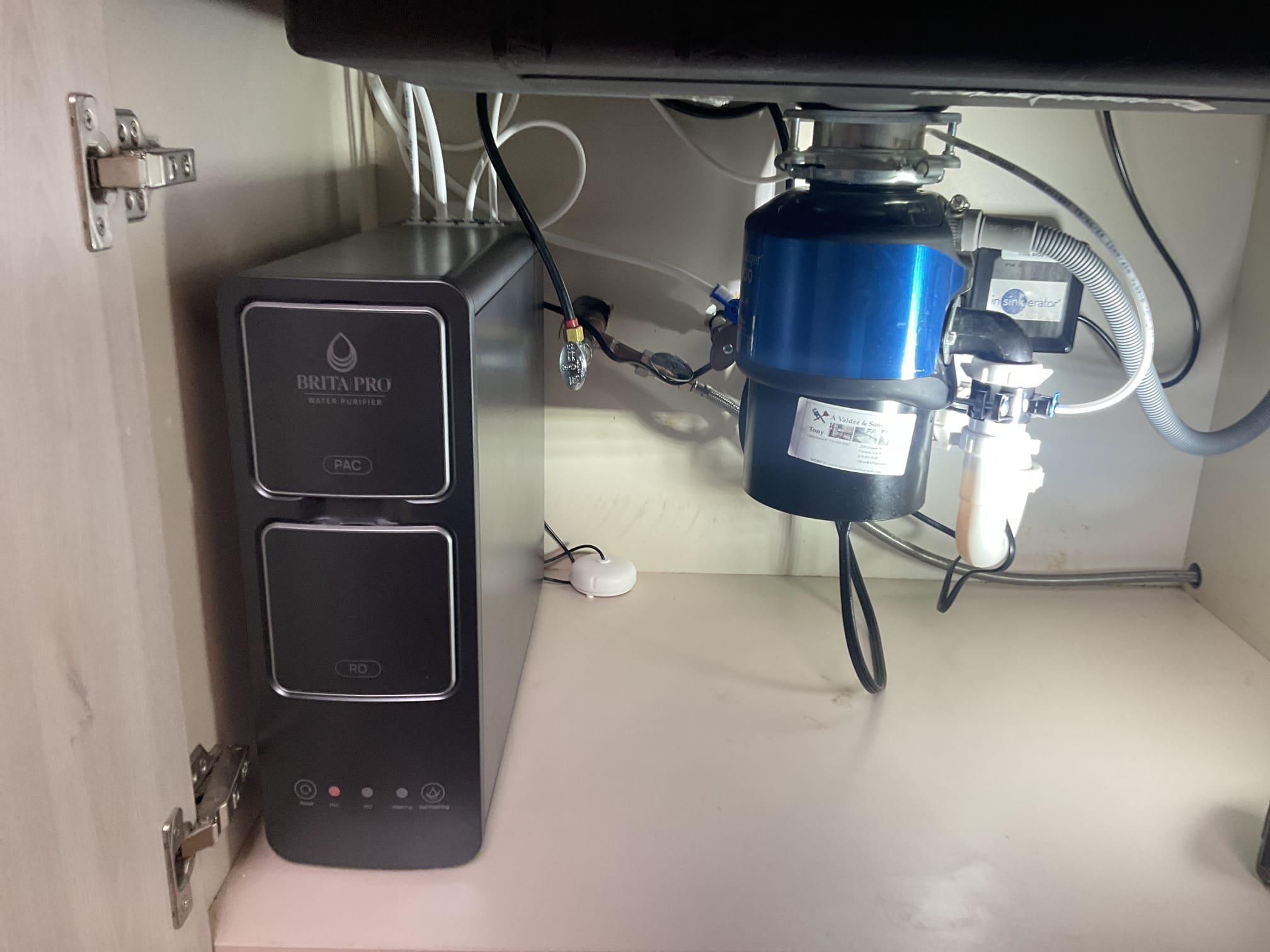
Most homeowners in Alpharetta, Cumming, Roswell, and the surrounding North Fulton communities don’t give much thought to their water quality until something makes them notice it — a drinking water taste that doesn’t feel quite clean, a faucet aerator that keeps clogging, or a water heater that seems to need attention more often than it should. Understanding what’s actually in your water — and how it interacts with your plumbing and appliances — is the first step toward deciding whether any treatment makes sense for your home.
Where North Fulton’s Water Comes From
Fulton County’s drinking water is drawn from the Chattahoochee River and treated at the Tom Lowe Atlanta-Fulton County Water Treatment Plant in Johns Creek, serving Alpharetta, Roswell, Milton, and Johns Creek. Forsyth County homeowners in Cumming are served by the Forsyth County Department of Water and Sewer, which draws primarily from Lake Lanier and the Chattahoochee River system.
Both systems produce water that is safe to drink and meets all federal and state standards. Fulton County’s 2024 Consumer Confidence Report confirmed no violations across all regulated substances. The water quality considerations for homeowners are not about safety — they are about the disinfection byproducts, chemical characteristics, and trace compounds that remain after treatment and that interact with your home’s plumbing system over time.
North Fulton’s Water Is Soft — But That Doesn’t Mean Problem-Free
One important clarification: North Fulton’s water supply is relatively soft. The Chattahoochee River and Lake Lanier are low-mineral surface water sources, and the treated water delivered to homes in Alpharetta and Cumming does not carry the high calcium and magnesium content associated with hard water markets. Scale buildup from hardness is not the primary water quality concern in this area.
The water quality issues that matter for North Fulton homeowners are different — and they are driven primarily by the disinfection process and the byproducts it produces.
Disinfection Byproducts: What the CCR Data Shows
Fulton County uses chlorine as its primary disinfectant, which is standard practice for surface water treatment. Chlorine is effective at eliminating microbial contaminants, but it reacts with naturally occurring organic matter in the water to form disinfection byproducts. The two main categories regulated by the EPA are trihalomethanes (TTHMs) and haloacetic acids (HAA5s).
Fulton County’s 2024 water quality report shows TTHMs detected at levels up to 83.1 ppb against an EPA maximum of 80 ppb on a running average basis, and HAA5s at up to 42.0 ppb against a 60 ppb limit. These levels are within compliance, but they are among the higher-end readings in the region. TTHMs and HAA5s are the byproducts that carbon filtration systems are specifically designed to reduce — and they are the primary reason a whole-home or point-of-use filtration system adds meaningful value in North Fulton homes beyond just improving taste.
Copper Pipe Corrosion in North Fulton
The plumbing concern that matters most for Alpharetta and North Fulton homeowners with homes from the 1980s and 1990s is copper pipe corrosion — specifically the pitting corrosion that produces the pinhole leaks we see consistently throughout the area’s aging housing stock. This is not a hard water problem. It is driven by the interaction between the water’s pH, chlorine chemistry, and dissolved organic compounds with aging copper pipe walls. The 2024 CCR confirms copper at the tap at the 90th percentile of 150 ppb — well within the EPA action level of 1,300 ppb — meaning the water authority’s distribution system pipes are not the issue. The corrosion problem is in the aging copper inside individual homes, where 30 to 40 years of water chemistry interaction has thinned pipe walls at their most vulnerable points. Whole-home water treatment can slow further degradation but does not reverse existing pipe wall damage.
Water Treatment Options for North Fulton Homes
Whole-Home Carbon Filtration
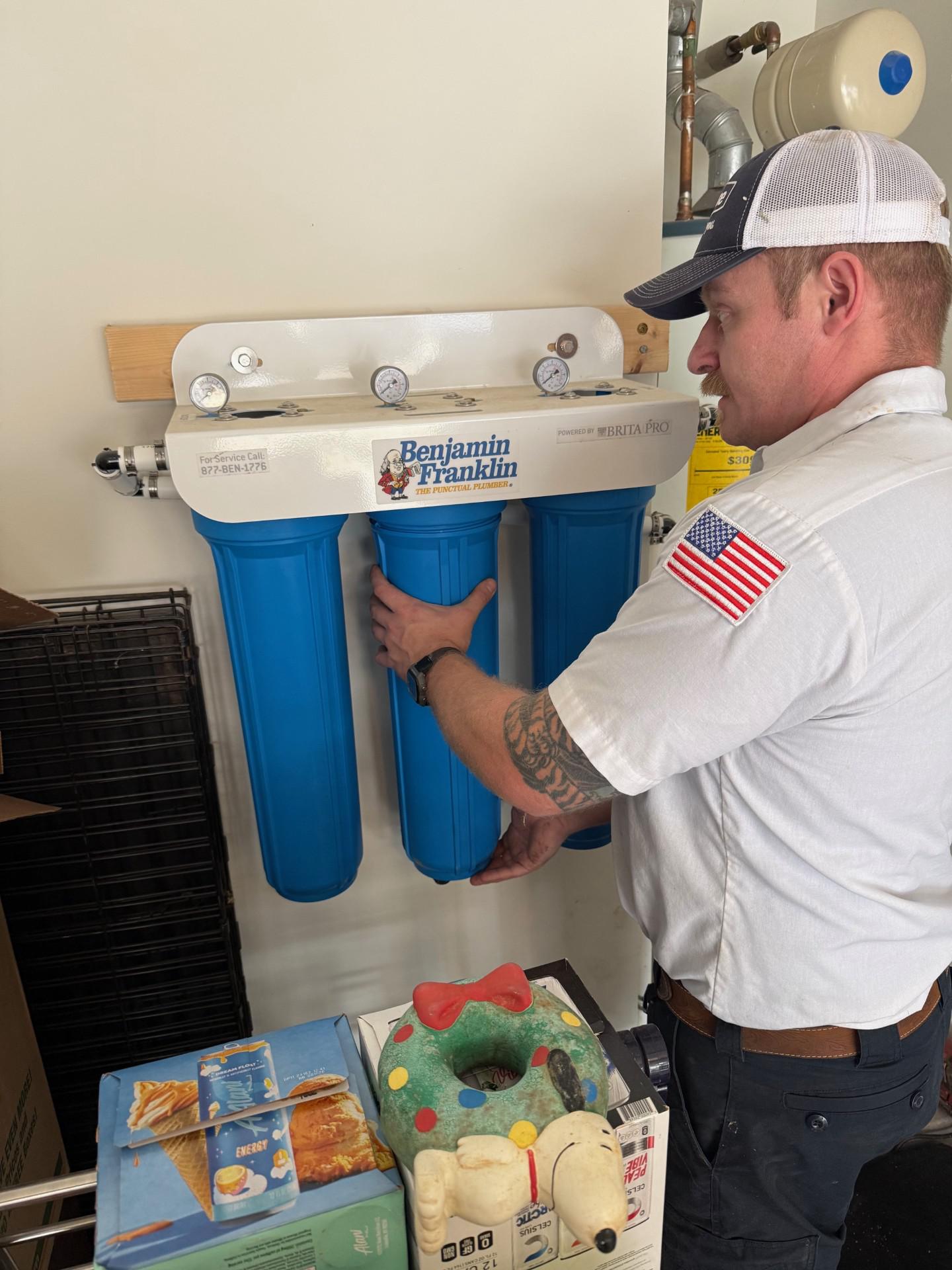
A whole-home carbon filter at the point of entry is the most directly relevant treatment option for North Fulton homeowners. Carbon filtration removes chlorine, chlorine byproducts including TTHMs and HAA5s, and most organic compounds — addressing the primary water quality characteristic that distinguishes North Fulton’s treated water from untreated surface water. Improved taste, reduced disinfection byproduct exposure, and a reduction in the chemical aggressiveness of the water toward copper pipe interiors are the practical benefits. Carbon filters require periodic media replacement on a service schedule.
Point-of-Use Reverse Osmosis
For homeowners focused on drinking and cooking water quality specifically, an RO system under the kitchen sink provides the highest level of residential filtration available. RO removes dissolved compounds, disinfection byproducts, nitrates, and most other regulated and unregulated contaminants including trace PFAS compounds. Forsyth County’s 2024 water quality report shows PFAS detected at low levels — below EPA MCLs but present — and an RO system is one of the most effective consumer-level tools for reducing PFAS exposure at the tap. RO systems require periodic filter and membrane replacement and produce a small amount of wastewater relative to filtered output.
Whole-Home Water Softeners
Because North Fulton’s water is already relatively soft, a traditional water softener is not the primary recommendation for most homes in this area. Softeners address hardness — calcium and magnesium — which is not the driving water quality concern here. That said, some homeowners do experience minor scale buildup depending on their specific service location and usage patterns, and a water quality assessment can confirm whether softening makes sense for a given home.
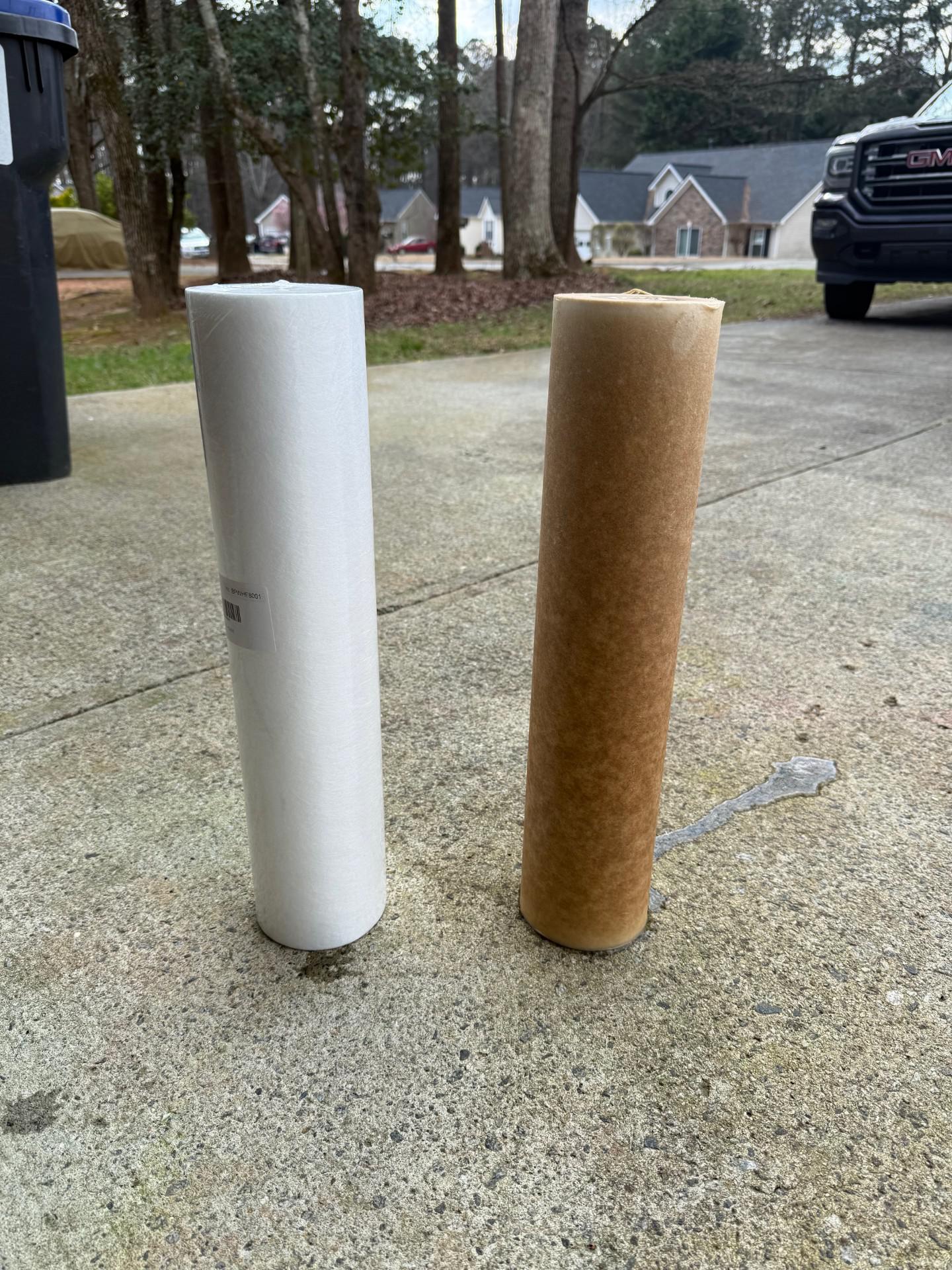
We are a Brita PRO authorized dealer and install and service whole-home carbon filtration systems, point-of-use RO systems, and water softeners throughout Alpharetta, Cumming, Roswell, Milton, and Johns Creek. A water quality assessment at your home is the most reliable way to identify which treatment approach addresses your specific situation.
Benjamin Franklin Plumbing® of Alpharetta serves homeowners throughout Alpharetta, Cumming, Roswell, Milton, and Johns Creek. Available 24/7 — call (678) 833-2754 or book online. Licensed, background-checked, and drug-tested technicians.

 Your Privacy Choices