
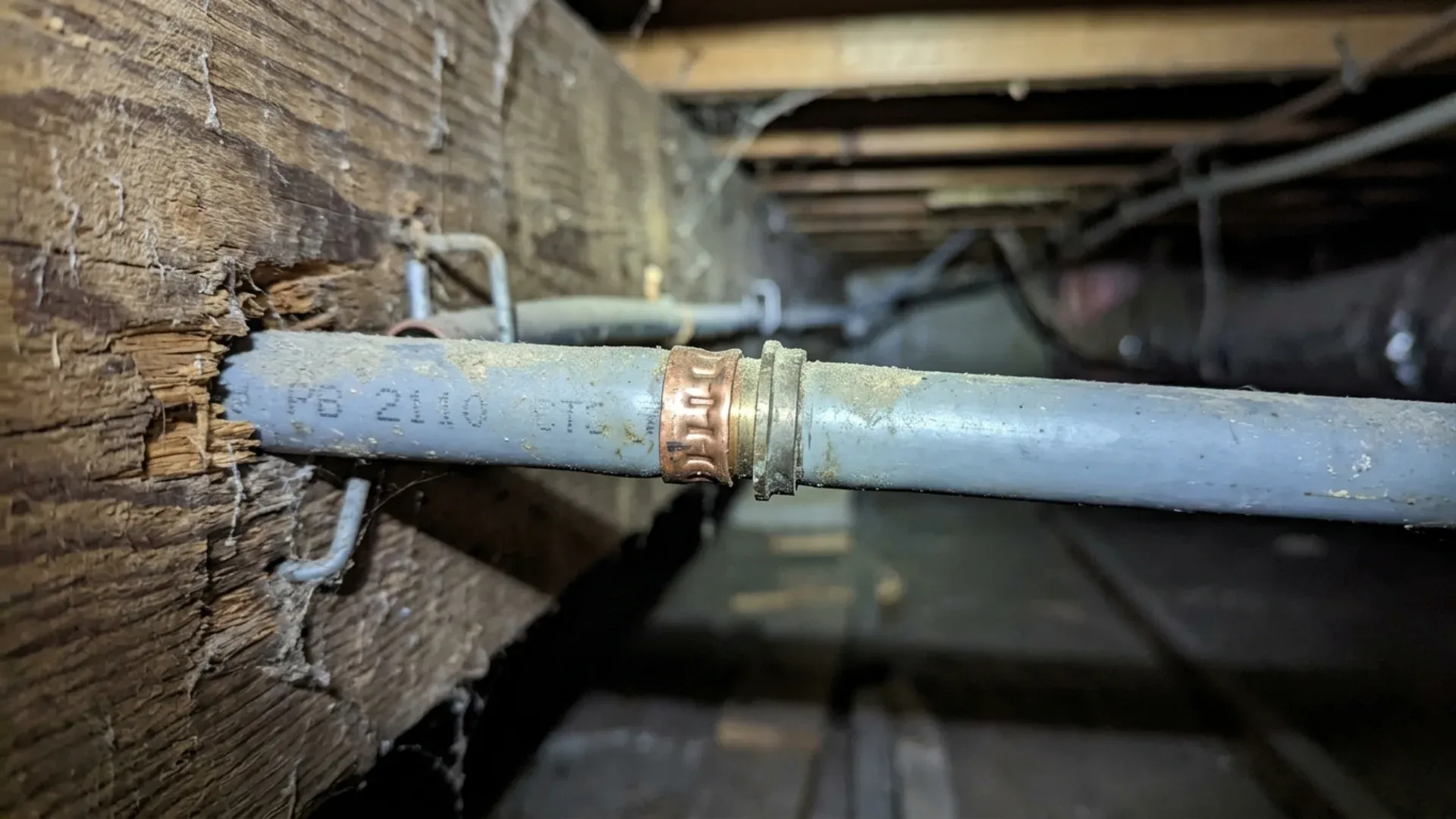
If your Redmond home went up between the mid eighties and the mid nineties, there is a real chance the gray plastic pipe behind your walls is polybutylene.
Most owners find out one of two ways: a leak, or a letter from their insurer. Neither is a good day. And the real question is not whether the material is flawed, because that is settled. It is whether yours needs replacing now, next year, or before you list.
Let us work out which.
How to Identify Polybutylene Pipe in a 1990s Redmond Home
You can answer this yourself in about ten minutes with a flashlight, as long as you know that there are two separate places to look and most people only check one.
Gray Polybutylene Inside, Blue Polybutylene Outside: Two Places to Look
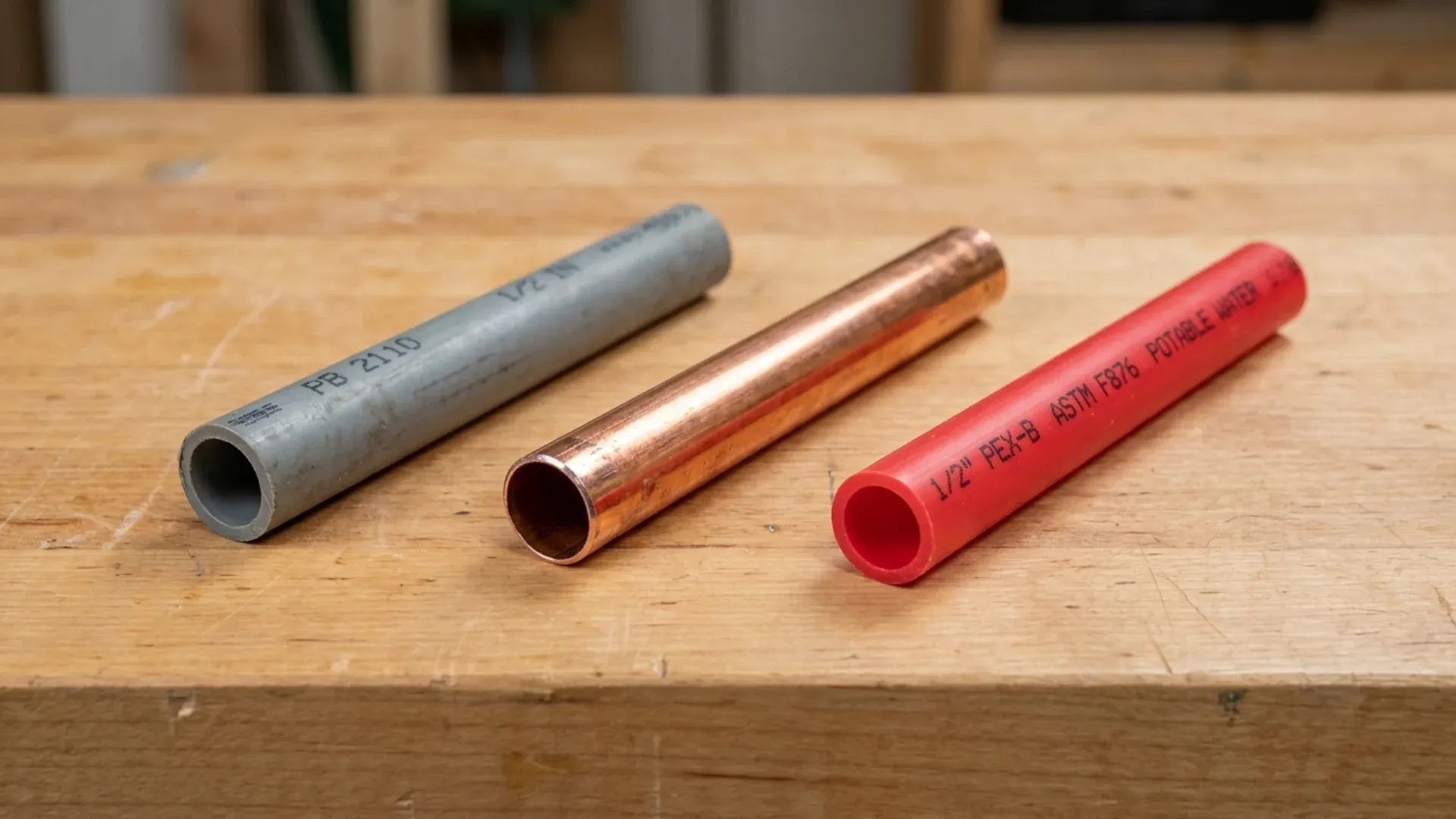
Interior polybutylene is usually a dull gray, flexible plastic, roughly half an inch or three quarters of an inch across, joined with plastic or metal insert fittings and crimped rings. It is noticeably bendable, unlike rigid copper or CPVC. Some pipe is stamped PB2110, and you may also hear it called Qest, Quest, or Poly-B.
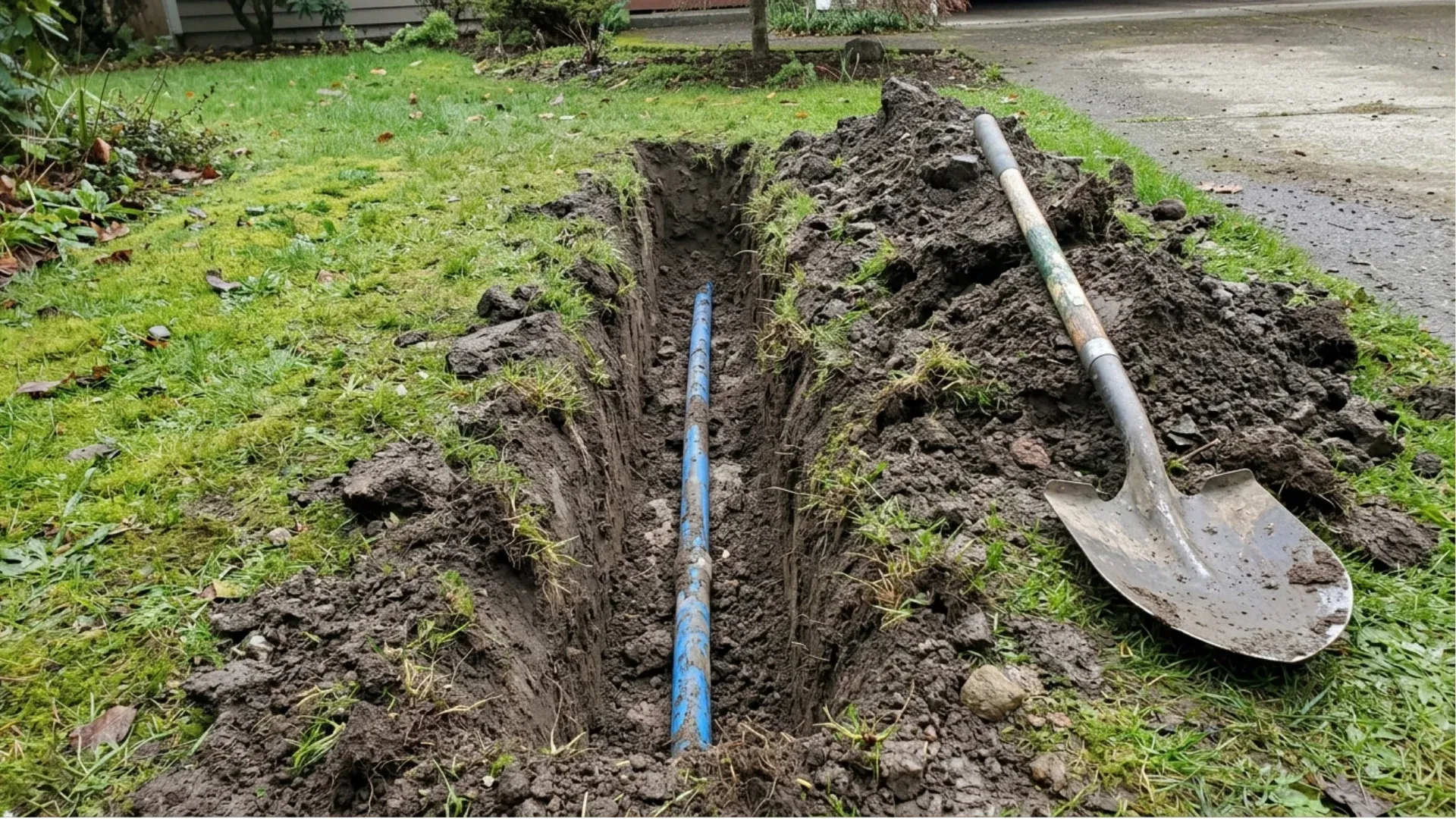
The one people miss is outside. Many Eastside homes have a blue polybutylene water service line running underground from the meter to the house, even when the interior plumbing is something else entirely. Same material, same failure behavior, different color and a much more disruptive location when it goes. If your interior pipe is copper, you are still not finished until you have looked at what comes in from the street. A water line assessment covers that side.
Where Polybutylene Pipe Usually Shows Up in Eastside Homes Built Before 1996
Check the places where pipe is visible without opening anything. Behind or beside the water heater. At the shutoff valves under sinks and behind toilets. Where the main line enters the house, often in a garage, crawl space, or utility room. On exposed runs in an unfinished basement ceiling.
Polybutylene was used widely in American residential construction from the late seventies until it was discontinued in the mid nineties, and Washington was not an exception. It went into a lot of housing across King and Snohomish counties during exactly the period when Redmond was expanding fastest. If your house is from that window, the odds are meaningful enough to spend the ten minutes.
Why Copper Pipe at the Water Heater Does Not Mean You Are in the Clear
Partial replacements are common and they create false confidence.
Plenty of homes have had a leaking section swapped out over the years, usually near the water heater or under a sink, because that was what failed and that is what got fixed. The rest of the house stayed original. So a homeowner glances at shiny copper near the tank, concludes the house was repiped, and stops looking.
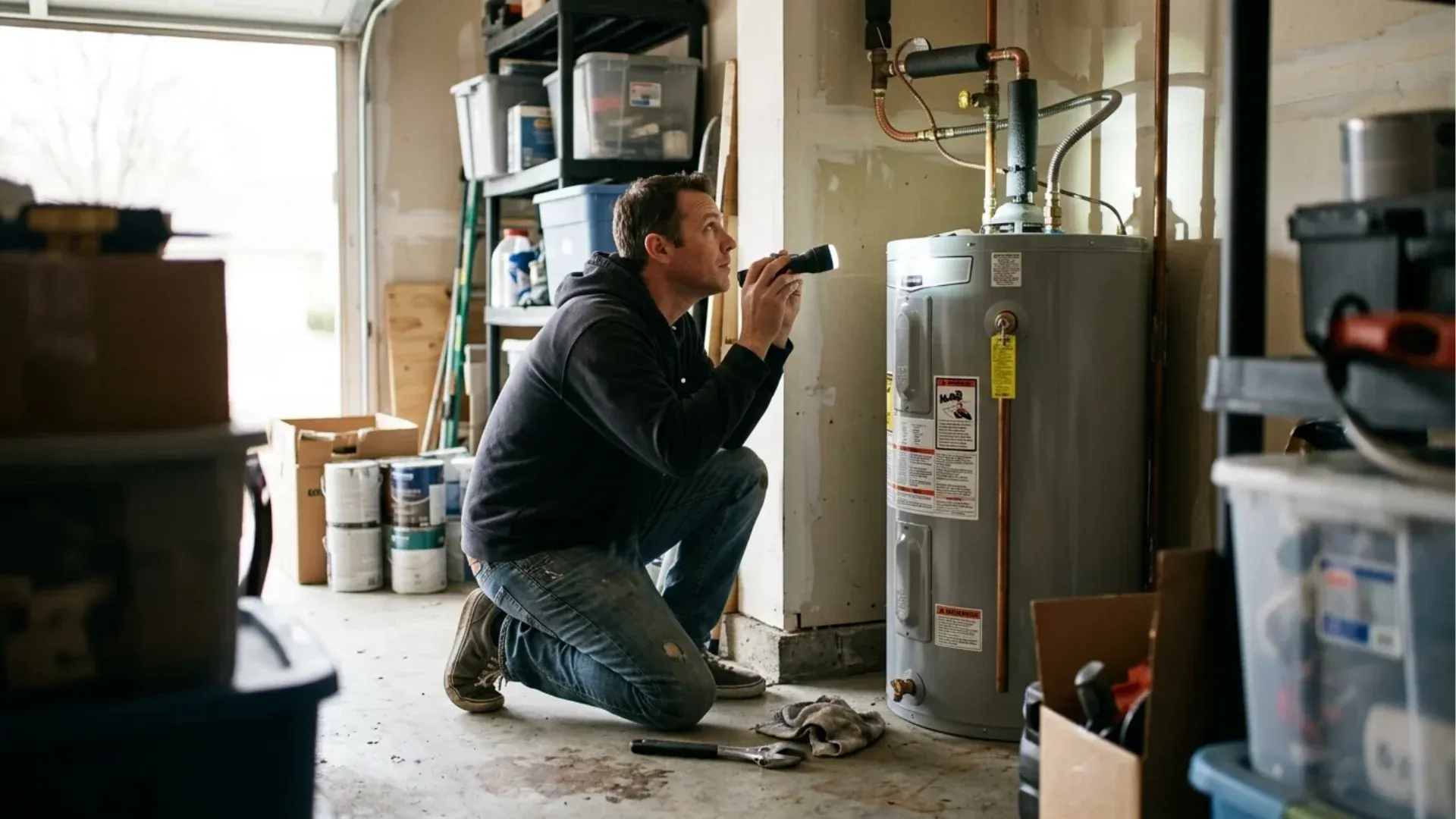
Check at least three separate locations in different parts of the house before you decide. And remember that the failure mode with this material is rarely a slow, polite drip. Deterioration happens from the inside of the pipe where you cannot see it, and the first real symptom is often a sudden leak. If you are seeing unexplained damp spots, leak detection will find the source before you start opening walls.
Why Homeowners Insurance Is Usually What Forces the Repipe Decision
Most people do not repipe because a plumber told them to. They repipe because their insurance situation changed and suddenly there is a deadline attached.
What Carriers Commonly Do When Polybutylene Shows Up on an Inspection Report
Insurers have been tightening on this material for years, and the response varies by carrier. Some decline to write a new policy on a home with polybutylene supply lines. Some write it but exclude water damage entirely, which is a meaningful hole in a policy. Some issue a non renewal notice with a window to complete a repipe. Others simply raise the premium.
The trigger is usually a moment when someone documents what is in the walls: a home inspection during a sale, a carrier inspection, or a claim that brings an adjuster out. Until then it sits quietly. The practical lesson is that the timeline is often not yours to set, which is why finding out early is worth something even if you decide to wait.
Policies and carrier appetite change, so treat this as the general pattern and confirm the specifics with your own agent.
The Coverage Gap Nobody Expects: Water Damage vs. the Cost of the Pipe Itself
This one surprises almost everyone.
A homeowners policy is generally built to cover sudden damage to your property. So if a pipe bursts and ruins flooring and drywall, that damage may well be covered, subject to your policy terms. What a policy does not do is pay to replace the plumbing system itself. The pipe is treated as a component of the house that wore out, not as a covered loss.
So you can go through a burst pipe, a restoration crew, and a claim, and at the end of it still own a house full of the same material that just failed. That is the gap. Replacement is a homeowner expense, and it is one you can plan for on your schedule or be forced into on someone else's.
For the same reason, waiting for the class action era to help is not a plan. Those settlement programs closed years ago.
What a Whole Home Repipe Actually Looks Like in a Redmond House
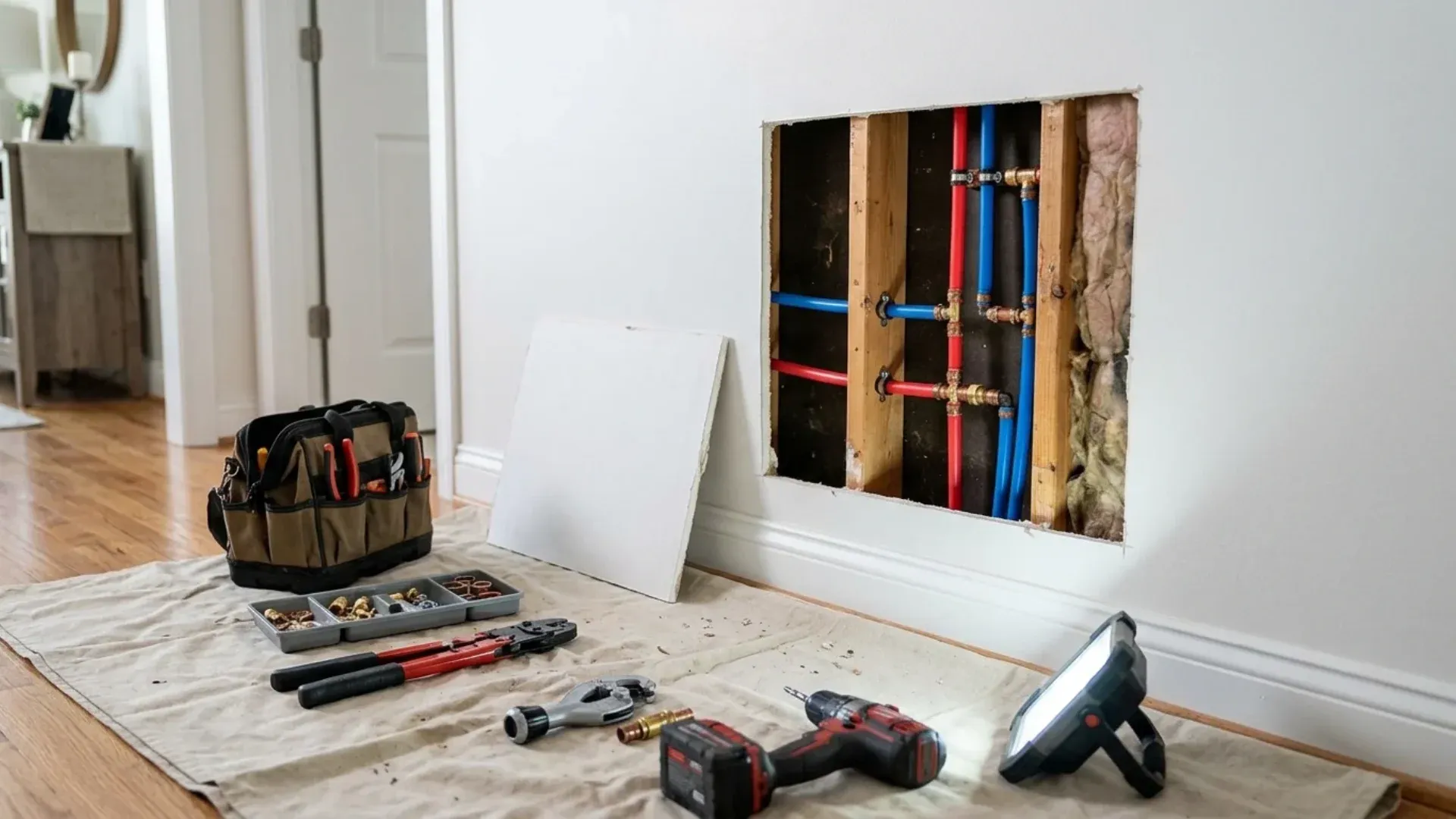
The mental image most people have is the house gutted to the studs. That is not how it is done, and the gap between the fear and the reality is usually the thing standing in the way of a decision.
How Repipe Routing Works and How Much Drywall Really Comes Out
A repipe does not follow the old pipe. We plan a new route that reaches every fixture with the fewest possible access points, running through attics, crawl spaces, closets, and cabinet interiors wherever the geometry allows.
That means a set of deliberate, modest openings in specific places rather than continuous demolition. The openings are patched afterward. The new material is typically PEX or copper depending on the layout and your preference, both of which have long, well documented service records. Most homes stay livable during the work, with water off only for defined stretches rather than for the duration. Our piping and repiping service covers the planning, the work, and the restoration coordination.
Repiping in Phases vs. All at Once, and When Phasing Costs More
Phasing sounds financially sensible and sometimes it is, particularly when a remodel is already planned for one part of the house and the walls will be open anyway.
But phasing has a real downside worth understanding before you choose it. Every phase repeats the setup, the access cutting, the inspection, and the patching. You also live with a hybrid system where old material is still connected to new, which means the risk does not actually go away until the last phase is done. And the remaining polybutylene may not satisfy an insurer, so if insurance is what is driving this, partial completion may not solve the problem you set out to solve.
The rule of thumb: phase when a remodel is genuinely giving you open walls. Otherwise doing it in one planned sequence is usually cleaner and less disruptive overall.
What Changes at Resale Once the Polybutylene Is Gone
Polybutylene on an inspection report reliably produces one of three outcomes: a demand for replacement before closing, a credit at settlement, or a price reduction. Buyers in this market are well informed and their agents know to look. You end up negotiating against an unknown number under time pressure, which is the worst possible position to be in.
A completed repipe with documentation removes the entire conversation. You control the timeline, you control the scope, and you hand a buyer a finished answer instead of a problem.
Polybutylene Is Not An Emergency In Most Homes
I am not going to tell you the walls are about to open up tonight. It is a known defective material with a documented failure pattern, sitting quietly in a lot of Redmond houses from the same building era. The people who handle it well are the ones who find out what they have before an insurer, an inspector, or a burst line tells them. Spend ten minutes with a flashlight this week. Then you get to decide the timeline instead of reacting to one.
Not sure what is behind your walls? Schedule a free repipe assessment at Benjamin Franklin Plumbing. We will identify the material you actually have, check the service line from the meter, and put a written scope in front of you so you can plan on your own terms.

 Your Privacy Choices