
A leak in one accessible section does not automatically mean every foot of a water line should be replaced. The opposite is also true: a small repair may restore service today without resolving corrosion, weak joints, or repeated failures elsewhere along the run.
For Redmond homeowners, the right decision depends on what failed, what the remaining pipe is made of, how often it has leaked, and what lies above it. A line beneath an open lawn presents a different repair question from one crossing a driveway, retaining wall, or mature landscaping. The route affects how the pipe can be reached and what must be restored afterward.
Angi’s water-line replacement guide outlines common project variables such as line length, depth, material, and access. Those variables help explain the scope, but they cannot determine whether a particular Redmond line needs one repair or a complete replacement.
A reliable recommendation begins by locating the problem, identifying who owns the affected section, and examining the route between the meter and the house.
Schedule an inspection with Benjamin Franklin Plumbing in Redmond before deciding whether a localized repair or complete replacement is the more dependable response.
What Is a Main Water Line?
A home’s main water line, also called its water service line, carries drinking water from the public system into the house. It is different from the larger municipal main beneath the street, and it is also different from the smaller interior pipes feeding faucets, toilets, showers, and appliances.
That distinction matters in Redmond. According to the City of Redmond’s utility guidance, the City owns the water main, the connection leading to the meter, and the meter setter. The property owner is responsible for the service line beginning at the customer side of the meter setter and continuing to the building. A suspected problem near the street should be located accurately before the homeowner authorizes private work.
Service lines can deteriorate through corrosion, weakened joints, ground movement, freezing conditions, poor earlier installation, or accidental excavation. Tree roots generally take advantage of an existing crack or loose joint rather than entering sound pipe. The pipe’s age matters, but material, soil conditions, installation quality, and repair history often say more than age alone.
What Factors Should Guide Repair or Replacement?
The decision becomes more useful when it begins with the pipe’s condition and the physical work required rather than a preferred method. These variables help determine whether a spot repair can reasonably isolate the problem or whether the full service line deserves attention.
Pipe Material, Diameter, and Failure History
Identify the existing pipe material, its diameter, and every known repair along the route. One damaged fitting in an otherwise reliable line presents a different decision from repeated leaks in aging material. The proposed work should also identify the new pipe, its size, the fittings and transition points, and any installation warranty. “Repair water line” or “install new water line” is not a sufficient material specification.
Diameter matters because the service line must support the home’s expected demand. If low pressure comes from an undersized or internally restricted line, repairing one leak will not correct the underlying capacity problem.
Depth and Working Conditions
A deeper line takes longer to expose and may require trench protection, additional equipment, or more careful soil handling. Redmond’s wet seasons can leave soil heavy or saturated, while rocks, roots, and unstable ground may complicate excavation. Water collecting in the work area may also require pumping before a secure connection can be made.
These conditions do not automatically favor replacement or repair. They show how difficult it would be to reach the same pipe again if another section fails.
Access and Surface Restoration
An open lawn is usually simpler to cross than a driveway, patio, retaining wall, deck, or densely planted yard. Restricted equipment access may require more hand excavation. Homeowners should learn whether the proposed scope includes concrete, asphalt, irrigation, grading, topsoil, sod, and planting restoration.
Access can change the decision itself. A spot repair may preserve most of the property when the leak is easy to reach. When several questionable sections run beneath hardscape, a new route may avoid repeated disturbance.
Open-Trench or Trenchless Installation
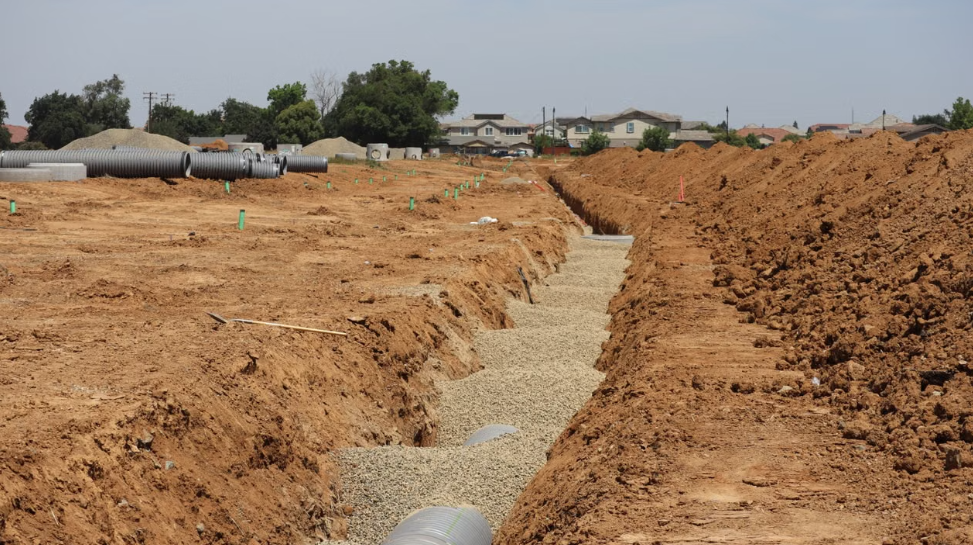
Traditional replacement exposes the route in an open trench. Trenchless approaches, such as directional boring or pipe bursting, may reduce disruption above ground, but they still require access pits and specialized equipment. HomeAdvisor’s water-main installation guide describes common site and installation variables that affect how this work is performed.
Trenchless work is not suitable for every route. Soil, buried utilities, the existing pipe’s condition, elevation changes, required diameter, and access for machinery all influence feasibility. Homeowners should compare the complete work area and restoration plan rather than assume one method is always less disruptive.
Permits, Inspections, and Utility Coordination
The exact approval path depends on whether work remains on private property, changes the meter connection, or enters the public right-of-way. Redmond requires inspections for permitted plumbing work, and activity affecting public infrastructure or access may need separate City authorization. Before digging, Washington requires underground utilities to be marked through Washington 811. Public locating does not necessarily identify privately owned irrigation, lighting, or other lines, so private locating may also be appropriate.
Urgency and Restoration Scope
A planned project gives the plumber time to confirm materials, permits, equipment, and site access. A sudden rupture may require immediate water control and temporary protection against property damage before the permanent method is selected.
The written scope should state what excavation, testing, backfill, disposal, and restoration are included. It should also explain what findings could change the recommended method after the pipe is exposed.
Signs You May Need Water Line Replacement
No single symptom proves that the service line needs replacement. Several patterns together, especially when supported by testing, deserve attention.
Low pressure throughout the house can point to a restricted or leaking service line, but it can also result from a pressure regulator, a utility issue, or buildup inside older interior plumbing. Brown or rusty water may indicate corrosion, although utility flushing and interior galvanized pipes can cause similar discoloration.
Outdoors, a persistently wet area, soft soil, or an unusually green strip over the line can suggest a leak. In the Pacific Northwest, ordinary rainfall can produce the same appearance, so a spot that remains wet during a dry period carries more significance. An unexplained increase in water use, meter movement while fixtures are off, or repeated leaks along the same aging line adds stronger evidence.
The deciding information usually comes from pressure testing, meter observations, leak location, and an examination of the existing material. If water is surfacing rapidly or threatening the building, use the shutoff only when it is safe to do so.
If several of these signs are present, request leak detection or water-line service from us rather than assuming the entire line must be replaced. Active flooding or an uncontrolled loss of water warrants emergency plumbing assistance.
Spot Repair or Full Replacement: How the Options Compare
A spot repair can be sensible when testing identifies one accessible failure and the remaining pipe is structurally sound, properly sized, and made from a serviceable material. It limits the work area and may restore service without disturbing an otherwise dependable line.
The main limitation is that a spot repair addresses the located defect, not the condition of every foot between the meter and the house. If the pipe has widespread corrosion, weakened joints, or several repairs in different places, another section may fail even when the new repair performs correctly. Transitions between old and new materials also need appropriate fittings and careful installation.
Full replacement deserves stronger consideration when leaks recur, deterioration extends along the route, the existing diameter no longer supports the home, or the material has become unreliable. Replacement can standardize the pipe and connections, correct an unsuitable route, and reduce the likelihood that another weak section will require the property to be opened again.
Replacement also brings tradeoffs. It affects a larger portion of the route, may require more extensive coordination and restoration, and can expose site conditions that were not visible during the initial assessment. Trenchless installation may reduce surface disturbance on a suitable property, but it does not eliminate access pits, utility conflicts, or the need to restore affected areas.
The decision should weigh five questions together:
- Is the failure isolated or part of a pattern?
- What condition is the remaining pipe likely to be in?
- Is the existing material and diameter still appropriate?
- How difficult would another repair be along the same route?
- Would replacement allow a safer or less disruptive route?
Our water line services and plumbing repair services address different levels of work, but the appropriate recommendation depends on an on-site diagnosis.
A plumber should be able to explain why a targeted repair is likely to remain isolated or why replacement offers the more defensible long-term result.
What Happens During Water Line Replacement?
The project begins with confirming the symptoms, locating the failed section, identifying the existing pipe, and mapping a practical route. The contractor then determines responsibility, arranges required utility marks, and confirms applicable permits or inspections.
Once the route and method are approved, the crew creates an open trench or the access pits needed for trenchless installation. The old connection is isolated, the new line and fittings are installed, and the system is tested for pressure and leaks. Depending on local requirements and the work performed, the line may also need flushing, disinfection, or inspection before it can be covered.
Backfill should support the pipe and protect it from damaging rocks or settlement. Surface restoration follows the agreed scope. Because inspection may be required before concealment, covering the line too early can delay approval and create avoidable rework.
Preparing Your Redmond Property for the Project
Good preparation protects both the schedule and the parts of the property that are staying in place. Clear vehicles, furniture, and movable planters from the access route. Keep children and pets away from excavation, and identify private irrigation, landscape lighting, drainage, or electrical lines that a public utility mark may not show. Photographs taken before work begins can document existing pavement and landscaping.
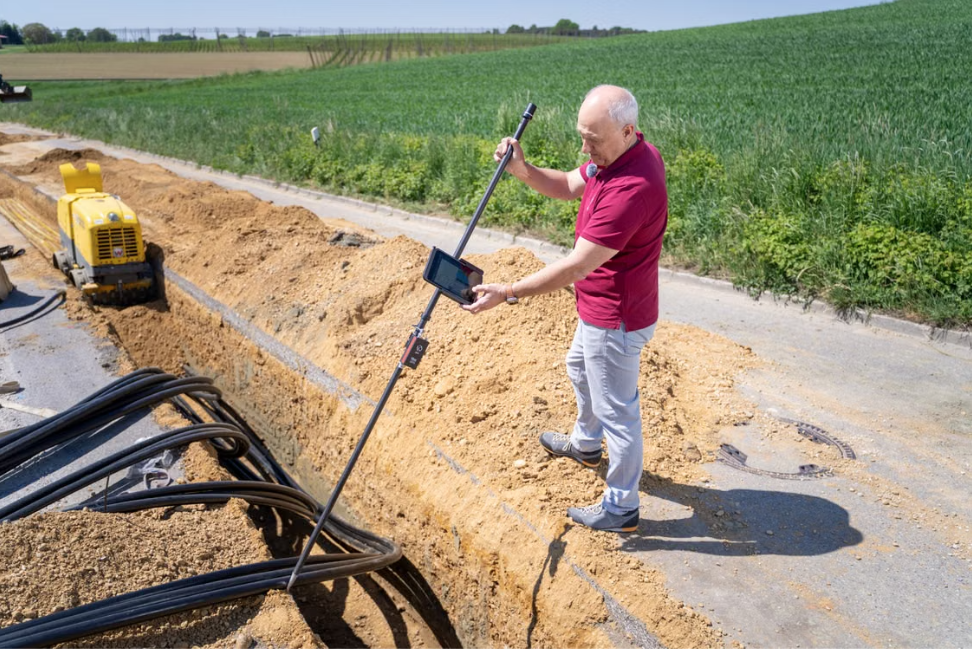
Ask when water will be unavailable and whether the house can be occupied safely during the interruption. Set aside drinking water and plan around laundry, cooking, bathing, medical needs, and home-based work. A straightforward installation may restore service quickly, but permits, inspections, weather, difficult ground, or restoration can extend the overall schedule.
The written proposal should distinguish plumbing work from finish restoration. It should address permits, locating, pipe specifications, excavation method, soil removal, testing, inspection, backfill, concrete or asphalt, landscaping, warranty terms, and possible change conditions. Our About Us page explains our service commitments, while the estimate should define how those commitments apply to this particular property.
Conclusion
A water-line decision should begin with diagnosis, not an assumption that the least disruptive or most comprehensive option is automatically best. A spot repair may be appropriate when the defect is isolated and the remaining line is sound. Replacement may be more dependable when leaks repeat, deterioration extends along the route, the pipe is undersized, or reaching it again would require another major disruption.
Ask the plumber to identify the failure location, existing material, proposed method, permit requirements, expected water interruption, testing process, and restoration responsibilities. A clear written scope makes repair and replacement options easier to compare on reliability, disruption, and the likelihood of future work.
If you have noticed low pressure, unexplained water use, recurring leaks, or persistently wet ground, schedule an assessment with Benjamin Franklin Plumbing in Redmond. A careful inspection can replace uncertainty with a clear diagnosis, a written scope, and a plan suited to your property.

 Your Privacy Choices