
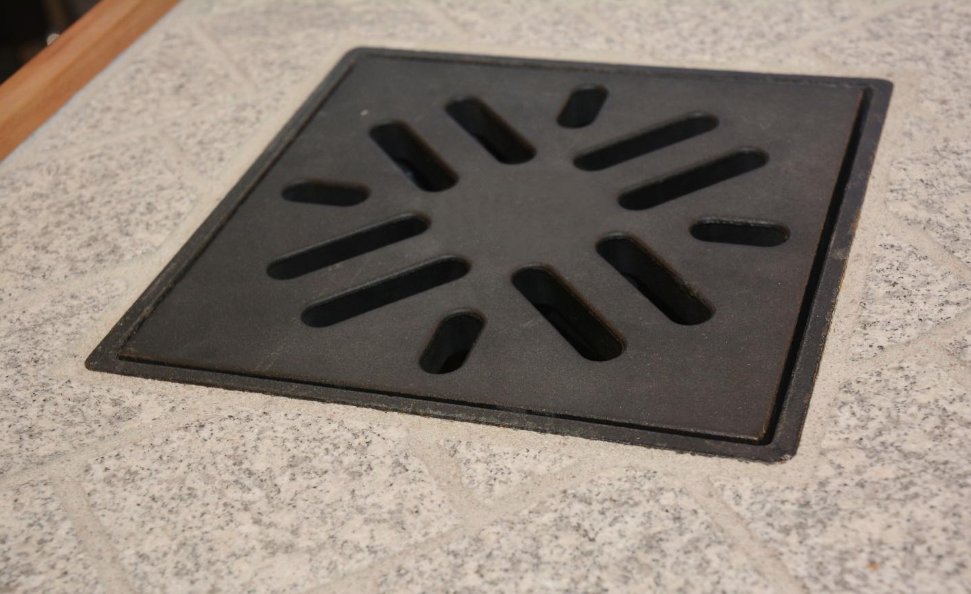
Key Takeaways About Floor Drain Backup
Floor drain backup is when basement drains fill or let sewer gas enter because traps or lines fail. This summary is for homeowners and property managers who need simple steps to prevent damage and recurring problems.
- Identify slow drainage odors or gurgling as early warning signs.
- Prevent dry traps with weekly water or a functioning trap primer.
- Avoid clogs by cleaning grates and removing lint and hair regularly.
- Spot mechanical failures by testing backwater valves and sump check valves.
- Reduce risk with camera inspections and professional diagnostics when needed.
- Plan a cleaning and inspection schedule tied to usage and seasons.
Introduction
Basement floor drain backup can start as a slow gurgle and become standing water that damages floors and stored items. Moisture and sewage odors often signal a problem before visible flooding appears. Homeowners in Winona, SC notice backups can worsen after heavy rain or long periods without use. Addressing the cause early reduces mold growth and costly repairs.
Common causes include clogged drains, failed trap seals, and pressure from sewer lines that push water back into the basement. Poorly maintained trap primers and absent vents make traps dry out and allow sewer gas to enter living spaces. A failing sump pump or a blocked cleanout can let water pool around the floor drain. Recognizing these risks helps protect finished basements and mechanical rooms.
Routine maintenance keeps drains flowing and prevents bacteria buildup that creates odors and health risks. Regular cleaning schedules and functioning trap primers preserve the water seal that stops sewer gas and pests. Professional inspections catch slow-developing issues like partial blockages or a malfunctioning backwater valve. Investing in safeguards avoids emergency callouts and disruption to daily life in Florence, SC.
Symptoms to watch for include sluggish drainage, bubbling fixtures, and unusual scents after plumbing use or rainstorms. A plumber will inspect the P-trap, cleanout access, and nearby sewer lines to confirm the source. Recording the timing and triggers of backups helps narrow down problems during diagnosis. Acting on early signs limits property damage and keeps basements usable year-round.
How Floor Drain Backup Happens Mechanically
How floor drain backup happens mechanically refers to the physical process where water and sewer flow reverse and fill the drain instead of exiting properly.
Water in the trap prevents sewer gas from entering, but that seal can be lost if pressure forces water back up or if the trap dries out. A common homeowner question asks whether a clogged downstream line can push sewer into the basement, yes, blockages downstream create backpressure that sends wastewater through the lowest opening. Inspecting the cleanout and vent stack helps determine whether flow is blocked or air pressure is causing the reversal.
- Sewer main blockages force wastewater toward lower fixtures.
- Broken or unseated sewer pipes allow flow into basements.
- Dry traps lose their water seal and allow gases to come up.
- Failed backwater valves let sewage re-enter the building.
Mechanical failures can include a stuck backwater valve or a failed sump pump check valve that allows reverse flow during high loads. A homeowner might ask if vents affect backups, blocked vent stacks alter air pressure and slow drainage, which contributes to backup risk. Professionals diagnose these by checking trap depth, testing the backwater device, and running a camera scope from the cleanout to locate obstructions. For properties in Winona, SC, combining a camera inspection with flow tests produces clear evidence of where the system fails.
Simple diagnostic checks a professional uses include observing drainage speed, testing for gurgling when other fixtures run, and measuring trap water depth. They may run a dye test or insert a camera through the cleanout to confirm a physical blockage or misaligned pipe. If sewer odors appear without visible water, that points to a failed trap seal or a dry P-trap needing attention. When risks or complex failures exist, contact a licensed plumber in Florence, SC to avoid health hazards and further damage.
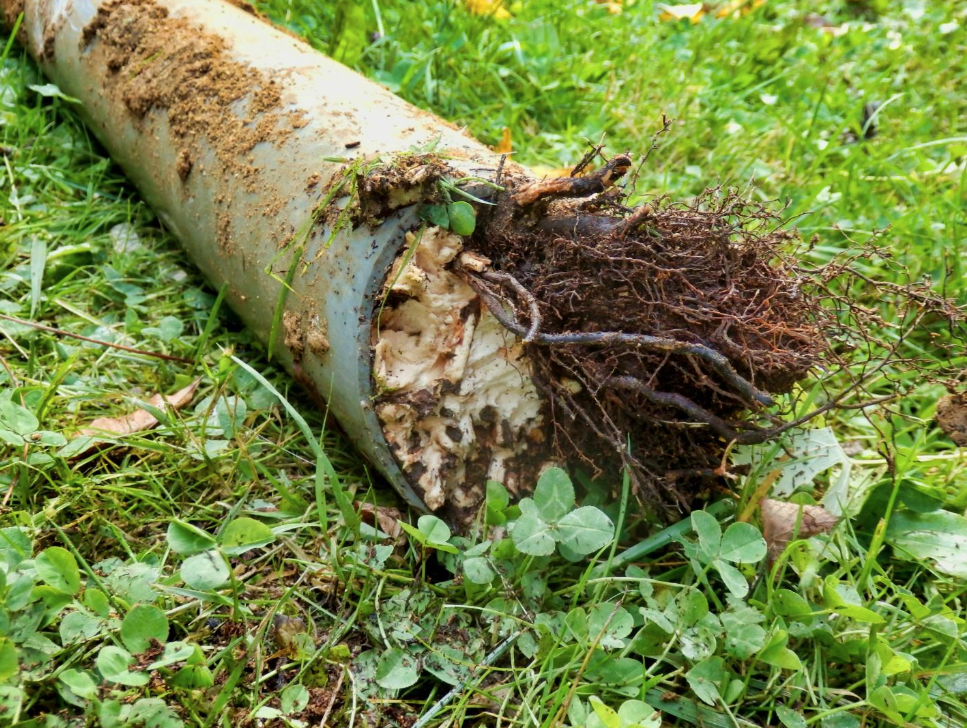
Photo from iStock - Credit: PlazacCameraman
Common Causes of Basement Drain Blockages
Build-up of solids and grease often begins upstream of the floor drain and causes slow flow that leads to a floor drain backup. Hair, sediment, and lint from laundry can catch in the P-trap and narrow the passage over time. Tree roots invading older sewer lines create hidden obstructions that reduce pipe capacity and cause backups during heavy use. A professional would inspect the cleanout and may run a camera to confirm root intrusion before recommending repairs.
Collapsed or misaligned pipes block flow and create repeated backups when the obstruction sits below ground level. Ground movement or poor bedding can squeeze joints and allow sediment to pile up at a low spot. Corroded cast-iron pipes inside the system shed rust and scale that trap debris and slow drainage. During diagnosis, a plumber may use pressure testing and camera footage to pinpoint the collapse or section needing replacement.
Backwater valves and check valves that stick or fail let sewer surge into the basement during peak flow, producing sudden floor drain backup. Mechanical parts wear, seize, or collect debris that prevents the valve from closing fully. Sump pump float switches and check valves can also malfunction and allow water to reverse into the drain. Technicians will test valve operation manually and observe flow reversal under controlled conditions to confirm the failure.
Neglected standing water and organic growth inside the drain create biofilm that traps small solids and produces strong odors that indicate clogging. Infrequent use allows the trap water to evaporate, concentrating solids and encouraging insect entry and smells. A homeowner in Winona, SC might notice persistent sewer smell despite no visible water, which signals internal buildup. Addressing these issues early reduces the chance of a full obstruction and costly cleanups.
Improper connections and illegal tie-ins from outside drains or sump systems overload the sewer during storms and cause backups into basements in Florence, SC. Stormwater inflow can exceed pipe capacity and push sewage back through the lowest outlet. Confirming this requires checking pipe routing and testing flow during a high-demand event or simulated load. If you need documentation for insurance or repairs, request recorded footage or a written report from the inspecting plumber.
Recognizing Early Warning Signs of Backup
Early clues often show up before standing water appears, like persistent slow drainage after running a washer or shower. You might hear gurgling from nearby floor drains when other fixtures in the house run, which signals trapped air and reduced flow. A sudden change in how quickly a drain clears after use indicates growing resistance somewhere downstream that needs inspection. Note the time and what appliances were running when the symptom first appeared to help a plumber diagnose the issue.
Unusual odors that fluctuate with weather or plumbing use can point to a compromised trap seal rather than a full blockage. Smells that worsen after heavy rain suggest sewer main pressure affecting the system and should be recorded for the technician. If you detect sewer gas but the drain looks dry, check that the trap still holds water and that nearby fixtures have proper seals. Photographing where the odor is strongest helps focus an inspection on the right fixtures and vents.
Small pools of slow-moving water or damp spots around the floor drain rim often mean water is backing up slower than it can escape. Look for staining or softening of concrete and stored items near the drain, which indicate recurring wetting over time. A professional diagnosing this will examine the P-trap, open the cleanout, and may run a camera to locate any narrowing or collapse. They might also perform a simple dye test at an upstairs fixture to see whether water migrates toward the basement drain.
Not all warning signs are visible. Listen for unusual sounds from the sump pump or check valve during storms, especially when basement drainage problems occur. For example, a homeowner may notice the sump pump cycling frequently while a nearby floor drain empties slowly. A plumber can inspect the check valve, backwater valve, and drainage system to determine whether separate issues are contributing to the problem. If a buildup of debris or other material is restricting the drain line, our guide on clearing tough clogs with hydro jetting services explains how professional cleaning can help restore proper flow when pipe conditions allow.
Trap Primer Function and Maintenance Basics
Trap primers keep the P-trap filled by delivering small amounts of water into the trap when fixtures are unused for long periods. A primer can be mechanical, hydraulic, or connected to a nearby fixture to replenish the trap seal automatically. Check for visible leak paths or mineral buildup around the primer connection to ensure it dispenses water when expected. If the primer sits dry or fails to move water, sewer gas or pests can enter the basement.
- Inspect primer connections monthly for leaks.
- Flush primers occasionally to remove sediment.
- Listen for the primer activating after fixture use.
- Replace failed mechanical primers promptly.
A basic maintenance step is running a cup of water into floor drains weekly if no primer exists to maintain the trap seal. Professionals recommend testing primer operation during service visits by observing the trap depth and primer discharge. A plumber may measure trap water depth with a probe or use a moisture meter near the drain to confirm proper sealing. When corrosion or deposits prevent flow, the primer tube or valve often needs cleaning or replacement.
Diagnosis often begins with tracing the primer line from a nearby fixture or the mechanical primer body to the floor drain trap. A technician might open the primer access, visually inspect for debris, and perform a dye test to confirm water reaches the trap. Camera inspection through the cleanout can show whether the trap drains correctly after priming and whether downstream flow remains clear. If electrical primers power an automatic dispenser, they will also check the power source and control connections.
For homeowners in Winona, SC, regular checks can prevent odor problems and backups caused by failed primers during humid months. In Florence, SC properties, technicians will document primer condition and recommend replacement types that fit local plumbing layouts. If you detect persistent sewer smell, visible primer damage, or primer inactivity, call a licensed plumber to inspect and repair the system. Scheduling a professional inspection avoids trial-and-error fixes and reduces the risk of a floor drain backup recurrence.
Cleaning Schedules to Prevent Floor Drain Backup
Establish a regular cleaning calendar for floor drains based on use and risk level, such as monthly, quarterly, or semiannual intervals. Start by removing the grate and flushing the visible trap with hot water to loosen grease and sediment. Use a hand auger through the cleanout for light clogs and reserve powered tools for professionals to avoid pipe damage. Keep records of each cleaning date and observations to spot accelerating buildup trends that suggest deeper issues.
During cleaning, inspect the trap interior and cleanout port for biofilm, lint, or mineral scale that reduce flow capacity over time. A simple inspection includes a visual check, running water while watching drainage speed, and smelling for persistent sewage odor. If a homeowner notices recurring slow drainage despite cleaning, a camera inspection helps confirm hidden obstructions or pipe deformation. Professionals can provide recorded footage or a written report showing the problem location and severity.
Set different frequencies for seldom-used basement drains compared to drains near laundry or mechanical equipment because solids load and lint differ. In Winona, SC homes with seasonal use, add a quick monthly flush during dry periods to maintain the trap seal and prevent evaporation. For drains handling laundry, check them after each heavy laundry day and schedule a professional flush quarterly to remove trapped fibers. Adjust the plan if symptoms like gurgling return sooner than expected.
Include maintenance of related components when cleaning to reduce floor drain backup risk, such as testing the backwater valve, sump pump check valve, and nearby cleanouts. While cleaning, operate the sump pump briefly and inspect the backwater valve for free movement and sealing under water. A plumber will also test trap depth and may perform a dye test when diagnosing persistent issues during a scheduled service. If you document problems or need expert help, consider scheduling a professional inspection through the provided internal resources to confirm next steps in Florence, SC.
Simple Homeowner Safeguards and Best Practices
Keep a simple weekly habit to reduce floor drain backup risk by running a measured amount of water down each basement drain. Pouring one to two quarts keeps the trap seal intact and discourages insects and sewer gas from entering the space. Combine this with wiping debris from the grate so hair and lint do not enter the opening. This small step takes minutes and prevents common evaporation-related problems.
Install basic safeguards that require little maintenance, such as a gravity-fed backwater valve insert or a removable screen for the grate. Check the screen after heavy laundry loads to remove trapped lint before it moves into the trap. Test any backwater device monthly by pouring water slowly and ensuring the valve closes under flow reversal. If a device feels stiff or does not seat, schedule a professional inspection promptly.
Monitor basement drains for early warning signs, including unpleasant odors, slow drainage, and unusual gurgling sounds. Pay attention to whether these symptoms occur during appliance cycles or periods of heavy rainfall. Keeping a simple record of when problems appear can help a plumber identify possible causes. For a broader approach to maintaining household plumbing, read our guide on comprehensive plumbing system checks for entire homes. A thorough inspection can help identify concerns involving drains, supply lines, valves, and other plumbing components before they develop into larger problems.
Store items away from the drain area and elevate sensitive belongings to avoid damage if a backup occurs despite precautions. Inspect the drain area after storms or heavy wash cycles to confirm no standing water or new stains appear near the rim. For properties in Winona, SC and Florence, SC, quick visual checks and the weekly water refill habit reduce the likelihood of emergency cleanups. When unsure about a device or repeated symptoms appear, contact a licensed plumber for a targeted inspection and documented recommendations.
When to Call a Professional for Floor Drain Backup
Call a professional when visible water or sewage reaches levels you cannot stop with a bucket or towel. If backups recur despite basic safeguards, a plumber can perform targeted diagnostics and make repairs. Persistent sewer gas after you refill the trap indicates a deeper leak or failed device that needs inspection. During the call, describe timing, which appliances ran, and any smell or sound changes to help prioritize the visit.
- Multiple backups in a short time
- Foul sewer gas that returns after refilling
- Standing water, you cannot clear safely
- Backwater valve or sump pump not responding
When technicians diagnose a floor drain backup they check trap depth, cleanout access, and backflow devices first. They often run a camera from the cleanout to locate obstructions or pipe damage and record footage for review. A plumber will test valve seating and sump pump operation while observing flow behavior during controlled tests. Expect written findings that list required repairs and options, which help you decide next steps.
If you see damaged seals, corroded fittings, or suspect root intrusion, schedule a professional inspection promptly to limit damage. For homeowners in Winona, SC mention recent weather or heavy laundry cycles when you book service to aid diagnosis. Request that the technician document their camera footage and test results so you have a clear record for repairs. If the issue involves sewage contact or structural damage, a licensed plumber can also advise on safe cleanup and next steps in Florence, SC.
Seasonal and Long-Term Prevention Strategies
Plan seasonal checks tied to temperature changes to prevent issues that develop slowly over months. Inspect sump pump float operation before winter and again after spring rains to ensure reliable cycling. Have a professional verify backwater valve seating once every two years to catch wear that appears over time. For properties in Winona, SC schedule these checks before predictable wet seasons to reduce emergency risk.
Adopt a long-term calendar for pipe inspections and camera scopes to monitor gradual degradation. Arrange a camera inspection every 3–7 years depending on pipe material and symptom history to detect roots or corrosion early. Keep a dated file of inspection footage and written notes so trends show progression and inform repair timing. When footage shows recurrent narrowing, consult a plumber about targeted repairs rather than repeating cleanings indefinitely.
Consider replacing aging plumbing components when inspections reveal significant wear or deterioration. A plumber may recommend replacing damaged check valves, corroded cleanout caps, or other components that could affect drainage performance. Properties with infrequently used floor drains may also benefit from trap primers that help maintain water seals and reduce sewer odors. For additional guidance on organizing routine service, read our guide on preventative plumbing maintenance plans save homeowners money. A licensed plumber serving Florence, SC, can help identify suitable maintenance priorities and recommend upgrades based on your system's condition.
Create a maintenance budget and action plan that sequences preventive work over years to spread cost and reduce failure risk. Prioritize tasks that eliminate single points of failure, such as adding redundancy for sump pumps or improving cleanout access. Track outcomes after each maintenance item to decide if frequency should increase or decrease based on results. A documented plan helps you schedule professionals efficiently and keeps basement drains flowing long term.

 Your Privacy Choices