
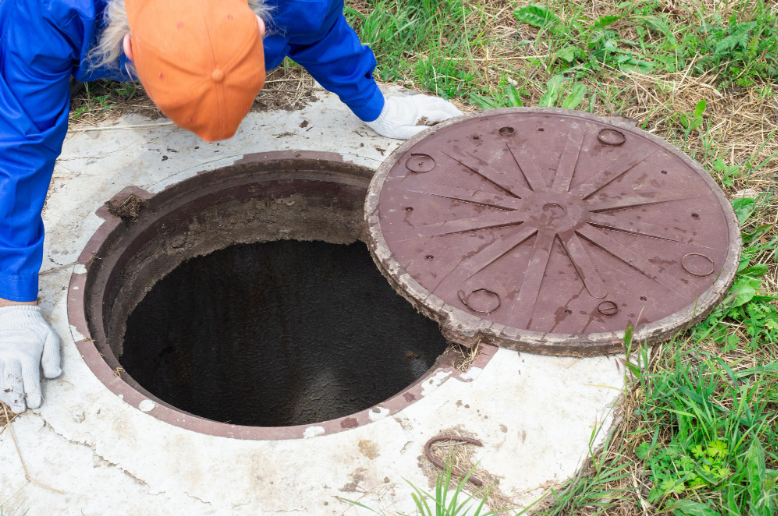
Sewer smell in a Conroe, TX home is one of those issues that ranges from a quick, simple fix to a sign of a more serious underlying plumbing problem, and telling the difference matters for both comfort and safety.
In this article, you will learn what typically causes a sewer smell indoors, why it shouldn't be ignored, and how to find the source before calling a professional.
Here's what you need to know.
- Why does my house smell like sewage in Conroe, TX?
- What does sewer gas smell like and why is it a concern?
- What are the most common causes of sewer smells indoors?
- Can a sewer line problem cause a smell throughout the house?
- How can you find the source of a sewer smell?
- What should you do if you smell sewer gas in your home?
- When does a sewer smell require professional plumbing service?
- How can Conroe homeowners prevent sewer odors?
Keep reading to understand what's actually causing the smell and what to do about it.
Sewer Smell In House Conroe TX refers to a sewage or rotten-egg odor inside a home, most commonly caused by a dry drain trap, a clogged drain, a damaged plumbing vent, or a problem with the sewer line itself.
Why does my house smell like sewage in Conroe, TX?
A handful of common causes account for most sewer smell complaints in residential homes.
Could a dry P-trap be causing the sewer odor?
Every drain has a P-trap, a curved section of pipe that holds water to create a barrier against sewer gas, and this barrier can dry out if the fixture goes unused for a while.
A sewer district guide explains that guest bathrooms, floor drains, and laundry room drains are among the most common places a P-trap dries out, and that simply running water through the fixture is often enough to resolve the odor.
This is one of the simplest sewer smell causes to diagnose and fix without professional help.
Can a blocked or damaged drain create a sewage smell?
Debris trapped in a drain line can begin to decompose, producing an odor that mimics a sewer gas smell even when the actual sewer line is undamaged.
What homeowners can expect based on the underlying cause:
- A drain that hasn't been used recently: expect a dry P-trap as the likely cause.
- A drain with slow flow and odor together: expect clog drain repair to resolve both issues at once.
- A smell present throughout the whole house: expect a more significant issue than an isolated fixture problem.
- A smell that returns shortly after cleaning: expect an underlying cause that hasn't been fully addressed yet.
Could a damaged sewer line allow sewer gas into your home?
A cracked, broken, or misaligned sewer line can allow sewer gas to escape and travel back into the home through connected drains.
Reviewing sewer repair Conroe options can help homeowners understand what this kind of repair typically involves once a sewer line issue is confirmed as the source.
What does sewer gas smell like and why is it a concern?
Understanding what sewer gas actually is helps explain why the smell deserves prompt attention.
Which odors can indicate sewer gas?
Sewer gas is most commonly identified by a rotten-egg smell, caused by hydrogen sulfide, though it can also include other odorous compounds depending on the source.
A thorough plumbing diagnosis service can confirm whether a specific odor is consistent with sewer gas or points toward a different underlying issue entirely.
Why should persistent sewer smells not be ignored?
Hydrogen sulfide, the gas responsible for the characteristic rotten-egg smell, can be detected by smell at very low concentrations, but higher concentrations can actually dull a person's sense of smell over time.
OSHA notes that the odor threshold for hydrogen sulfide is quite low, but that the sense of smell can become fatigued at higher concentrations, meaning the absence of a strong odor doesn't necessarily mean the air is safe.
That's part of why a persistent sewer smell should be investigated rather than assumed to be a minor, temporary nuisance.
When can sewer gas become a safety concern?
A checklist for judging the urgency of a sewer smell:
- A faint, occasional odor near a rarely used drain: usually a low-urgency dry trap issue.
- A strong, persistent odor throughout multiple rooms: warrants prompt investigation.
- Reviewing residential plumbing services helps confirm whether a whole-home odor pattern points to a larger issue.
- Any odor accompanied by physical symptoms like headache or nausea: leave the area and seek professional help promptly.
What are the most common causes of sewer smells indoors?
Several specific plumbing issues account for the vast majority of sewer odor complaints.
How can dry drain traps allow odors into your home?
As covered earlier, a dry P-trap is one of the most common and easily resolved causes of a sewer smell, particularly in infrequently used fixtures.
Reviewing plumbing drain repair options can help homeowners address a P-trap issue alongside any other drain performance concerns discovered during an inspection.
Can clogged drains produce foul odors?
Common questions about clogged drains and odor:
Does every clogged drain produce a bad smell? Not always, but organic material trapped in a clog often does, and reviewing ways to prevent drain clogs can help reduce how often this becomes an issue.
Can a clog cause odor without affecting drainage speed? Occasionally, particularly with a partial clog trapping debris without fully restricting flow yet.
Should a smelly drain be treated the same as a slow drain? Both deserve attention, though a smell alone doesn't always indicate the same urgency as a full blockage.
Can cleaning a drain resolve the odor permanently? Often yes, if the underlying cause was simply trapped debris rather than a deeper pipe issue.
How can damaged toilet seals contribute to sewer smells?
The wax ring seal beneath a toilet can deteriorate over time, allowing sewer gas to escape around the base of the fixture.
Reviewing guidance on yard line leaks can also help homeowners rule out an unrelated outdoor leak before assuming an indoor fixture seal is the source of a specific odor.
Can plumbing vent problems cause sewer odors?
Plumbing vents allow sewer gas to escape safely through the roof rather than back into the home, and a blocked or damaged vent can disrupt this system.
Reviewing outdoor plumbing maintenance practices can help homeowners understand how outdoor debris or damage sometimes affects vent performance without an obvious indoor sign until the smell appears.
Can a sewer line problem cause a smell throughout the house?
A whole-home odor pattern often points toward a more significant sewer line issue rather than an isolated fixture problem.
What signs can point to a damaged sewer line?
A whole-home sewer smell, especially combined with slow drains throughout the house, suggests an issue with the main sewer line rather than a single fixture.
Reviewing slab leak symptoms can help homeowners distinguish between a water leak beneath the foundation and a sewer gas issue, since both can produce unusual odors or dampness.
Why can recurring drain backups accompany sewer odors?
Signs that a sewer smell may be tied to recurring backups:
- Multiple drains backing up around the same time as the odor appears
- Understanding sewer backup causes helps homeowners recognize this pattern as a sign of a shared line issue
- A backup that occurs specifically after heavy water usage, such as laundry or showers
- Gurgling sounds from drains occurring alongside the smell
How can tree roots or pipe deterioration affect sewer lines?
Tree roots seeking moisture can infiltrate small cracks or joints in a sewer line, gradually expanding those openings and allowing sewer gas to escape.
The Environmental Protection Agency notes that tree roots entering through defects or openings in a sewer line are a common cause of damage nationwide, contributing to both blockages and gas leakage from affected pipes.
How can you find the source of a sewer smell?
A systematic approach helps narrow down the cause before calling a professional.
Why is checking drains and plumbing fixtures a useful first step?
Running water through each drain in the home and checking for odor afterward can quickly identify whether a dry trap is the likely culprit.
Reviewing leak detection services can help homeowners understand when this kind of basic check should escalate to a professional inspection instead.
How can plumbers identify hidden leaks or damaged pipes?
Professional Conroe leak detection equipment can locate hidden leaks or pipe damage that wouldn't be visible or identifiable through a basic homeowner inspection.
When is a sewer camera inspection helpful?
Steps a technician typically follows to locate a sewer smell's source:
- Check all accessible drains and traps for obvious dry trap or seal issues.
- Review recent sewer inspection scheduling history to determine whether a camera inspection is overdue.
- Perform a camera inspection if basic checks don't identify an obvious cause.
- Confirm the exact location and nature of any damage found before recommending a repair.
What should you do if you smell sewer gas in your home?
Knowing how to respond in the moment helps protect both comfort and safety.
How can you ventilate the affected area?
Opening windows and doors to ventilate the area is a reasonable first response to a sewer gas smell, particularly while investigating the cause.
Why should you avoid ignoring a persistent odor?
A smell that persists despite basic troubleshooting, like running water through drains, often signals an underlying issue that won't resolve on its own.
Reviewing your recent unexplained water bill history alongside a persistent odor can sometimes reveal a related leak contributing to both issues at once.
When should you leave the area and seek professional assistance?
If a strong odor is accompanied by symptoms like headache, dizziness, or nausea, leave the area, ventilate if safely possible, and contact a professional promptly rather than continuing to investigate on your own.
Contacting a licensed plumber Conroe trusts ensures the investigation and any needed repair are handled safely and correctly.
When does a sewer smell require professional plumbing service?
Some causes resolve with simple homeowner action, while others need professional attention.
When can cleaning or refilling a drain trap solve the problem?
Weighing a DIY fix against calling a professional:
When a homeowner fix is usually sufficient
- The smell is isolated to one infrequently used drain
- Running water through the fixture resolves the odor completely
- Reviewing seasonal leak prevention tips helps prevent the same issue from recurring
When professional service becomes necessary
- The odor persists despite basic troubleshooting
- Multiple fixtures or the whole home are affected
- The smell is accompanied by slow drains or backups
When might a damaged toilet seal need repair?
A toilet that rocks slightly, has visible water around its base, or continues producing an odor after basic checks likely has a failing wax ring seal that needs professional replacement.
Reviewing what to do when a pipe burst repair becomes necessary illustrates the kind of prompt professional response a serious plumbing symptom, including a persistent toilet seal issue, generally deserves.
What signs indicate a sewer line inspection is necessary?
Recurring backups, a whole-home odor, or unusually lush patches in the yard near the sewer line's path are all reasonable signs that a sewer line inspection is warranted.
Reviewing common outdoor plumbing issues helps homeowners connect outdoor yard changes to what might be happening with the sewer line beneath the surface.
How can Conroe homeowners prevent sewer odors?
A few proactive habits help homeowners avoid most common causes of sewer smell.
How can regularly used fixtures help prevent dry traps?
Running water through every drain in the home periodically, especially guest bathrooms and floor drains, keeps P-traps filled and prevents the most common cause of sewer odor.
Reviewing plumbing membership benefits can help homeowners understand how scheduled maintenance visits support this kind of ongoing prevention.
Why is routine drain maintenance important?
Regular drain maintenance reduces the buildup that can both cause clogs and contribute to lingering odors over time.
Understanding year-round plumbing protection helps homeowners see how consistent maintenance protects against sewer odor alongside other common plumbing issues.
How can professional plumbing inspections identify developing problems?
Periodic professional inspections can catch a developing sewer line issue, vent problem, or seal failure before it results in a noticeable odor throughout the home.
Reviewing outdoor plumbing tips alongside an indoor inspection gives homeowners a more complete picture of their plumbing system's overall condition.
Conclusion
Sewer smell in a Conroe, TX home usually traces back to a dry drain trap, a clogged drain, a damaged seal, or in more serious cases, a sewer line problem, and figuring out which one applies determines whether the fix is quick or requires professional attention. Persistent odors, especially those paired with slow drains or physical symptoms, are worth investigating promptly rather than waiting to see if they resolve on their own. If you're dealing with a sewer smell you can't identify or resolve, visit Benjamin Franklin Plumbing for a professional inspection.

 Your Privacy Choices