
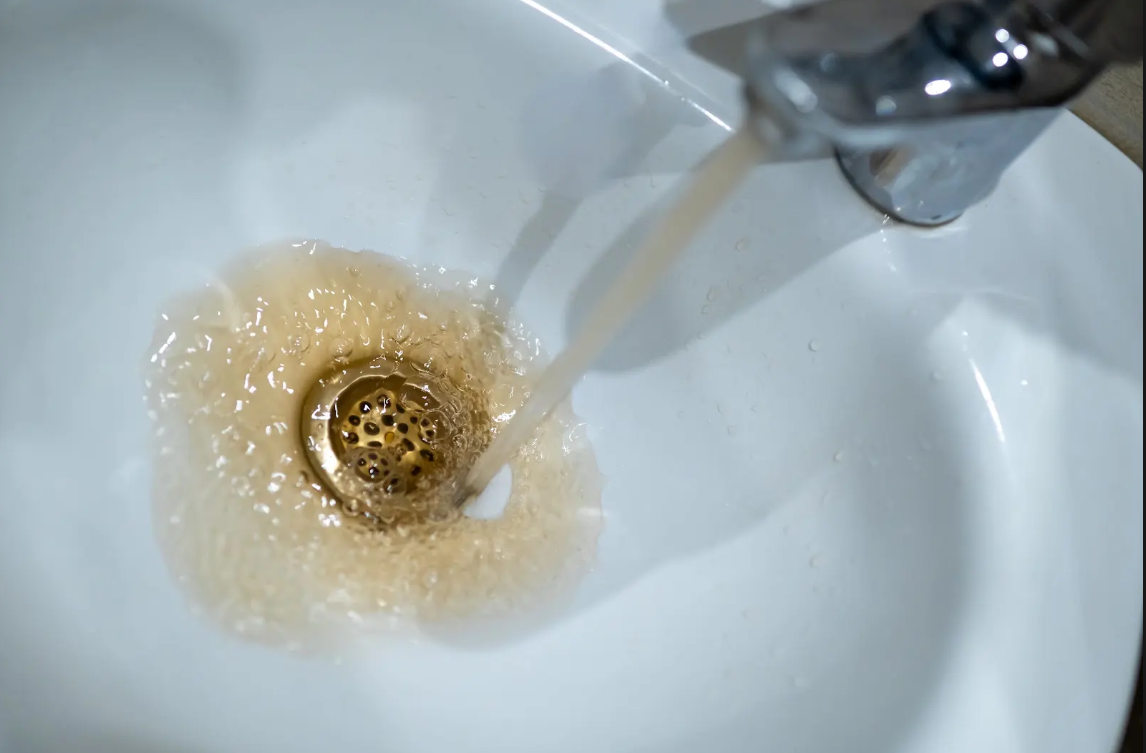
Iron is a common well water concern that can affect the appearance, taste, and performance of your home's plumbing. Before choosing a water treatment system, testing your water can help determine what type of iron is present and whether other water quality issues also need attention.
Why Iron in Well Water Matters in Washtenaw County
Many homes outside municipal water service rely on private wells for their water supply. As groundwater moves through soil and rock, it can pick up naturally occurring minerals, including iron, before entering the well and your home's plumbing.
Iron is not always immediately obvious. Water containing dissolved iron may look clear when it first comes from the tap and then develop a yellow, orange, or reddish tint after it is exposed to air. In other cases, homeowners may notice rust-colored particles, staining, or sediment.
The appearance of the water alone does not always tell you exactly what is happening. Dissolved iron, visible iron particles, corrosion, and iron bacteria can create different symptoms and may require different treatment approaches. That is why testing should come before choosing a filtration system.
Homeowners in the Ann Arbor area may encounter well water concerns depending on their water source and property. If you notice recurring staining or changes in your water, testing can help determine whether iron or another water quality issue is responsible.
Common Signs of Iron in Well Water
One of the most noticeable signs of iron is reddish-orange or brown staining around sinks, tubs, toilets, and other plumbing fixtures. Light-colored laundry may also develop discoloration, and drinking water can sometimes have a metallic taste.
You may also notice rust-colored rings around drains, sediment in fixtures, or staining that returns shortly after cleaning. If buildup continues despite regular cleaning, the issue may be coming from the water supply rather than the fixture itself.
Iron bacteria can create a different set of concerns. Instead of simple staining, you may notice reddish-brown slime, unusual odors, or recurring buildup within parts of the well and plumbing system. Because those symptoms can overlap with other water quality problems, professional testing is important before treatment begins.
What Causes Iron in Well Water?
Iron can enter well water naturally as groundwater comes into contact with iron-containing minerals underground. The amount and type of iron present can vary from one well to another, even between nearby properties.
Plumbing and well components can also contribute to rust-colored water. Corroding pipes, fittings, or other metal components may release particles into the water supply. In other cases, iron bacteria can use naturally occurring iron and contribute to slime, odor, and buildup.
A water test can help distinguish between these possibilities and provide a better starting point for choosing the appropriate treatment.
Why Testing Comes Before Treatment
Not every iron problem should be treated the same way. The right approach depends on factors such as the type and concentration of iron, water hardness, pH, manganese, odors, bacteria, and the overall condition of the well and plumbing system.
Ferrous iron is dissolved in the water and may initially be difficult to see. Ferric iron is already oxidized and may appear as visible rust-colored particles or discoloration. Iron bacteria are a separate concern and may require a different treatment strategy.
Testing gives you useful information before you invest in equipment. Rather than choosing a filter based only on staining or taste, you can select a system based on what is actually present in the water.
Filtration Options for Iron in Well Water
Several types of water treatment equipment may be used for iron, depending on the test results and household needs.
Sediment filtration can help capture visible particles already suspended in the water. Oxidizing iron filters are designed to convert certain forms of dissolved iron into particles that can then be filtered out. In some situations, a water softener may also be able to address limited amounts of dissolved iron while treating hardness.
For homes with more significant iron concerns or multiple water quality issues, a more comprehensive whole-home treatment system may be appropriate. The best setup depends on the chemistry of the water, household flow requirements, and the maintenance requirements of the equipment.
System sizing matters as well. The number of people in the home, peak water use, well output, and other plumbing demands can all affect what type and size of equipment is appropriate.
How Iron Can Affect Plumbing and Appliances
Iron can create more than cosmetic staining. Sediment and mineral deposits may collect on faucet aerators, showerheads, valves, and other plumbing components, leading to frequent cleaning or restricted flow.
Iron-containing sediment can also accumulate inside water-using equipment over time. The extent of the problem depends on the type and concentration of iron, the home's water use, and whether other minerals are present.
If staining or sediment is showing up throughout the house, it is worth looking beyond individual fixtures. Benjamin Franklin Plumbing® provides well pump services and water treatment solutions for homeowners dealing with well water concerns.
When to Call a Plumbing Professional
Recurring orange stains, metallic-tasting water, sediment, unusual odors, or water that changes color are all good reasons to have your water evaluated. You should also consider professional service when the problem continues after replacing a filter or cleaning affected fixtures.
Low water pressure, frequently clogged aerators, or changes in well pump operation may also deserve a closer look. These symptoms do not automatically mean iron is the cause, but a plumber can help determine whether the issue involves the water quality, well equipment, piping, or individual fixtures.
If you are experiencing changes in well performance, you can also learn more about how spring rain can affect your well pump.
When scheduling service, mention any staining, odors, sediment, pressure changes, or other symptoms you have noticed. Those details can help your plumber understand the problem and determine what should be evaluated.
Why Washtenaw County Homeowners Choose Benjamin Franklin Plumbing®
Benjamin Franklin Plumbing® of Ann Arbor serves homeowners throughout Ann Arbor and surrounding communities with plumbing, water treatment, well pump, and other residential plumbing services. Our licensed and insured plumbers are trained to evaluate plumbing concerns and explain the available options before work begins.
We also offer 24/7 availability for plumbing emergencies. Our service is backed by the Benjamin Franklin Plumbing® On-Time Guarantee and 100% Satisfaction Guarantee, giving homeowners added confidence when scheduling plumbing service.
Schedule Water Treatment or Well Water Service in Ann Arbor, MI
Iron in well water can lead to recurring stains, sediment, unpleasant taste, and buildup throughout your plumbing system. Because the right treatment depends on the type of iron and other characteristics of your water, testing is the best place to start.
Contact Benjamin Franklin Plumbing® today for help with iron filtration, well pump concerns, water treatment, or other plumbing needs in the Ann Arbor area.

 Your Privacy Choices