Spring in Ann Arbor usually brings weeks of rain, melting snow, and saturated ground conditions. While that moisture helps lawns and gardens recover after winter, it can also place added stress on your home's well system. If your home relies on a private well, spring is one of the most important times of year to pay attention to how your well pump performs.
Why Spring Rain Puts Pressure on Well Pumps
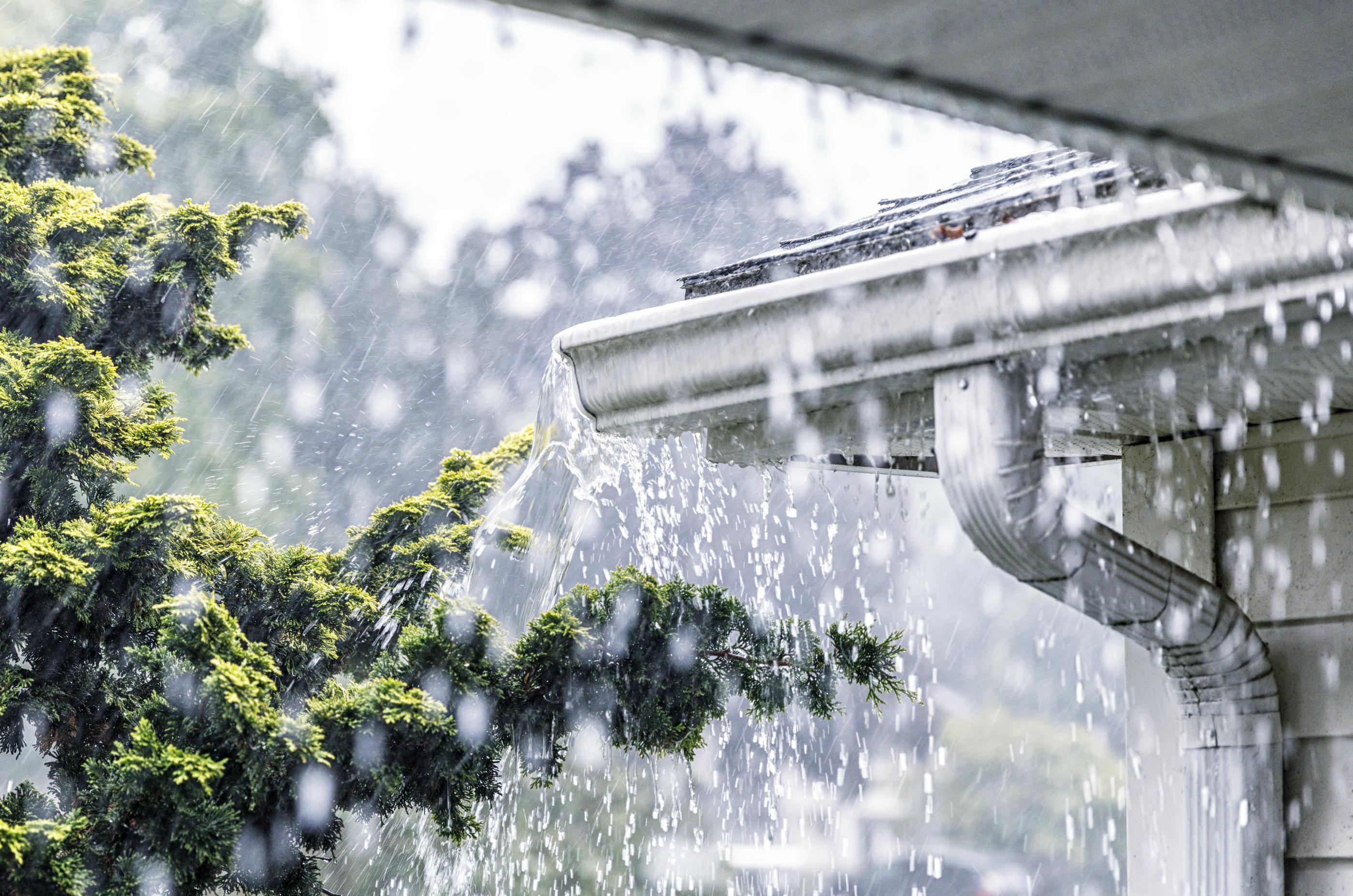
Heavy spring rain changes the ground conditions around your well in several ways. Snowmelt from Michigan's long winter combines with April and May storms to saturate the soil. Those changing groundwater conditions can place extra stress on well systems throughout the season.
When groundwater levels rise quickly, your pump may cycle on and off more frequently than normal. This behavior, called short cycling, forces the motor to work harder during each activation. Frequent cycling places extra wear on the pump motor and other system components over time.
A well pump that runs constantly usually points to another issue within the system. This can indicate a failing pressure tank or even a leak somewhere in the water line. Spring conditions can worsen both problems as shifting soil places additional stress on buried pipes. Catching these warning signs early can help homeowners avoid more expensive repairs later in the season.
How Rainfall Impacts Your Well Water Quality
Spring rain can also affect the quality of the water flowing into your home. As rain moves through thawing soil, it may carry surface contaminants toward shallow groundwater sources. Fertilizers, pesticides, road salt residue, and organic debris can all become part of that runoff.
Many homeowners notice increased iron staining or water discoloration after periods of heavy rainfall. You may see reddish or brownish water coming from faucets following a strong storm, particularly in homes with naturally high iron levels in the groundwater.
Bacterial contamination may also become more likely during spring in Ann Arbor. Heavy rainfall can allow surface contaminants to move closer to the groundwater supply, especially if the well casing or cap is damaged. Coliform bacteria may enter through small cracks or gaps that homeowners rarely notice during drier months. The EPA recommends testing private wells for coliform bacteria at least once each year, and spring is often the best time because of the increased contamination risk.
Warning Signs Your Well Pump Needs Attention
Well pumps usually give homeowners warning signs before a complete failure occurs. Knowing what to watch for can help you schedule service before a small issue turns into a much larger plumbing problem.
Common signs your well pump may need professional attention include:
- Water pressure dropping or fluctuating unexpectedly
- Faucets spitting air before water flows normally
- Pump cycling on and off in short bursts
- Cloudy, discolored, or gritty water
- Higher utility bills despite normal water usage
- Pooling water or soggy areas near the wellhead after rainstorms
Any of these symptoms may indicate a problem with the pump, pressure tank, water line, or the well itself. Ignoring them through the spring season can eventually lead to larger repairs or complete system failure.
How Spring Rain Affects More Than Your Well Pump
Heavy spring rain in Michigan rarely affects only one plumbing system at a time. The same saturated soil that places stress on your well pump can also raise the water table around your foundation. Many Ann Arbor homes rely on sump pumps to keep that groundwater out of basements and crawl spaces. If your sump pump is already struggling, spring storms can place even more stress on the overall plumbing system.
When both systems run heavily during storms, some homeowners notice flickering lights or occasional breaker issues. Because both pumps rely on electrical components to operate properly, recurring electrical problems during heavy rain should always be evaluated by a professional.
Protecting Your Well System During Michigan's Rainy Season
A few proactive steps each spring can help keep your well pump operating reliably throughout the season. Start by inspecting the area around the wellhead after snowmelt and heavy rain. Look for pooling water, erosion, or debris collecting near the casing.
The ground around the wellhead should slope away from the casing to help direct rainwater away from the system. You should also inspect the well cap to confirm it remains secure and undamaged. Even a small gap in the cap can allow contaminants, insects, or debris into the well during heavy rain.
Pay attention to how your pump sounds throughout the day. A healthy well pump should turn on, build pressure, and shut off smoothly. Rapid cycling, grinding noises, or a pump that seems to run constantly can all point to developing problems before noticeable water pressure issues appear.
Scheduling a water quality test through a certified lab each spring can also help homeowners catch contamination concerns early. Testing for coliform bacteria, nitrates, and iron levels provides a clearer picture of your water quality following seasonal rain and snowmelt.
When Your Well Pump Needs Professional Service
Well pump systems involve underground plumbing, electrical components, and pressurized equipment, which makes professional service important for both safety and accurate diagnosis. A licensed plumber can inspect the pump motor, pressure tank, switches, and water lines to identify hidden problems before they lead to a complete breakdown.
Heavy spring runoff can also increase sediment entering some well systems, particularly older or shallow wells. Over time, that sediment may contribute to scale buildup, reduced water flow, or added strain on the pump itself. In some homes, homeowners eventually notice reduced soap lather, staining around fixtures, or declining water pressure as sediment problems worsen.
Many well pumps last around 10–15 years depending on maintenance, water conditions, and system workload. If your system is approaching that age range and showing signs of struggle, a professional inspection can help determine whether repair or replacement makes more sense long term.
Submersible pumps, jet pumps, and centrifugal systems all have different service requirements and performance characteristics. An experienced plumber can explain those differences while helping homeowners choose the right repair or replacement option for their property's water needs.
Keep Your Water Flowing This Spring
Spring rain plays an important role in replenishing Michigan's groundwater supply, but it can also create additional stress for well systems throughout the Ann Arbor area. Addressing small well pump issues early can help homeowners avoid larger plumbing problems later in the season while protecting water quality and system performance.
Benjamin Franklin Plumbing® of Ann Arbor, MI provides well pump repair, installation, and replacement services for homeowners throughout Washtenaw County. Our team also offers water treatment solutions and sump pump services designed to help homes handle seasonal water challenges more reliably. Contact us today to schedule your spring well pump inspection.

 Your Privacy Choices