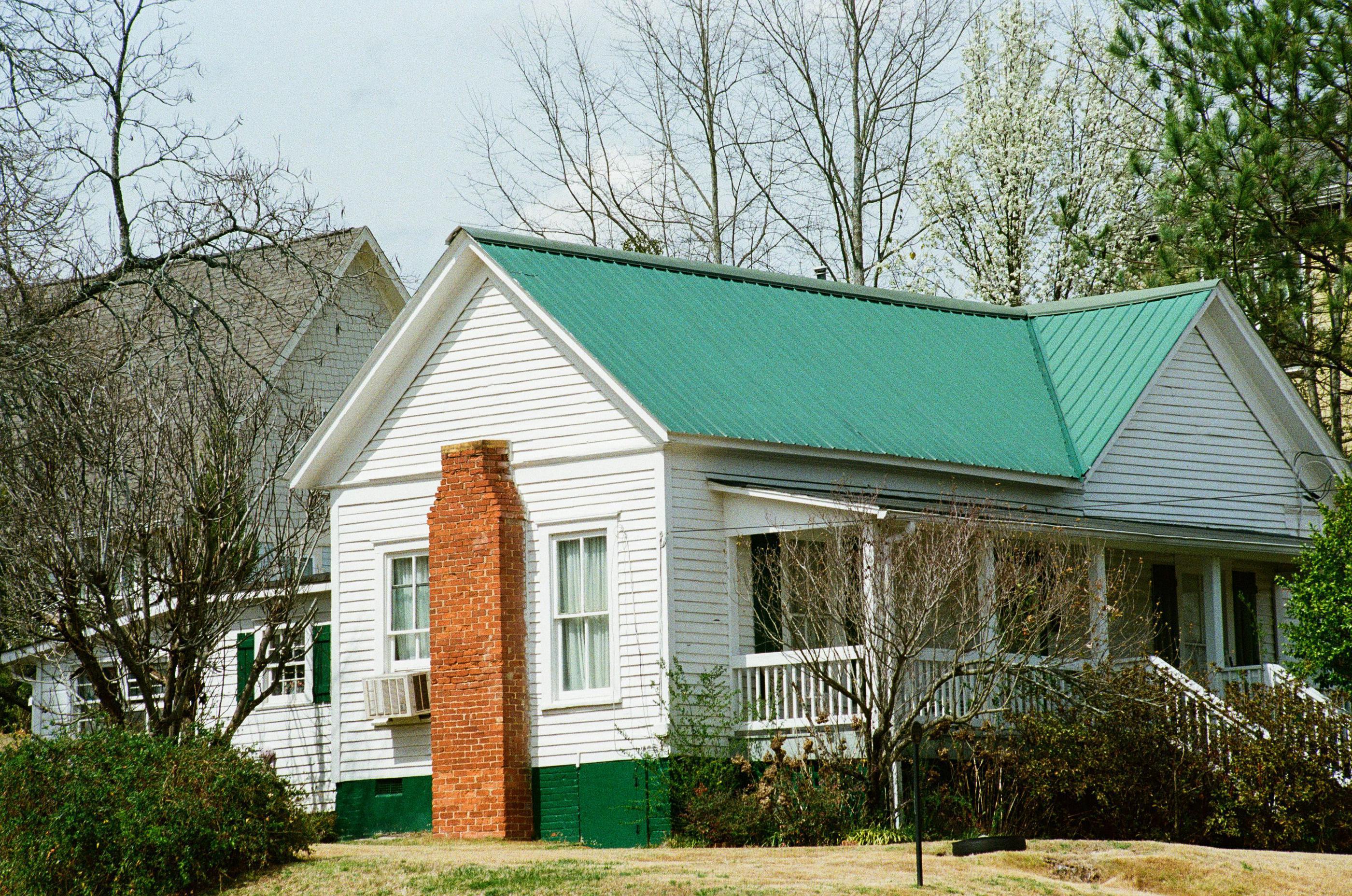
Around Effingham County, homes in Rincon, Highway 21, and nearby communities like Lost Plantation, Blandford Crossing, Churchill Estates, and Whitehall Plantation each come with their own plumbing considerations. Some neighborhoods rely on city water, others use septic systems, and many have a mix of both. Add in coastal soil conditions, maturing landscaping, and a blend of older homes and new construction, and it’s easy to see why wastewater systems can behave differently from one property to the next.
Below are five of the most common things homeowners in Effingham County should keep an eye on, whether you’re in an established neighborhood or a newer subdivision.
#1 City Water Doesn’t Always Mean You’re on Sewer
In fast-growing areas like Rincon, Highway 21, Lost Plantation, Blandford Crossing, Churchill Estates, and Whitehall Plantation, many homeowners assume that having city water means they’re automatically connected to a municipal sewer system. But that isn’t always the case. Several newer neighborhoods rely on city water paired with individual septic systems, simply because sewer infrastructure hasn’t expanded as quickly as residential development.
Knowing whether your home is on sewer or septic helps you understand how your wastewater system works, what maintenance it needs, and which signs of trouble to watch for. It’s one of the most important first steps in protecting your plumbing system and avoiding preventable issues down the road.
#2 Effingham’s Housing Mix Does Means Different Plumbing Needs
Across this region, you’ll find everything from older homes with long-established septic systems to newer subdivisions built during the Savannah Metro expansion. That variety means homeowners may encounter very different plumbing setups, materials, and maintenance requirements depending on when their home was built.
Understanding the age of your home’s plumbing and wastewater system helps you anticipate what kind of care it may need. Older septic systems may require more frequent inspections, while newer homes might still be settling into the soil, affecting drain lines and grading. Knowing where your home falls in the area’s development timeline gives you a clearer picture of how to maintain your plumbing system and prevent small issues from becoming bigger ones.
#3 Tree Roots Can Affect Both Sewer and Septic Lines
This part of Georgia has a mix of mature trees, new landscaping, and fast-growing ornamentals, all of which can influence how wastewater lines perform over time. Species like willows, poplars, and certain maples are known for seeking out moisture, and in neighborhoods across Rincon and the Highway 21 corridor, those roots can travel farther than homeowners expect. Even newer homes can experience root intrusion if trees were planted close to drain lines or if the soil encourages deeper root spread.
Understanding which trees are on your property and how close they are to your sewer or septic system can help you prevent avoidable issues. Root intrusion doesn’t happen overnight, but it can gradually impact pipes, drain fields, or joints if left unchecked. A little awareness goes a long way in keeping your plumbing system running smoothly as your landscaping matures.
#4 Soil Conditions Affect How Plumbing and Septic Systems Perform
Soil across Effingham varies from sandy stretches to dense clay pockets, and both can influence how wastewater systems behave over time. In newer neighborhoods, soil that hasn’t fully settled can shift slightly around underground lines, while older properties may have compacted soil that puts more pressure on aging pipes or septic components. These natural conditions aren’t usually a problem on their own, but they do shape how water moves through the ground and how drain fields disperse wastewater.
Being aware of your property’s soil type can help you understand why certain maintenance steps matter. Sandy soil may allow roots to travel farther, while clay-heavy areas can slow drainage and put stress on septic drain fields. A quick conversation with a plumbing professional, or even a look at your home’s original inspection report, can give you helpful insight into how your soil supports your plumbing system and what to keep an eye on as your home continues to settle.
#5 Small Signs Can Help You Catch Issues Early
Most plumbing or septic concerns don’t start with major symptoms. Early indicators are often subtle. Things like slower drains, occasional gurgling, mild odors outdoors, or patches of unusually damp soil can simply mean your system needs a routine check. These small signs aren’t emergencies, but they’re worth paying attention to so you can address maintenance needs before they grow into something more complicated.
Keeping an eye on these early changes helps you stay ahead of your home’s plumbing and septic care. A quick visit from a professional can confirm whether everything is working as it should or whether a minor adjustment will keep your system running smoothly. It’s a simple way to protect your home and avoid unnecessary repairs over time.
Professional, Licensed Plumbers in Effingham County
Benjamin Franklin Plumbing of Savannah Metro is a family- and veteran-owned business built on honesty, reliability, and clear communication. As part of the community, we understand the variety of systems in Effingham County homes. And we believe in empowering customers by helping them understand their homes better. Need someone to look at your home’s system? Make your appointment today. A little preventive maintenance always pays off.

 Your Privacy Choices