
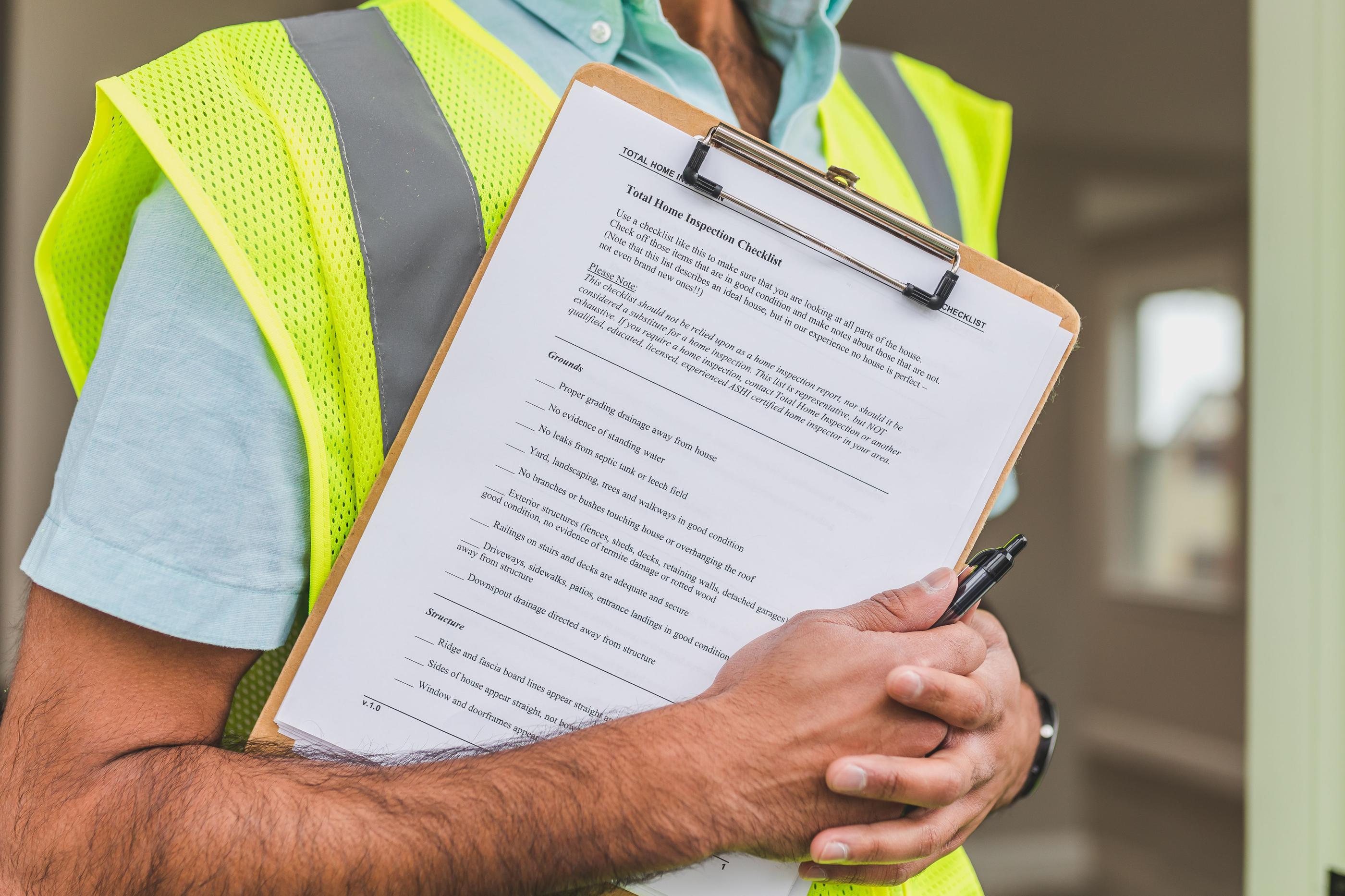
As part of the Savannah Metro area, Pooler, GA is one of its fast‑growing communities. New neighborhoods are popping up, and homes range from recently built to more established dwellings. With that mix of housing comes a wide variety of plumbing conditions that can show up on a home inspection.
A standard home inspection flags many things. This plumbing checklist helps you understand what’s normal, what’s outdated, and what might be a red flag on your home inspection. Use this guide so you can make a confident, informed decision before buying.
Why the Age of a Home Matters
Understanding the age of a home in Pooler helps you anticipate the type of plumbing you’re likely to find behind the walls. Newer neighborhoods often feature modern materials and builder grade fixtures that may simply need small upgrades over time. More established homes can have older piping, aging water heaters, or components that have quietly reached the end of their lifespan.
Knowing when a home was built and whether major systems (like the water heater) have been updated gives you a clearer plumbing picture. It helps you see what normal wear is, what’s a simple fix, and what might signal a deeper issue.
Knowing a home’s age also helps you plan. Some plumbing concerns are inexpensive DIY improvements, while others deserve a professional evaluation before you commit to closing. When you understand a home’s plumbing history, you’re better equipped to make a buying decision.
DIY Friendly Plumbing Fixes
As part of your sales contract’s contingency clause, the following are often items a seller will fix as part of sealing the deal. And if the property is being sold “as is” and you find these issues, you’ll have a better understanding of what you need to do once you take deed.
- Minor faucet drips A small drip often comes from a worn washer or cartridge. These parts are inexpensive and easy to replace.
- Loose toilet handle or running toilet Most running toilets are caused by a worn flapper or an unseated chain. These are simple, low‑cost fixes that do not indicate deeper plumbing trouble.
- Slow drains in sinks or tubs Hair or soap buildup is usually the culprit. A basic drain cleaning or removal of debris often restores normal flow.
- Low water pressure at a single fixture If only one faucet or shower shows low pressure, the aerator may be clogged. Cleaning or replacing it is a quick DIY improvement.
- Under‑sink drips from loose connections Sometimes a P‑trap or supply line nut needs tightening. If the leak stops and the pipe looks sound, it is typically not a major concern.
- Worn or outdated fixtures Builder grade faucets, showerheads, and toilets may look dated but still function well. Replacing them is more about comfort and style than plumbing risk.
Red Flag Issues that Deserve a Closer Look
If you see any of these issues in your home inspection report, they require further consideration.
- Consistent low water pressure throughout the home If pressure is low at multiple fixtures, it may point to aging pipes, buildup inside supply lines, or a failing pressure regulator.
- Signs of past water damage Stains, warped flooring, or musty smells can indicate leaks behind walls or under the slab. These issues deserve professional evaluation.
- Corroded or outdated piping Older homes may have galvanized steel or other aging materials. Corrosion can restrict flow and increase the risk of leaks.
- A Water heater near or past its lifespan Most water heaters last 8 to 12 years. Rust, moisture around the base, or inconsistent heating can signal that replacement is coming soon.
- Frequent clogging or sewer line concerns If multiple drains clog at once or you notice gurgling sounds, the issue may be in the main sewer line rather than a single fixture.
- Improper water heater installation Missing drip pans, incorrect venting, or unsafe placement can create safety risks. These are not DIY fixes and should be checked by a licensed plumber.
- Persistent under‑sink leaks If tightening connections does not stop the leak, or if the pipe shows cracks or corrosion, the issue may be more serious than it appears.
Understanding Plumbing Issues During a Home Purchase
Sellers are often willing to address issues once they know about them. Some choose to fix smaller problems themselves. Others hire a licensed plumber to take care of anything more involved. And in some cases, a seller may offer a price adjustment so the buyer can handle the repair after closing. As a buyer, you benefit from this clarity because it helps you understand what you’re stepping into and how to plan for future maintenance.
This is where a professional plumbing company can be especially helpful. If a seller wants to resolve a concern before closing, a licensed plumber can confirm whether the issue is minor or something that needs attention. If you’re considering a home that’s being sold as is, a more detailed plumbing evaluation can provide peace of mind.
A Local Team You Can Trust
Benjamin Franklin Plumbing of Savannah Metro is based right here in Pooler and is an active member of the community. We’re veteran owned and family operated, and on call 24 hours a day. Whether you are buying or selling, we provide honest, straightforward plumbing evaluations. Schedule your appointment with our team today.

 Your Privacy Choices