
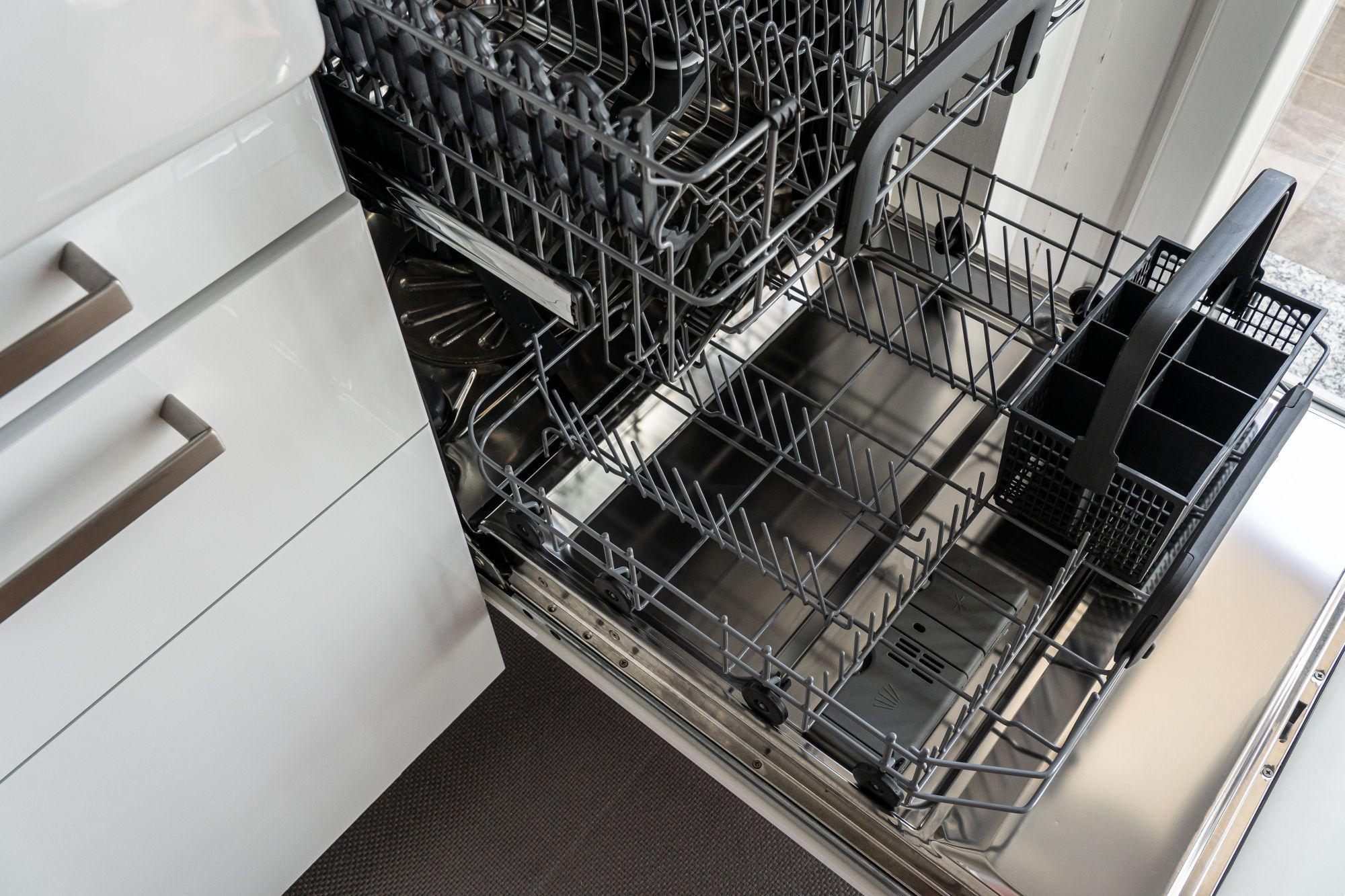
Your kitchen works hard every day. And two of the most relied upon appliances are the garbage disposal and the dishwasher. Whether your home is on municipal sewer or a septic system, understanding how these appliances work, how long they typically last, and when it’s time to repair or replace them can save you time, money, and frustration.
This guide walks you through the essentials, from septic‑safe usage to choosing the right replacement.
Understanding Bloomingdale’s Sewer and Septic Mix
Bloomingdale has homes on municipal sewer and those that still rely on septic systems, especially in areas with larger lots or older construction. Knowing which one you have matters because it affects how your disposal and dishwasher drain, how you maintain them, and what signs of trouble to watch for.
If your home is on city sewer, your disposal and dishwasher send wastewater into a municipal system built to handle everyday kitchen use. If you’re on a septic system, everything stays on your property until it’s processed by the tank and drainfield. Both appliances are perfectly acceptable on septic but be careful about what goes down the drain and how often the system is serviced. A quick look at your utility bill or a call to the city can confirm your setup.
Disposals on Septic vs. Sewer: What You Should Know
Homes in your community use both municipal sewer and septic systems, and disposals work with either one. The difference is simply how mindful you need to be. Sewer‑connected homes can use disposals more freely, while septic systems benefit from lighter, smarter use to keep the tank and drainfield healthy.
Best Practices for Homes on Sewer
- Use the disposal normally but avoid grease and fibrous foods.
- Run cold water before, during, and after grinding.
- Keep the disposal clean to prevent odors and buildup.
Best Practices for Homes on Septic
- Use the disposal sparingly, small scraps only.
- Avoid grease, fats, oils, and starchy foods.
- Skip fibrous items like celery, corn husks, and onion skins.
- Run plenty of cold water to help move waste through the line.
- Keep up with routine septic pumping to prevent overload.
Used correctly, disposals are perfectly compatible with both sewer and septic systems. The goal is to keep food waste manageable and your plumbing system healthy.
Dishwashers on Septic Systems: Clearing Up the Old Myths
Many homeowners have heard the old belief that dishwashers shouldn’t be used with septic systems. But modern plumbing and appliance design have made that idea outdated. Today’s dishwashers use far less water than older models, and the wastewater they produce is well within what a properly functioning septic tank and drainfield can handle.
The only real consideration is how you use the appliance. Choosing septic‑friendly detergents and avoiding harsh chemicals helps maintain the natural balance inside the tank. A properly connected drain line means wastewater flows smoothly, preventing backups at the sink or slow draining.
Electrical Rules for Replacement vs. New Installation
When you replace an existing disposal or dishwasher, the process is usually straightforward. If the connection is already in place, a licensed plumber can disconnect the old unit and reconnect the new one without an electrician.
If your home has never had a disposal or dishwasher, or if the existing electrical setup doesn’t meet current standards, an electrician must install the proper outlet or dedicated circuit before the plumber can complete the job. This safeguards proper power, meets code requirements, and prevents the appliance from overloading the home’s electrical system. When the electrical work is completed, a plumber can handle the connections, drain line setup, and final testing.
Garbage Disposal Lifespan, Care, and When to Call a Plumber
A well‑maintained garbage disposal usually lasts 8–12 years, but most units start showing signs of wear earlier. Catch problems by paying attention to changes in performance, noise, and drainage.
Signs of Trouble
- Frequent clogs or slow draining
- Humming without grinding
- Water leaking under the sink
- Persistent odors that return quickly
- Weak or inconsistent grinding
- Reset button tripping often
- Rust or corrosion inside the chamber
These are indicators that the disposal needs professional attention or possible replacement.
What to Look for in a New Garbage Disposal
When it’s time to replace your disposal, choosing the right model can make a noticeable difference in performance, noise, and long‑term reliability. The first thing to consider is horsepower. Smaller homes or light kitchen use often do fine with a ⅓ or ½ HP unit, while busy kitchens benefit from ¾ to 1 HP models that grind more efficiently and resist jams. Materials matter too. Stainless steel grinding components last longer and handle tougher scraps without corroding, especially in homes with hard water.
Noise level is another key factor. Many new disposals include sound‑insulated housings that dramatically reduce the rumble under the sink. Multi‑stage grinding systems can also help break down food more thoroughly, which is especially helpful for septic systems. Some models even offer septic‑assist cartridges that introduce helpful enzymes into the system.
With the right combination of power, durability, and quiet operation, a new disposal reliably makes everyday cleanup smoother.
Dishwasher Lifespan, Care, and When to Call a Plumber
Most dishwashers last 10–15 years, but performance changes often show up before the appliance reaches the end of its lifespan. You can spot early warning signs by paying attention to how well the dishwasher cleans, drains, and cycles.
Signs of Trouble
- Water pooling at the bottom after a cycle
- Dishes coming out dirty or still soapy
- Loud grinding or unusual noises
- Leaks around the door or under the unit
- Musty or moldy smells
- Slow or incomplete draining
- Rust inside the tub or on racks
These issues are signs that the unit needs service. And sometimes a replacement is the smarter long‑term choice.
Key Features for Choosing a New Dishwasher
A new dishwasher is one of the biggest upgrades you can make in a kitchen. Today’s models offer features that improve cleaning performance, reduce water use, and keep noise to a minimum. ENERGY STAR–rated dishwashers are a smart starting point. They use less water and electricity without sacrificing cleaning power. Stainless steel tubs are another worthwhile upgrade, offering better durability, quieter operation, and improved drying compared to plastic interiors.
Pay attention to filtration and food‑handling systems as well. Some dishwashers use advanced filters instead of hard‑food disposers, which keeps noise low while still preventing clogs. Quiet operation is a major selling point in open‑concept homes, so check the decibel rating and choose a model that won’t interrupt family time. Features like leak‑detection sensors, adjustable racks, and smart‑home connectivity round out the list of conveniences.
With the right combination of efficiency, quiet performance, and thoughtful design, a new dishwasher makes daily cleanup easier and more dependable for years to come.
When to Call Benjamin Franklin Plumbing Savannah Metro
Kitchen appliances work hard, and when a disposal or dishwasher starts showing signs of wear, a professional inspection can save time, stress, and unnecessary repairs. Having a licensed plumber take a look ensures your appliances are draining correctly, installed safely, and not causing hidden issues. A visit can confirm whether a repair will solve the problem or a replacement will give you better long‑term reliability.
Benjamin Franklin Plumbing Savannah Metro is a family‑ and veteran‑owned business built on honesty, reliability, and clear communication. Whether you live in a newer subdivision or a home with decades of kitchen updates, we’re here to help you understand your plumbing, explore your options, and prevent small issues from becoming stressful emergencies. Contact us today to schedule an appointment.

 Your Privacy Choices