
Key Takeaways About Plumbers Diagnose
This article explains how technicians find hidden plumbing problems without large demolition. It is for homeowners and property managers who need timely noninvasive diagnosis when they notice leaks or moisture.
- Identify hidden leaks using cameras acoustic and thermal tools.
- Prevent larger damage by catching small repeated warning signs early.
- Avoid unnecessary wall cutting with pressure tests and locators.
- Spot corrosion joint failures or root intrusion with targeted inspections.
- Reduce repair scope by combining tests and recorded diagnostic evidence.
- Plan repairs based on documented footage readings and locator logs.
Introduction
Hidden plumbing problems can start small and grow into costly damage when they go unnoticed. Homeowners often spot only secondary signs like stains, mold, or higher water bills. Plumbers diagnose these issues without tearing open walls by using noninvasive tools and targeted testing. That approach reduces disruption and narrows the real source before any repair begins.
Moisture on ceilings, a persistent drip, or strange sounds in walls are common early clues. A professional will use cameras, pressure testing, and acoustic detection to track where water actually moves. Locating the problem precisely helps avoid unnecessary demolition and limits repair area. For many people, that means saving time and preventing more damage.
Thermal imaging and electronic locating equipment let a technician see temperature differences and trace buried lines. Inspection cameras provide recorded footage of joints, P-traps, and the inside of supply lines. Clear diagnostic outputs give homeowners documented evidence for repair decisions or insurance conversations. Those recorded results also help determine whether a full replacement or a targeted fix is right.
In coastal areas like Myrtle Beach, SC small leaks can accelerate mold and wood rot if ignored. Homes in Conway, SC, with older plumbing can present hidden corrosion or joint failures that need careful diagnosis. If you notice persistent symptoms such as odors or fluctuating pressure, contact a professional promptly. Early, accurate diagnosis limits damage and leads to smarter repair choices.
How Inspection Cameras Work and When to Use Them
Inspection cameras are handheld or push-camera systems that let a technician view the inside of pipes and tight spaces without opening walls. A homeowner might ask, "Can a camera find the source of my leak?" Yes, recorded footage can show cracks, root intrusion, blockages, or failing joints. Technicians feed a flexible cable with a small camera through drains, cleanouts, or access panels to inspect P-traps, sewer lines, and supply runs. The camera output often includes time-stamped video and still images used in reports and repair planning.
- Pinpoint visible cracks or corrosion.
- Locate hairline fractures inside pipes.
- Confirm blockages and their material.
- Inspect joint integrity and seals.
- Record evidence for insurance claims.
Cameras work best when combined with other tests to confirm a diagnosis rather than used alone. A plumber will often run a dye test, pressure reading, or use an acoustic tool after camera footage suggests a problem. For example, if footage shows a wet spot behind a wall, a technician will pressure-test the nearby supply lines to confirm active leakage. This step-by-step verification helps plumbers diagnose precisely and avoid unnecessary demolition.
Use camera inspection when you see recurring backups, slow drains, or unexplained moisture traces near fixtures. In older properties in Conway, SC a camera can check for corrosion or offset joints without cutting open plaster. For external lines or long sewer runs, camera surveys can map the location and depth of damage before any trenching. If the footage indicates urgent failure, contact a professional promptly to plan targeted repairs.
Acoustic Leak Detection Explained and When to Call
Acoustic leak detection uses sensitive microphones and sound analysis to find water escaping pressurized pipes. Technicians listen for hissing, dripping, or continuous flow sounds that differ from normal plumbing noise. They often combine those audio cues with ground tapping or focused listening along supply lines and near shutoff valves. This method can reveal leaks behind walls, under slabs, or inside ceilings without cutting into the structure.
When homeowners hear persistent sounds at certain times, like overnight or when fixtures are off, acoustic tools help narrow the search. A technician will compare readings at multiple points using a pressure gauge to confirm whether the sound matches an active leak. Combining audio readings with a moisture meter gives stronger evidence before any repair begins. If sounds stop when the main shutoff valve closes, that test helps confirm the leak is within the pressurized area.
Acoustic detection works best on metal and rigid plastic pipes and becomes harder on very noisy properties or where multiple leaks overlap. In such cases, technicians may use dye tests, inspection camera footage, or electronic locating equipment for confirmation. For older homes in Conway, SC, corrosion noises or intermittent sounds can indicate developing joint failures that need timely attention.
Call a professional when you notice unexplained sounds, recurring damp spots, or pressure drops despite closed fixtures. A trained technician will run controlled tests, record their findings, and explain whether acoustic evidence requires further noninvasive checks. For guidance about scheduling a diagnostic visit or combining acoustic testing with other tools, check our plumbing diagnosis information or contact a local provider in Myrtle Beach. Prompt testing reduces the chance of hidden damage and focuses repairs where they belong.
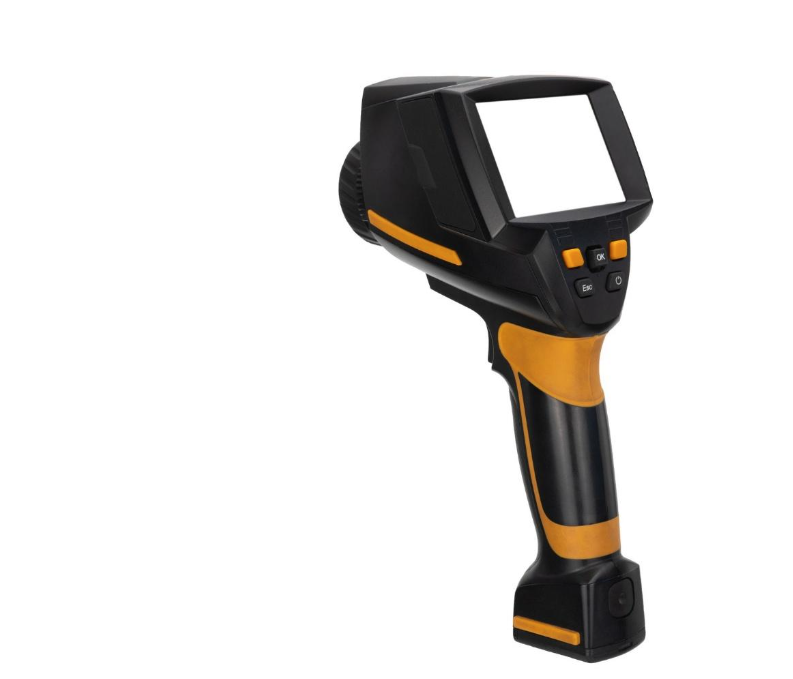
Photo from iStock - Credit: Казаков Анатолий Павлович
Thermal Imaging Mechanics and What to Do Next
Thermal imaging detects surface temperature differences caused by hidden moisture or heat loss without touching pipes. A technician scans walls, ceilings, and floors looking for cool spots that suggest evaporative cooling from leaks. Images show gradients, not exact pipe locations, so professionals use them alongside other tests for confirmation. Homeowners should expect thermal photos included in a written diagnostic report for repair planning.
Interpreting thermal images requires understanding emissivity and reflection to avoid false positives from vents or sunlight. A trained inspector correlates cold patches with moisture meter readings and camera footage to confirm active leaks. If a cold area aligns with a recorded wet spot, the plumber will perform a pressure test or dye test next. That stepwise approach helps plumbers diagnose without unnecessary demolition and narrows repair scope.
For properties in Myrtle Beach, SC and Conway, SC coastal humidity can affect thermal contrast and require careful timing of scans. Technicians often perform imaging at times with stable indoor conditions to improve accuracy and repeatability. They may also capture multiple images before and after running fixtures to see temperature changes during active flow. These comparisons reveal whether a suspected cold zone responds when water runs.
After imaging and confirmatory tests, the next actions depend on findings and risk level for mold or structural damage. For active leaks, plumbers typically isolate the supply, test pressure, and plan targeted access such as a small drywall cut or localized pipe replacement. If only residual moisture appears, monitoring and drying may be advised before invasive work. Always choose a professional to interpret results and recommend safe, minimally invasive repairs.
Pressure Testing Processes and When to Act Immediately
Pressure testing checks whether a pressurized system holds water at a set pressure and reveals active leaks that other tools might miss. A technician isolates the circuit, attaches a pressure gauge, then raises system pressure using a pump to a safe test level. They monitor pressure for a defined interval while watching gauges and listening with acoustic tools for drops or escaping air. If pressure falls, the technician conducts sectional isolation to narrow the leak to a specific run or fixture.
- Confirm shutoff valves fully close.
- Seal vents and open fixtures for controlled tests.
- Record starting and ending pressure readings.
- Compare readings after isolation steps.
Common immediate risks include major pressure loss or visible water appearing in ceilings or walls, which call for quick action. In those cases, a professional will shut down the affected supply and perform targeted tests like a dye test at fixtures or a localized camera inspection. Homeowners in Myrtle Beach, SC should treat sudden wet ceilings or fast pressure drops as urgent due to humidity and mold risk. The plumber documents results with readings and photos to guide repair decisions and insurance claims.
Smaller pressure declines over time need scheduled attention but are less urgent than rapid loss or active leaks. A technician may leave the system under monitored pressure while tracing the leak with acoustic sensors and electronic locators. For older homes in Conway, SC gradual drops often point to failing shutoffs, check valves, or hidden pinhole corrosion in supply lines. After confirming the source, the plumber outlines options such as targeted repairs, valve replacement, or controlled access for pipe sections.
Electronic Locating Equipment: How It Works for Lines
Electronic locators send a signal through a buried or hidden pipe so a technician can trace its path without digging. A plumber connects a transmitter to a cleanout, metal fitting, or nearby clamp to induce a detectable frequency along the line. The receiver then follows surface signals and maps depth and horizontal position while the operator notes signal strength changes at joints or bends. This process helps team members plan precise access points for repairs with minimal disturbance to finish surfaces.
Locators work on metallic pipes and on nonmetallic lines when combined with a sonde or traced transmitter placed inside the pipe. A sonde is a small, battery-powered transmitter pushed with a camera or flexible rod, letting the receiver mark exact locations for later work. Technicians log signal readings and depth estimates to produce a simple sketch showing where to open a slab or wall.
During tracing, the technician compares locator output to pressure-test results and acoustic readings to confirm an active leak location. If signals align with a pressure drop and audible leak, the team pinpoints the offending section for repair. A plumber may also use the locator to find nearby shutoff valves, cleanouts, or buried supply branches before starting any cut or trench.
Electronic locating reduces risk to other utilities by showing pipe depth and route before cutting or trenching begins. Technicians still verify utility locations according to local safe-dig practices and may hand-expose fittings where signals are weak. The recorded locates, signal logs, and video or photos become part of the diagnostic report given to the homeowner. If you suspect a hidden line issue, schedule a professional diagnostic visit so experts can safely trace lines and recommend the least invasive repair option.
Common Hidden Causes of Leaks and Why They Happen
Pinhole corrosion often starts inside supply lines where water chemistry and micro-currents erode metal slowly over years. Homeowners might notice a small wet spot near a fixture that appears only when certain appliances run. A plumber will check visible shutoff valves, test for pressure loss, and inspect the affected run to identify signs of deterioration. For more information about aging plumbing systems, see our guide on older Conway neighborhoods' face pipe deterioration. Confirming corrosion may require evidence of pitting or thinning at the metal surface.
Failed wax rings and deteriorated closet flanges can allow sewer odors and slow leaks around toilets without obvious water on the floor. Smells that worsen after flushing may indicate a failing seal or damaged flange. For more information about addressing this issue, see our guide on a toilet wax ring upgrade. A technician can inspect the toilet base, check the flange condition, and determine whether moisture comes from a plumbing leak or condensation. If the flange is cracked or separated from the surrounding floor, targeted repair or replacement can help prevent further water damage.
Hidden joint failures at fittings or soldered connections occur at change-of-direction points and behind cabinets where stress concentrates. Leaks from loose compression nuts and failing fittings often drip only under specific pressure or temperature conditions. A plumber diagnoses these by isolating sections, applying pressure tests, and using an inspection camera to view behind cabinets or under vanities. Repair options range from tightening or replacing a fitting to cutting a short section for soldered joint replacement.
Root intrusion and blockages can restrict sewer flow and contribute to leaks around damaged joints or cracks. As roots grow inside a pipe, they can worsen existing defects and increase the risk of backups or further pipe damage. For more information on how this problem develops, see our guide on why coastal tree roots destroy sewer pipes. Plumbing technicians trace the run with a camera and sonde, then confirm active leakage with pressure or dye testing before planning a targeted repair. For properties in Myrtle Beach, SC and in Conway, SC older sewer runs may need regular inspection to catch root invasion early.
Early Warning Signs Homeowners Can Spot and Respond
Small, repeated signs often precede larger failures and give homeowners a chance to act before structural damage begins. Watch for new or worsening odors near drains that appear with specific fixtures or times of day. Note changes in water taste or cloudiness that coincide with fixture use or after pressure events. Keep a log of when problems occur to help a technician match symptoms to system activity.
- Consistent damp spots that do not dry quickly.
- New musty smells in cabinets or basements.
- Toilets that rock or shift slightly when used.
- Water pressure that changes after appliances run.
Visible small stains on ceilings or walls that grow slowly indicate recurring moisture behind finishes and need prompt attention. If you find blistering paint or soft drywall near plumbing, avoid running related fixtures until inspected. A homeowner can check shutoff valves at fixtures to see if closing them stops the issue temporarily. Record pressure gauge readings or take photos to share with a professional for faster, precise diagnosis.
For properties in Myrtle Beach, SC and in Conway, SC prolonged humidity plus hidden leaks increases mold and rot risk, making early response critical. If you hear intermittent dripping in walls when fixtures are off, note the time and any appliance use that precedes it. A professional will use those observations to run targeted dye tests, pressure checks, and camera inspections to confirm the source. Schedule a diagnostic visit when multiple warning signs align or when simple isolation stops do not resolve the symptom.
When to Call a Professional Service for Diagnosis
If basic checks and observation do not locate the source, call a professional for a focused diagnostic visit to avoid unnecessary work. A trained technician will perform controlled isolation tests and run targeted noninvasive checks to confirm active leaks. They document findings with pressure readings, recorded footage, and photos so you can decide on repairs. Early professional diagnosis prevents methods that cut large holes or require broad demolition.
Call sooner when you detect recurrent dampness that spreads, unusual odors that persist, or unexplained pressure loss despite closed fixtures. The technician will systematically isolate circuits, attach gauges, and use acoustic or locating tools to narrow the problem area. Expect clear next steps based on test outputs, such as where a small access cut or a slab probe would be necessary. This measured approach reduces repair scope and protects hidden finishes.
For residential homeowners in Myrtle Beach, SC, a timely call matters because humidity and salt air can accelerate secondary damage from a small hidden leak. In Conway, SC, older plumbing runs sometimes fail in ways that require coordinated testing to confirm exact fault locations before repair. A professional will explain risks and propose options like targeted replacement, valve swaps, or monitored drying depending on confirmed results. They also note when immediate shutoff and emergency repairs are required.
When complex systems or multiple symptoms appear, schedule an appointment with a diagnostic-focused service that records evidence and provides a written plan. The plumber will combine inspection camera footage, pressure readings, and locator logs to confirm the source and recommend least-invasive repairs. Homeowners receive documented test results to share with insurers or contractors for repair planning. If you suspect a hidden issue, arranging a professional plumbing inspection & diagnosis visit is the safest next step.

 Your Privacy Choices