Key Takeaways About Sewer Camera Inspection
A sewer camera inspection uses a small waterproof camera to see inside sewer pipes and document defects. This guide helps homeowners and property managers decide when to inspect and how findings speed up repairs and limit digging.
- Identify cracks roots offsets and collapsed sections precisely.
- Prevent unnecessary yard excavation with accurate location data.
- Avoid repeated repairs by confirming the true defect first.
- Spot early signs like slow drains gurgling and odd smells.
- Reduce repair time by bringing correct parts and materials.
- Plan trenchless or localized repairs when footage supports them.
Introduction
Hidden cracks, tree-root intrusions, and collapsed pipe joints cause slow drains and recurring backups that get worse over time. A sewer camera inspection reveals the exact problem location without guessing where to dig. Knowing what the camera finds matters because it guides the repair approach and avoids unnecessary excavation. For homeowners, that means less yard damage and a faster path to a permanent fix.
Often the first sign is a smell or slow drains that come and go instead of constant failure. Gurgling toilets and backups in only one fixture can point to a mainline issue rather than a local trap problem. A camera lets a professional see roots, offsets, bellies, and cracks directly inside the pipe. Seeing the damage removes uncertainty that can lead to repeated repairs.
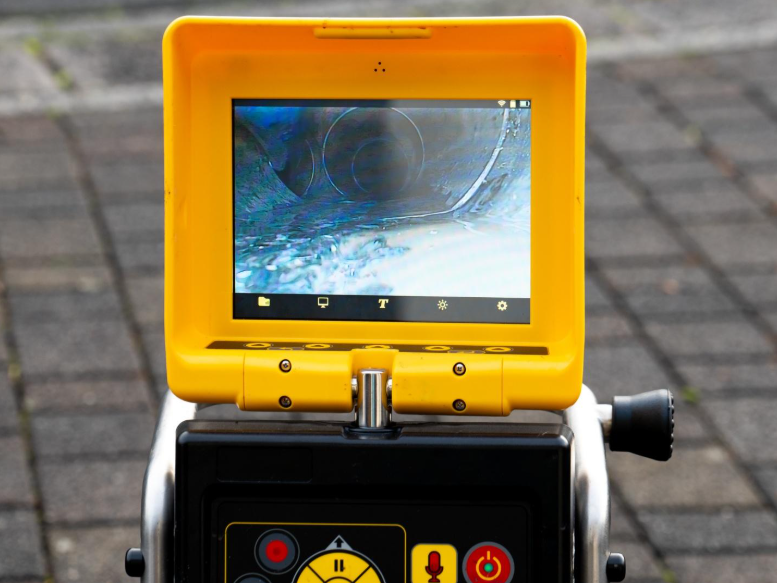
Technicians feed a flexible cable with a camera through a cleanout or access point to inspect pipe interiors and joints. Recorded footage and still images document the location and severity of the defect for a clear repair plan. That information speeds up accurate repairs because crews arrive prepared with the right parts and materials. It also reduces the chance of large-scale excavation when spot repairs or trenchless options will work.
Homeowners in Conway, SC and Myrtle Beach, SC often delay inspections until signs become urgent, which raises repair complexity and cost. Early inspection can catch developing problems like root intrusion before a full collapse occurs. If you notice recurring backups, visible wet spots near the foundation, or odd smells, these are reasons to request a professional evaluation. A timely sewer camera inspection protects your property and narrows the repair scope.

What a Sewer Camera Inspection Reveals and How It Works
A sewer camera inspection uses a flexible cable with a waterproof camera to view the inside of sewer pipes directly.
- Locate cracks and fractures.
- Find root intrusions and blockages.
- Identify offsets and collapsed sections.
- Confirm pipe material and diameter.
The camera delivers recorded footage and still images that show exact defect location and severity inside the pipe system.
Professionals use the footage to answer homeowner questions like "Do I need to dig up the yard or can we repair in place?" clearly and quickly.
During inspection, technicians note cleanout access, P-trap conditions, and vent stack connections while measuring depth and distance to the defect.
For properties in Myrtle Beach, SC and homeowners in Conway, SC, the inspection report helps prioritize repairs and choose trenchless fixes when possible.
Common Causes of Sewer Line Breaks and Why They Happen
Soil movement and ground settling shift pipes over time, putting stress on joints and causing misalignment. Corrosion and material degradation wear away older clay or cast-iron lines until small cracks form. Tree roots grow toward moisture and exploit those tiny openings, widening them and creating blockages that trap debris. In areas with frequent irrigation or high groundwater, repeated wet-dry cycles can accelerate joint failure and pipe movement.
Incorrect installation and poor slope are common human causes that lead to slow drainage and sediment buildup. A pipe that lacks proper fall can develop a belly where water and solids collect, increasing load and eventual collapse risk. Heavy surface loads from driveways, parked vehicles, or construction equipment can crush or kink shallow mains. When soil compaction changes after landscaping, previously stable pipes can become exposed to new stresses.
Overflow and recurring backups sometimes trace to partial blockages from accumulated grease, wipes, or mineral scale that reduce flow capacity. Sudden shocks, like a nearby excavation hitting the line, can produce immediate fractures or offsets at joints. Biological activity in organic clogs can create gases and pressure that weaken pipe walls over time. For homeowners in Conway, SC these problems may go unnoticed until odors or slow fixtures indicate worsening flow.
Professionals diagnose root causes by combining visual sewer camera inspection footage with simple tests and checks. They look for pipe material, joint condition, and recordings showing exact defect location and length. Technicians may perform a dye test at fixtures or open a cleanout to observe flow while filming to confirm active leaks. For properties in Myrtle Beach, SC, recorded footage and a written report help plan whether a targeted repair or pipe replacement makes the most sense.
Early Warning Signs Homeowners Should Watch For
Watch for slow drains that worsen during heavy use and then partly recover when flow decreases. Persistent gurgling from a toilet or sink often signals trapped air from partial blockages or a vent problem. Repeated backups that affect different fixtures on separate floors point toward a mainline restriction rather than a single trap or fixture. When these symptoms appear together, schedule a professional diagnostic check promptly.
Odd smells near drains or outside near a cleanout can indicate a leak or break allowing sewer gas to escape. Visible wet spots or soft ground in the yard may not be directly above the pipe but can still come from an underground leak. If sediment appears in water or discolored discharge shows up during a heavy flush, these are signs of pipe deterioration or intrusion. A technician will verify these cues during the inspection process.
Unusual sounds like bubbling or knocking in drainage lines when appliances run suggest flow disruptions or large obstructions. Frequent clogs that resolve temporarily after plunging but return quickly mean the underlying restriction remains. Alternating fast and slow drainage across fixtures can reveal partial collapses or shifting joints in the main sewer line. Professionals use these observations to decide if a sewer camera inspection is needed.
For homeowners in Conway, SC, recurring intermittent backups deserve early attention to avoid larger failures later on. In Myrtle Beach, SC properties, notice signs around landscaped areas where roots could invade joints. During diagnosis, a technician will check cleanouts, run a camera, and perform a dye or flow observation to confirm active leaks or root movement. That confirmed evidence then guides repair choices and timing.
How Camera Inspections Speed Accurate Repair Decisions
A sewer camera inspection helps technicians choose between a focused repair and a full replacement by showing exact defect length and location. Professionals use measured footage to mark distance from a cleanout to the problem, which speeds planning and reduces guesswork. That precise location tells crews whether a short section of pipe needs attention or if multiple joints are affected. Clear footage also helps determine required materials and access points before work begins.
- Pinpoint the break location.
- Measure distance and depth to the defect.
- Decide between spot repair and full section replacement.
- Confirm presence and extent of root intrusion.
Recorded images let a crew assemble the right replacement pipe, couplings, and fittings before arrival, saving time onsite. When footage shows minor intrusion, technicians can prepare equipment for trenchless repair instead of bringing excavation tools. If corrosion or multiple offsets appear, the team can schedule a longer replacement with proper materials. This preparation reduces return visits and shortens repair duration for homeowners.
During diagnosis, a pro compares camera footage with simple checks like dye tests and cleanout flow observations to confirm active leaks. They note nearby components such as the cleanout, P-trap, and any accessible shutoff to plan safe work. For properties in Conway, SC this confirmation helps set realistic timelines and limits unnecessary digging. Homeowners receive written footage reports that show what was found and why a chosen repair method fits.
Seeing the defect clearly also helps evaluate trenchless options and constraints, which can avoid yard disruption when feasible. For Myrtle Beach, SC properties with limited access, footage can prove whether pipe lining or sectional replacement will work. Photographic evidence supports permit applications or insurance claims when needed. Overall, camera-based diagnosis leads to focused repairs and less invasive work for homeowners.
When to Call a Professional for Camera Inspection Service
Call a professional when visible signs point to an active leak or when recurring backups resist basic fixes. A trained technician will evaluate access points like cleanouts and check for active flow before running a camera. They use recorded footage plus measurement marks to confirm exact depth and distance to the defect for repair planning. If you smell sewer gas near the foundation, contact a pro promptly to avoid hazards and property damage.
Schedule service if symptoms appear after yard work, nearby digging, or new landscaping that could have shifted soil over a line. The technician will inspect joints, look for recent offsets, and compare footage to any known changes in the yard. For homeowners in Conway, SC having documentation of recent disturbance helps prioritize inspection timing and methods. This early scheduling prevents small problems from becoming emergency excavations.
Arrange inspection when backups affect multiple fixtures or occur intermittently despite plunging and snaking efforts at the fixture. A professional will run a sewer camera inspection and perform flow observation or a dye test to confirm whether the issue is in the mainline. They will also note nearby components like P-traps and shutoffs that influence access and safety during repairs. Confirmed camera findings guide the decision between targeted repair and full section replacement.
Request a camera inspection before buying or selling a property to verify sewer line condition and avoid surprises during closing. Technicians provide recorded footage, still images, and a written report that show pipe condition and exact defect locations. For properties in Myrtle Beach, SC this documentation can clarify responsibility and repair timing for both buyers and sellers. Use the inspection report when discussing repair options or scheduling trenchless work with your chosen contractor.
How Inspections Reduce Excavation and Save Costs
A targeted sewer camera inspection often reveals whether a repair can be isolated to a small section, reducing the need for long trenches. When footage shows a single joint failure or short crack, crews can plan a localized repair and bring appropriate couplings and replacement pipe. This approach lowers labor and restoration costs compared with removing large areas of yard or driveway. Technicians document the defect location so excavators dig only where necessary.
Recorded footage also helps determine if trenchless methods will work by showing pipe alignment and interior surface condition. If the camera shows a continuous, repairable interior with limited offsets, lining or sectional replacement becomes a practical option. Choosing trenchless work minimizes landscape disruption and shortens project timelines compared with full open-cut replacement. Homeowners save on regrading and planting costs when crews avoid wide excavations.
When an inspection shows multiple failures or severe corrosion, it prevents wasted time trying temporary fixes that fail later and cause repeat excavation. Professionals use camera measurements to estimate material needs and crew size before mobilizing, which reduces unexpected delays and extra trips. Confirming the true scope helps homeowners budget for necessary work rather than face surprise expenses later. For properties in Conway, SC having a clear report can simplify contractor estimates and repair planning.
Inspections also create a permanent record of pipe condition with video, images, and a written report technicians share with homeowners. That documentation supports insurance claims or requests for localized excavation permits when digging is unavoidable. A clear inspection record reduces disputes about where to dig and what caused the damage, which can speed approvals. For properties in Myrtle Beach, SC this evidence makes cost decisions more transparent and defensible.
Step By Step What Technicians Check During Inspection
Technicians start by preparing access and verifying cleanout condition before inserting the camera to protect equipment and capture stable footage. They check shutoffs and nearby P-traps to control accidental backflow during the run. The installer notes pipe material and diameter on first pass because these affect repair options and fitting choices. Recorded footage begins with a reference marker so distance to defects measures accurately for repair crews.
- Inspect cleanout entry and seal condition.
- Measure distance from the cleanout to observed defects.
- Record continuous video and capture still images.
- Note pipe material, diameter, and joint type.
As the camera progresses, the technician watches for structural issues like offsets, bellies, and joint separation that alter flow patterns. They pause at suspicious spots to pan the camera and zoom for clear images of cracks or root intrusion. Simple flow checks follow, including observing dye movement or flushing a fixture while filming to confirm active leaks. The team documents any sediment buildup or scale that could affect long-term flow capacity.
When roots or blockages appear, technicians estimate intrusion length and decide whether mechanical cutting or chemical treatments may help before replacement. They inspect nearby fittings, vent stacks, and accessible junctions to determine if the problem source lies at a joint or downstream connection. If corrosion or multiple damaged joints show, they capture multiple angles and mark start and end points for each damaged section. That documentation forms part of the written report used for planning and permits.
Finally, technicians withdraw the camera slowly while noting any changes in slope or additional defects missed on the first pass to ensure complete coverage. They review recorded footage on-site with homeowners, explaining observed problems and potential repair paths without pressure. The field notes include recommended next steps, possible trenchless suitability, and required parts based on measured defect locations. For properties in Conway, SC and Myrtle Beach, SC this clear evidence helps owners make informed repair decisions.
Preventive Maintenance Tips to Avoid Future Breaks
Schedule regular camera checks every few years for older lines and after major landscaping work to catch developing problems early. A technician can compare recorded footage over time to spot slow changes before failures occur. Keep a copy of inspection recordings and the written report to track trends and plan interventions. This documentation helps prioritize repairs and budget for future work without guessing about urgency.
Control root intrusion by managing vegetation near sewer routes and replacing failing joints promptly when inspections show small breaches. Professionals may recommend trimming or removing aggressive trees and monitoring regrowth rather than relying solely on chemical root treatments. When footage shows recurring root return, consider targeted sectional repair or lining to stop re-entry without full replacement. For properties in Conway, SC, this proactive approach reduces emergency excavations and long-term repair costs.
Adopt flow-friendly habits like avoiding grease, nonflushing wipes, and large volumes of solids down household drains to limit blockages. A camera run can reveal sediment and grease buildup that slow flow and encourage root growth into joints. Regular maintenance such as mechanical snaking followed by inspection ensures clearing actions actually removed the obstruction rather than displacing it. Technicians can document post-cleaning footage to confirm restored flow and the need for further preventative measures.
Consider periodic checks after extreme weather or ground movement events to verify pipe alignment and joint integrity when residents notice new odors or yard wet spots. Simple on-site checks include testing cleanouts, performing a dye test, and running a camera to confirm active leaks or changes. If footage suggests trenchless lining is suitable, schedule that work to seal small cracks and extend pipe life without large digging. For many homes in Myrtle Beach, SC this sequence prevents small issues from turning into costly collapses.

 Your Privacy Choices