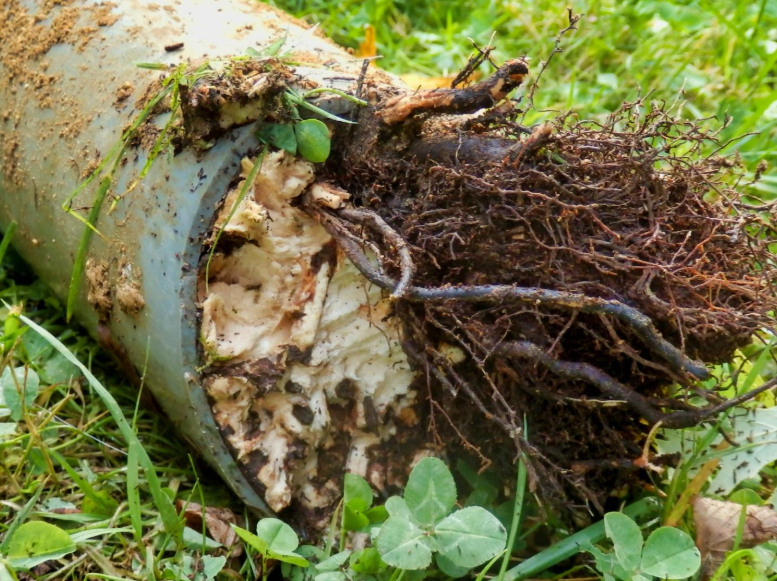
Sewer pipes often face hidden damage in coastal communities like Conway and Myrtle Beach, SC. Tree roots naturally search for steady moisture underground. Unfortunately, underground plumbing systems provide an ideal water source. Over time, small root growth can create serious plumbing concerns.
Coastal soil conditions make underground plumbing systems more vulnerable throughout the year. Sandy soil shifts easily after heavy rain and seasonal storms. As a result, sewers may develop weak spots beneath residential properties. Even tiny cracks can attract nearby tree roots quickly.
Trees growing near homes often spread roots farther than many homeowners expect. These roots move toward moisture, nutrients, and cooler underground conditions. Once roots detect leaking water, they continue growing around sewer pipes aggressively. Eventually, the pressure may cause cracks, blockages, and pipe separation.
Many homeowners first notice slow drains or recurring plumbing backups inside the home. However, underground root intrusion usually develops long before warning signs appear. Early inspections help identify hidden plumbing damage before conditions worsen significantly.
Why Coastal Trees Aggressively Seek Moisture
Coastal trees grow differently because of constant humidity and changing weather conditions. Warm temperatures encourage faster root development throughout much of the year. Trees in Conway and Myrtle Beach often experience extended growing seasons. Because of this, root systems continue spreading beneath residential properties.
Sandy coastal soil also changes how roots search for water underground. Unlike dense clay soil, sandy soil drains moisture very quickly. Tree roots respond by stretching farther to locate dependable water sources nearby. Sewer pipes often become attractive targets because they contain steady moisture.
Heavy rainfall and seasonal storms create additional underground movement near coastal homes. As the soil shifts, small plumbing weaknesses may begin forming underground. Tiny leaks release moisture into the surrounding soil over time. Tree roots naturally move toward those damp conditions beneath the yard.
Many coastal properties contain mature trees planted decades before modern plumbing systems existed. Large root systems continue expanding as trees age and grow taller. Eventually, roots may surround the sewer pipe and place pressure on underground connections. Regular plumbing inspections help identify these risks before severe damage develops.
How Sewer Pipes Attract Tree Roots
Tree roots constantly search for moisture beneath homes and landscaped properties. Even small plumbing leaks release water into the surrounding soil slowly. Roots detect that moisture and begin growing toward the affected area underground. Sewer pipes become easy targets when cracks or weak joints develop.
Older plumbing systems often contain tiny openings that remain hidden for years. As pipes age, materials naturally weaken from moisture and ground movement. Coastal conditions in Myrtle Beach and Conway can speed up that deterioration process. Once roots reach the pipe, they continue expanding around vulnerable sections.
Condensation also contributes to underground moisture buildup near aging plumbing systems. Damp soil creates favorable conditions for nearby root growth throughout the year. Over time, roots may wrap tightly around sewer pipes beneath the property. This added pressure increases the risk of fractures and blockages.
Small cracks frequently become larger as roots force their way inside underground pipes. Once inside, roots absorb moisture and continue growing rapidly within the line. Eventually, homeowners may notice recurring drainage problems throughout the home. Professional inspections help identify hidden sewer damage before major plumbing failures occur.
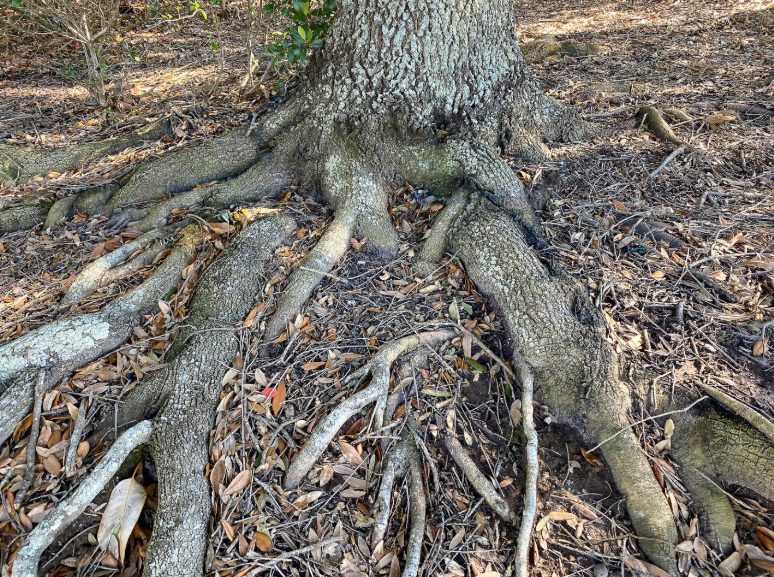
Photo from iStock - Credit: StockHolidays
Common Coastal Trees That Damage Sewer Pipes
Oak Trees
These trees develop large, widespread root systems beneath residential properties. Their roots often travel long distances searching for dependable moisture underground. As oak roots expand, they may place pressure on aging sewer pipes nearby. Older underground plumbing systems become especially vulnerable to root intrusion over time.
Pine Trees
These trees grow quickly in coastal environments like Myrtle Beach and Conway, SC. Their roots spread outward and compete aggressively for underground moisture sources. Sandy coastal soil allows pine roots to move easily beneath landscaped areas.
Maple Trees
Maple trees are known for fast-growing roots that seek water consistently underground. These roots often move toward leaking plumbing systems beneath residential yards. Once moisture is detected, maple roots continue expanding around underground pipe connections.
Willow Trees
These trees naturally seek large amounts of moisture to support rapid growth patterns. Their roots aggressively pursue underground water sources across nearby properties. Even small plumbing leaks may attract willow roots toward buried utility lines quickly.
Palm Trees
Palm trees are common throughout coastal South Carolina landscapes and residential neighborhoods. Although palm roots appear smaller, they still spread widely beneath the surface. Coastal moisture conditions encourage palm roots to grow toward underground plumbing systems steadily.
Homeowners benefit from understanding how tree placement affects the long-term performance of the underground plumbing system. Planting large trees too close to buried utility lines may increase future plumbing risks significantly. Routine inspections help identify hidden root intrusion before severe underground damage develops. Protecting sewer pipes early helps reduce long-term plumbing problems in coastal environments.
Early Warning Signs of Sewer Pipe Root Intrusion
Slow Drains
Slow drains often develop when roots begin restricting wastewater flow underground. Water may drain slowly from sinks, tubs, showers, and household appliances regularly. Minor blockages usually worsen as root systems continue expanding inside the pipes. A sewer pipe with tree root intrusion frequently experiences recurring drainage issues.
Recurring Clogs
Frequent clogs may indicate that roots are growing inside the underground wastewater lines steadily. Temporary drain clearing often fails because roots continue blocking the pipe repeatedly. Multiple clogged fixtures throughout the home may signal a larger underground problem. Sewer pipe inspections help determine whether roots are causing repeated plumbing disruptions.
Foul Odors
Damaged underground pipes sometimes release unpleasant sewer odors near the home or yard. Coastal moisture conditions may make these smells stronger after rainfall or humid weather. Persistent odors often indicate cracks, leaks, or underground pipe separation problems.
Wet Spots in the Yard
Unusual wet spots may appear when damaged pipes leak beneath landscaped areas outdoors. Grass may grow faster or appear greener near underground plumbing leaks unexpectedly. Coastal soil absorbs moisture quickly, making underground leaks difficult to notice initially.
Frequent Plumbing Backups
Wastewater backups often occur when roots create severe underground pipe blockages over time. Toilets, sinks, and tubs may overflow because wastewater cannot move properly underground. Plumbing backups usually indicate advanced root intrusion inside buried pipe systems.
Recognizing these warning signs early helps homeowners reduce the risk of severe underground plumbing damage. Coastal properties in Conway and Myrtle Beach face ongoing root intrusion risks throughout the year. Professional inspections help locate hidden underground problems before major repairs become necessary. Protecting sewer pipes early supports safer and more reliable plumbing system performance.
How Tree Roots Crack and Break Sewer Pipes
Tree roots apply constant pressure as they spread beneath homes and landscaped areas. Underground plumbing systems often sit directly within the path of growing roots. Once roots contact weak pipe sections, damage may begin developing slowly underground.
Small openings allow roots to enter underground pipes searching for moisture and nutrients. After entering the line, the roots continue expanding inside the pipe aggressively. Thick root growth gradually blocks wastewater flow and strains the plumbing system. Over time, sewer pipes may crack under increasing internal pressure.
Coastal soil movement also contributes to pipe fractures and underground structural damage. Sandy soil shifts easily after storms, heavy rain, and seasonal flooding conditions. As the ground moves, roots place additional stress on underground plumbing connections. Pipe joints may separate, creating larger openings for root intrusion.
Long-term root growth can eventually destroy sections of underground plumbing completely. Cracked pipes may leak wastewater beneath the yard or foundation area. Misaligned sewer pipes often create repeated drainage issues throughout the property. Early inspections help homeowners prevent severe underground plumbing damage in coastal communities.
Why Coastal Soil Conditions Worsen Pipe Damage
Coastal soil conditions create additional challenges for underground plumbing systems throughout the year. Sandy soil shifts more easily than dense soil found in other regions. This constant movement may weaken underground pipe support beneath residential properties.
Heavy rainfall and coastal storms also contribute to underground plumbing problems over time. Excess groundwater saturates the soil and increases movement around buried utility lines. As the soil shifts, underground pipes may begin separating at connection points.
Erosion creates another serious concern for homeowners in Conway and Myrtle Beach, SC. Water movement beneath the surface slowly removes soil surrounding underground plumbing systems. Without proper support, pipes may sag, crack, or shift beneath the property.
Seasonal weather changes place even more pressure on aging underground plumbing systems. Coastal temperatures, storms, and fluctuating moisture levels affect soil stability year-round. Tree roots continue spreading through weakened areas searching for dependable moisture sources. Routine inspections help homeowners protect sewer pipes from worsening coastal soil damage.
The Long-Term Consequences of Damaged Sewer Pipes
Damaged sewer pipes often create ongoing plumbing problems for homeowners in coastal communities. Root intrusion may lead to repeated clogs and recurring drainage system backups. Many homeowners experience the same plumbing issues again after temporary repairs. Over time, underground damage usually continues spreading beneath the property.
Cracked or misaligned pipes also affect how wastewater moves through the plumbing system. Water may drain slowly from sinks, showers, tubs, and household appliances regularly. As blockages worsen, pressure builds inside damaged underground plumbing lines. Sewer pipes with severe root damage may eventually stop functioning properly.
Underground leaks can create serious concerns beneath homes, driveways, and landscaped areas. Wastewater escaping from damaged pipes may saturate nearby soil for extended periods. Coastal conditions often increase moisture levels around underground plumbing systems significantly. In some cases, sewer pipe leaks may weaken sections of the property over time.
Ignoring underground plumbing damage usually leads to larger repairs and greater property disruption later. Tree roots continue growing once they enter underground pipe systems successfully. Early detection helps reduce the risk of widespread plumbing emergencies and structural damage. Professional inspections help homeowners protect sewer pipes from long-term coastal deterioration.
How Professional Plumbing Inspections Detect Root Damage
Professional plumbing inspections help identify hidden underground damage before serious problems develop. Many plumbing issues remain unnoticed until drainage systems stop working properly. Coastal conditions can speed up underground pipe deterioration beneath residential properties.
Modern plumbing technology allows professionals to inspect underground pipes with greater accuracy today. Sewer camera inspections help plumbers locate cracks, blockages, and pipe misalignment efficiently. These inspections reveal root growth inside underground plumbing systems without major property disruption. Early detection helps protect sewer pipes from worsening damage over time.
Advanced diagnostic tools also help plumbers determine the exact condition of underground pipe systems. Professionals can identify weak areas before complete pipe failure occurs beneath the property. This process helps homeowners understand the severity of underground plumbing concerns clearly. Sewer pipe inspections often reduce the risk of unexpected plumbing emergencies.
Coastal homes in Conway and Myrtle Beach benefit from routine underground plumbing evaluations regularly. Sandy soil, storms, and tree roots place ongoing pressure on buried plumbing systems. Professional inspections help homeowners address small issues before larger repairs become necessary. Consistent monitoring helps extend the lifespan of sewer pipes in coastal environments.
Preventing Tree Root Damage to Sewer Pipes
Preventing underground plumbing damage begins with careful landscaping decisions around residential properties. Large trees should not be planted too close to underground utility lines. Expanding roots may eventually place pressure on buried plumbing systems over time. Sewer pipes benefit from proper spacing between trees and underground connections.
Routine plumbing maintenance also plays an important role in preventing serious underground damage. Small plumbing concerns often become larger problems when ignored for extended periods. Regular inspections help identify hidden leaks before roots reach underground pipe systems. Early maintenance helps protect sewer pipes from unnecessary coastal wear and deterioration.
Professional inspections allow plumbers to monitor underground pipe conditions throughout the year consistently. Coastal homes face ongoing soil movement, moisture exposure, and root growth challenges regularly. Identifying weak pipe sections early helps reduce future plumbing emergencies significantly. Sewer pipe inspections often help homeowners avoid repeated drainage system problems.
Proactive plumbing care supports the long-term performance of underground wastewater systems effectively. Coastal homeowners benefit from addressing small warning signs before severe damage develops underground. Preventive solutions help reduce stress on aging plumbing systems beneath the property. Consistent maintenance helps extend the lifespan of sewer pipes in Conway and Myrtle Beach, SC.
Why Coastal Homes Need Ongoing Sewer Pipe Maintenance
Coastal homes experience unique plumbing challenges because of constant moisture and shifting soil conditions. Underground systems face year-round exposure to humidity, rainfall, and groundwater movement regularly. These environmental factors may accelerate wear beneath residential properties over time. Sewer pipes often require additional attention in coastal communities like Conway and Myrtle Beach.
Seasonal storms place extra pressure on underground plumbing systems throughout the coastal region annually. Heavy rain increases soil movement and moisture surrounding buried utility lines significantly. Flooding conditions may also worsen existing underground plumbing weaknesses beneath homes. Damaged Sewer pipes become more vulnerable during periods of severe coastal weather.
Preventive plumbing care helps homeowners identify hidden problems before major damage develops underground. Small cracks and root intrusion often remain unnoticed without regular plumbing evaluations. Early inspections reduce the risk of repeated clogs, backups, and wastewater leaks significantly. Sewer pipes maintenance supports safer and more reliable household plumbing performance.
Consistent monitoring becomes especially important for older plumbing systems in coastal neighborhoods. Aging pipes naturally weaken after years of exposure to shifting underground conditions. Routine inspections help plumbers detect developing issues before larger failures occur unexpectedly.
Protecting Sewer Pipes in Conway and Myrtle Beach, SC
Tree roots create serious risks for underground plumbing systems throughout coastal communities in South Carolina. Moisture, sandy soil, and shifting ground conditions increase the likelihood of underground pipe damage. Once roots enter small cracks, they continue spreading inside buried plumbing lines aggressively. Sewer pipes often suffer long-term structural damage when root intrusion remains untreated.
Early warning signs should never be ignored by homeowners in Myrtle Beach, SC. Slow drains, recurring backups, and wet yard areas often indicate hidden underground problems. Professional inspections help identify root intrusion before severe plumbing failures develop unexpectedly. Regular monitoring helps protect sewer pipes from worsening coastal damage over time.
Preventive plumbing care supports the long-term performance of underground wastewater systems effectively. Coastal environments place constant stress on buried plumbing systems throughout every season annually. Routine inspections and maintenance help reduce the risk of unexpected underground plumbing emergencies. Sewer pipes remain more reliable when homeowners address problems early.
Experienced plumbing professionals understand the unique challenges facing homes in Conway. Early inspections can help reduce future plumbing disruptions and underground property damage significantly. Contact Benjamin Franklin Plumbing of Myrtle Beach, SC to help protect your sewer pipes year-round.

 Your Privacy Choices