Key Takeaways About Sewer Odor Smoke Testing
Sewer odor smoke testing is a visible diagnostic method that forces non-toxic smoke into plumbing to reveal where sewer gas escapes. This summary is for homeowners and property managers who notice persistent odors and need targeted repairs.
- Identify exact smoke exit points at vents drains and fixtures.
- Prevent unnecessary demolition by narrowing repair locations first.
- Avoid false fixes by combining smoke results with camera inspections.
- Spot failing components like wax rings cleanouts or cracked pipes.
- Reduce indoor air risks by scheduling prompt professional repairs.
- Plan follow up checks and documentation for permit and warranty needs.
Introduction
Sewer odor smoke testing helps find where sewer gas escapes into homes and businesses. The smell often signals a broken seal, dry P-trap, cracked vent stack, or a hidden cleanout leak. Left untreated, sewer gas can damage materials and make indoor air unpleasant. Homeowners in Conway, SC frequently call when odors persist despite simple fixes.
Smoke testing forces visible smoke through the plumbing system so technicians can watch for exits. Technicians watch vents, roof stacks, floor drains, and wall penetrations to see where smoke appears. That visible path points to the exact component needing repair or replacement. Property managers in Myrtle Beach, SC benefit when repairs target the true source instead of guesswork.
Besides tracing the leak, smoke testing limits unnecessary removal of drywall or flooring. A clear smoke path reduces invasive exploratory work and helps focus code-compliant repairs. Inspectors can record where smoke escaped and note component conditions like a damaged wax ring or cracked pipe. This focused approach saves time and reduces disturbance to occupants when compared with broad invasive searches.
Smoke testing is a diagnostic step that complements camera inspections and pressure checks. Professionals combine visible smoke results with recorded footage and written observations to confirm findings. If smoke escapes near a drain or vent, they inspect the P-trap, cleanout, or vent stack next. Because sewer gas presents health and safety concerns, calling a trained plumber is the recommended next action.
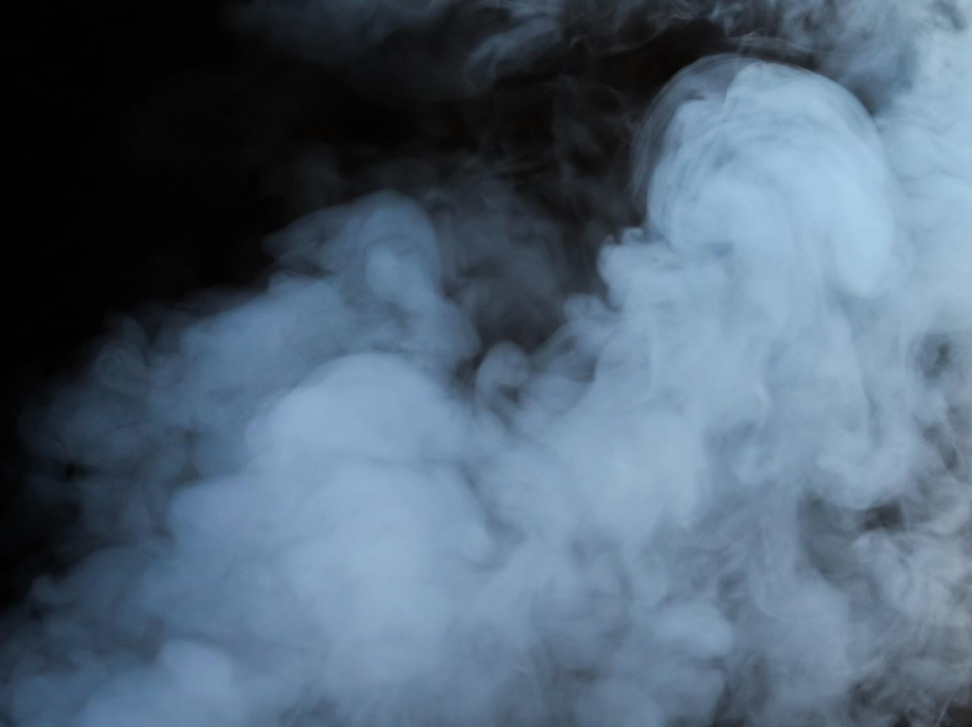
Photo from iStock - Credit: Caroline Munsterman
What Sewer Odor Smoke Testing Is and How It Works
Sewer odor smoke testing is a diagnostic method that forces visible, non-toxic smoke into the plumbing system to find leaks. Technicians introduce a smoke source at a cleanout or test port and pressurize the system to move smoke through drain lines. Homeowners often ask if the smoke is harmful, and professionals use certified, non-toxic smoke that only reveals leak locations. The test answers where sewer gas escapes so crews can plan targeted, code-compliant repairs quickly.
- Introduce smoke into the sanitary system
- Observe where smoke exits structures
- Document leak locations with photos
- Combine findings with camera footage
During the test, technicians watch roof stacks, vents, floor drains, and wall cracks for visible smoke. They also check fixtures like P-traps and cleanout caps where smoke may appear first. If smoke shows near a fixture, the crew will perform localized inspections such as removing a toilet to examine the wax ring. This practical approach helps avoid pulling up floors or cutting drywall without cause.
A professional confirms smoke findings by pairing them with other diagnostics like camera inspections and pressure checks. For example, a tech may use a camera to verify a cracked pipe where smoke escaped and record the footage for a written report. Visible smoke plus camera evidence gives concrete grounds for specific repairs and helps ensure compliance with plumbing codes.
Common Plumbing Failures and Why They Happen
Common failures often start where seals and joints age or were installed poorly, leading to sewer odor smoke testing flagging those spots. Cracked soil pipes and failed P-traps let gas escape near fixtures and under floors. Loose or missing cleanout caps can vent smoke at unexpected locations, which technicians note during inspection. Identifying these component failures helps plan repairs that replace the exact failed part rather than whole systems.
Another frequent cause is blocked or partially blocked vent stacks that change airflow and pressure in the drain system. When vents do not equalize pressure, traps can siphon dry and expose sewer gas through fixtures. Homeowners wondering why is there a sewage smell in my bathroom may be dealing with these hidden drainage or venting problems. Technicians may look for evidence of trap siphoning at floor drains and shower drains when they see smoke there. Fixing vents or adding proper trap protectors can correct the pressure imbalance and reduce recurring odors.
Root intrusion and ground movement can fracture buried sewer lines, allowing gas to escape into crawlspaces and wall cavities. Understanding why coastal tree roots destroy sewer pipes helps homeowners recognize how growing roots can enter weakened joints and worsen existing cracks. Sewer odor smoke testing can reveal these openings, while video camera inspections help confirm the location and extent of the damage. Homeowners in Conway, SC, may encounter root intrusion near older sewer lines, while properties in Myrtle Beach, SC, can experience joint separation caused by ground movement. Repair options depend on pipe material, accessibility, and the length of the damaged section.
Installation mistakes also cause leaks, such as an improperly seated wax ring under toilets or a poorly glued PVC joint inside a wall. Technicians check fixture components like the wax ring, closet flange, and cleanout during diagnostics to confirm smoke findings. After locating the leak, crews document conditions with photos and a written report to guide code-compliant repairs. If you suspect a leak, contact a professional to diagnose and repair safely.
Recognizing Warning Signs of Hidden Sewer Leaks
Noticeable sewer smell that worsens at certain times indicates a leak location shifting with pressure changes. Pay attention when odors spike after running appliances or during wind, which suggests vent or stack issues. If the smell is strongest in a specific room, inspect nearby fixtures and floor drains for visible signs like dampness. A professional will log the timing pattern to correlate with smoke test results and camera footage.
Listen for unusual gurgling or bubbling noises in toilets, tubs, or drains when other fixtures run, as this can indicate trap siphoning. Gurgling often points to venting problems or partial blockages that affect trap seals over time. Technicians will perform simple pressure checks and observe fixture behavior to confirm whether vents or blockages cause the symptoms. These checks help determine whether localized repairs or vent work is needed.
Look for faint moisture, discoloration, or mold growth on walls, ceilings, or in crawlspaces where sewer gas may enter through cracks or damaged joints. Even small water stains near a cleanout or behind a vanity warrant inspection because they can hide slow leaks releasing gas. A pro may use a moisture meter and camera to detect hidden damp spots and pinpoint the related pipe or joint. Recording those findings supports targeted repairs and avoids unnecessary demolition.
Odd timing, such as odors appearing only at night or during high winds, can provide clues about venting behavior and pressure changes in the plumbing system. South Carolina's seasonal changes may also affect soil conditions and vent performance, making it useful to track when odors occur. For more insight into noninvasive inspection methods, read our guide on how plumbers diagnose without demolition. Share your observations with your plumber to help identify the source of the odor and plan appropriate repairs.
Preparing Your Property for Smoke Testing Day
Clear access to exterior cleanouts and the main sewer cleanout helps the crew hook up equipment and run the test efficiently. Move stored items away from access points and clear a short work path to the meter or cleanout location. Remove loose rugs or floor coverings near toilets and floor drains to avoid smoke staining during the test. Notify occupants when the test will occur so they can avoid opening windows near vents during the inspection.
- Open attic access panels where vent stacks pass.
- Clear access to roof hatches if safe roof checks are needed.
- Unblock vents and rooftop skirts for visibility.
- Keep pets and children away from test areas.
Inside, unplug sensitive electronics and seal combustion appliances before testing to prevent false alarms and ensure safety. Cover thermostats and smoke detectors near test areas if instructed by the technician to avoid nuisance triggers. Leave cabinet doors open under sinks so technicians can watch for smoke at P-traps and trap seals. If someone in the building has respiratory sensitivity, ask the technician about ventilation steps before the test begins.
Document existing conditions with photos of fixtures, floor drains, and visible pipes so you have a baseline before repairs. Note which rooms show the strongest odors and when they occur to help technicians correlate findings during testing. Share any previous camera inspection footage or written reports you have to speed diagnosis and reduce repeat work. For homeowners in Conway, SC and property managers in Myrtle Beach, SC, advance preparation helps technicians complete focused, code-aware repairs more quickly.
What Technicians Check and When to Schedule Repairs
Technicians begin by isolating the building plumbing and placing temporary seals at test points to control smoke flow through specific branches. They inspect visible components like P-traps, cleanouts, and closet flanges while watching for smoke emergence at suspected failure points. If smoke appears at a toilet base, the wax ring and closet flange receive focused attention and possible removal for closer inspection. Recorded observations and photos form the basis of the diagnostic record a homeowner receives after testing.
Next, the crew may run a complementary pressure check to confirm whether a detected opening will admit sewer gas under normal system loads. They can also insert a camera into the line where smoke escaped to capture internal pipe condition and any cracks or root intrusion. These combined diagnostics help decide whether a small repair or a longer pipe section replacement best corrects the problem. The technician documents findings in a written report to guide repairs and any permit discussions.
When repairs are needed, technicians prioritize fixes that restore trap seals, secure cleanout caps, or repair vent stack cracks observed during testing. For buried line breaks or root damage, they assess access and may recommend trenching or pipe lining depending on the damage length and pipe material. Scheduling repairs often depends on occupant access, weather, and parts availability, so homeowners should ask about timelines during the post-test review. Homeowners in Conway, SC might find that timely scheduling prevents odor recurrence and secondary moisture damage.
Deciding when to schedule work depends on health risk, odor intensity, and functional impact on fixtures and appliances. If occupants report strong persistent odors or symptoms, arrange repairs promptly and consult a professional about temporary ventilation steps to reduce exposure. For less urgent cases, technicians can prioritize work on multiple properties or coordinate with property managers in Myrtle Beach, SC to batch repairs for efficiency. Ask the technician for a clear scope, estimated timeline, and any permit needs before approving the repair plan.
Targeted Repair Options and Code Compliance Steps
After smoke testing identifies an exit point, technicians match the leak location to the smallest logical repair scope to limit demolition. They may replace a failed wax ring, reseal a cleanout, or cut and glue a short PVC section depending on the component condition. The crew documents the exact repair steps and parts in a written scope so the homeowner knows what will change. For properties in Conway, SC, clear scopes help with local contractor coordination and permit conversations.
When repairs affect vent stacks or roof penetrations, crews follow local plumbing code practices and recommend permit checks before work begins. Simple repairs like trap replacements usually do not require permits, while altering vent stacks or sewer mains commonly does. The technician explains which repairs typically trigger a permit and what inspection reports or photos will support compliance. Property managers in Myrtle Beach, SC often request that technicians include photos for their maintenance records and any required inspection sign-off.
For buried line breaks revealed by smoke and camera footage, repair options include spot replacement, rerouting a short segment, or cured-in-place pipe lining when conditions allow. Technicians explain tradeoffs such as disturbance, longevity, and which method aligns with typical plumbing code expectations. They also recommend confirming material compatibility, access needs, and whether a follow-up camera inspection will verify the repair. A post-repair camera run and written report provide proof the gas path was closed and the system restored.
If repairs involve fixtures, technicians record component details like wax ring type, closet flange condition, and P-trap orientation to ensure installations meet code and function correctly. They may also suggest adding trap primers, backwater valves, or improved cleanout access where recurring problems appeared during the diagnostic work. Before closing walls or floors, the crew usually documents repairs with photos and a final inspection checklist to support permit sign-offs. Homeowners should request a clear report and ask about warranty terms and recommended maintenance steps after repairs.
Preventive Maintenance to Reduce Future Odors
Regular preventive checks reduce the chance that sewer odor returns after targeted repairs are completed. Schedule periodic inspections of visible traps, cleanouts, and vent terminations to confirm seals remain intact and caps are secure. A technician can test trap water levels and confirm vent openings are clear during these visits.
- Inspect P-traps monthly for water loss.
- Verify cleanout caps are tight and undamaged.
- Check roof vent caps for blockages.
- Run seldom-used drains weekly to keep traps filled.
Simple homeowner actions also help, such as running water in seldom-used fixtures to keep traps primed and adding trap primers where code and conditions allow. Replace worn wax rings or loose closet flanges at the first sign of wobble or occasional leaks. Keep irrigation and landscape roots away from visible sewer lines to reduce future intrusion risks.
After any repair, request documentation showing repairs and recommended follow-up intervals so you know when to recheck components. A post-repair camera inspection can confirm no residual leaks and establish a new condition baseline for future smoke testing. If odors recur despite maintenance, contact a licensed plumber in Myrtle Beach, SC promptly to avoid mold or structural damage. Routine attention keeps small defects from evolving into larger, costlier failures and preserves indoor air quality.
When Homeowners Should Call a Professional Service
If sewer smells persist despite preventive steps, call a licensed plumber to avoid guessing at hidden sources and escalating damage. A professional will perform controlled diagnostics and interpret smoke test results alongside camera footage and pressure checks. Do not delay when occupants report recurring odors or health symptoms linked to sewer gas exposure. Early scheduling reduces the chance of mold or structural harm from ongoing leaks.
Call immediately if you notice strong sewage odors tied to appliance use or when gurgling occurs after other fixtures operate. Technicians will inspect fixture components like P-traps, cleanout caps, and closet flanges to confirm the leak path. They will also evaluate whether vents or buried lines require further camera inspection before recommending repairs. Clear documentation from the visit helps owners prioritize work and meet any permit needs.
Property managers should arrange professional service when multiple units report similar odors or when smoke testing shows leaks entering shared spaces. Coordinating a single diagnostic visit can identify common source points and reduce repeated disruptions for occupants. For homeowners in Conway, SC scheduling a prompt evaluation keeps small issues from becoming building-wide problems. A written report and photos support follow-up maintenance and repair planning.
If prior repairs did not resolve odors, call for a recheck so technicians can verify workmanship and retest affected lines. Professionals may perform a focused smoke test on repaired areas and run a camera to confirm no residual cracks or loose seals remain. For multiunit properties and records, include the documentation in maintenance files for future reference in Myrtle Beach, SC. Ask the technician about recommended timelines for any necessary follow-up inspections.

 Your Privacy Choices