
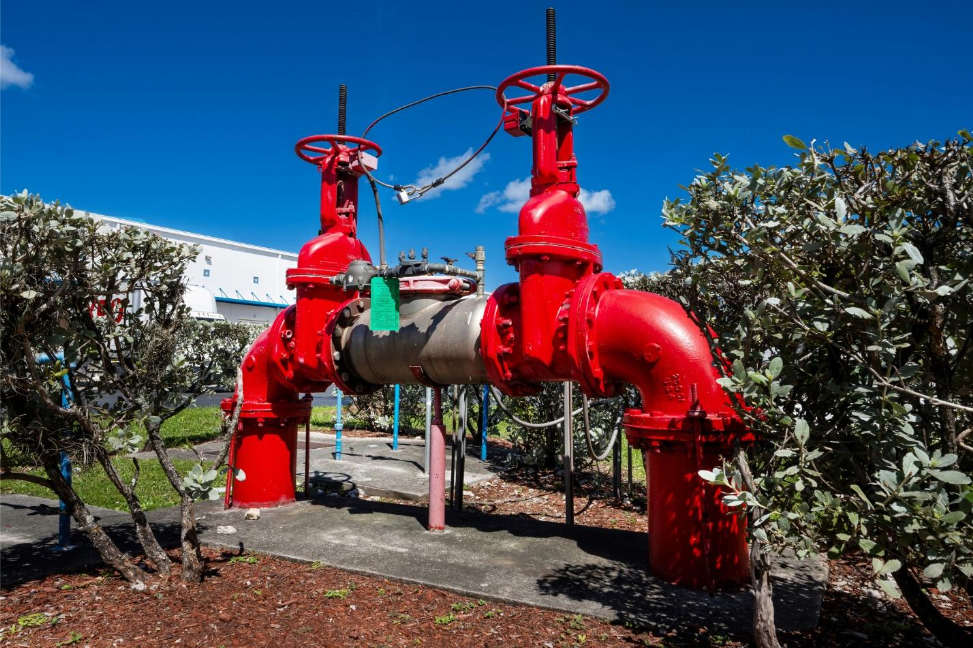
Key Takeaways About Backflow Prevention Devices
Backflow prevention devices stop contaminated water from flowing back into a clean supply line. This summary is for homeowners and property managers when testing maintenance or suspected contamination matters.
- Identify visible leaks corrosion or steady relief port discharge promptly.
- Prevent contamination by scheduling required annual professional testing.
- Avoid DIY internal repairs that can void certification and cause damage.
- Spot pressure swings discolored water or odd smells after irrigation cycles.
- Reduce future failures by upgrading assemblies and improving service access.
- Plan for documented tests repairs and retention of written reports.
Introduction
Backflow prevention devices keep drinking water safe by stopping contaminated water from flowing backward into supply lines. When a pressure change or cross-connection occurs, contaminants can enter a home’s plumbing. That risk matters because it can spread bacteria, chemicals, and waste into faucets, hoses, and irrigation systems. Homeowners often only notice problems after a bad taste, smell, or visible discoloration in tap water.
Local plumbing inspections and testing enforce that prevention devices work when needed. Many failures happen from worn check valves, stuck springs, or debris in mechanical parts. A failed device can allow brief or repeated backflow events that are hard to spot without testing. In Florence, South Carolina, aging systems and seasonal irrigation create scenarios where backflow matters more.
Testing requirements exist to prove devices operate to code and protect public water systems. Manufacturers design several device types such as double check valves and reduced pressure zones to meet different hazards. Certified testers use pressure gauges and shutoff valves to measure performance and provide written results. These tests document whether repairs or replacements are necessary to restore protection.
Symptoms that suggest a problem include sudden water discoloration, unusual smells, and pressure swings during heavy use. A professional will inspect supply lines, shutoff valves, and the device body for leaks or foreign material. In a common situation, a homeowner notices brown water after irrigation runs and a technician checks the backflow assembly and records gauge readings. For residential homeowners in Bishopville, South Carolina, timely testing can prevent contamination spreading beyond a single connection.
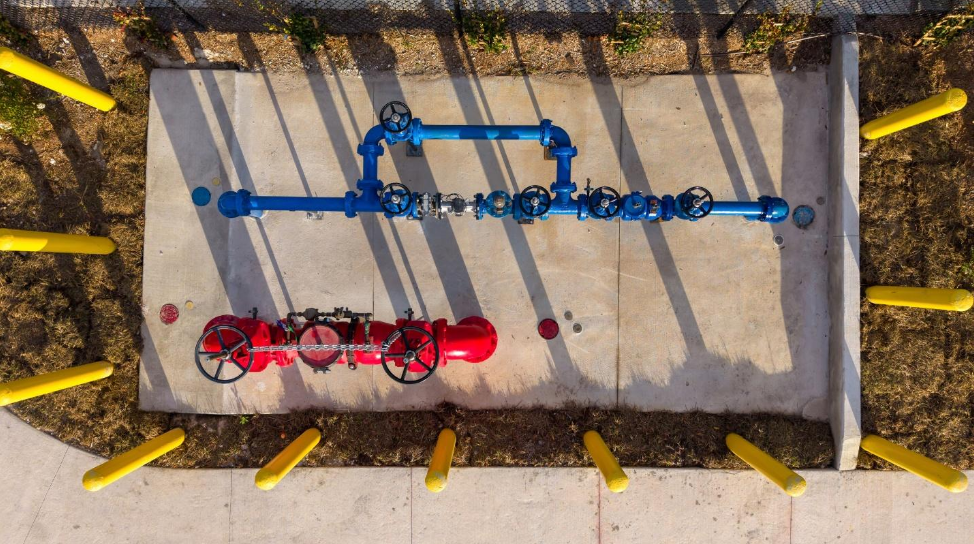
Photo from iStock - Credit: Francisco Zalez
What Backflow Prevention Devices Are and How They Work
Backflow prevention devices are mechanical assemblies that stop contaminated water from flowing back into a clean supply line. These devices use one-way check valves, relief ports, or pressure differentials to keep water moving in the correct direction. Homeowners often ask whether a visible valve means protection is working, and the clear answer is that functionality requires proper internal seals and springs. Professionals confirm operation with pressure gauges and step tests rather than a quick visual check.
- Double check valve assemblies use two check valves in series.
- Reduced pressure zone assemblies include a relief valve between checks.
- Atmospheric vacuum breakers block back-siphonage when pressure drops.
- Pressure vacuum breakers protect against back-siphonage on irrigation lines.
Most devices rely on simple parts like check valves, springs, and a relief port to operate. A worn spring or debris in a check valve can let contaminated water pass during pressure changes. To diagnose a problem, a technician attaches pressure gauges, closes test cocks, and compares readings across the device to standards. Those readings show whether internal seals hold under normal and worst-case pressures.
Some homeowner questions focus on noise and leaks near the device and whether that indicates failure. A steady drip from a relief port or a rattling sound often signals internal wear or debris. During an inspection, a professional checks shutoff valves, measures pressure, and may remove covers to look for corrosion or foreign material. Test results and photos typically go into a written report describing defects and recommended repairs.
Different device types suit different risk situations and fixtures around a home. For example, irrigation systems often require a reduced pressure or pressure vacuum breaker to protect potable water. Homeowners may encounter required device types for outdoor fixtures that face seasonal pressure swings.
Common Causes of Backflow and Why It Happens
Cross-connections are a common cause of backflow when potable lines link to non-potable sources without proper separation. Everyday attachments like hose bibs, landscape irrigation, or boiler fill lines can create paths for contaminants when pressure shifts. If a garden hose sits in a puddle or fertilizer solution, that water can enter supply lines during a back-siphonage event. A professional inspects for these connections and notes any exposed hoses or direct links to irrigation equipment.
Pressure fluctuations inside the distribution system also drive backflow incidents when valves or seals fail under stress. Water main breaks, firefighting use, or pump shutdowns can suddenly drop pressure and reverse flow toward the house. Worn check valves, corroded springs, or debris-packed seats make a device unable to hold during those transients. Technicians use pressure gauges and step tests to confirm whether an assembly holds steady under simulated low-pressure conditions.
Mechanical failure and lack of maintenance let debris and mineral buildup compromise moving parts and relief ports over time. Sediment can prevent a check valve from seating, while corrosion may stiffen a spring or jam a relief valve. Homeowners might not see internal wear, so professionals remove covers, observe internal seals, and record leakage or stuck components. In a common situation, a homeowner reports brown water after irrigation, and the technician documents stuck parts with photos and test readings.
Seasonal use patterns and improper installation also increase the risk of backflow in residential systems. Devices installed without correct orientation, clearance, or accessible test cocks often fail inspection or perform poorly. For properties in Florence, South Carolina and for homes in Bishopville, South Carolina, regular checks after seasonal starts and shutdowns catch installation or wear problems early. If you suspect a problem, contact a licensed tester to inspect shutoff valves, test cocks, and the assembly and to produce a written report.
Typical Warning Signs of Backflow in Homes
Look for sudden changes in water taste or smell that occur after outdoor irrigation runs or plumbing work. Cloudy water that clears after a minute often signals trapped air, but persistent discoloration after fixtures run suggests contamination. Homeowners may notice staining on sinks or laundry that coincides with specific valve activity or sprinkler cycles. A technician will note the timing and reproduce the condition to narrow down potential cross-connections.
Unusual pressure drops or spikes during peak use can hint at a failing device or a system pressure event. If faucets sputter or appliances cycle oddly when sprinklers start, that pattern points to transient flow reversal. A professional would attach pressure gauges at supply points and the device to compare live readings under load. Those readings help confirm whether pressure transients exceed the device’s capacity to maintain one-way flow.
Visible leaks, drips from a relief port, or corrosion on the assembly can show mechanical wear before full failure occurs. Wetness around shutoff valves, test cocks, or the device body often indicates internal seal problems or a stuck relief valve. During diagnosis, a technician inspects shutoff valves, test cocks, and the assembly and records photos and gauge readings in a report. Documented evidence makes it easier to meet requirements when repairs follow.
Unusual water in outdoor systems after fertilizer or pool service can create obvious contamination risks homeowners should not ignore. For properties in Florence, South Carolina this often coincides with seasonal yard work and irrigation start-up. In a common situation, a homeowner reports brown irrigation return water and a tester checks backflow assembly seals and pressure differentials. If suspicious signs appear, contact a licensed tester to perform a written inspection and determine next steps for repairs.
Required Testing Frequency and Local Code Compliance
Most jurisdictions require periodic testing of backflow prevention devices to protect the public water supply. Required intervals often depend on device type and the health hazard the connection presents. A licensed tester records gauge readings, pass/fail results, and a written report for the utility. Homeowners should keep these reports for property records and any local compliance checks.
- Annual testing is common for many residential devices.
- Higher-risk connections may need more frequent checks.
- Utilities may require certified tester reporting forms.
- Failing tests typically trigger repairs or replacement.
- Keep records to show compliance when requested.
Local water providers or municipalities set the exact schedule and acceptance criteria for test results. In some areas, the authority will reject incomplete reports or unlicensed testers' forms. A professional tester will use calibrated pressure gauges and test cocks to produce accepted measurements. The written report usually lists device type, serial number, test readings, and recommended actions.
When a test fails, repairs must meet the original device standards or be replaced with an approved assembly. Re-testing after repair proves the assembly now meets the required pressure differentials. Utilities may issue notices or fines until compliance occurs, so act promptly after a failed test. For homeowners in Florence, South Carolina, timely repairs limit disruption and prevent utility escalation.
To confirm compliance before filing reports, a professional will inspect shutoff valves, test cocks, body condition, and gauge differentials during the test. Diagnostically, a technician watches for leakage at the relief port and compares upstream and downstream pressures under a step test. In a common situation, a homeowner notices sprinkler return flow, and the tester documents failing gauge readings and provides a written repair recommendation. Properties in Bishopville, South Carolina should retain all test results and repair records for utility or resale needs.
What Happens During a Professional Backflow Inspection
A professional inspection starts with a visual and functional check of the assembly and surrounding shutoff valves. The tester confirms test cocks operate and that gauges fit tightly to prevent false readings. They look for signs of external damage, corrosion, or leaks that could hide internal failures. Photographs and notes document visible issues for the written report.
Next the technician isolates the device and runs a step test using calibrated pressure gauges across the checks. Readings compare upstream and downstream pressures while test cocks open and close in a prescribed sequence. The inspector watches for pressure decay, relief port discharge, and stuck check valves during these measurements. Recorded values determine whether the device passes or requires service.
If the assembly fails, the inspector identifies which component needs repair or replacement and describes accessible corrective actions. They may bench-test small parts or recommend replacing the entire assembly when seals or springs are compromised. A written report will list the failed readings, recommended parts, and the retest procedure after repairs.
Finally, the inspector reassembles test fittings, confirms proper operation, and issues an official test form or certificate when the device passes. If the tester recommends a plumbing repair, they explain expected timelines and document the necessary follow-up.
When Homeowners Should Call a Professional Service
Call a professional if you notice persistent discharge from a relief port or frequent pressure fluctuations during normal use. These signs often mean internal parts fail under changing supply conditions and need testing. A licensed tester will use calibrated pressure gauges and test cocks to confirm failure. Avoid attempting internal repairs without proper training because parts and seals require specific handling.
Schedule service when your annual test is due or when a utility notifies you of noncompliance with required reports. Professionals submit accepted documentation and can advise on retest schedules after repairs. They also certify that shutoff valves and test fittings meet accessibility requirements for future inspections. Keeping timely service prevents utility notices from escalating into fines or mandatory replacements.
Contact a technician after any cross-connection changes such as new irrigation, pool fill, or boiler installs to verify device suitability. A pro inspects orientation, clearance, and test cock condition to ensure the assembly still protects the potable system. They may recommend a different device type when the hazard level increases.
If you detect discolored water linked to irrigation cycles or find repeat failed readings, call immediately to limit contamination spread. The technician will perform step tests, record gauge differentials, and photograph defects for a written report. That documentation supports repair decisions and utility filings when needed.
Maintenance Steps Homeowners Can Perform Safely
Homeowners can perform simple visual checks to catch early problems before a professional visit. Inspect the device body and nearby shutoff valves for wetness, rust streaks, or fresh mineral buildup. Look for loose test cock caps and ensure the assembly sits level and unobstructed. If you see steady discharge from a relief port, stop and contact a licensed tester immediately.
- Keep the area around the device clean and clear.
- Record test dates and any visible issues in a notebook.
- Operate upstream and downstream shutoff valves slowly to confirm motion.
- Cover exposed assemblies in winter after a pro advises it.
Monthly quick checks help homeowners spot timing patterns tied to irrigation or appliance cycles. Note smells, sputtering faucets, or pressure dips and when they occur during sprinkler use. Photograph any discoloration and the device so you can show a technician clear evidence. These records speed diagnosis and support required reporting for utilities.
Do not attempt to remove internal covers, springs, or seals yourself because that can void device certification. Instead, use a pressure gauge on fixtures to compare typical supply pressure readings before calling a pro. A licensed tester will use calibrated gauges and test cocks to confirm failures and produce a written report.
Upgrades and Solutions to Prevent Future Backflow
Consider upgrading older assemblies to modern designs that better match current hazard levels and required testing protocols. A professional can evaluate whether a double check valve or reduced pressure zone assembly fits the specific cross-connection risk. They will inspect shutoff valves and test cocks and recommend components to reduce future failures and simplify testing. For homeowners considering backflow preventer service for safer household water, choosing a device with accessible test ports can also simplify future inspections and maintenance.
Adding isolation shutoffs with properly oriented test cocks improves serviceability and reduces downtime during repairs. A technician may replace corroded shutoff valves, install union connections, or add a bypass loop to allow testing without water disruption. These changes let a tester attach pressure gauges securely and perform step tests more reliably. Homeowners often notice fewer service interruptions after these practical plumbing layout upgrades.
Protecting outdoor assemblies with weather shields and freeze protection prevents damage that leads to internal wear and test failures. Insulating the assembly and adding a removable cover helps maintain steady internal conditions and avoids relief port freezing or corrosion. A pro can recommend winterization steps tailored to your installation and local needs. Homeowners in Florence, South Carolina often benefit from scheduled pre-winter checks to confirm protection measures are ready.
In some situations, replacing an old assembly is the most lasting solution to recurring failures and failed tests. A licensed technician will document test readings, parts condition, and offer replacement options that meet code and utility expectations. They will also provide a written report and re-test the new assembly to produce accepted results for the authority. Properties in Bishopville, South Carolina should keep those records with maintenance files to show compliance after upgrades.

 Your Privacy Choices