

Key Takeaways About Trenchless Sewer Repair
Trenchless sewer repair means fixing underground sewer pipes with little surface excavation. This guide helps homeowners and property managers decide when to inspect and which approach fits common yard and timeline concerns.
- Identify symptoms like gurgling drains and persistent sewer odors.
- Prevent larger failures by scheduling a camera inspection early.
- Avoid unnecessary digging when lining or pipe bursting will work.
- Spot yard signs such as soggy patches or unusual grass growth.
- Reduce restoration time by planning equipment access and staging.
- Plan costs and timeline using a written report and recorded footage.
Introduction
When underground sewer lines fail, homeowners face slow drains, sudden backups, and soggy lawns that get worse over time. Choosing between a full dig repair and trenchless sewer repair can change how much of your yard gets disturbed. The decision matters because repair type affects recovery time and long term condition of your property. Knowing what to expect helps you avoid surprises during cleanup and scheduling.
Trenchless sewer repair uses techniques that reduce open excavation and limit surface disruption around the pipe path. It often appeals to owners who want to protect mature trees, gardens, or hardscaping from heavy excavation. Still, not every damaged pipe qualifies, and condition of the existing line matters. A careful inspection determines whether trenchless methods will work for your situation.
Most homeowners first notice symptoms like frequent clogs, gurgling drains, or toilets that rarely flush fully before considering repair. A professional will check the cleanout, run a camera inspection and evaluate pipe material and slope to confirm the problem. Those inspection steps also reveal the length of the affected run and any collapsed sections. The results guide whether a lining, pipe bursting, or traditional repair is appropriate.
For properties in Florence, South Carolina or homes near Dillon, South Carolina, yard impact and timing are often top concerns when scheduling work. Expect shorter surface disruption with trenchless options but still plan for equipment staging and temporary access paths. Contractors typically share recorded footage, written findings, and a clear timeline before work begins. If you spot sewage odors, multiple slow fixtures, or pooling water, contact a licensed plumber for a professional inspection right away.
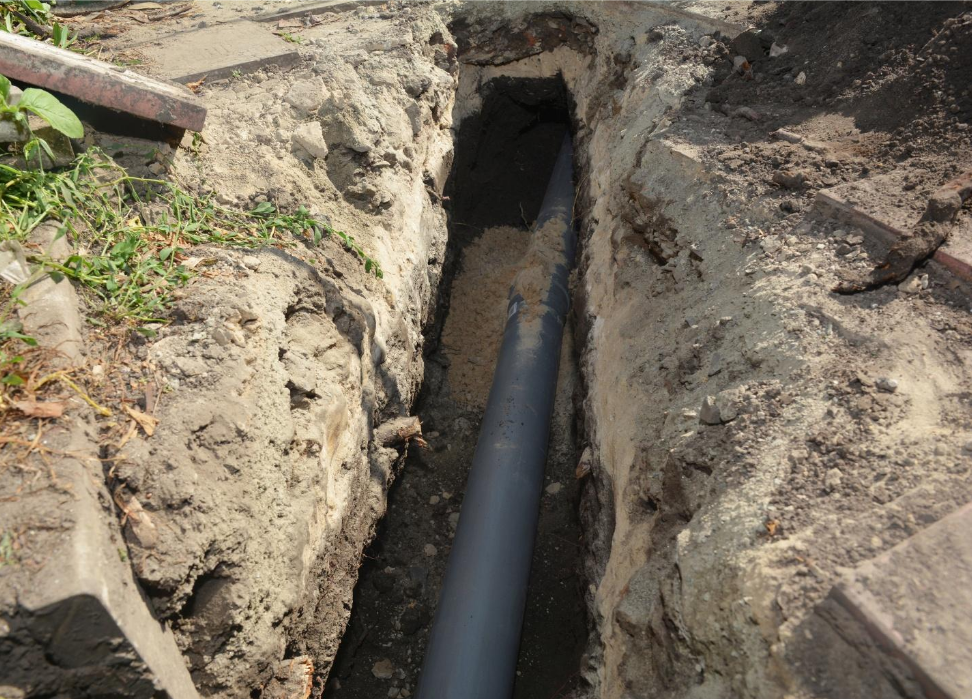
Photo from iStock - Credit: Lex20
What Trenchless Sewer Repair Means and How It Works
Trenchless sewer repair is a set of methods that fix underground pipes with little or no open excavation. These techniques rely on access points like a cleanout or small pits to reach the damaged section. A common homeowner question is whether trenchless works for root intrusion or small cracks, the short answer is yes for many cracks and root issues when the pipe structure is mostly intact. Deciding suitability requires confirming pipe condition and layout through inspection before any repair plan begins.
- Pipe lining creates a new inner pipe from within.
- Pipe bursting replaces a full length by fracturing old pipe outward.
- Cured-in-place pipe (CIPP) cures a resin-saturated liner in place.
- Spot repairs use small pits to access short damaged sections.
Technically, lining involves inserting a resin-coated liner, inflating it, and allowing it to cure to form a seamless sleeve. Pipe bursting pulls a new pipe through while breaking the old pipe into surrounding ground with a bursting head. A professional will use a camera inspection and recorded footage to confirm size, material, and exact damage location before choosing a method. That inspection also answers whether nearby connections or laterals will need separate attention during the trenchless process.
Access needs usually include a cleanout or two small excavation pits at each end of the repair run to insert and retrieve equipment. Equipment staging may require short drive or yard access, but impacts remain far smaller than full trench digging across lawns or under patios. Homeowners often ask about odors or sewage during work, contractors typically control flow and use pumps or bypass lines to prevent backups.
After inspection, the crew will provide a written report and recommended method with a projected timeline and any preparatory steps for the homeowner. The report commonly includes recorded camera footage, photos, and measurements so you can see the issue before work starts. If the camera shows collapsed segments or multiple failed joints, trenchless options may be limited and a traditional dig could be necessary.
Common Causes of Sewer Line Failures and Why It Happens
Pipes age, but failures also come from specific mechanical and environmental causes that make trenchless sewer repair a good or poor option. Corrosion eats away at older cast-iron and galvanized pipes until holes form, which can leave long sections too weak for relining. Root intrusion commonly causes focused damage when tree roots exploit joints, creating cracks that a cured-in-place liner can often seal if the pipe wall remains largely intact. For homeowners near Dillon, South Carolina, identifying the root cause early helps preserve yard features and narrow repair choices.
Ground movement and settling create offset joints and sags that trap solids and encourage backups, so technicians check slope and alignment during diagnosis. Bellies or low spots typically show repeated clogs and slow drains because waste collects there between cleanings. A camera inspection reveals these alignment issues and records distance to the problem, which then determines whether lining will bridge the defect or whether replacement is required. Professionals sometimes combine a small spot dig with trenchless methods when a short collapsed section exists amid otherwise sound pipe.
Pinhole leaks from corrosion or failed joints cause wet spots and lawn discoloration before a full collapse occurs, and these leaks influence the repair path. If the pipe material has widespread cracking or multiple collapsed segments, trenchless lining may not restore structural strength adequately. A plumber will run a camera, perform a low-pressure water test, and note cleanout accessibility to confirm leak locations and measure affected length. Readings, recorded footage, and a written inspection report guide the recommendation and expected outcomes.
Improper installation and incompatible materials from earlier repairs also contribute to failures and affect trenchless suitability. Offset connections, missing seals at laterals, or thin-walled SDR plastic can lead to recurring issues that lining cannot always fix. For an accurate plan, a professional will inspect laterals, test flow, and map pipe runs before proposing trenchless sewer repair or a dig-and-replace approach. For more detail on assessment and available methods, see the contractor’s page at plumbing inspection & diagnosis
Warning Signs Homeowners Should Watch For
Watch for recurring smells that get stronger near the yard or basement, persistent sewage odor often signals a leak or compromised joint. Also note any wet or soft spots on the lawn that appear without heavy rain, since those can mark slow leaks under the surface. If you see discolored patches of grass or mud forming near the sewer cleanout, document timing and progression with photos. When these signs show up, a camera inspection will confirm leak location and extent before repair decisions.
Listen for unusual sounds like gurgling drains or bubbling toilets after other fixtures run, these indicate air trapped by partial blockages or broken lines. Keep track of which fixtures act up and when, because repeated backups during showers or dishwasher cycles point to a main sewer problem. A technician will run a smoke test or dye test and check the cleanout to trace airflow or flow paths. Those diagnostic steps help decide whether trenchless sewer repair is feasible for the damaged run.
Look for slow drains in multiple fixtures that do not clear after plunging or drain cleaning, this pattern suggests a line problem rather than a local trap issue. A professional will first inspect accessible traps and then feed a camera through the cleanout to view collapse, roots, or offset joints. Recorded footage and measurements from that inspection determine damage length and whether lining or pipe bursting can restore flow. If footage shows several collapsed segments, trenchless methods may not provide a reliable long-term fix.
Monitor your water bill and basement moisture as indirect indicators, unexplained increases or damp walls can signal hidden leaks along the sewer. For residential homeowners local soil saturation or yard features can make visible signs appear faster. If you notice these warning signals, contact a licensed plumber in Florence, SC to schedule diagnostic tests and get a written report. That report, with camera footage and test results, guides any decision about trenchless sewer repair.
When to Call a Professional Trenchless Service
Call a professional when basic checks show persistent problems after you clear traps and run a plunger. A licensed technician will perform a camera inspection through the cleanout to confirm exact damage location and length. They will also run simple tests like a smoke test or low-pressure water test to trace leaks. Early professional input helps avoid unnecessary digging or ineffective temporary fixes.
- A video camera inspection identifies the issue.
- A written report explains recommended repair choices.
- Technicians can test flow and check laterals.
- Professionals measure affected pipe length precisely.
Expect the pro to document findings with recorded footage and a written estimate before recommending trenchless sewer repair or replacement. They will inspect access points such as the cleanout and any lateral connections to ensure access and compatibility. If footage shows widespread collapse or multiple separated segments, the technician may recommend other options. Ask for measured lengths and photos to compare repair scopes.
Call sooner rather than later when you notice recurring backups, sewage smells, or a wet lawn that did not exist before. For homeowners in Florence, South Carolina, fast action prevents further surface damage and may preserve trenchless options. In less urgent cases, schedule an inspection to get a clear diagnostic report and cost estimate. This report guides timing so you can plan around landscaping and seasonal needs.
A common next step after a camera inspection is a frank discussion about pros and cons of trenchless methods for your run. The technician will outline expected timeline, equipment access needs, and any temporary service interruptions during work. If you want more detail on inspection and repair options, review the contractor’s inspection page for sample reports and explanations. Keep copies of all test results and footage for future maintenance planning.
Comparing Trenchless Repair Versus Traditional Replacement
When weighing trenchless sewer repair against a full dig replacement, consider long-term structural needs and connection complexity. Trenchless lining restores the interior surface but does not change pipe alignment or correct severe bellies that trap solids. Traditional replacement removes defective pipe and restores slope, which matters when repeated blockages occur despite previous fixes. A technician will explain whether restoring structural integrity or fixing alignment is the priority for your property.
Another key difference lies in how laterals and service connections are handled during the work, which affects cost and downtime. Trenchless methods may require additional work to reconnect laterals or to rehabilitate lateral seals, sometimes via spot excavation at connection points. Open replacement makes lateral access straightforward but increases yard disturbance and restoration needs. For many homeowners the tradeoff is fewer surface repairs with trenchless and simpler reconnections with a dig-and-replace approach.
Diagnosis drives the decision: a camera inspection, measured run length, and recorded footage reveal whether trenchless methods can produce a durable repair. If the camera shows continuous thin walls or multiple collapses, a replacement is often the safer long-term choice. Professionals may also perform a low-pressure water test to find leaks and confirm whether lining will stop infiltration effectively. Those inspection outputs should appear in the written report used to compare options objectively.
Consider schedule and site disruption when choosing, trenchless projects generally finish faster and leave less visible damage to landscaping features. A typical trenchless job needs small staging areas and brief access points, reducing restoration time around mature trees or patios in Florence, South Carolina. By contrast, open dig projects can require larger crews and longer restoration timelines that affect yard usability for weeks. Discuss staging plans and restoration responsibilities with the contractor before work begins.
Costs depend on pipe material, access, and length of affected run rather than the method alone, which affects overall value between options. Trenchless can cost more per linear foot but often lowers total restoration expenses, while replacement may cost less per foot but add landscaping and hardscape rebuilds. Ask for itemized estimates that separate excavation, pipe work, lateral reconnections, and restoration so you can compare true costs.
Typical Costs Timeline and What to Expect During Repair
Expect an initial scheduling window for the inspection-to-approval phase that typically lasts several days to a week depending on contractor availability. After the camera inspection and written estimate, crews confirm access points and any temporary water or bypass needs. Weather and site access can shift start dates, so ask for a confirmed arrival day and contingency options.
On the day work begins crews first set up small entry pits or use existing cleanouts and stage equipment near the work area. Typical onsite steps include bypass pumping if needed, cleaning the pipe interior, running the camera again, and then performing the chosen trenchless method. Expect technicians to show recorded footage and explain the progress before curing or final testing. Workdays often run within daylight hours and crews typically protect driveways and walkways from equipment traffic.
Curing time depends on the lining material and ambient conditions, often ranging from one to several hours for heat or UV-cured liners and longer for ambient-cure resins. After curing, professionals perform pressure or flow tests and run the camera to confirm a continuous, sealed interior and proper lateral connections. Final steps include reconnecting any service lines, cleaning the work area, and documenting test results in a written report. For properties near Dillon, South Carolina the contractor may add notes on access points used and any recommended future inspections.
Cost factors influence the timeline because longer runs and difficult access add labor and staging time, which can extend a project by a day or two. Expect an estimate to list labor, materials, bypass pumping, and reconnection work separately so you can see what drives price. Ask for an anticipated completion date and a short checklist of homeowner preparations before crews arrive. If safety concerns exist, the contractor should pause work and recommend contacting a licensed professional for further assessment.
Yard Impact Restoration and Minimizing Landscape Damage
After trenchless work, crews typically restore small access pits and any disturbed turf promptly to reduce erosion risks. They often recompact soil and place clean topsoil before reseeding to help grass regrow. Expect crews to protect existing irrigation heads and flag utilities to avoid accidental damage during restoration. Ask for a written restoration plan so you know who is responsible for follow-up care.
- Remove debris and used materials from the site.
- Replace topsoil where pits were dug.
- seed or sod disturbed turf areas.
- protect tree roots and mulch sensitive zones.
When hardscaping saw minimal impact, crews focus on edge repairs and grout or mortar touch-ups around affected joints. For patios or walkways that needed small pits, expect narrow repairs rather than full slab replacement. Confirm whether the contractor uses color-matched materials for grout or pavers to blend repairs. Insist on photos of finished work included in the final report for your records.
Large trees near the run need special attention because roots and soil compaction affect recovery time after restoration. A certified arborist can advise on root protection and future pruning to limit re-intrusion after repairs. For homeowners in Florence, South Carolina, planning seasonal reseeding helps lawns recover faster. If pipes ran under landscaping beds, ask about erosion control and native plant recommendations for replanting.
Documenting the site before and after work helps settle restoration questions and insurance claims if needed. Keep the camera inspection footage and the contractor’s written report with restoration photos and test results. For property owners in Dillon, South Carolina, homeowners often schedule a short follow-up inspection a month after work to confirm turf and hardscape recovery. If you notice lingering wet spots or odors after restoration, contact the contractor and arrange a professional revisit promptly.
Preventive Maintenance to Extend Sewer Line Lifespan
Regular cleaning and scheduled camera inspections help catch new root intrusions or developing bellies before they worsen. Homeowners should note fixture behavior and water usage changes and report them to a plumber promptly. A technician will use a moisture meter, camera, and pressure test to confirm pipe condition during each visit. Keeping records of footage and test results helps plan future maintenance steps and costs.
Root control strategies include mechanical cutting and targeted chemical treatments applied by professionals, not homeowners. After cutting, a camera check verifies that root regrowth hasn’t reopened cracks or joint gaps. If repeated root issues occur, the technician may recommend periodic root management or a lining that resists root penetration. Discussing options with your contractor can reduce repeat service visits and unexpected yard work.
Protecting your lines from heavy loads and surface grading reduces stress that leads to offset joints and sags over time. Avoid planting large trees near sewer runs and reroute heavy vehicle traffic away from known pipe corridors. A plumber can note load risks during an inspection and advise on protective measures like load-distributing plates. For properties in Florence, South Carolina, scheduling checks after extreme weather can catch movement-related damage early.
Establishing a maintenance schedule with a licensed plumber keeps small issues from turning into urgent repairs that require excavation. Typical plans include periodic camera inspections, annual cleaning, and written reports with video for homeowner records. When maintenance uncovers minor defects, timely spot repairs or relining can extend service life effectively. For homes near Dillon, South Carolina, storing inspection reports and footage simplifies future service planning and warranty discussions.

 Your Privacy Choices