
Key Takeaways About Water Heater Maintenance
Water heater maintenance means inspecting, flushing, and testing components to keep hot water reliable. This guide helps homeowners and property managers prepare before cooler weather increases demand.
- Identify odd noises rusty water or visible leaks early.
- Prevent midseason failures by scheduling a prefall professional inspection.
- Avoid heavy sediment buildup by performing or arranging regular flushes.
- Spot electrical or gas issues using basic safety checks and tests.
- Reduce energy waste by addressing sediment and failing components promptly.
- Plan repairs or replacement ahead of peak fall and winter use.
Introduction
Cold mornings make reliable hot water essential for comfortable routines and safe tasks like washing dishes and laundry. A failing water heater can create sudden cold showers and leave pipes vulnerable to stress from lower temperatures. Homeowners often ignore small clues until a complete loss of hot water forces emergency repairs. Addressing issues early avoids inconvenient disruption during cooler months.
Signs such as odd noises, rusty water, or slow recovery times point to components that need attention. These symptoms often indicate sediment buildup, failing heating elements, or a weakened anode rod. Left unchecked, these problems can shorten the unit's life and increase energy use. Prompt inspection helps keep performance steady when demand rises in fall and winter.
Many properties in Florence, South Carolina see higher hot water demand as household routines shift for cooler weather. Regular maintenance reduces the chance of unexpected failure on busy mornings or during holiday gatherings. A professional inspection checks the tank, temperature-pressure valve, and electrical or gas connections. That inspection gives clearer options for repair or replacement when needed.
Homeowners in Darlington, South Carolina should watch for gradual temperature drops and visible leaks as warning signs. A technician will use visible checks, pressure readings, and functional tests to confirm causes. This diagnostic approach identifies worn components and prioritizes fixes to restore reliable hot water. Scheduling water heater service before temperatures fall reduces the risk of emergency calls later in the season.
Why Water Heater Maintenance Matters Before Fall
Why water heater maintenance before fall matters: it preserves performance, prevents midseason breakdowns, and keeps energy use lower. Regular maintenance catches small problems before higher winter demand reveals them. Homeowners often ask how maintenance helps, it improves recovery time and reduces surprise cold showers. Timely checks also verify safety features like the temperature-pressure valve and electrical connections work correctly.
- Prevents unexpected failures
- Improves energy efficiency
- Reduces minor leaks turning major
- Extends tank lifespan
Higher household hot water use in Florence, South Carolina makes early maintenance practical and cost effective for many families. Checking the anode rod and flushing sediment avoids faster corrosion and poor heat transfer. A homeowner asking when to act should do maintenance before peak fall use begins. Small repairs done early cost less than emergency replacements later in the season.
Professional inspection reduces guesswork by confirming causes with simple tests like pressure readings and visual checks. A technician will measure tank pressure, test the T&P valve, and inspect burner or element function to confirm issues. For example, if water is rusty and odors appear, a pro will check the anode rod and sample water to identify corrosion. These diagnostic steps let homeowners choose targeted repairs or a planned replacement.
Performing maintenance now also lowers the chance of burst pipes or scalding risks during colder months when demand rises. Homeowners should note even small leaks before they expand under colder stress. Scheduling service gives time to order parts or consider a more efficient model if recommended. Contact Benjamin Franklin Plumbing of Florence for a clear inspection and options without pressure.
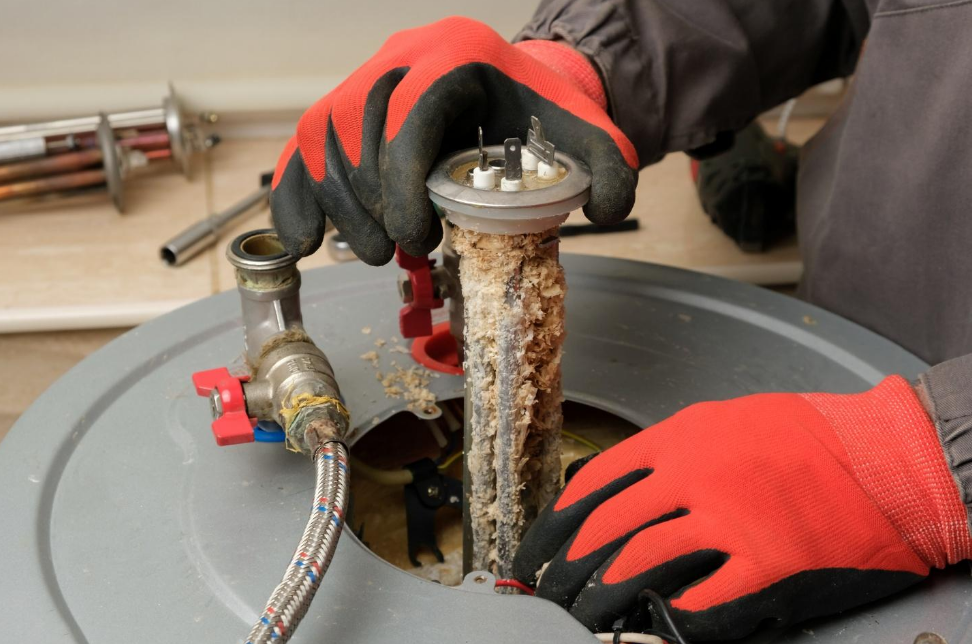
Photo from iStock - Credit: MaRussya
Common Causes of Early Water Heater Failure
Rust and mineral corrosion often begin at the anode rod and tank seams, causing early failure if untreated. A technician inspects the anode rod and tank exterior for pitting and metal loss during a diagnostic visit. They may also take a water sample or use a moisture meter near fittings to confirm active corrosion. Addressing these signs early prevents faster tank deterioration and unexpected replacement costs.
Sediment buildup accumulation at the tank bottom creates hot spots that stress the tank lining and cause overheating near the burner or element. Professionals check sediment levels with a partial drain and visual inspection, and they may use a pressure gauge to compare recovery performance. Excess sediment accelerates corrosion and reduces heat transfer, forcing the system to run longer and wear components faster. Homeowners who hear persistent rumbling should have sediment levels checked promptly.
Electrical and gas supply problems can create uneven heating, which damages elements, thermostats, and valves over time. A service technician will test heating elements with a continuity test and measure voltage at the appliance to confirm electrical faults. For gas models, they inspect burner condition, flame color, and venting for proper combustion and carbon monoxide risk. These checks reveal whether component replacement or wiring fixes are needed to stop progressive failure.
Pressure and temperature fluctuations strain valves, plumbing connections, and the tank shell, leading to leaks or burst fittings if ignored. Technicians test the temperature and pressure (T&P) valve, check shutoff valves, and measure system pressure to diagnose issues. For properties in Florence, South Carolina and those near Darlington, South Carolina, seasonal pressure changes can make weak fittings fail sooner. Scheduling a professional inspection finds worn parts and documents readings for repair recommendations and safer winter operation.
How Sediment Build Up Affects Heat Transfer
Sediment settles at the bottom of a tank and forms an insulating layer that reduces heat transfer from the burner or element. When heat cannot move efficiently through this debris, the heater runs longer to reach set temperature, increasing energy use. Prolonged heating cycles stress components like thermostats and heating elements, shortening their useful life. A technician may record recovery time changes to quantify reduced heat transfer during a service visit.
Hard particles create local hot spots beneath gas burners or around immersed electric elements, causing metal to overheat and warp. Overheated areas accelerate tank lining breakdown and raise the risk of pinhole leaks where corrosion starts. Professionals often perform a partial drain and inspect the drained water for grit and discoloration to assess sediment severity. That visual check helps decide if a full flush or tank replacement is the proper remedy.
Accumulated sediment also traps heat, which can change how thermostats sense water temperature and trigger cycling issues. Inconsistent cycling can produce cold streaks during showers and uneven water temperature at fixtures. A technician will use a temperature gauge and measure inlet and outlet readings to confirm inefficient heat transfer. Those measurements guide adjustments or component replacements to restore steady performance.
For residential homeowners in Florence and areas near Darlington, South Carolina, seasonal changes can make sediment effects more apparent as demand increases. Homeowners noticing longer recovery times, rumbling noises, or higher utility bills should arrange a professional check before peak use begins. During service, a tech can flush the tank, inspect the anode rod, and provide a written report showing sediment impact. This information helps decide whether regular flushing or further repairs will prevent winter failures.
Warning Signs to Watch at Home
Watch for changes in water color, smell, or taste that develop suddenly or after a period of use. Discolored water or metallic taste can signal internal corrosion or a failing anode rod. If you notice persistent odors, a professional can sample the water and inspect the anode and tank lining. Acting on these signs reduces the chance of a sudden leak or contamination issue.
- Strange noises during heating cycles.
- Visible pooling or wet spots near the tank base.
- Longer wait times for hot water at fixtures.
- Frequent thermostat cycling or temperature swings.
- Rust flakes in faucet screens or shower heads.
Temperature inconsistency at faucets often shows when thermostats or elements wear out and cannot hold set points. If you notice your water heater not heating properly, a technician can measure inlet and outlet temperatures and test thermostats and heating elements with a multimeter. Those checks confirm whether sensors, elements, or wiring need replacing to restore steady output. Timely diagnosis can reduce scalding risks and improve comfort during colder months.
Small leaks or dampness at fittings can be an early warning before tank failure and require quick attention. A pro will inspect supply lines, the drain valve, and the T&P valve for drips and use a moisture meter if needed. Repairing a loose fitting or replacing a failing valve is simpler than replacing a corroded tank.
If your unit struggles to keep up with household demand, note how long it takes to recover after heavy use. Frequent cold periods mean a technician will run a recovery test, measure amperage or gas flow, and check for sediment restricting heat transfer. Those diagnostic steps identify whether flushing, element replacement, or a capacity upgrade is the right next step.
Seasonal Maintenance Tasks Homeowners Can Do
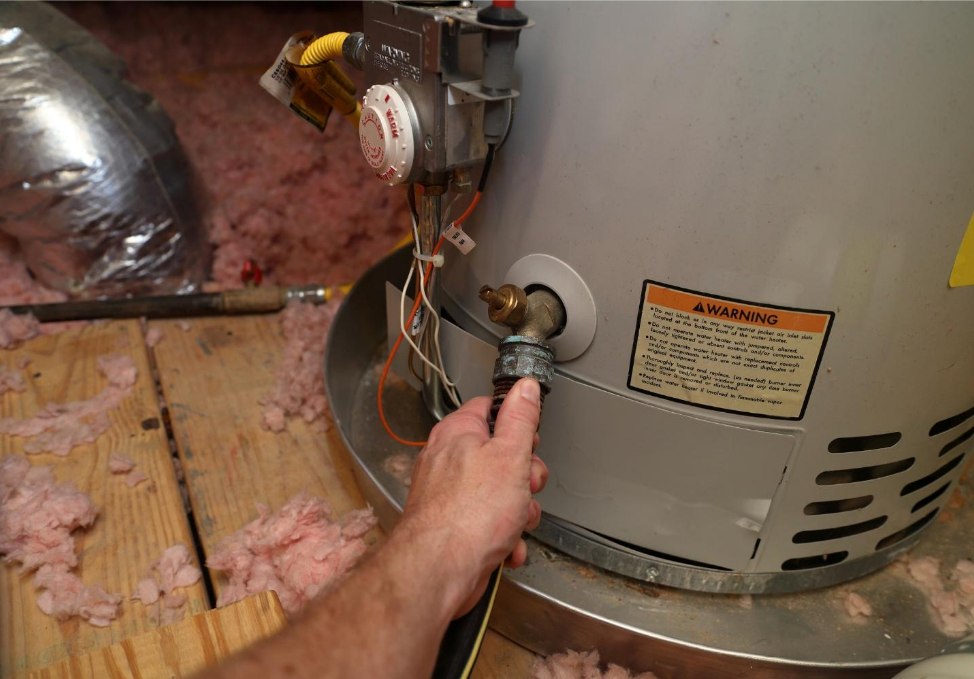
Start seasonal water heater maintenance by turning off power or gas and closing the cold-water supply to the tank. Check the drain valve for easy operation by attaching a short hose and opening the valve briefly to flush loose debris. Inspect visible fittings and the temperature-pressure valve for mineral deposits or small leaks that need tightening or replacement. If you find corrosion near fittings, document the area and plan for a professional follow-up.
Flush the tank partially by opening the drain valve until the discharge runs clearer and cooler, which reduces loose sediment near the bottom. While draining, lift the T&P valve lever briefly to check flow and reseat it to ensure it closes properly afterward. Remove any sediment from the hose and inspect it for accumulated grit that could indicate heavier buildup. If the drained water contains heavy particles or rust flakes, schedule a professional flush and inspection.
Test electric units by turning off power at the breaker and checking element access panels for signs of scale or burned insulation before using a multimeter. For gas units, inspect the burner area for soot, then relight according to the manufacturer’s instructions only if you are comfortable and safe doing so. Check for unusual odors near the unit and avoid relighting if you suspect a gas leak, then contact a professional immediately. Homeowners in Darlington, South Carolina should consider gas-safety checks as part of pre-winter routines.
Clean around the tank and remove stored items to keep ventilation clear and reduce moisture buildup on connections and fittings. Replace any worn rubber hoses and test shutoff valves for smooth operation so repairs are simpler later if needed. Note the tank age and any persistent issues in a maintenance log to share with a technician during scheduled service. For residents in Florence, South Carolina, keeping records helps prioritize repairs before colder months increase demand.
When to Call Professional Water Heater Maintenance
Call professional water heater maintenance when you detect persistent issues that simple checks do not fix, like recurring leaks or continued rumbling. A technician uses a pressure gauge and moisture meter to confirm active leaks behind fittings or under the tank. They will also perform a controlled drain and inspect the outflow for heavy sediment and corrosion evidence before recommending next steps. Scheduling service early avoids emergency calls during colder demand spikes.
Contact a pro if your unit shows electrical signs such as tripped breakers or inconsistent voltage at the element access. During a diagnostic visit, they perform continuity tests on heating elements and measure voltage at the breaker to confirm electrical faults. For gas units, a technician inspects burner flame, measures gas flow, and checks venting for proper combustion and safety. These checks identify whether repairs or part replacements will restore reliable heating.
Arrange professional maintenance when performance drops despite homeowner flushing and minor adjustments to thermostats or valves. A trained technician records inlet and outlet temperatures and conducts a recovery time test to quantify reduced efficiency. They may remove and inspect the anode rod and use a written report to show corrosion extent and recommended actions.
Call for scheduled service if your tank is over ten years old or if multiple problems appear at once, like odor, rust flakes, and slow recovery. The technician will check the T&P valve, drain valve operation, and supply shutoffs, and they will test for sediment with a partial drain. If replacement seems likely, they explain capacity options and necessary plumbing or electrical changes for installation.
What Technicians Inspect During a Service Visit
Technicians begin with a visual inspection of the tank exterior, connections, and nearby piping for leaks, corrosion, or physical damage. They check the temperature-pressure valve by lifting the lever briefly to confirm a proper discharge and closure. A moisture meter may be used around fittings to locate hidden seepage that is not yet visible on floors. For strong evidence of internal corrosion, they often note anode rod condition to guide next steps.
- Test T&P valve operation.
- Inspect anode rod wear.
- Check drain valve function.
- Look for visible leaks and corrosion.
Next, they perform functional checks on heating components appropriate to the unit type, measuring voltage or continuity on electric elements. For gas units, they observe burner flame color and check venting for signs of incomplete combustion. Technicians record inlet and outlet temperatures and run a recovery test to compare performance against expected values. These measurable outputs help diagnose whether sediment, elements, or combustion issues cause poor heating.
They also examine plumbing components like shutoff valves, supply lines, and the sacrificial anode for wear that could lead to future leaks. A pressure gauge helps determine if the system pressure sits within a safe range and whether a pressure-reducing valve needs attention. When diagnostics require further proof, they may provide a short written report with readings and photos to aid homeowner decisions.
Finally, the technician outlines recommended actions and parts needed, estimating labor steps without fixed pricing but with clear next steps. If replacement is likely, they discuss capacity options and any electrical or gas connection changes required for installation. Customers receive a summary of test readings and observed symptoms to compare after future maintenance visits.
Preventive Steps to Extend Unit Lifespan
Start with a schedule and simple checks you can do every six months to prevent larger failures. Record tank age, last anode inspection, and any parts replaced to track trends. Keeping a log helps technicians target issues faster during professional visits. A written history reduces guesswork and speeds diagnosis when problems recur.
Keep water chemistry in mind by installing a simple sediment trap or in-line filter on the cold inlet if your supply shows visible particulates. Clean or replace the trap according to manufacturer guidance to stop grit entering the tank. Reducing incoming debris lowers wear on the drain valve and heating elements. This small step can delay scale buildup and protect internal components.
Balance household demand by staggering hot-water intensive tasks to avoid continuous heavy draw that shortens recovery cycles and stresses the heater. Consider low-flow fixtures and showerheads to cut peak usage without losing comfort. Those changes reduce on/off cycling and extend element and burner life.
Inspect and tighten accessible electrical and plumbing connections annually to stop heat or vibration from loosening terminals and fittings. Replace aging rubber hoses and test shutoff valves for full closure to reduce leak risk. If you find corrosion at pipe joints, schedule a professional assessment rather than attempting complex repairs.

 Your Privacy Choices