
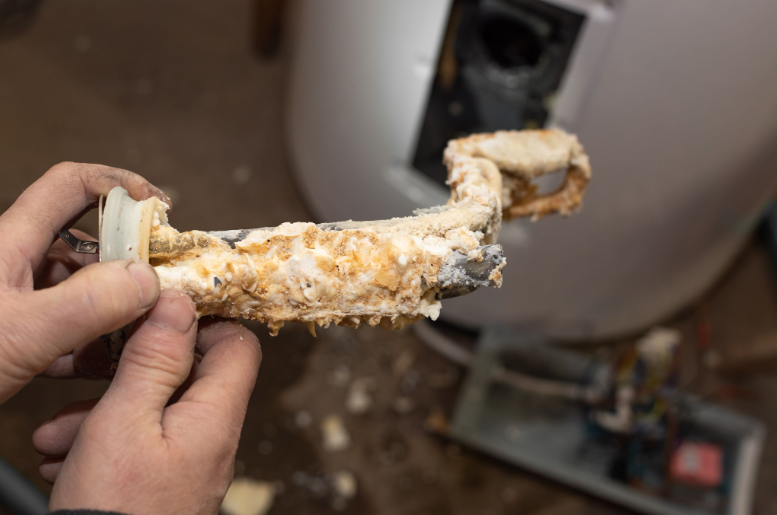
Learn the most common water heater sediment buildup warning signs, including strange noises, rusty water, and rising energy costs. Discover how homeowners in Winona, SC, and Quinby, SC can protect their systems with proper maintenance from Benjamin Franklin Plumbing of Florence, SC.
Water heater sediment buildup can quietly reduce your system’s performance before obvious problems appear. Over time, minerals from your water supply settle inside the tank, creating layers of sediment that affect efficiency and reliability. Homeowners in Winona, SC, and Quinby, SC often notice warning signs like strange noises, inconsistent hot water, or rising utility bills as buildup worsens. Understanding these early symptoms helps protect your water heater, improve energy efficiency, and extend the lifespan of your plumbing system.
What Causes Sediment to Form Inside Water Heaters
Water heater sediment buildup often starts slowly, but it can create serious performance problems over time. Many homeowners do not realize how everyday water usage contributes to mineral accumulation inside the tank. Understanding the most common causes helps homeowners in Winona, SC, and Quinby, SC recognize potential risks early. With proper awareness and routine maintenance, it becomes easier to protect the system from unnecessary wear and damage.
Hard Water Minerals
Hardness of water like calcium and magnesium naturally exist in many local water supplies. As water enters the tank, these minerals remain suspended until heating begins. Once heated, the particles separate and settle near the bottom of the water heater. Over time, these deposits create thick sediment layers that reduce efficiency.
Frequent Hot Water Usage
Daily activities like showering, laundry, and dishwashing constantly refill the tank with fresh mineral-rich water. The more often the water heater runs, the faster sediment can develop inside the unit. Larger households may experience quicker buildup because of increased hot water demand. Constant heating cycles accelerate the accumulation process throughout the year.
Seasonal Temperature Changes
Cooler weather often increases household reliance on hot water for comfort and cleaning. During winter months, water heaters usually work harder and run more frequently each day. Increased heating activity causes minerals to separate faster inside the tank. This seasonal demand can worsen water heater sediment buildup in South Carolina homes.
Lack of Routine Maintenance
Without regular inspections and flushing services, sediment continues collecting inside the tank unchecked. Over time, the buildup hardens and becomes more difficult to remove completely. Neglected maintenance may also allow hidden damage to develop within heating components. Routine care helps reduce mineral accumulation and supports long-term system performance.
Older Water Heater Systems
Aging water heaters often contain years of accumulated sediment inside the tank. Older systems may already have hardened mineral layers that affect heating efficiency and water flow. As internal components wear down, sediment-related issues usually become more noticeable. In many cases, older units require closer monitoring and professional maintenance.
Understanding what causes water heater sediment buildup allows homeowners to take proactive steps before serious problems develop. Early attention can help improve energy efficiency, maintain consistent hot water, and extend equipment lifespan.
Strange Noises Coming from the Tank
Water heater sediment buildup often becomes noticeable when unusual sounds start coming from the tank. Many homeowners hear popping, rumbling, or banging noises during normal heating cycles. These sounds may seem harmless at first, but they usually indicate mineral deposits collecting inside the unit. Understanding why these noises happen can help homeowners address problems before major damage develops.
When sediment settles at the bottom of the tank, water can become trapped beneath hardened mineral layers. As the burner heats the tank, trapped water creates steam bubbles that force their way through the sediment. This movement produces loud popping or rumbling sounds during operation. The thicker the sediment becomes, the louder these noises may grow over time.
In homes throughout Winona, SC, and Quinby, SC, hard water conditions can increase the likelihood of noisy water heaters. Mineral-rich water contributes to faster sediment accumulation inside residential tanks. During colder months, increased hot water use may also place additional stress on the system. As heating cycles become more frequent, sediment-related noises often become more noticeable.
Ignoring these warning signs may eventually lead to overheating, reduced efficiency, or internal tank damage. Sediment forces the system to work harder, which increases wear on heating components and raises energy costs. Professional inspections and maintenance can help remove buildup before serious problems occur.
Reduced Hot Water Supply and Inconsistent Temperatures
Water heater sediment buildup can significantly affect the amount of hot water available throughout the home. Many homeowners first notice the problem when showers become shorter or water temperatures fluctuate unexpectedly. As sediment collects inside the tank, the system struggles to heat water efficiently and consistently. These issues often become more noticeable during colder months when hot water demand increases.
Sediment creates a barrier between the heating element and the water inside the tank. This layer forces the water heater to work harder and longer to produce the desired temperature. Over time, the system may lose heating efficiency and fail to maintain steady hot water output. As a result, homeowners may experience sudden bursts of cold water during daily activities.
Homes in Winona, SC, and Quinby, SC may experience faster water heater sediment buildup because of mineral-rich water conditions. Hard water allows deposits to form more quickly inside residential plumbing systems. During winter, increased hot water use for showers, laundry, and cleaning places even greater stress on the unit. These conditions can worsen temperature inconsistencies and reduce overall system performance.
Ignoring inconsistent hot water can eventually lead to larger plumbing and energy efficiency problems. Sediment buildup may continue hardening inside the tank, causing additional strain on internal components. Professional maintenance helps remove mineral deposits before severe damage occurs. Regular inspections also help homeowners maintain reliable hot water and extend the lifespan of the water heater.
Rising Energy Bills and Reduced Efficiency
Water heater sediment buildup can quietly increase household energy costs over time. Many homeowners notice rising utility bills without realizing their water heater may be the cause. As sediment collects inside the tank, the system must work harder to heat water efficiently. This extra strain often leads to longer heating cycles and wasted energy throughout the home.
Mineral deposits create a thick layer between the heat source and the water inside the tank. This sediment acts like insulation, preventing heat from transferring properly during operation. As a result, the water heater uses more energy to maintain the desired temperature. Over time, reduced efficiency can place unnecessary stress on the entire system.
In Winona, SC, and Quinby, SC, hard water conditions can accelerate water heater sediment buildup and increase operational costs. Homes with frequent hot water usage may experience efficiency problems even faster. During colder seasons, water heaters often run longer to meet increased household demand. These extended heating cycles can further increase monthly energy expenses.
Ignoring efficiency issues may eventually lead to premature wear and costly plumbing problems. Sediment buildup can continue restricting performance while damaging internal heating components. Professional maintenance helps remove deposits, restore efficiency, and improve overall system reliability. Regular inspections also help homeowners reduce energy waste and extend the lifespan of their water heater.
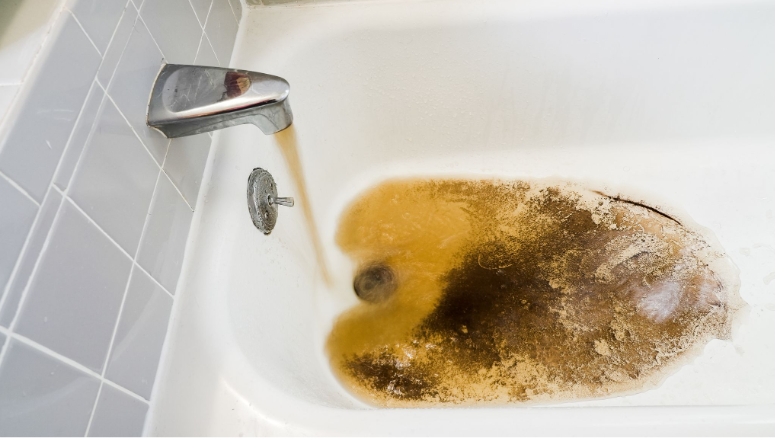
Photo from iStock - Credit: miromiro
Rusty or Discolored Water from Faucets
Water heater sediment buildup can sometimes cause noticeable changes in water color and clarity. Homeowners may see brown, cloudy, or rusty-looking water when using hot water fixtures throughout the home. These discoloration issues often develop gradually as mineral deposits and corrosion increase inside the tank. Recognizing these warning signs early can help prevent more serious plumbing problems later.
As sediment accumulates at the bottom of the tank, it may trap rust particles and other debris inside the system. Over time, these materials can mix with the hot water supply and travel through household plumbing lines. Discolored water often appears first when running hot water from sinks, tubs, or showers. In many cases, the issue becomes more noticeable after periods of heavy hot water use.
Homes in Winona, SC, and Quinby, SC may experience faster mineral buildup because of local water conditions. Hard water contributes to increased sediment accumulation and may accelerate internal corrosion within aging water heaters. Seasonal changes in water demand can also place added stress on the system throughout the year. These factors may increase the likelihood of rusty or cloudy water appearing from household fixtures.
Ignoring discolored water may allow sediment buildup and internal tank damage to worsen over time. Corrosion can weaken components, reduce efficiency, and eventually lead to leaks or system failure. Professional inspections help identify whether sediment or corrosion is affecting the water heater. Routine maintenance also helps homeowners maintain cleaner water and improve long-term plumbing system performance.
Overheating and Potential Tank Damage
Water heater sediment buildup can create serious overheating problems when mineral deposits collect inside the tank. As sediment thickens near the bottom, heat becomes trapped beneath the hardened layers during heating cycles. This trapped heat forces the system to operate at higher temperatures for longer periods. Over time, excessive heat can place significant stress on internal tank components.
When overheating continues, the metal inside the tank may begin weakening from constant exposure to high temperatures. Heating elements and burners often work harder to maintain water temperature, which increases wear on the system. In some cases, the tank bottom may even start cracking or warping because of prolonged heat exposure. These issues can reduce the lifespan of the water heater and increase the risk of sudden failure.
Homes in Winona, SC, and Quinby, SC may experience faster water heater sediment buildup due to mineral-rich water conditions. Increased hot water use during cooler months can place additional strain on already stressed systems. As sediment accumulates, the water heater may struggle to release heat properly and maintain safe operation. This ongoing stress can eventually lead to leaks, pressure problems, or costly repairs.
Ignoring overheating warning signs may allow small problems to develop into major plumbing emergencies. Strange noises, inconsistent temperatures, and rising energy bills often signal growing sediment issues inside the tank. Professional inspections and maintenance help remove buildup before severe damage occurs. Routine service also helps homeowners improve efficiency, protect equipment, and maintain reliable hot water year-round.
Foul Odors and Unpleasant Water Smells
Water heater sediment buildup can sometimes cause unpleasant smells to develop in the home’s hot water supply. Many homeowners notice sulfur-like or musty odors when using hot water from sinks, showers, or tubs. These smells often indicate bacteria growth or trapped debris inside the water heater tank. Understanding the source of these odors helps homeowners address potential problems before conditions worsen.
As sediment collects at the bottom of the tank, it creates an environment where bacteria can grow more easily. Warm water combined with mineral deposits may encourage the development of odor-causing bacteria inside the system. In many cases, the smell becomes stronger when hot water sits unused for extended periods. This issue may affect water quality and reduce overall household comfort.
Homes in Winona, SC, and Quinby, SC with hard water conditions may experience faster sediment accumulation inside water heaters. Mineral-rich water allows buildup to develop more quickly, especially in older systems with limited maintenance history. During warmer months, higher temperatures may also contribute to bacterial growth within the tank. These combined factors can increase the likelihood of unpleasant hot water odors throughout the home.
Ignoring foul water smells may allow sediment buildup and bacteria growth to continue spreading inside the system. Over time, these conditions can affect water heater performance and place added strain on internal components. Professional flushing and inspections help remove buildup while improving water quality and efficiency. Routine maintenance also helps homeowners maintain cleaner, fresher hot water year-round.
Why Regular Maintenance Matters in Winona and Quinby
Regular maintenance plays an important role in preventing water heater sediment buildup and protecting long-term system performance. Many homeowners do not notice sediment problems until efficiency declines or major damage occurs inside the tank. Routine inspections help identify early warning signs before they develop into costly plumbing issues. Preventive maintenance also supports consistent hot water and improved household comfort throughout the year.
Homes in Winona, SC, and Quinby, SC often experience hard water conditions that contribute to faster mineral accumulation. As minerals settle inside the tank, the water heater must work harder to operate efficiently. Without regular flushing, sediment layers continue thickening and place extra strain on internal components. Over time, neglected buildup may shorten the lifespan of the entire system.
Seasonal maintenance becomes especially important during colder months when hot water demand typically increases. Water heaters often run more frequently during winter, which may accelerate sediment formation inside the tank. Professional inspections before peak usage seasons can help homeowners avoid unexpected breakdowns and performance issues. Regular service also helps improve energy efficiency and reduce monthly utility costs.
Ignoring maintenance can eventually lead to overheating, discolored water, strange noises, or inconsistent hot water temperatures. Professional flushing and inspections help remove buildup while identifying hidden signs of wear or corrosion. Routine care keeps water heaters operating safely and efficiently throughout the year. Homeowners who prioritize maintenance often experience fewer repairs and more reliable hot water performance.
Professional Water Heater Flushing and Inspection
Professional maintenance helps reduce water heater sediment buildup before it causes serious performance problems. Many homeowners wait until strange noises or inconsistent hot water appear before scheduling service. However, regular flushing and inspections can help prevent these issues from developing in the first place. Routine professional care supports better efficiency, reliability, and long-term system performance.
During a professional flushing service, technicians remove accumulated sediment from the bottom of the tank. This process helps restore proper heat transfer and improves overall water heater efficiency. Removing mineral deposits also reduces strain on heating elements and internal components. As a result, the system can operate more smoothly and provide more consistent hot water.
In Winona, SC, and Quinby, SC, hard water conditions often increase the need for regular water heater maintenance. Mineral-rich water allows sediment to collect more quickly inside residential systems throughout the year. Professional inspections also help identify signs of corrosion, leaks, or worn components before major damage occurs. Early detection can help homeowners avoid expensive plumbing repairs and unexpected system failures.
Ignoring maintenance may allow water heater sediment buildup to continue damaging the tank and reducing efficiency. Over time, neglected systems may experience overheating, rising energy costs, and shortened equipment lifespan. Professional flushing and inspections help maintain cleaner water, lower utility expenses, and dependable hot water performance. Consistent maintenance remains one of the most effective ways to protect a home’s plumbing system.
When to Repair or Replace a Water Heater
Water heater sediment buildup can eventually lead to problems that simple maintenance may no longer solve. While some issues improve after professional flushing, severe buildup may already have damaged internal components. Homeowners often wonder whether repair or replacement is the better long-term solution. Understanding the warning signs can help prevent unexpected breakdowns and costly plumbing emergencies.
Frequent repairs are often one of the clearest signs that a water heater may need replacement. If the system constantly experiences leaks, inconsistent temperatures, or unusual noises, internal damage may already exist. Sediment buildup can weaken heating elements, valves, and the tank itself over time. In many cases, repeated repairs become less cost-effective as the system continues aging.
Homes in Winona, SC, and Quinby, SC with hard water conditions may experience faster wear from mineral accumulation inside the tank. Older water heaters are especially vulnerable because years of sediment buildup may already affect performance and safety. Rusty water, overheating, or visible corrosion around the tank can also indicate serious internal deterioration. These warning signs should never be ignored because they may lead to sudden system failure.
Professional inspections help homeowners determine whether repair or replacement offers the safest and most reliable solution. Technicians can evaluate the condition of the tank, heating components, and overall efficiency of the system. Replacing an aging water heater may improve energy efficiency, reduce repair costs, and provide more dependable hot water. Taking action early helps homeowners avoid larger plumbing problems and extend long-term household comfort.
Protecting Your Water Heater for Long-Term Performance
Water heater sediment buildup can slowly reduce efficiency, increase energy costs, and shorten the lifespan of your system. Many homeowners do not recognize the warning signs until performance problems begin affecting daily comfort. Strange noises, inconsistent hot water, rusty water, and rising utility bills often indicate growing sediment accumulation inside the tank. Understanding these symptoms early helps homeowners take action before serious damage develops.
Homes in Winona, SC, and Quinby, SC may experience faster sediment buildup because of mineral-rich water conditions. Hard water allows calcium and magnesium deposits to settle inside the tank over time. Seasonal increases in hot water usage can also place added strain on the system throughout the year. Regular maintenance helps reduce these risks while improving overall plumbing efficiency.
Professional inspections and flushing services remain important for maintaining reliable hot water performance. Removing sediment buildup helps the system heat water more efficiently and reduces stress on internal components. Routine maintenance can also help identify hidden corrosion, leaks, or wear before major repairs become necessary. Preventive care often extends the lifespan of the water heater while lowering long-term operating costs.
Ignoring water heater sediment buildup may eventually lead to overheating, tank damage, and unexpected plumbing emergencies. Homeowners who schedule regular maintenance usually experience fewer breakdowns and more dependable hot water throughout the year. Early attention to warning signs helps protect both the plumbing system and household comfort. With proper professional care, water heaters can continue operating safely and efficiently for many years.
Schedule Professional Water Heater Service Today
Protect your home from costly plumbing problems caused by water heater sediment buildup. Trust Benjamin Franklin Plumbing of Florence, SC for professional inspections, maintenance, and dependable water heaters solutions in Winona, SC, Quinby, SC, and surrounding areas.

 Your Privacy Choices