
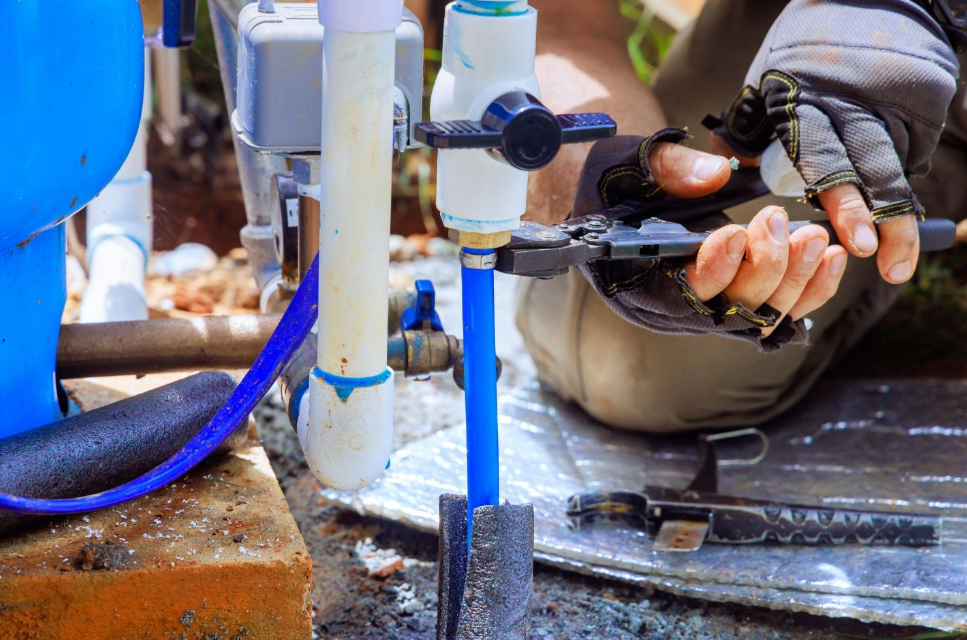
Key Takeaways About Water Line Replacement
A water line replacement installs a home's main supply pipe to restore reliable water delivery. This summary is for homeowners and property managers planning permits materials and staging to limit disruption.
- Identify permit needs inspection timing and required documents early.
- Prevent delays by preparing a clear parts list and material choices.
- Avoid landscaping damage with protected walkways and staging areas.
- Spot leaks with pressure checks moisture meters and visual inspection.
- Reduce rework by scheduling inspections after pressure testing before backfill.
- Plan temporary water access and notify neighbors about planned outages.
Introduction
Replacing a main water line can disrupt daily life and damage landscaping when it is not planned well. Permits, material choices, and staging decisions shape how much disruption happens. Homeowners often notice slow drains, low pressure, or damp spots before a full failure. Acting early reduces emergency work and unexpected delays.
Permits can control where digging happens and which inspections are needed before backfill. Obtaining the right permit avoids stop-work orders and costly rework for property owners. A clear plan for materials prevents last-minute substitutions that prolong the project. Choosing durable pipe and proper fittings affects how long the new line will perform.
Staging the work area keeps equipment, excavation, and traffic organized during replacement. Protecting lawns, driveways, and access points reduces repair time after the job. Communicating a timeline and temporary water arrangements helps households cope with outages. Neighbors in Woodland Park, South Carolina may also need notice when crews access curb stops or easements.
A professional diagnosis confirms whether a full water line replacement is necessary and where the failure sits. Technicians check visible leaks, pressure readings, and test supply lines to pinpoint the problem. They document findings with photos and a written report to guide permit applications and materials ordering. Clear upfront planning keeps disruption to a minimum for homeowners in Florence, South Carolina.
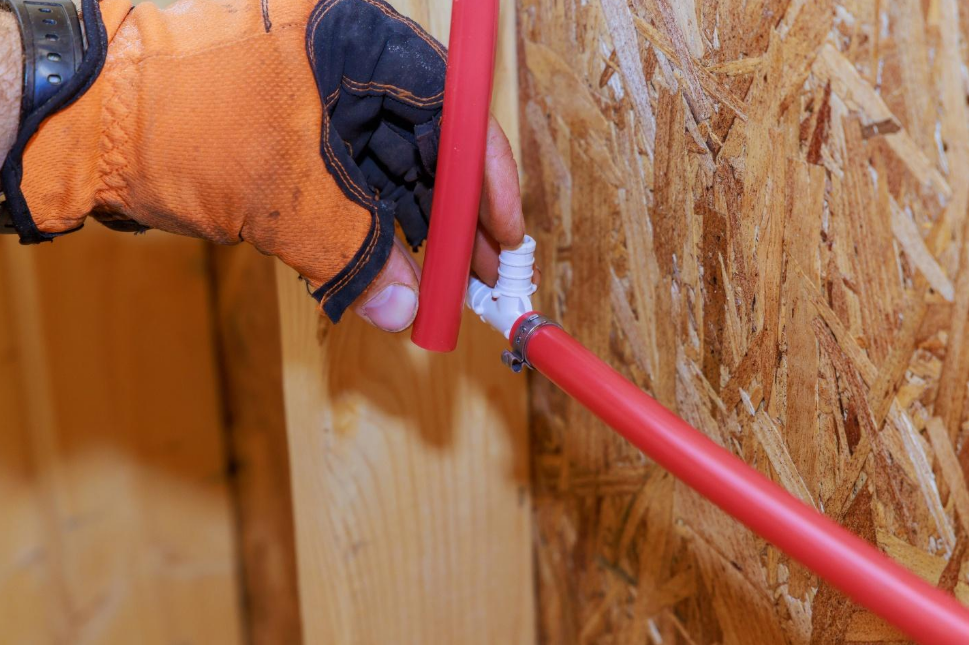
Photo from iStock - Credit: photovs
Understanding Water Line Replacement Basics and Mechanics
Water line replacement means removing and installing a home's main supply pipe to restore safe, reliable water delivery. A clear mechanical picture helps homeowners understand where the new pipe ties into the service, the shutoff points, and joint types. A common homeowner question is whether a full replacement always stops recurring leaks; a full replacement eliminates old pipe failure sources when leaks come from corrosion or breaks. Professionals look for pressure loss, visible wet spots, and repeated repairs to confirm whether replacement is necessary.
- Service stop and curb box location matter.
- Main shutoff valve condition affects isolation work.
- Pipe material determines joining methods.
- Depth and slope affect frost and flow concerns.
Typical components include the supply line, shutoff valve, pressure-reducing valve, and fittings tied to the meter or house entry. Technicians use a pressure gauge and visual inspection at joints and connections to find weak points and measure pressure under load. They may run a dye or leak detection survey to confirm subterranean leaks before digging begins. Documented findings like photos and pressure readings help specify the exact replacement scope for permits and materials.
Homeowners should ask how the crew will stage equipment, protect landscaping, and access the curb box during work. A clear parts list and material choice prevents delays when crews need specific couplings, pipe lengths, or transition fittings. For properties near shared easements, notify neighbors and mark underground utilities before work starts to avoid service interruptions. In Florence, South Carolina and Woodland Park, South Carolina, clarifying access and timing reduces surprises for everyone involved.
Common Causes of Water Line Failure and Why It Happens
Soil movement and shifting pressures often crack older pipes over time, especially at joints and bends where stress concentrates. Tree root intrusion can slowly pry apart seams or crush softer materials, causing tiny leaks that grow into larger failures. Corrosion affects metal pipes from the inside and may create pinhole leaks that appear intermittently under certain pressure conditions. These problems help explain how aging pipes lead to plumbing emergencies when deterioration progresses unnoticed. In Florence, South Carolina, homeowners sometimes see evidence of these processes when wet spots reappear after heavy use or rain.
Freeze-thaw cycles and repeated thermal expansion can loosen fittings or split brittle plastic lines, leading to sudden breaks during peak use. Poor initial installation, like inadequate bedding or improper joint techniques, also shortens a line's service life and raises the chance of early failure. Mechanical damage from accidental digging or construction near the service route can nick or sever the pipe without immediate visible signs. Woodland Park, South Carolina properties with older landscaping projects may face hidden risks from past excavations.
High water pressure and pressure spikes strain fittings, valves, and weaker pipe sections until leaks form at stress points such as the shutoff valve or meter connection. Other water line problems that affect water pressure can include corrosion, hidden leaks, and deterioration at joints or fittings. Chemical reactions from aggressive water or incompatible materials can accelerate deterioration at transition fittings and threaded joints. Repeated temporary repairs, like patching or soldering, can mask a failing section and delay a necessary full replacement. A professional inspects pressure readings and joint condition to decide if these factors justify a complete water line replacement.
Human factors like incorrect material selection for soil conditions or mixing pipe types at transitions often cause premature failure at the connection points. Pipe movement from inadequate trench compaction creates unsupported spans that sag and collect stress at saddles and couplings. A technician will use visual inspection, pressure gauge tests, and a leak detection survey to confirm the primary cause before recommending replacement. For documentation and permit work, they record photos, pressure readings, and written observations to support the chosen repair plan.
Early Warning Signs to Watch for In Plumbing Systems
Unusual sounds like steady hissing near a meter, rattling when fixtures run, or a sudden drop in pressure often precede larger failures. Homeowners may notice water meter movement or a continuous meter dial spin when all fixtures are off, which suggests a hidden leak. A simple pressure gauge check at an exterior spigot or the fill valve can confirm abnormal pressure behavior before digging starts. If you hear or see these signs, record times and conditions to share with a professional during diagnosis.
Repeated wet patches in the yard that appear after irrigation or heavy use can indicate a subsurface leak following the service route. Dark, spongy soil or greener grass strips often trace where water migrates from a failing line under the surface. A technician will perform a pressure test and may use a moisture meter or acoustic leak detection to localize the source without unnecessary excavation. These noninvasive checks reduce risk and help define the exact repair location for staging work.
Staining or dampness on basement walls or near the entry point of the supply line can point to deteriorating joints or sleeve failures at the house penetration. Inspectors will examine the shutoff valve, meter connections, and visible supply piping for corrosion, loose fittings, or drips during a controlled pressure test. Photographs and recorded pressure readings are common outputs used to justify replacement scope on permit applications. Providing those inspection outputs speeds approval and materials ordering for a smoother project timeline.
For example, a homeowner notices lower pressure only in the mornings and small puddles near the curb box; a professional checks the pressure-reducing valve and runs a dye test to isolate the leak source. Technicians also look at the condition of the curb box, shutoff valve, and any visible transition fittings along the service line to confirm diagnosis. In Florence, South Carolina homeowners benefit from detailed inspection notes that inform permit plans and staging choices. Properties in Woodland Park, South Carolina should also document symptoms and inspection results to streamline contractor coordination.
Permits and Codes Homeowners Must Know Before Work
Before work begins, check local permitting offices for required permits and inspection schedules to avoid delays. Permits often specify excavation limits and backfill inspection timing that affect crew planning. Ask which documents inspectors require with permit applications to prepare soil logs or inspection photos. Keep copies of submitted documents handy for jobsite reference during staging.
- Confirm permit type with the local building department.
- Request a list of required inspections and timing.
- Mark utility locations before excavation begins.
- Ask about approved backfill materials and compaction specs.
Inspectors will verify pipe type, fitting methods, and sleeve use where the line enters the structure. Common checks include proper bedding, piping depth, and secure transitions at the meter and shutoff valve. Having the replacement materials list ready speeds the inspection and prevents rework. If the inspector requires specific joining methods, adjust the material choice before installation.
Homeowners should plan for required temporary water solutions during testing and inspection phases to maintain household needs. Short-term arrangements often include a temporary hose bib or bottled water when the main is offline. Coordinate inspection windows with those who need running water to minimize inconvenience. Clear staging reduces the chance of failed inspections that extend outages.
A professional diagnosis supports the permit package with photos, pressure readings, and written findings used in applications. Technicians commonly document pressure gauge outputs, visible joint condition, and leak detection report summaries for permit files. For properties in Florence, South Carolina, attaching those inspection outputs can speed municipal review. Similarly, including detailed inspection notes helps address concerns for properties in Woodland Park, South Carolina.
Choosing Materials and Methods for Long Term Durability
Start by matching pipe material to expected service life and soil contact conditions to reduce future failures. Common durable options include copper, HDPE, and PEX, each with distinct joining methods and bedding needs. Ask the installer which transition fittings they will use where materials change to prevent galvanic corrosion. A clear parts list helps avoid last-minute substitutions that could shorten the new line's lifespan.
Consider joining method longevity when selecting materials for water line replacement to minimize leak points over time. Mechanically restrained fittings, heat fusion for HDPE, and soldered or press fittings for copper offer different trade-offs in labor and durability. Require pressure testing and written test results after joining to verify leak-free connections before backfill. Recorded pressure readings and photos serve as proof of correct installation for permits and future reference.
Specify trench bedding and compaction standards to protect the pipe from movement and point loading that cause early failure. Proper bedding material and incremental compaction reduce sagging and stress at couplings and service saddles. Ask for a protective sleeve or conduit where the line passes under driveways or where future digging may occur. These measures lower the chance of mechanical damage and simplify future repairs.
Plan for corrosion control and water chemistry compatibility at transitions to extend the life of the replacement. Include dielectric unions or approved transition fittings when joining dissimilar metals to prevent electrochemical attack. A professional will inspect visible transitions, measure pressure, and check for evidence of stray current during diagnosis.
Factor accessibility and future maintenance into final material and routing decisions to reduce disruption later on. Routing near cleanouts, shutoff valves, and the meter simplifies repairs and pressure checks over the life of the water line replacement. Request a labeled diagram and photos of the final routing and connection points for homeowner records and future technicians.
Staging the Work to Minimize Home Disruption and Timing
Plan the daily work sequence so crews tackle the most invasive tasks when household demand is lowest. Schedule daytime excavation and pipe pulling during work hours to limit night noise and interruptions. Coordinate temporary water arrangements and testing windows so occupants know exactly when service will be off. Share a simple written timeline with start, major milestones, and estimated rewater time to avoid confusion.
Establish protected walkways and a single materials staging area to reduce traffic across the yard and protect landscaping. Place plywood or matting over high-traffic areas to protect turf and prevent mud tracking into the home. Keep tools, fittings, and spare couplings organized near the trench to reduce time spent fetching missing parts. A tidy site speeds work and lowers the chance of accidental damage to plants or hardscapes.
Plan inspection points into the day so code checks and pressure tests happen before backfill and avoid re-excavation. Schedule the inspector's visit after pressure testing and before the final compaction step to confirm compliance. Record pressure gauge readings and take photos during the inspection to produce a permit-ready record. These documented checks prevent delays and provide proof of correct installation for future reference.
Stage equipment to allow quick access to shutoff valves, meter, and curb box during the job for safety and testing needs. Keep the area around the house penetration clear for easy access to the pressure-reducing valve and entry fittings. Notify nearby properties such as those in Florence, South Carolina about planned curb work that may affect access. Also inform neighbors in Woodland Park, South Carolina if crews need temporary access to easements or curb boxes.
When to Call a Professional for Water Line Replacement
Call a licensed plumber when diagnostic steps show persistent pressure loss, visible meter movement, or repeated temporary repairs despite fixes. A professional confirms the failure location using pressure gauges, moisture meters, and a visual inspection at service connections. They will check shutoff valves, curb box accessibility, and any required isolation before recommending excavation. If you detect smell or soil displacement near the service route, arrange a professional evaluation promptly.
- Unclear leak location after basic checks
- Visible meter movement or continuous flow
- Multiple repairs in a short time
- Damage near the house penetration
- Unsafe or inaccessible shutoff valves
During diagnosis, expect the technician to run a pressure test and document readings for the permit package. They may perform a leak detection survey and photograph suspected failure points for a written report. This documentation supports permit approval and helps size materials and crew for minimal disruption. Requesting these outputs early improves scheduling and reduces the chance of mid-job changes.
If excavation is likely near utilities or easements, hire a professional in Florence to coordinate utility locates and traffic management. Professionals arrange required inspections and stage materials to limit lawn and driveway impact during the replacement.
Preventive Maintenance to Extend Water Line Lifespan
Establish a simple seasonal checklist to spot developing issues before they require excavation or replacement work. Include pressure checks at an exterior spigot, visual inspections of the curb box, and a quick look at visible transition fittings. Record readings and photos after each check to track trends and spot gradual declines in performance that suggest future intervention. This record helps a professional prioritize repairs and estimate whether a full water line replacement will be needed later.
Flush and exercise shutoff valves and exterior hose bibs twice yearly to keep moving parts from seizing or failing unexpectedly. Lubricating accessible valve stems and operating them under controlled conditions prevents surprises during an emergency shutoff event. Test the pressure-reducing valve with a gauge to detect creeping pressure increases that stress piping and fittings over time. If pressure swings or unusual readings appear, contact a plumber for a focused inspection and recommendation.
Protect the service route from mechanical damage by marking it with visible flags or mapping its location in your property records for future digging projects. Use a simple recorded map and photos to show the route, meter location, and shutoff points for any contractor work. A professional can add a protective conduit where the line crosses driveways or exposed zones to reduce accidental strikes.
Address water quality and corrosion risk proactively by testing for aggressive water chemistry and matching transition fittings accordingly with dielectric unions or approved materials. Maintain accessible documentation of pipe material, joining methods, and pressure test results for future technicians and inspections. Schedule a professional leak detection survey when you notice subtle signs like intermittent meter movement or soft soil near the service route.

 Your Privacy Choices