

Key Takeaways About Not Enough Hot Water
Not enough hot water means your heater cannot supply sufficient warm water for normal use. This summary is for homeowners and property managers who notice reduced hot water during showers or high demand times.
- Identify whether demand exceeds the heater capacity and recovery rate.
- Prevent sediment buildup with regular flushing and anode rod checks.
- Avoid hidden mixing by inspecting dip tubes and mixing valves.
- Spot failing components by noting sounds smells and temperature swings.
- Reduce peak use with point of use units or scheduling appliance cycles.
- Plan professional diagnostics with temperature flow and electrical tests.
Introduction
Not enough hot water is more than a nuisance, it affects daily routines and can signal a failing system. A home that runs cold during showers or struggles to fill a tub wastes time and raises frustration. Common causes range from demand that exceeds capacity to hidden problems inside the unit. Recognizing the stakes helps homeowners decide when to act.
Sometimes the problem starts slowly with shorter hot showers and cooler tap water during busy hours. Other times the change is sudden after a loud banging sound or unusual smell near the water heater. Sediment buildup, an aging tank, or a malfunctioning thermostat can all reduce usable hot water. Identifying which applies matters for repair or replacement choices.
Household changes often expose heater limits, especially in homes that added occupants or appliances. A larger family, frequent laundry loads, or new bathroom fixtures increase demand on the tank or tankless system. Older units also lose efficiency as parts wear and corrosion develops inside the tank. Small signs left unchecked often lead to larger failures and cold water when you need it most.
Homeowners in Florence, SC and properties in Bishopville, SC notice different patterns depending on usage and installer choices. A qualified plumber inspects components like the thermostat, heating element, dip tube, and pressure relief valve to diagnose problems. Readings from a pressure gauge or a temperature check give clear clues about performance. When simple fixes cannot restore reliable hot water, a professional recommendation will point to the next steps.
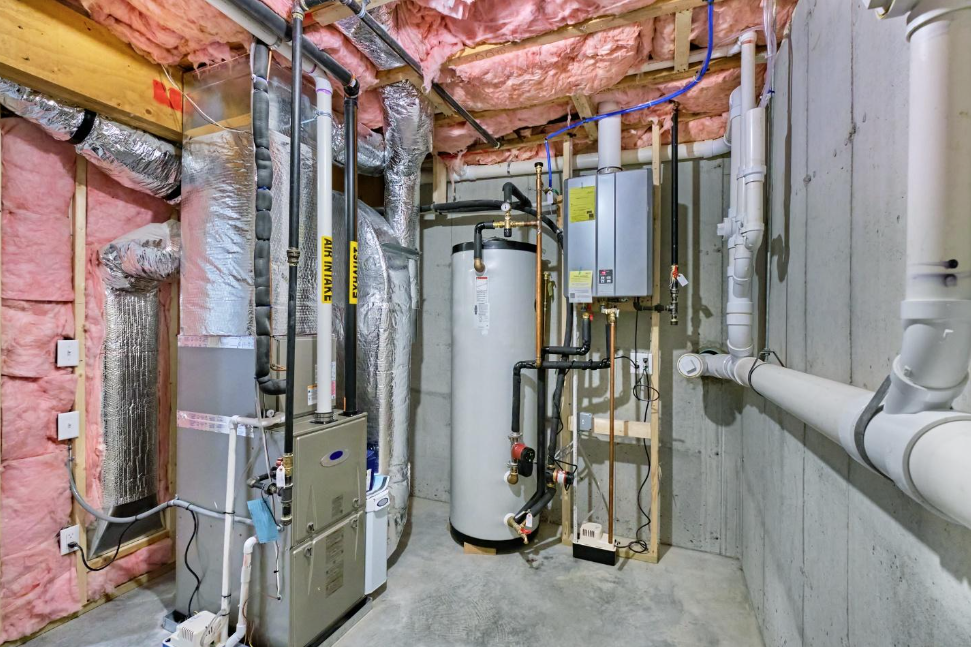
Photo from iStock - Credit: jsnover
How Tank Water Heaters Work and Why It Happens
A tank water heater stores and heats a volume of water so hot water is available on demand for household use.
- The tank holds water at set temperature ready for faucets.
- A gas or electric heat source raises the water temperature.
- A thermostat controls when heating turns on and off.
- A dip tube delivers cold inlet water to the tank bottom.
Cold water enters the tank through the dip tube and sinks to the bottom to meet the burner or element, which heats it.
Hot water rises to the top where the outlet supplies showers and taps until the tank runs low on usable hot water.
Homeowners often ask why a full tank can still produce lukewarm water, sediment and partial heating explain this common result.
Increased Household Demand Causing Cold Showers
When more fixtures run at once, the tank can deliver less hot water to each outlet, causing colder showers during peak times. Households that add a second shower, dishwasher, or frequent laundry cycles often trigger this problem. The dip tube and outlet piping still route the hottest water first, but increased simultaneous flow lowers flow temperature at taps. Homeowners may notice drops in temperature mostly during mornings and evenings when use climbs.
Flow rates and mixing matter when demand increases, higher flow pulls more cold inlet water into the tank. If the incoming cold water volume overwhelms the tank’s output, mixed water at fixtures cools noticeably. A pressure gauge reading and a quick hot-water draw test help reveal whether high simultaneous demand is responsible. A plumber can measure fixture flow and run sequential draws to confirm the diagnosis.
Adding a second bathroom or modern low-flow appliances may change how hot water gets used in the home. Sometimes simple scheduling, like staggering showers and laundry, reduces peak demand and restores acceptable temperatures. In other cases, upgrading to a larger tank or a unit with a faster recovery solves the issue permanently.
If demand-related cold showers happen intermittently, homeowners should record when and how many fixtures were running during each event. That log gives a plumber useful data to compare against the heater’s rated first-hour delivery and recovery specifications. With those measurements, a professional can recommend whether behavioral changes, a supplemental tank, or replacement is the best solution. Consider scheduling an inspection to get a clear, measured recommendation from a licensed plumber.
Tank Size Limits and Recovery Rate Explained
Tank capacity and recovery rate together determine how long usable hot water lasts during continuous use. Capacity is the tank's volume, usually measured in gallons, that limits total stored hot water ready at one time. Recovery rate measures how many gallons the heater can reheat per hour after the tank depletes. If recovery cannot keep pace with household draws, you will have not enough hot water even if the tank was full this morning.
The rated first-hour rating (FHR) combines stored capacity and recovery into a practical output figure for homeowners. A plumber reads the heater's data plate to find capacity and BTU or watt input, then compares that to FHR expectations. They may run a timed draw test and record outlet temperature changes to confirm whether the unit meets its specification. These measurements help decide if a larger tank or higher input model is required for comfort.
Recovery depends on heat source, burner or element size, and thermostat settings, which professionals verify during inspection. For gas heaters, a combustion check and burner output assessment reveal true heating power. Electric units require voltage and element resistance checks that a technician performs with a multimeter. Misconfigured thermostats, tripped breakers, or partially failed elements reduce recovery and contribute to not enough hot water complaints.
Older tanks often show reduced recovery from sediment layer insulating heating surfaces and lowering effective BTU transfer. A plumber may measure inlet and outlet temperatures and use a pressure gauge to assess flow influence on recovery time. Homeowners in Florence, SC and properties in Bishopville, SC should consider these diagnostic steps when planning an upgrade. Based on findings, a technician can estimate whether a higher-capacity tank, a booster, or replacement will resolve persistent shortfalls.
Sediment Buildup Effects and When to Flush
Water heater sediment buildup to the bottom of a tank and forms a layer that reduces heat transfer from the burner or element to water. Over time, this layer can cause the heater to run longer without raising outlet temperature, leading to not enough hot water during draws. Homeowners may hear rumbling or notice reduced hot flow at fixtures when sediment disturbs the burner area. A plumber inspects for sediment by checking burner condition, measuring outlet temperature, and observing reaction during a controlled drain.
- Drain a few gallons to see if water runs cloudy.
- Listen for popping or rumbling during heating cycles.
- Check outlet temperature before and after a short drain.
- Inspect the burner or heating element area for buildup.
Flushing the tank removes loose sediment and restores better heat contact with the heating surface. Many homeowners can perform a basic flush by turning off the fuel or power, attaching a hose to the drain valve, and running water until it clears. If the drain valve sticks or water stays cloudy, stop and call a professional plumber for safe handling. A technician can confirm whether flushing will restore performance or if more work is needed.
Repeated heavy sediment often signals long-term accumulation or corrosion that flushing alone cannot fix. In those cases a plumber may recommend inspecting the anode rod, the dip tube, and tank interior for damage or excessive scale. Professionals use a temperature check, pressure gauge readings, and visual inspection to decide whether replacement is more cost-effective than repeated flushing. Homeowners should schedule an inspection when routine flushing fails to resolve not enough hot water issues.
Aging Components Reducing Heating Efficiency
As components age inside a water heater, heat transfer and control accuracy both decline, reducing usable hot water during normal draws. Corrosion on the tank walls and around fittings can slow heat exchange and cause small leaks that waste heated water. A failing anode rod accelerates corrosion and changes internal chemistry, which a technician inspects during a diagnostic. Homeowners might notice more frequent pilot relights or dampness near connections as early clues that parts are aging.
Heating elements and thermostats lose calibration with time, causing uneven or lower water temperatures even when the burner or element cycles. Electric elements can develop hot spots or partial failures that cut available heat without tripping breakers. A plumber diagnoses these by measuring element resistance and taking voltage readings, then comparing outlet temperature to thermostat settings. Recorded temperature readings before and after element changes confirm whether replacement restored expected heat.
Valves and seals harden or leak with age, reducing system pressure and allowing cold water mixing that lowers outgoing temperature at fixtures. A worn dip tube can send cold inlet water high into the tank, reducing the usable hot layer near the outlet. Technicians inspect dip tubes and shutoff valves visually and may perform a dye test or pressure gauge check to find leaks or mixing. Replacing a damaged dip tube often restores hot-water layering without replacing the whole tank.
Scaling on heat exchangers in indirect or tankless systems also cuts efficiency as surfaces clog over years of use, causing persistent temperature drops during flow. Professionals use a flow measurement and temperature differential check to determine whether scaling affects performance. For homeowners in Florence, SC and properties in Bishopville, SC, documenting recurring warm-but-not-hot episodes helps prioritize repairs versus replacement. If diagnostic results point to multiple worn components, a plumber will provide a written report and replacement options based on measured performance.
Faulty Thermostat or Heating Element Diagnosis Steps
Start by isolating which control or element failed using basic checks a plumber performs. For electric units, a technician turns off power, removes access panels, and uses a multimeter to check each heating element for continuity and correct resistance. They also verify voltage at the element terminals while the thermostat calls for heat to confirm power delivery. These readings show whether an element is open, shorted, or receiving inadequate voltage.
Next, the thermostat gets tested by comparing its setpoint to actual water temperature at the tank outlet with a thermometer. A pro will lower and raise the thermostat settings and watch for predictable burner or element response during each change. They may swap a suspected bad thermostat temporarily with a known-good thermostat to confirm control action. This process separates control failures from heat source or wiring faults.
When diagnostics suggest a faulty element or thermostat, a plumber inspects wiring connections, circuit breakers, and the high-limit switch for related faults. Loose connections or a tripped high-limit often accompany partial element failures and create intermittent warm water. Technicians take voltage readings and document continuity tests to produce a clear repair plan. For some electric heaters, replacing both elements and the thermostat together avoids repeat callbacks.
In gas units, a professional checks the thermostat, gas valve operation, and burner performance while measuring outlet temperature to confirm heating output. They also inspect the thermocouple or flame sensor with a voltage drop test to see if pilot sensing fails. A diagnostic report typically includes measured temperatures, resistance values, and visible condition notes so homeowners can decide on repair or replacement.
When to Call a Plumber for Not Enough Hot Water
If simple checks and thermostat tests in Section 7 leave the cause unclear, call a plumber to perform a full inspection. A professional will measure inlet and outlet temperatures and compare them to the heater's expected output. They will also check for hidden mixing at thermostatic mixing valves and verify circulation pump operation when present.
- Visual inspection of tank and fittings.
- Temperature and pressure gauge readings.
- Flow-rate measurement at fixtures.
- Electrical continuity and voltage tests.
- Gas burner and venting checks.
Call sooner when hot water loss coincides with strange smells, loud noises, or visible leaks around the tank. If the heater trips breakers or causes pilot light failures repeatedly, a technician should evaluate electrical or gas controls. For homes near Florence, SC an inspection can reveal whether local supply or installation factors affect performance. Early professional checks reduce the chance of sudden failure during high demand periods.
Request a plumber when fixes require special tools like multimeters, pressure gauges, or combustion analyzers for safe diagnosis. A written report with recorded temperatures, resistance readings, and flow measurements clarifies next steps and expected outcomes. When multiple components show wear, technicians can provide repair estimates or replacement comparisons based on measured performance. Schedule service with a licensed plumber if you cannot restore reliable hot water through basic troubleshooting.
Maintenance Tips to Prevent Future Hot Water Loss
Schedule regular flushing and anode rod inspections to reduce sediment and corrosion before they impede heat transfer and usable hot water. A plumber can perform a professional flush and inspect the anode rod during a routine visit to extend tank life. Keep a simple log of drain tests and outlet temperature readings so a technician sees trends over time. Small, scheduled maintenance often prevents sudden loss that leaves families without reliable hot water.
Test thermostats and elements annually to confirm settings and heating output match household demand and avoid surprises during peak use. A technician will measure element resistance and thermostat response, then document any drift or partial failures that require replacement. Check wiring and breakers for wear or loose connections when testing electrical components to prevent intermittent heating. Addressing borderline electrical issues early reduces the chance of repeated partial heating events.
Consider installing a point-of-use heater or a small electric tank to supplement the main heater where demand spikes often occur, such as a bathroom or laundry area. These local units lower simultaneous draws from the main tank and maintain steady hot water during busy periods. A plumber can size and install a suitable unit and integrate it with existing plumbing to prevent backflow and mixing. Adding a booster is a practical step when full replacement is not yet necessary.
Keep shutoff valves, mixing valves, and outlet aerators clear of debris and functioning to avoid unwanted cold water mixing that reduces perceived hot water. Periodically inspect the dip tube and replace it if signs of failure permit cold water to enter near the outlet layer. For residential homeowners, schedule checks before winter to ensure heating components work efficiently during heavier indoor use. Our guide to water heater maintenance before cooler weather arrives covers additional considerations for preparing the system ahead of seasonal changes. When you notice persistent temperature drops despite maintenance, contact a licensed plumber in Florence to diagnose with pressure and temperature gauges and a written report.
Record when not enough hot water occurs and under what conditions to give the plumber actionable data for a diagnosis and repair plan. Note appliance cycles, number of fixtures running, and any unusual sounds or smells during episodes for accurate troubleshooting. A professional uses those observations alongside pressure readings and temperature differentials to recommend repairs, replacement, or upgrades. Keeping clear records makes inspections faster and improves the quality of the suggested solution for your home.

 Your Privacy Choices