
Key Takeaways About Water Heater
This piece explains how to prepare a water heater for colder weather and what issues to watch for. It is for homeowners and property managers who need practical checks and when to call a professional before winter.
- Identify slow recovery low flow and unusual noises early.
- Prevent heat loss by insulating pipes and tank openings.
- Avoid leaks by testing the T&P valve and drain periodically.
- Spot sediment corrosion and discolored water as warning signs.
- Reduce energy use by setting the thermostat to sensible temperatures.
- Plan a professional diagnostic visit when tests show persistent faults.
Introduction
Cold weather can expose hidden problems in a home water heater, from slow recovery to leaks that worsen when temperatures drop. Ignoring those signs can leave a household without hot water during a freeze and increase energy bills. Many homeowners notice different sounds or reduced flow before a failure becomes obvious. Recognizing early warning signs helps avoid emergency repairs and water damage.
Older tanks often show corrosion, rusty water, or sediment buildup that reduces efficiency and shortens equipment life. A water heater that bangs or rattles during use usually needs attention before colder nights arrive. Strange smells or discolored hot water indicate material breakdown or contamination that a professional should assess. Acting early can prevent larger problems that affect daily routines like bathing or washing dishes.
Energy use also matters as temperatures fall because heaters run longer to maintain setpoints and recover after draws. The U.S. Department of Energy offers consumer guidance on efficiency and sensible temperature settings to limit wasteful operation. Understanding those recommendations helps balance comfort and cost, especially in homes using more hot water in winter. A plug in inefficiency often shows as higher monthly utility readings and more frequent cycling.
Homeowners in Florence, SC and properties in Hartsville, SC may find colder spells reveal existing maintenance gaps more quickly than expected. A professional inspection confirms the cause of noises, leaks, low flow, or thermostat failures through visual checks and pressure or temperature readings. When visible corrosion or persistent issues are present, scheduling a qualified service visit removes guesswork and reduces safety risks. Early evaluation protects the home and keeps hot water available when it matters most.
Photo from iStock - Credit: NC Photo
How Water Heater Cold Weather Affects Performance
A water heater's performance drops in cold weather when the incoming water and heat losses increase. Colder inlet water makes the tank take longer to reach set temperature, so recovery time lengthens and cycling increases. That extra runtime can raise energy use and show as higher utility bills. Homeowners often ask if slow recovery means a failing unit, and sometimes the issue is simply colder supply water or insufficient burner output.
- Longer recovery time
- Increased thermostat cycling
- Reduced flow during simultaneous uses
- Greater heat loss from poorly insulated pipes
Cold-weather stress may reveal weak components such as a failing thermostat or a corroded heating element. A thermostat stuck low or an element drawing uneven current causes longer waits for hot water. Technicians will check voltage at the circuit, continuity across elements, and temperature at the tank to confirm those faults. For homes in Florence, SC this can become noticeable after a sustained drop in nightly temperatures.
Outdoor and unheated spaces put additional load on the system through pipe heat loss and possible freezing risk. Exposed supply lines cool hot water before it reaches fixtures, so perceived water temperature drops at taps. A professional inspects pipe insulation, the anti-siphon lines, and the draft for vented units to diagnose loss points. In Hartsville, SC properties, colder nights can make these pipe issues appear quickly.
Common Causes of Cold-Water Heater Problems
Sediment buildup at the bottom of a tank reduces heat transfer and causes the burner or element to work harder than designed. Over time, this leads to uneven heating and louder operation that homeowners hear as popping or rumbling. A technician can confirm sediment by measuring tank temperatures at different heights and using a short drain to check water clarity. If sediment shows in the drain sample, flushing or professional descaling may be needed.
Corrosion forms where protective anodes are depleted or where dissimilar metals meet, which can cause pinhole leaks and rusty hot water. Inspectors check the sacrificial anode rod and metal fittings for visible pitting and magnetic readings when necessary. Faults at the dip tube or tank seams often show as discolored water or wet spots on the tank base. When corrosion appears, a written report and leak-location test guide the decision to repair or replace the unit.
Gas controls, burner orifice obstruction, and venting issues cause poor combustion and reduced heat output in gas models, while electric units suffer from failed elements or poor electrical connections. A pro will check gas pressure, flame pattern, and flue draft for gas heaters, and use a voltage reading and continuity test for electric elements. These diagnostics help pinpoint whether the control, element, or wiring needs service rather than a full replacement. For homeowners, seasonal checks of combustion and electrical parts prevent winter surprises.
Cold-related pipe freezing and failing insulation increase stress on valves and fittings, causing leaks when temperatures cycle above freezing. Professionals inspect the temperature-pressure valve, shutoff valve, and nearby supply lines for stiffness or cracking that signals age or ice damage. Simple visual checks and pressure readings reveal whether a valve still seals properly under normal load. A timely repair limits water damage and keeps the system reliable during South Carolina colder spells.
Early Warning Signs Your Water Heater Needs Attention
Look for slow leaks or dampness around fittings and the tank base, because small weeps often precede larger failures. Check for rusty-colored water at hot taps after short draws, as that indicates internal corrosion or failing sacrificial anode. Listen for new high-pitched whining from a pump or water hammer sounds when hot water is used, these noises often point to pressure or valve problems. If you notice uneven hot water at multiple fixtures, a professional can test supply temperature and check mixing valves to isolate the cause.
Watch for sudden increases in energy bills without a change in usage, which may mean reduced efficiency or a failing heating element. A technician will measure tank temperature stratification and use a pressure gauge or voltage reading to confirm element or thermostat faults. Smells like rotten eggs coming from hot water suggest bacterial buildup in a tank or issues with the anode, and require testing and treatment. Homeowners in Florence, SC should act promptly when such odors appear to avoid health and comfort problems.
Visible scale or flaky sediment around the drain valve or on nearby fittings signals heavy mineral buildup that will reduce heat transfer and cause noisy operation. A professional inspects the drain sample, measures temperatures at multiple tank heights, and may perform a partial flush to verify sediment severity. Intermittent pilot failures or delayed ignition in gas models show as brief cold-water episodes and require flame pattern and vent checks.
Frequent trips of a breaker when the water is heating indicate an electrical fault such as a shorted heating element or loose connection at the terminal. A qualified technician performs continuity tests and checks voltage at the circuit to pinpoint the problem safely. If the temperature-pressure relief valve leaks during heating cycles, avoid using the unit and schedule service because that leak can indicate overpressure or thermostat misread. When you spot any of these signs, document visible symptoms and call a professional for a written inspection and diagnostic report.
How Sediment and Corrosion Cause Failures
Sediment settles and forms an insulating layer at the tank bottom, forcing burners or elements to run longer to heat water. That extra runtime raises internal temperatures unevenly and stresses seals and welds. Over time, pockets of hot water under sediment accelerate corrosion at the tank floor. Technicians confirm sediment by drawing a drain sample and measuring temperature at multiple tank heights.
- Check drain water clarity.
- Inspect the anode rod condition.
- Measure temperature stratification.
- Look for rusty water at hot taps.
- Test the T&P valve operation.
Corrosion often begins where the sacrificial anode is depleted or where stray electrical currents exist near fittings. Pitting at seams or threads creates tiny leaks that grow during freeze-thaw cycles and pressure swings. A pro will inspect the anode rod, wiring, and grounding to identify corrosion drivers. South Carolina seasonal humidity can accelerate visible corrosion on exposed components.
Professionals diagnose failures by combining visual checks, pressure readings, and simple electrical tests to confirm causes. They use a moisture meter near the tank base, a pressure gauge at the outlet, and a continuity test on elements. A written report usually lists observed damage, test readings, and recommended repairs or replacement.
When To Call a Professional for Water Heater
Call a professional when you find active leaks, visible corrosion through the tank shell, or continuous pressure-relief discharge. These signs indicate internal failure or a unsafe pressure condition that requires a technician with proper tools. A plumber will isolate the unit, shut off supply lines, and use a pressure gauge to confirm overpressure safely. Avoid using the heater until a qualified person verifies the problem to reduce flood or scald risk.
Schedule service for repeated loss of hot water despite thermostat adjustments or element cycling noises that DIY checks did not fix. A technician performs voltage readings, continuity tests on heating elements, and inspects wiring at the junction box to locate electrical faults. For gas units they check flame pattern, gas pressure, and draft to confirm combustion problems rather than guessing. These diagnostics help decide between part repair and full replacement based on measured results.
If sediment flushing, a drained sample, and anode inspection show heavy mineral buildup or pitting, call for professional tank evaluation and possible descaling. The pro uses temperature measurements at multiple tank heights and may run a longer flush to confirm sediment depth and impact on heat transfer. They also inspect the sacrificial anode and fittings for galvanic corrosion that DIY checks can miss. For additional preventive guidance, learn about water heater maintenance before cooler weather arrives.
Bring in a pro when safety controls fail, like a sticking T&P valve or repeated breaker trips during heating cycles that indicate electrical shorts. A technician will test the T&P valve operation, check breaker loads with a clamp meter, and run continuity tests to pinpoint faults. If freezing damage to nearby supply lines or valves appears, a professional assesses and replaces brittle components to prevent future leaks. In Florence, SC homeowners should keep emergency contact details handy when such failures occur.
When uncertain about the cause after basic checks, request a diagnostic visit so a plumber can produce a written report with test readings and recommended steps. The report typically lists observable symptoms, pressure and temperature readings, and any electrical measurements used to reach a conclusion.
Energy Saving Tips from Department of Energy Guidance
The Department of Energy recommends setting a sensible thermostat to save energy without sacrificing comfort during winter months. Lowering the tank thermostat to 120°F reduces standby losses while keeping hot water safe for most household uses. For families with vulnerable residents, a slightly higher setting paired with anti-scald mixing valves provides safety and comfort. Adjust the setting gradually and monitor recovery time to ensure the household still meets daily hot water needs.
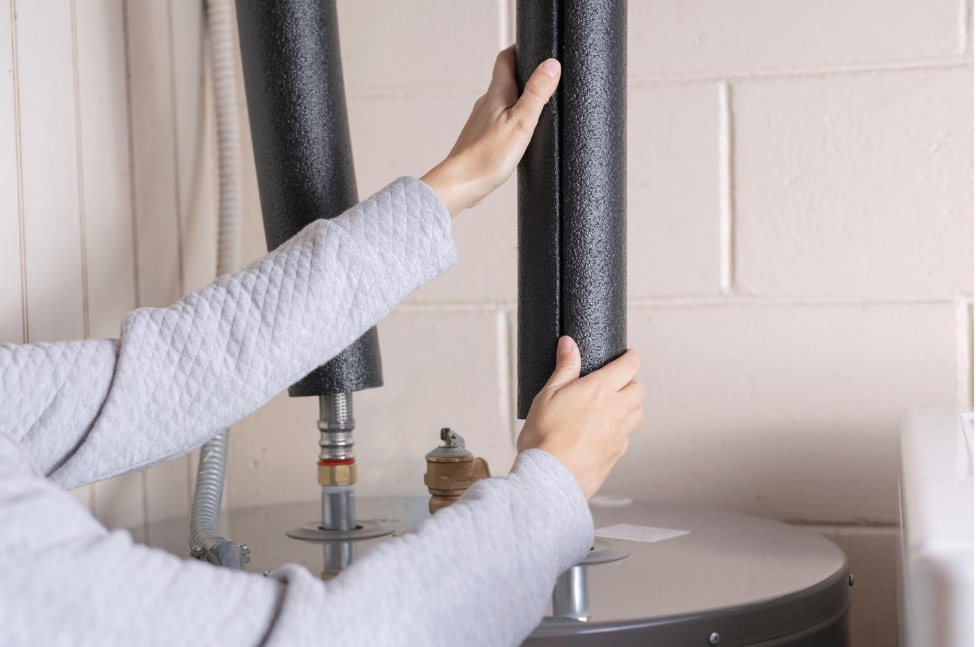
- Insulate the first six feet of hot and cold pipes.
- Wrap the tank with a manufacturer-approved blanket.
- Reduce standby loss by fixing drafts near the unit.
- Use low-flow fixtures to lower hot water demand.
DOE guidance highlights matching capacity to household demand to avoid frequent recovery cycles that waste energy. Have a professional confirm tank size and recovery rate align with your typical usage patterns. A technician can measure inlet and outlet temperatures and calculate recovery time to recommend upgrades or behavior changes. This targeted approach prevents oversizing or undersizing that increases energy cost.
Another DOE tip is routine maintenance to preserve efficiency over time and reduce standby losses. Flushing sediment and checking the anode extend tank life and maintain heat transfer efficiency. A plumber will document tank temperatures and sediment levels during a visit to justify repairs or replacement. Keep those service records to track efficiency trends and plan eventual equipment replacement.
Smart daily habits also cut waste according to the DOE, like grouping laundry loads and using cooler rinse cycles. Timed scheduling of showers when heating demand is lower can smooth peak loads and reduce cycling. Installing a heat trap or verifying existing ones helps prevent thermosiphoning that causes heat loss. For homeowners in Florence, SC these small changes can make measurable differences across winter months.
If you expect to replace a heater, consider high-efficiency models and discuss ENERGY STAR guidance with your technician. A professional will compare recovery rates, standby losses, and estimated annual energy use to advise on options. Request a written estimate that includes expected energy savings and payback time for clarity. Homeowners in Hartsville, SC benefit from these comparisons when planning an upgrade during the colder season.
Preparing Outdoor and Garage Water Heater Units
Outdoor and garage water heater units need a weather-focused inspection to reduce freeze and venting risks before cold weather arrives. Check that vent caps and combustion air openings stay clear of debris and nesting material that block airflow. Inspect the electrical junction box cover for secure seals and signs of moisture intrusion that can cause shorts. If insulation around pipes is brittle or missing, plan to replace it with outdoor-rated materials to prevent heat loss.
Locate the drain pan and confirm a clear drain line or secondary drain path to avoid water damage if a leak develops. Test the drain valve for smooth operation by briefly opening it and watching flow, replace it if it sticks or leaks afterward. Examine the temperature-pressure relief valve discharge pipe for tight fittings and correct slope to a safe drain location. A professional can measure pressure at the outlet and confirm the valve lifts at the specified set point when performance is uncertain.
Protect exposed gas piping and fittings in unheated spaces by checking for frosting or condensation that signals freezing risk during temperature swings. For electric units, inspect the breaker and wiring for tight connections and signs of overheating such as discoloration or melted insulation. Technicians use a voltage reading and continuity test to confirm safe electrical operation and check element resistance when homeowners see heating issues. In Florence, SC, households should note any persistent moisture or frost and call a technician promptly.
Consider a weatherproof enclosure or heated box for units installed outdoors, ensuring combustion air and venting remain unobstructed when adding modifications. A plumber will assess clearances, measure flue draft on gas models, and recommend code-compliant fixes if venting changes are needed. This is also why seasonal plumbing inspections protect home systems yearly, especially before colder weather puts exposed plumbing and equipment under added stress. In Hartsville, SC, properties with unheated garages, schedule a pre-winter professional inspection to verify safe operation and reduce emergency calls during South Carolina cold snaps.

 Your Privacy Choices