Key Takeaways About Cold Weather Plumbing Risks
Cold weather plumbing risks covers how freezing temperatures can damage pipes fittings and water heaters. This summary is for homeowners and property managers who need quick actions before or during freezing weather.
- Identify freezing signs such as frost bulges and sudden pressure loss.
- Prevent outdoor faucet failure by draining and insulating supply lines.
- Avoid burst pipes by locating and exercising shutoff valves regularly.
- Spot hidden leaks with moisture odors damp drywall and night dripping.
- Reduce water heater strain by insulating inlet piping and scheduling flushes.
- Plan professional inspections when valves show stiffness or visible corrosion.
Introduction
Cold weather plumbing risks become real when temperatures drop and pipes are exposed to freezing conditions. Home plumbing can suffer sudden failures like burst supply lines and damaged outdoor faucets. These failures often show up as slow drips, strange sounds in walls, or sudden loss of water pressure. For homeowners, the result can mean water damage, costly repairs, and disrupted daily routines.
Frozen pipes form when standing water inside supply lines turns to ice and expands against pipe walls. Outdoor faucets and hose bibs face cracking or broken shutoff valves when left exposed. Water heaters also struggle when cold intake water makes burners work harder and components wear faster. Recognizing these problems early reduces the chance of emergency repairs and interior flooding.
Homeowners in Florence, SC often notice cold-weather plumbing problems when heating cycles change and basements feel colder than usual. A late-night loud bang or sudden wet spot behind a baseboard usually signals a failed pipe or joint. In some homes, repeated small leaks lead to mold growth or warped flooring over weeks. Acting before small issues become large helps protect both structure and possessions.
Property managers and longtime residents in Little Rock , SC report similar risks in older systems with minimal insulation and exposed exterior lines. Visible frost on pipes and water that takes longer to warm at taps are common warning signs. A professional can inspect shutoff valves, supply lines, and the water heater to confirm vulnerabilities. When safety or complex repairs are involved, contact a licensed plumber rather than attempting risky fixes yourself.
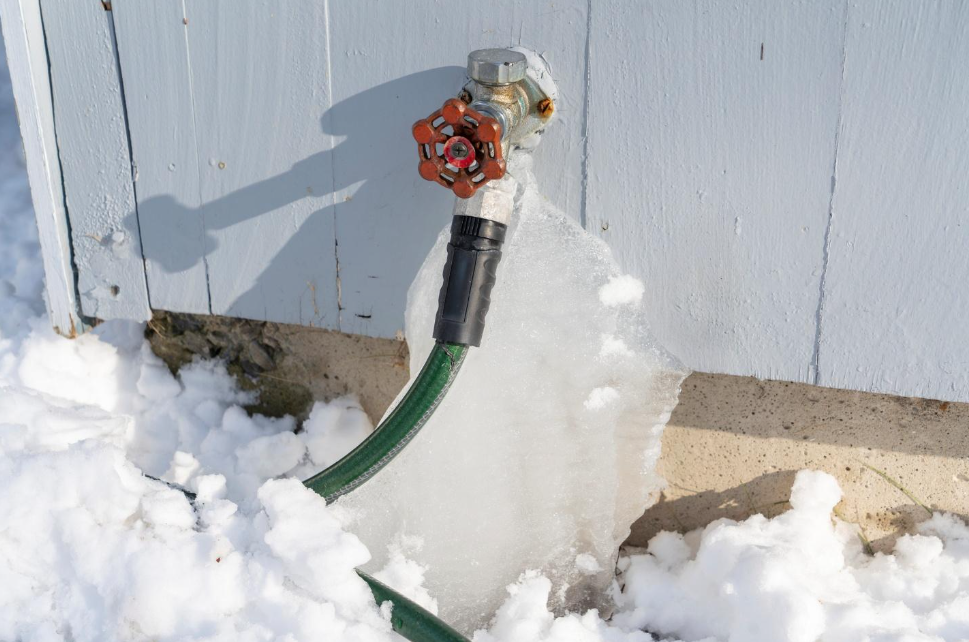
Photo from iStock - Credit: xphotoz
How Freezing Temperatures Affect Pipe Systems
How freezing temperatures affect pipe systems means water expands as it freezes and increases pressure inside pipes, causing cracks or bursts. Pipes with standing water freeze from the outside in, trapping liquid between ice plugs and closed valves. A common homeowner question is whether a partially frozen pipe will burst, and the short answer is yes when pressure builds behind ice. Professionals look for bulging pipe sections and small leaks that indicate internal cracking before a full rupture.
- Metal pipes conduct cold faster than plastic pipes.
- Heat loss near exterior walls raises freeze risk.
- Closed cabinets reduce warm air reaching supply lines.
- Long, horizontal runs freeze faster than short vertical runs.
Ice formation also damages fittings, solder joints, and shutoff valves by forcing joints apart with expanding ice. A homeowner may hear creaks or a loud pop when a frozen section splits, followed by sudden wetness once the ice melts. To confirm freeze damage, a professional will inspect the shutoff valve, feel pipe temperatures, and use a pressure gauge to check for drops. Technicians may also perform a dye test or visual inspection at accessible joints to locate hairline leaks.
Cold exposure harms water heaters when intake water is much colder than normal, which forces burners and elements to run longer and increases wear. Sediment in tanks can compact in cold cycles and reduce heat transfer efficiency, causing longer recovery times after heavy use. Pipes in unheated crawl spaces often show the first signs of freezing stress. If you suspect damage or observe low pressure, contact a licensed plumber to diagnose and recommend repairs.
Common Causes of Frozen Pipes and Leaks
Pipes freeze and leak for several common reasons that go beyond simply low air temperature. Poor or missing pipe insulation lets cold air contact the pipe surface, speeding ice formation and stressing soldered joints and shutoff valves. Long runs through unheated spaces increase the chance of pockets where water can sit and freeze, especially in horizontal sections. A professional will look for exposed supply lines and cold spots when evaluating vulnerability.
Trapped water between closed valves or fittings can also freeze, creating pressure that damages nearby pipe sections. Metal framing and exterior materials may transfer cold temperatures to nearby plumbing, increasing the risk of freezing. Older metal pipes with corrosion are more vulnerable because their weakened walls may crack under pressure. These risks show why seasonal plumbing inspections protect home systems yearly by helping identify vulnerable pipes, deteriorating fittings, and other potential problems before temperatures drop.
Outdoor faucet and hose bib backflow or failed interior shutoffs also lead to freeze damage inside walls and cabinets. A leaky or partially closed shutoff can trap water in a section, then allow ice to form unnoticed until a thaw triggers a leak. Homeowners sometimes notice frost on the exterior wall or a cold draft near the fixture before visible water appears.
Improperly set or failing heat sources in crawl spaces and basements increase freeze risk and hidden leaks at joints. HVAC setbacks that drop indoor temps overnight can let supply lines cool enough to freeze when they run near exterior walls. In a common situation, a homeowner reports reduced flow at a sink and a faint creak in the wall, a plumber would check the shutoff valve, use an infrared camera to spot cold sections, and confirm pressure loss with a gauge.
Signs Your Home Has Cold Weather Plumbing Risks
Look for uneven water temperature at multiple taps, which can signal restricted flow from partially frozen supply lines. A gradual drop in hot water recovery time often points to a stressed water heater rather than normal use. Listen for faint ticking or popping in walls when heat cycles begin, as trapped ice or shifting pipes produce these sounds. If you notice repeated low pressure at several fixtures, note the timing and contact a professional for diagnosis.
Visible frost or condensation on exposed pipes, especially in basements or crawl spaces, indicates increased freeze risk at those locations. Check accessible shutoff valves for stiffness or damage, since stuck valves can trap water and promote ice plugs. A professional will use a pressure gauge and a visual inspection to confirm whether valves hold pressure under load. Documenting where frost appears helps technicians plan targeted insulation or valve replacement.
Watch for slow leaks that start after a thaw, small weeps at joints often mean hairline cracks from prior freezing. Discolored drywall or a musty smell near baseboards can signal slow, hidden leaks requiring immediate attention. Technicians may perform a dye test or use infrared camera scans to locate cold spots and moisture behind walls. For homeowners in Florence, SC these signs often precede larger failures and merit timely inspection.
Outdoor fixtures that feel loose or show small cracks are precursors to freeze damage and interior leaks when temperatures fall. Hose bibs that leak at the packing nut or continue to drip after winterizing need a plumber to check the interior shutoff valve. In a common situation, a property manager in Little Rock , SC reports a faint water sound at night, prompting a plumber to test line pressure and inspect the shutoff and exposed runs. Early diagnosis reduces the chance of a sudden burst and larger water damage.
Outdoor Faucet and Hose Bib Damage Prevention
Protecting outdoor faucets and hose bibs starts with shutting off and draining their supply lines before freezing nights arrive. Close the interior shutoff valve that serves the exterior fixture, then open the outdoor spigot to release remaining water. Leave the spigot open slightly during cold snaps if the line cannot be fully drained, which relieves pressure from trapped ice. If the interior shutoff sticks or leaks, have a plumber replace or repair it promptly to prevent hidden freeze damage.
- Insulate exposed spigot pipes with foam covers.
- Disconnect and store garden hoses indoors.
- Use an insulated faucet cover for added protection.
- Check packing nuts for tightness before freeze season.
Insulation and simple covers cut heat loss around hose bibs and reduce ice formation inside wall cavities. Apply foam pipe insulation to short exposed runs and use a rigid cover over the faucet body for wind protection. For older installations, consider installing a frost-free sillcock that places the shutoff inside the heated wall cavity. A technician can inspect the sillcock clearance and confirm the outlet angle and valve operation during an on-site check.
Diagnosing a damaged outdoor faucet begins with visible inspection for cracks, frozen buildup, or dampness near the wall. A professional will operate the interior shutoff, open the spigot, and use a pressure gauge to check for drops indicating a hidden leak. They may also use an infrared camera to spot cold spots inside the wall or a dye test at joints to find slow weeps. Homeowners in Florence, SC who hear night-time dripping should document timing and call a plumber to avoid interior water damage.
If the exterior valve is corroded, leaking, or broken, replacement prevents larger failures and interior flooding during warm-up cycles. Technicians will recommend replacing corroded packing, the sillcock, or the interior shutoff depending on findings from the inspection and pressure test. For rental properties or larger buildings, managers in Little Rock , SC should schedule winter checks to avoid tenant disruptions. When repairs require wall access or valve replacement, hire a licensed plumber rather than attempting risky DIY fixes.
Water Heater Failures in Cold Weather Explained
Cold weather can stress water heaters by causing longer recovery times and more frequent burner or element cycling. Colder inlet water forces the thermostat and heating elements to run longer, raising wear on components and shortening expected service life. Sediment at the tank bottom becomes less efficient at transferring heat when heaters work harder, which increases fuel or electricity use. If you notice long waits for hot water, a professional inspection can determine if the tank or controls are failing.
Hidden cold exposure can freeze or stress tank fittings, relief valves, and connected supply lines leading to slow leaks or sudden failures. A plumber will check the temperature-pressure relief valve, shutoff valve, and inlet piping for stiffness, corrosion, or moisture. They often use a pressure gauge and visual inspection to confirm whether a valve holds pressure and a moisture meter or infrared camera to find concealed damp spots. Documented readings and photos help homeowners decide whether repair or replacement is the safer choice.
Gas and electric units show different warning signs before failure during cold snaps, such as pilot outage, sputtering burner, or tripping breakers. Professionals diagnose gas issues by checking the pilot assembly, gas supply valve, and combustion venting, while electric units require element resistance checks and a voltage reading at the control. For example, a homeowner reports lukewarm water and a clicking relay, a technician would inspect the thermostat, measure element continuity, and record voltage at the disconnect. Those diagnostic steps confirm whether parts need replacement or simple adjustment.
Preventive maintenance can help reduce the risk of winter water heater failures and extend the life of the unit and its connected plumbing components. Our guide on water heater maintenance before cooler weather arrives offers useful tips for preparing your system for seasonal temperature changes. Key steps include insulating inlet and outlet pipes, checking the drain pan and overflow for blockages, and scheduling a tank flush to remove sediment buildup. For property owners in Florence, SC, and managers in Little Rock, SC, scheduling an inspection before freezing temperatures arrive can help identify potential problems early. If your water heater shows signs of failure, contact a licensed plumber for a professional assessment and recommendations for repair or replacement.
Simple DIY Steps to Prevent Winter Pipe Bursts
Start by locating and labeling all interior shutoff valves for exterior fixtures and main supply lines so you can act quickly during a freeze. Turn each valve off and open the corresponding tap briefly to drain trapped water, which lowers pressure and reduces burst risk. Check valve operation, stiff or leaking shutoffs often need replacement before winter to prevent hidden ice plugs. If a valve resists movement or shows moisture, schedule a professional inspection to avoid unsafe DIY repairs.
Insulate accessible pipes with foam sleeves and heat tape where practical, focusing on lines that run along unheated walls or through crawl spaces. Apply insulation snugly around supply lines and secure it with tape or zip ties to maintain coverage under shifting temperatures. For electrical heat tape, follow manufacturer instructions and test with a voltage reading before leaving it unattended for long periods. When in doubt about wiring or safe installation, hire a licensed electrician or plumber for installation checks.
Keep a slow trickle of water at faucets during prolonged cold snaps to relieve pressure caused by partial freezing in supply lines inside exterior walls. Use the cold water tap farthest from the main supply to maintain flow while minimizing hot water waste and heater cycling. Monitor water meter readings for unexpected flow that indicates hidden leaks after a thaw, and record readings to help a professional identify problem zones.
Seal gaps where cold air reaches pipes, such as around utility penetrations and behind cabinets, using caulk or foam sealant to limit drafts and slow pipe cooling. Open cabinet doors occasionally on very cold days to let warm room air reach sink supply lines that sit against exterior walls. Keep thermostat setbacks moderate at night to prevent indoor drops that increase freeze risk for pipes near outside walls. Homeowners should include these simple checks in a seasonal checklist to lower winter plumbing risks efficiently.
When to Call a Professional Plumber for Repairs
If a pipe has visible splitting, steady water flow, or a sudden loss of pressure, call a professional promptly to avoid major damage. Describe observed sounds, timings, and which fixtures lost service when you contact the plumber. A technician will need that information to prioritize an emergency response and bring correct replacement parts. For homes in Florence, SC, noting when the problem began helps plan temporary shutoffs and containment steps during colder hours.
- Active leaking that soaks materials needs immediate attention.
- Loss of hot water across multiple fixtures signals heater failure.
- Frost visible on exposed piping suggests high freeze risk.
- Stiff or broken shutoff valves require trained replacement.
- Night-time dripping with pressure loss should be evaluated.
If you find a frozen section that later shows dampness or a bulge, a plumber will inspect and test the run for hidden cracks. They will isolate the circuit at the shutoff, use a pressure gauge, and perform a visual check at accessible fittings. Technicians may use an infrared camera to spot cold spots and a moisture meter to find concealed wet areas behind finishes. Those diagnostics produce a written report or photo evidence to guide repair decisions.
Call a plumber rather than attempting risky thawing when fire or electrical hazards exist near pipes or the water heater. Professionals can safely restore service, replace failed components like a PRV or shutoff, and advise about insulation or rerouting to reduce future cold weather plumbing risks. Property managers in Little Rock , SC should schedule repairs promptly to limit tenant disruption and document actions for maintenance records. When safety is a concern, always contact a licensed professional for on-site diagnosis and repair planning.
Emergency Actions for Active Plumbing Failures
Shut off the main water valve immediately if you see active flooding, then turn off electricity at the breaker panel to avoid electrocution near standing water. Contain flowing water with towels and buckets and move valuables to higher ground while awaiting professional help. Photograph the damage and note when the failure began to support insurance and technician diagnostics.
If a hot water heater leaks, close its dedicated shutoff and drain the tank to a safe floor drain to limit damage and pressure buildup. Do not light gas appliances if you smell gas, instead, leave the property and call emergency services before contacting a plumber. Technicians will check the TPR valve, inlet and outlet connections, and the relief pan during diagnosis to confirm the leak source. Avoid using appliances tied to the affected plumbing until a professional clears the system.
For suspected frozen sections that already show wetness, isolate the affected circuit at nearby shutoffs and watch for signs of ongoing seepage to prevent hidden spread. A plumber will perform pressure testing and use an infrared camera along the run to locate hairline fractures and trapped moisture behind finishes. Temporary repairs, like clamping or pipe sleeves, may stop active leaks until full replacement can occur safely. In rental properties or managed buildings, notify tenants and document actions for maintenance records in Little Rock , SC.
If you must attempt a controlled thaw, apply a room-safe heat source such as a hair dryer while keeping flame-based tools away from insulation and finishes. Monitor wall surfaces and ceilings for new wet spots during thawing and stop if you detect bulging drywall or sharp drops in pressure. Professionals confirm restoration by measuring line pressure, testing shutoffs, and reporting moisture readings or photos in a written inspection. Contact a licensed plumber in Florence, SC immediately when repairs exceed simple temporary measures to ensure lasting safety.

 Your Privacy Choices