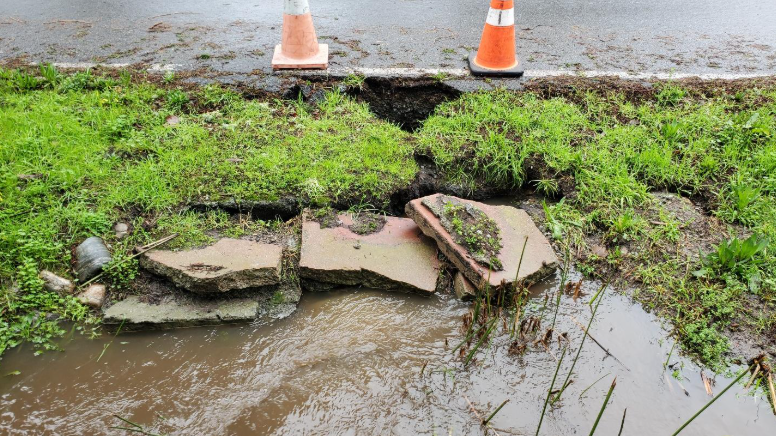
Storm water damage can threaten foundations, plumbing systems, and property value. Learn proven prevention strategies for Greeleyville homeowners and keep your home protected during severe weather.
Introduction
Storm water damage can threaten homes in Greeleyville when heavy rainfall overwhelms drainage systems. Many homeowners do not notice developing water issues until visible problems appear. Severe weather can place significant stress on foundations, plumbing systems, and surrounding landscapes. Understanding storm water damage is the first step toward protecting your property.
Greeleyville experiences periods of intense rainfall that can create excess runoff around residential properties. Water naturally follows the path of least resistance during storms. As a result, poorly drained areas often collect water near homes. These conditions can increase the likelihood of moisture-related problems over time.
Homeowners who take preventive action often avoid larger repairs later. Regular property evaluations can reveal drainage concerns before they become serious. Early attention also helps preserve structural integrity and indoor comfort. Furthermore, proactive planning supports long-term home protection during changing weather conditions.
This guide explains common storm water risks and practical prevention strategies. Readers will learn how drainage systems influence property protection. The article also covers warning signs that should never be ignored. By understanding these factors, homeowners can better reduce the risk of storm water damage.
Why Storm Water Damage Is Common in Greeleyville
Greeleyville homeowners often face challenges related to heavy rainfall and excess surface water. Storms can produce large amounts of runoff within a short period. When the ground becomes saturated, water has fewer places to go. Consequently, nearby homes may experience increased exposure to moisture problems.
Local weather patterns can contribute to recurring drainage concerns throughout the year. Seasonal storms often bring prolonged periods of rain. During these events, drainage systems may struggle to handle excess water effectively. As a result, water can collect near foundations and low-lying areas.
Properties with limited drainage capacity face greater risks during severe weather. Even minor drainage issues can become significant during a major storm. Water accumulation may affect landscaping, foundations, and plumbing systems. Therefore, identifying vulnerabilities before storm season is essential.
Similar conditions can also affect homeowners in Woodland Park, SC. Both communities experience weather events that can place added stress on residential properties. Understanding local storm water risks helps homeowners make informed decisions. Awareness and preparation remain important tools for long-term property protection.
Common Causes of Storm Water Damage Around Homes
Storm water issues often develop from conditions that prevent water from draining properly. While severe weather contributes to the problem, property-specific factors frequently increase the risk. Understanding these causes helps homeowners identify potential vulnerabilities before significant damage occurs. Early awareness can support more effective prevention efforts.
Main Causes of Storm Water Damage
- Poor yard grading that directs water toward the home.
- Clogged gutters and downspouts that prevent proper runoff.
- Blocked or damaged drainage systems.
- Cracked or deteriorating sewer lines.
- Low-lying areas where water naturally collects.
- Foundation cracks that allow water intrusion.
- Compacted soil that limits water absorption.
- Aging plumbing infrastructure affected by heavy rainfall.
Poor grading is one of the most common contributors to water accumulation. When the landscape slopes toward a structure, runoff often gathers near the foundation. Over time, repeated exposure to moisture can increase structural concerns. Proper water flow management helps reduce these risks.
Drainage and plumbing issues can also play a major role during storms. Blockages, damaged pipes, and aging systems may struggle to handle excess water. As rainfall increases, these weaknesses become more noticeable. Routine inspections can help identify concerns before severe weather arrives.
Storm Water Damage Warning Signs Every Homeowner Should Know
Storm-related water problems often begin with subtle warning signs. Many homeowners overlook these indicators until more serious issues develop. Recognizing early symptoms can help prevent extensive property damage. Quick action often reduces the impact of future storms.
Common Warning Signs to Watch For
- Standing water near the foundation after rainfall.
- Pooling water in low areas of the yard.
- Slow-draining sinks, tubs, or floor drains.
- Unpleasant odors coming from drains.
- Damp crawl spaces or basements.
- Water stains on walls, floors, or ceilings.
- Cracks in the foundation or exterior walls.
- Soggy soil that remains wet long after rain ends.
Standing water is one of the clearest signs of a drainage problem. Water should move away from the home rather than collect around it. Persistent pooling can place pressure on foundations and increase moisture intrusion risks. Monitoring these areas after storms can reveal developing concerns.
Plumbing-related symptoms may also indicate storm water issues. Slow drainage, recurring backups, and unusual odors can signal stress within the drainage system. Homeowners should pay close attention after periods of heavy rainfall. Early identification allows problems to be addressed before they become larger and more costly.
How Proper Drainage Helps Prevent Storm Water Damage
Proper drainage is one of the most effective defenses against storm water damage. A well-designed drainage system directs excess water away from vulnerable areas. This reduces the risk of foundation problems, plumbing issues, and landscape erosion. As a result, homeowners can better protect their properties during severe weather.
Benefits of Effective Property Drainage
- Moves water away from the foundation.
- Reduces standing water around the home.
- Helps prevent soil erosion.
- Minimizes moisture intrusion risks.
- Supports the performance of plumbing and drainage systems.
- Protects landscaping from excessive runoff.
- Reduces pressure on foundations and crawl spaces.
- Improves overall property resilience during storms.
When water flows away from a structure properly, the foundation remains better protected. Excess moisture around a foundation can lead to shifting soil and structural stress. Over time, these conditions may create costly repair concerns. Consistent drainage management helps limit long-term risks.
Professional drainage evaluations can identify areas where water may collect or flow improperly. Experts assess grading, drainage pathways, and related plumbing components. They can recommend solutions that improve water movement across the property. These improvements help homeowners prepare for future storms with greater confidence.
Professional Plumbing Services Help Prevent Storm Water Damage
Storm water damage often begins with hidden plumbing and drainage issues that develop over time. Many homeowners focus on visible water accumulation while overlooking problems beneath the surface. Sewer lines, drains, and underground plumbing systems all play important roles in managing excess water. Professional evaluations can help identify weaknesses before severe weather exposes them.
Sewer line inspections are especially valuable when preparing for periods of heavy rainfall. Damaged, cracked, or aging sewer lines may struggle to handle increased water flow during storms. These conditions can contribute to slow drains, backups, and moisture-related concerns around the property. Regular inspections help detect potential problems before they lead to larger repairs.
Drain cleaning is another important component of storm preparedness. Debris, sediment, and buildup can restrict water movement through drainage systems over time. When heavy rainfall occurs, partially blocked drains may become overwhelmed more quickly. Keeping drains clear supports efficient water flow and reduces the risk of storm-related plumbing issues.
Professional plumbing inspections can also uncover foundation-related plumbing concerns that may increase the risk of storm water damage. Leaks beneath the home, damaged pipes, or poor drainage near the foundation can contribute to moisture intrusion and structural stress. In addition, customized drainage solutions can help direct water away from vulnerable areas and improve overall property protection. Together, sewer line inspections, drain cleaning, plumbing inspections, and targeted drainage solutions provide a stronger defense against storm water damage throughout the year.
Protecting Your Plumbing System During Heavy Rainfall
Heavy rainfall can place significant stress on residential plumbing systems. Large volumes of water entering drainage networks may overwhelm aging or damaged components. When this happens, homeowners can experience slow drains, backups, and other plumbing concerns. Understanding these risks helps support better storm preparedness.
Ways Heavy Rainfall Can Affect Plumbing
- Overloaded sewer and drainage systems.
- Increased risk of sewer backups.
- Slow-draining sinks, tubs, and floor drains.
- Additional pressure on underground pipes.
- Water intrusion through damaged plumbing connections.
- Greater strain on older sewer lines.
- Hidden leaks becoming more noticeable.
- Drainage system failures during severe storms.
One concern homeowners should understand is that South Carolina rainstorms trigger sewer line problems. Excess rainfall can increase pressure within municipal and residential drainage systems. As water levels rise, existing weaknesses in sewer lines may become more apparent. Regular inspections can help identify potential issues before severe weather arrives.
Preventive maintenance plays an important role in protecting plumbing infrastructure. Professional evaluations can uncover hidden damage, blockages, and areas of concern. Addressing these problems early often reduces the likelihood of unexpected failures. In many cases, homeowners can avoid the need for emergency plumbing services by taking proactive steps before storm season begins.
The Importance of Gutter and Downspout Maintenance
Gutters and downspouts play a vital role in protecting homes from excess rainwater. These systems collect runoff from the roof and direct it away from the property. When they function properly, they help reduce the risk of water accumulating near the foundation. This protection becomes especially important during periods of heavy rainfall in Greeleyville.
Leaves, twigs, and other debris can gradually restrict water flow through gutters. As blockages develop, rainwater may overflow and spill directly beside the home. Over time, this repeated exposure can contribute to erosion and moisture-related concerns. Regular maintenance helps keep water moving in the intended direction.
Downspouts are equally important because they carry water away from the structure. If they discharge water too close to the foundation, problems can develop despite clean gutters. Proper placement supports effective drainage throughout the property. Consequently, homeowners should periodically inspect downspouts for damage and positioning issues.
Routine gutter and downspout maintenance supports a broader storm preparation strategy. Small issues are often easier to address before severe weather arrives. Consistent inspections can help identify wear, leaks, or developing blockages. By maintaining these systems, homeowners can strengthen their defense against storm water damage.
Storm Water Damage Prevention Through Foundation Protection
A home's foundation serves as the base of its structural stability. When excess water collects around the foundation, it can create pressure against walls and supporting materials. Repeated exposure to moisture may increase the risk of cracks and water intrusion. Protecting the foundation is therefore an important part of preventing storm-related property damage.
Water naturally seeks low areas during and after heavy rainfall. If drainage systems fail to move runoff away efficiently, moisture can remain concentrated around the home's perimeter. Saturated soil expands and contracts over time, which may place additional stress on the foundation. These conditions can gradually contribute to structural concerns.
Property maintenance plays a significant role in foundation protection. Homeowners should pay attention to drainage patterns, soil conditions, and areas where water tends to collect. Landscaping can also influence how effectively water moves away from the structure. Managing these factors helps reduce unnecessary moisture exposure.
Preventive measures are often more effective than addressing damage after it occurs. Regular inspections can reveal warning signs before they become major issues. Professionals can evaluate foundation conditions alongside drainage performance to identify potential risks. This proactive approach helps homeowners better protect their properties from storm water damage.
When Professional Inspections Can Prevent Major Water Issues
Many storm-related water problems develop gradually and remain hidden from view. Homeowners may not notice drainage deficiencies, pipe damage, or foundation concerns until symptoms become obvious. By that point, repairs can become more extensive and disruptive. Professional inspections help identify potential issues before they escalate.
Experienced plumbing professionals understand how heavy rainfall affects residential drainage systems. They can evaluate areas where water commonly collects and assess whether drainage components are functioning properly. Inspections often reveal concerns that are difficult to detect during routine property maintenance. Early detection provides homeowners with more opportunities to address vulnerabilities.
Regular evaluations are particularly valuable before periods of increased rainfall. A thorough assessment can uncover developing sewer line issues, drainage restrictions, and signs of excess moisture exposure. Addressing these concerns in advance helps reduce the likelihood of unexpected problems during severe weather. Preventive action also supports the long-term health of the home's plumbing infrastructure.
Professional inspections offer peace of mind by providing a clearer understanding of a property's condition. Rather than reacting to water damage after it occurs, homeowners can take informed steps to reduce risk. This proactive approach helps protect foundations, plumbing systems, and surrounding landscapes. As a result, homes are often better prepared to withstand future storms.

Photo from iStock - Credit: PeopleImages
Effective Solutions for Managing Excess Storm Water
Managing excess storm water requires a combination of planning, maintenance, and professional guidance. Every property has unique drainage characteristics that influence how water moves during heavy rainfall. Understanding these conditions helps homeowners choose solutions that address specific concerns. The goal is to direct water away from vulnerable areas before problems develop.
The U.S. Environmental Protection Agency highlights the importance of controlling stormwater runoff to reduce flooding, erosion, and water-related property damage. According to the EPA's Sources and Solutions: Stormwater guidance, effective water management begins by limiting runoff and improving drainage where water tends to accumulate. These principles can help homeowners better protect their properties during severe weather. They also support long-term property resilience.
Effective storm water management often begins with improving drainage performance. Water should flow away from the home rather than collect near the foundation or other structures. Properties with recurring pooling issues may benefit from drainage improvements designed to support more efficient runoff. These measures can help reduce the risk of moisture intrusion and soil erosion.
The most effective solutions are tailored to the specific needs of the property. Professional assessments can identify areas where water management can be improved. Recommendations are based on drainage patterns, soil conditions, and infrastructure performance. By implementing targeted strategies, homeowners can better protect their homes from storm water damage during future storms.
Why Local Expertise Matters for Storm Water Damage Prevention
Storm water challenges can vary significantly from one community to another. Factors such as local rainfall patterns, soil conditions, and drainage infrastructure all influence how water affects residential properties. Professionals familiar with the Greeleyville area understand these regional factors and how they impact homeowners. This knowledge helps support more accurate assessments and recommendations.
Local experience provides valuable insight into common drainage and plumbing concerns. Professionals who regularly work in the area often recognize patterns that may not be obvious during a general inspection. They understand how severe weather can affect nearby neighborhoods and the types of issues that frequently develop after heavy rainfall. As a result, they can identify potential risks more effectively.
Homeowners also benefit from solutions that are tailored to local conditions. What works well in one region may not be the best approach for another. By considering local environmental factors, plumbing professionals can recommend strategies that better address the property's specific needs. This customized approach often leads to more reliable long-term results.
Working with a trusted local provider also supports confidence throughout the prevention process. Homeowners can rely on professional guidance that reflects real-world experience in the community. Combined with routine inspections and proper maintenance, local expertise can play an important role in reducing the risk of storm water damage. These efforts help protect homes before severe weather creates larger problems.
Protect Your Home from Storm Water Damage Year-Round
Storm water damage can create serious challenges for homeowners when excess water is not managed properly. Heavy rainfall, drainage issues, and plumbing vulnerabilities can all contribute to property damage over time. Understanding these risks allows homeowners to take proactive steps before severe weather arrives. Prevention remains one of the most effective ways to safeguard a home.
Throughout this guide, we explored common causes of storm water damage, warning signs to watch for, and the importance of proper drainage. We also discussed how foundation protection, plumbing maintenance, and professional inspections can reduce the likelihood of costly water-related problems. Each of these strategies plays a role in supporting long-term property protection. Together, they help create a stronger defense against severe weather.
Homeowners in Greeleyville and nearby Woodland Park can benefit from staying prepared throughout the year. Regular maintenance and timely evaluations help identify concerns before they become larger issues. Addressing vulnerabilities early often reduces the impact of future storms. A proactive approach can help preserve both the home's structure and its plumbing system.
If you want to reduce the risk of storm water damage and protect your property from future weather events, professional guidance can make a significant difference. Contact Benjamin Franklin Plumbing of Florence, SC to schedule a comprehensive plumbing and drainage evaluation. Experienced professionals can identify hidden vulnerabilities and recommend solutions tailored to your property's needs. Taking action before the next major storm can help protect your home from costly water damage.

 Your Privacy Choices