Learn how South Carolina rainstorms contribute to sewer line problems in Winona and Florence, SC. Discover warning signs, common causes, prevention tips, and when homeowners should call a professional plumber.
Heavy rainstorms across South Carolina often place tremendous strain on residential plumbing systems. In cities like Florence, SC and Winona, SC, excess rainfall can overwhelm aging sewer lines and trigger unexpected plumbing issues. As groundwater rises, damaged pipes become vulnerable to leaks, backups, and blockages. Understanding the causes of sewer line problems helps homeowners recognize warning signs early and protect their homes from costly damage.
How Heavy Rainfall Causes Sewer Line Problems in South Carolina
South Carolina receives heavy rainfall throughout much of the year, especially during hurricane season and strong summer storms. Excess rainwater places significant pressure on residential and municipal sewer systems. As the ground becomes saturated, underground pipes struggle to manage the increased water volume. Consequently, sewer line problems become more common after prolonged storms.
Older sewer lines often contain small cracks, loose joints, or weakened pipe sections. During heavy rain, groundwater seeps into these damaged areas and overwhelms the plumbing system. This additional water flow reduces the sewer line’s ability to carry wastewater properly. As a result, homeowners may experience backups, slow drains, or unpleasant odors indoors.
In Florence, SC and Winona, SC, aging infrastructure can increase the risk of plumbing failures during severe weather events. Many homes rely on older sewer systems that were not designed for modern water demands. Heavy storms can also shift soil around underground pipes, causing misalignment or pipe damage. Therefore, even minor weaknesses may quickly develop into serious sewer line problems.
Understanding how rainfall affects underground plumbing helps homeowners take preventive action before major issues appear. Routine inspections and timely maintenance can help identify vulnerable sewer lines early. Additionally, addressing small plumbing concerns before storm season may reduce costly repairs later. Staying proactive remains one of the best ways to protect residential plumbing systems from severe weather damage.
Common Sewer Line Problems After South Carolina Storms
Heavy rainstorms across South Carolina often place tremendous strain on residential sewer systems. In areas like Florence, SC and Winona, SC, excessive rainfall can overwhelm aging underground pipes and trigger unexpected plumbing issues. Saturated soil, rising groundwater, and storm debris all contribute to sewer line issues after severe weather. Understanding these common issues helps homeowners recognize warning signs early and protect their plumbing systems more effectively.
- Sewer Backups
Heavy rainfall can overwhelm municipal sewer systems and force wastewater back into household drains. Homeowners may notice water backing up into sinks, showers, or toilets after strong storms. These backups often create unpleasant odors and unsanitary conditions inside the home. Quick professional service helps reduce damage and restore proper drainage safely. - Clogged Sewer Lines
Stormwater can carry mud, grease, and outdoor debris into underground sewer pipes. As debris accumulates, wastewater struggles to move through the plumbing system properly. Slow drains and repeated clogs usually signal developing sewer line problems underground. Routine maintenance can help prevent severe blockages and costly plumbing repairs. - Cracked or Broken Pipes
Excess rainfall saturates the soil surrounding underground sewer lines and increases pressure on weakened pipes. Older plumbing systems may crack, separate, or collapse during prolonged storms. Damaged pipes allow groundwater to enter the sewer system and reduce drainage efficiency. Professional inspections help identify hidden pipe damage before conditions worsen. - Tree Root Intrusion
Wet weather encourages tree roots to search for moisture near sewer lines underground. Small cracks or loose pipe joints create easy access points for invading roots. Once roots enter the pipe, they continue growing and restrict wastewater flow. This issue commonly causes recurring backups and long-term sewer line problems. - Pipe Misalignment
Heavy storms can erode soil around underground plumbing and shift sewer pipes out of alignment. Misaligned pipes interrupt wastewater flow and increase the risk of leaks or blockages. Homes in low-lying areas may face greater plumbing risks after major rainfall events. Early inspections help detect underground movement before major sewer damage develops.
South Carolina storms can create serious plumbing concerns when sewer systems become overwhelmed by excessive rainwater. Ignoring early warning signs may allow minor sewer line problems to grow into expensive repairs later. Regular inspections and preventive maintenance help homeowners protect their plumbing systems year-round.
Warning Signs Your Sewer Line May Be Failing
Sewer line problems often begin with subtle warning signs that become more noticeable after heavy South Carolina rainstorms. Excess groundwater and saturated soil place added stress on underground plumbing systems in Florence, SC and Winona, SC. When sewer lines become damaged or blocked, homeowners may experience several plumbing issues throughout the property. Identifying these warning signs early can help prevent larger plumbing emergencies and expensive repairs.
- Slow Drains Throughout the Home
Multiple slow drains often indicate a developing sewer line problem rather than a simple clog. Sinks, showers, and bathtubs may drain much slower than usual after daily use. When several fixtures experience drainage problems simultaneously, the main sewer line may be restricted. Prompt inspections can help prevent complete sewer backups inside the home. - Unpleasant Sewer Odors
Foul smells coming from drains, toilets, or outdoor areas may signal sewer line damage underground. Wastewater gases can escape when cracks, leaks, or blockages disrupt normal sewer flow. These odors often become stronger after heavy rain saturates the surrounding soil. Persistent sewer smells should always receive professional attention quickly. - Bubbling Toilets and Gurgling Sounds
Air trapped inside blocked sewer lines can create bubbling or gurgling noises in household plumbing fixtures. Toilets may bubble unexpectedly after flushing or when nearby sinks drain water. These sounds often indicate pressure problems developing inside the sewer system. Ignoring these symptoms may lead to severe sewer line problems later. - Wet Areas or Soggy Patches in the Yard
Leaking sewer lines can create damp spots or unusually green grass across parts of the lawn. Heavy rain often exposes underground pipe damage by increasing soil saturation around leaking areas. In some cases, homeowners may notice sinking ground near the sewer line path. Professional sewer inspections help locate hidden underground leaks before property damage worsens.
Recognizing the early signs of sewer line problems helps homeowners protect their plumbing systems and avoid costly repairs. Small issues can quickly become major plumbing emergencies when severe weather places additional strain on underground pipes. Routine maintenance and timely inspections help keep sewer systems operating properly throughout the year.
Why Rainwater Overwhelms Municipal Sewer Systems
Heavy rainstorms across South Carolina place tremendous pressure on municipal sewer systems and residential plumbing networks. During periods of intense rainfall, stormwater quickly enters underground sewer infrastructure and increases the overall volume moving through the system. Older sewer lines in Florence, SC and Winona, SC may struggle to handle these sudden increases in water flow. As a result, sewer line problems often become more common during severe weather events and hurricane season.
Many municipal sewer systems were designed decades ago and may not support modern water demands effectively. Excess rainwater can enter damaged pipes through cracks, loose joints, or weakened connections underground. This added water reduces the system’s ability to transport wastewater properly through the sewer network. Consequently, homes may experience slow drains, sewer backups, or unpleasant odors during and after storms.
Blocked or overloaded city sewer systems can also force wastewater back toward residential properties. When pressure builds inside the sewer network, wastewater may reverse direction and enter household plumbing fixtures. Homeowners often notice bubbling toilets, standing water, or recurring drain backups during these conditions. Heavy storms increase these risks because the entire sewer infrastructure works harder than normal to manage excess rainfall.
Understanding how municipal sewer systems respond to heavy rain helps homeowners recognize potential plumbing risks early. Regular sewer inspections and preventive maintenance can reduce the chances of severe sewer line problems developing after storms. Prompt attention to unusual plumbing behavior may also help prevent costly property damage later. Staying proactive remains one of the most effective ways to protect residential plumbing systems during South Carolina’s rainy seasons.
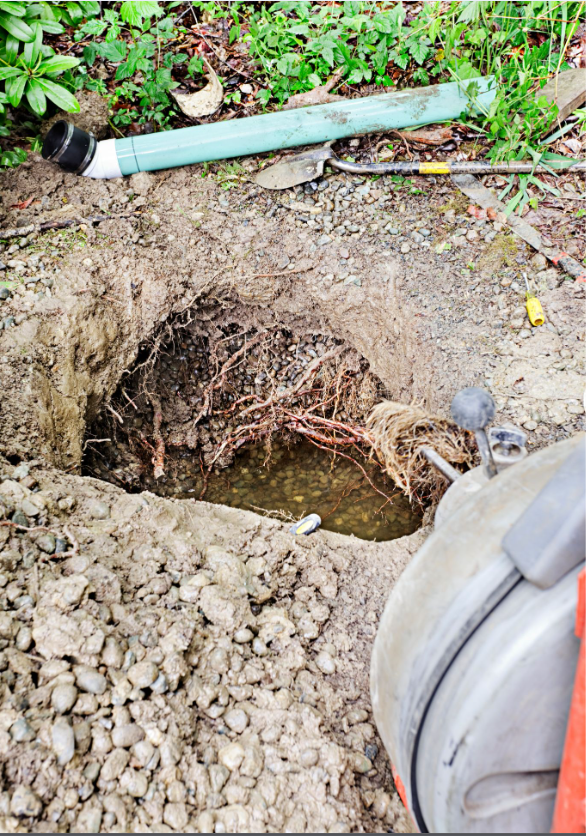
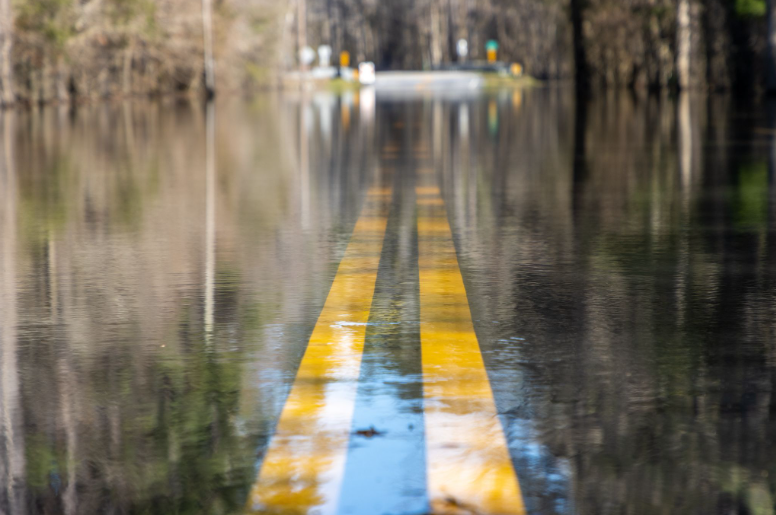
Photo from iStock - Credit: jsnover
The Role of Tree Roots in Sewer Line Problems
Tree roots remain one of the leading causes of sewer line problems for homeowners across South Carolina. During rainy seasons, roots naturally search for moisture and nutrients beneath the ground. Sewer pipes often attract roots because small cracks release water into the surrounding soil. In Florence, SC and Winona, SC, mature trees and older plumbing systems increase the likelihood of underground root intrusion.
Even tiny openings in sewer pipes can allow roots to enter the plumbing system over time. Once inside, roots continue growing and spread throughout the pipe interior. This growth restricts wastewater flow and creates recurring drainage issues inside the home. Homeowners may notice slow drains, bubbling toilets, or repeated sewer backups as the blockage worsens.
Heavy rainstorms can accelerate root-related sewer damage by softening the soil around underground pipes. Saturated ground allows roots to expand more aggressively toward damaged sewer lines. As roots grow larger, they place additional pressure on weakened pipes and joints. Eventually, severe root intrusion may crack, collapse, or completely block sections of the sewer line.
Regular sewer inspections help homeowners identify root intrusion before major plumbing damage develops. Professional camera inspections can locate hidden roots and determine the severity of the blockage accurately. Preventive maintenance also helps reduce the risk of recurring sewer line problems throughout the year. Addressing root growth early protects underground plumbing systems and helps homeowners avoid costly sewer repairs later.
Seasonal Weather Patterns That Increase Sewer Risks
South Carolina experiences several seasonal weather patterns that increase the risk of sewer line problems throughout the year. Heavy spring rainfall, summer thunderstorms, and hurricane season all place added pressure on underground plumbing systems. Excess groundwater can overwhelm aging sewer lines and expose hidden pipe damage beneath residential properties. In Florence, SC and Winona, SC, these weather conditions often contribute to recurring sewer issues after major storms.
Hurricane season creates some of the most challenging conditions for municipal and residential sewer systems. Strong storms produce large amounts of rain within short periods, causing rapid soil saturation around underground pipes. This excess moisture increases pressure on weakened sewer lines and may lead to cracks or pipe shifts underground. As a result, homeowners often experience backups, slow drains, or unpleasant sewer odors after severe weather events.
Spring storms also create favorable conditions for sewer line problems by softening the soil surrounding underground plumbing. Saturated ground may shift or settle unevenly, which places stress on older sewer pipes and joints. Tree roots become more aggressive during wet seasons as they search for moisture near sewer lines. Consequently, root intrusion and pipe damage become more common during periods of prolonged rainfall.
Even colder weather patterns can affect sewer systems during winter months across South Carolina. Occasional freezing temperatures may cause soil movement that weakens underground pipe connections over time. Small cracks and damaged joints often worsen when seasonal weather changes repeatedly throughout the year. Regular sewer inspections and preventive maintenance help homeowners protect their plumbing systems from seasonal weather-related damage.
How Homeowners Can Prevent Sewer Line Problems
Preventing sewer line problems starts with regular plumbing maintenance and early attention to warning signs. Heavy rainstorms in South Carolina place constant pressure on underground sewer systems throughout the year. Homeowners in Florence, SC and Winona, SC can reduce plumbing risks by keeping sewer lines clean and properly maintained. Taking preventive action before storm season often helps avoid costly sewer damage later.
Routine sewer inspections help identify hidden pipe cracks, blockages, and root intrusion before severe issues develop. Professional plumbers use advanced equipment to examine underground sewer lines without unnecessary digging. Early inspections allow homeowners to address small plumbing concerns before heavy rainfall worsens the damage. Preventive maintenance also improves the overall performance of residential sewer systems during strong storms.
Proper drain use plays an important role in protecting sewer lines from avoidable blockages. Grease, paper products, and debris should never enter household drains because these materials restrict wastewater flow over time. Clogged pipes become even more vulnerable during periods of excessive rainfall and saturated soil conditions. Consistent drain care helps reduce the likelihood of backups and recurring sewer line problems.
Homeowners should also monitor their plumbing systems closely after major storms pass through the area. Slow drains, foul odors, and unusual plumbing noises may indicate developing sewer issues underground. Prompt professional service helps prevent additional damage and protects the property from expensive repairs. Staying proactive remains one of the best ways to maintain a reliable sewer system throughout every season.
Why Professional Sewer Camera Inspections Matter
Professional sewer camera inspections help homeowners identify hidden sewer line problems before they become serious plumbing emergencies. Underground sewer pipes often develop cracks, blockages, or root intrusion that remain difficult to detect from the surface. Heavy rainstorms in Florence, SC and Winona, SC can worsen these hidden plumbing issues quickly. Camera inspections provide a clear view inside sewer lines and help plumbers locate damage accurately.
Advanced sewer cameras travel through underground pipes and capture real-time images of the plumbing system. This technology allows plumbers to identify pipe cracks, collapsed sections, grease buildup, and root intrusion without unnecessary digging. Accurate inspections help determine the exact cause of recurring backups or slow drains inside the home. As a result, homeowners receive targeted repair recommendations that address the source of the problem directly.
Sewer camera inspections also help homeowners avoid costly property damage after major storms. Excess groundwater often enters weakened sewer pipes and increases pressure throughout the plumbing system. Early inspections can reveal small issues before they develop into severe sewer line problems or complete pipe failure. Prompt repairs help protect foundations, landscaping, and indoor plumbing fixtures from additional damage.
Routine sewer inspections provide long-term benefits for homeowners who want to maintain reliable plumbing systems year-round. Preventive inspections improve sewer performance and reduce the risk of unexpected plumbing emergencies during storm season. Homeowners gain peace of mind by understanding the condition of their underground sewer lines clearly.
The Dangers of Ignoring Sewer Line Problems
Ignoring sewer line problems can lead to serious plumbing damage and costly repairs over time. Small issues often worsen quickly after heavy South Carolina rainstorms place additional pressure on underground pipes. What begins as a slow drain or minor blockage may eventually develop into a major sewer backup. Homeowners in Florence, SC and Winona, SC should address sewer concerns early to avoid larger plumbing emergencies later.
Untreated sewer line damage can affect many areas of the property both inside and outside the home. Leaking wastewater may weaken foundations, damage landscaping, and create soggy areas throughout the yard. Persistent moisture around underground pipes can also attract pests and contribute to unpleasant outdoor odors. As sewer damage spreads, repair costs often increase significantly.
Sewer backups also create serious health and safety concerns for homeowners and their families. Wastewater contains harmful bacteria and contaminants that should never enter living spaces. Exposure to sewage can affect indoor air quality and create unsanitary conditions inside the home. Prompt professional service helps reduce these health risks and restores proper plumbing function safely.
Delaying sewer repairs may also shorten the lifespan of the entire plumbing system over time. Cracks, root intrusion, and pipe misalignment continue worsening when left untreated after storms. Regular inspections and fast repairs help homeowners avoid unexpected plumbing failures and expensive restoration work. Taking immediate action remains one of the best ways to protect residential sewer systems year-round.
How Soil Conditions in South Carolina Affect Sewer Lines
Soil conditions throughout South Carolina play a major role in the development of sewer line problems. Heavy rainstorms frequently saturate the ground and place additional stress on underground plumbing systems. In areas like Florence, SC and Winona, SC, shifting soil can weaken sewer pipe stability over time. These underground changes often lead to cracks, leaks, and drainage issues after severe weather events.
Clay-heavy soil remains common in many parts of South Carolina and tends to retain large amounts of water. During prolonged rainfall, saturated soil expands and places pressure on underground sewer pipes. As the ground dries later, the soil contracts and creates movement around the plumbing system. This constant expansion and contraction can damage older sewer lines and loosen pipe connections.
Flooding and soil erosion also increase the risk of sewer line problems beneath residential properties. Excess water may wash away the soil supporting underground pipes and cause sections of the sewer line to shift out of place. Misaligned pipes interrupt wastewater flow and create conditions for leaks or recurring blockages. Homes located in low-lying areas often face greater sewer risks after major storms and hurricanes.
Understanding local soil conditions helps homeowners recognize why sewer problems often appear after heavy rainfall. Regular sewer inspections can identify underground pipe movement before major damage develops. Preventive maintenance also helps strengthen plumbing performance during South Carolina’s storm seasons. Staying proactive helps homeowners protect their sewer systems from long-term soil-related damage.
When Homeowners Should Call a Professional Plumber
Homeowners should contact a professional plumber when sewer line problems begin affecting multiple areas of the home. Heavy South Carolina rainstorms often place additional pressure on underground plumbing systems and worsen existing sewer damage. Ignoring early warning signs may allow small plumbing issues to develop into major repairs later. Fast professional service helps prevent additional damage and restores proper sewer function more effectively.
Recurring slow drains throughout the home often signal a larger sewer line issue underground. Toilets may bubble unexpectedly, and sinks or bathtubs may drain much slower than normal. Persistent sewer odors inside or outside the property can also indicate damaged or blocked sewer pipes. These warning signs usually require professional inspections to identify the exact source of the problem accurately.
Homeowners should also seek immediate plumbing service after severe storms or flooding affect the area. Excess groundwater can overwhelm sewer systems and expose hidden cracks or pipe misalignment beneath the property. In Florence, SC and Winona, SC, older sewer systems may become especially vulnerable during hurricane season and prolonged rainfall. Prompt inspections help detect underground damage before backups or pipe failures occur.
Professional plumbers use advanced tools and experience to diagnose sewer line problems safely and efficiently. Sewer camera inspections help locate blockages, root intrusion, and damaged pipe sections without unnecessary digging. Early repairs often reduce long-term costs and help homeowners avoid extensive property damage later. Regular professional maintenance remains one of the best ways to keep sewer systems operating reliably throughout the year.
Protect Your Home from Sewer Line Problems Today
Protect your home from costly sewer line problems after heavy South Carolina storms. Contact Benjamin Franklin Plumbing of Florence, SC for professional sewer inspections, reliable plumbing solutions, and fast service you can trust.

 Your Privacy Choices