Are your plumbing fixtures costing you more than you realize? Learn which water saving fixtures can help reduce water waste and improve efficiency.
Introduction
Water saving fixtures are one of the most practical upgrades homeowners can make to reduce water waste without giving up comfort or convenience. From high-efficiency toilets to low-flow showerheads and modern faucets, today's plumbing fixtures are designed to use less water while still delivering dependable performance. Over time, these improvements can help lower utility bills, reduce strain on your plumbing system, and support a more sustainable lifestyle.
Residents of Florence, Darlington, and surrounding South Carolina areas, replacing outdated plumbing fixtures can make a noticeable difference in both everyday water use and long-term household costs. Older fixtures often consume significantly more water than newer, water-efficient models, making an upgrade worthwhile even if your existing plumbing appears to be working properly.
This guide explores the water saving fixtures every householder should consider, explains how each option contributes to water conservation, and highlights what to look for when selecting fixtures that fit your home's needs. You'll also learn when professional installation can help ensure reliable performance and long-lasting results. Benjamin Franklin Plumbing provides plumbing repair, installation, maintenance, and fixture replacement services for property owners throughout the Florence area, including toilets, faucets, showers, sinks, and other residential plumbing solutions.
What Are Water Saving Fixtures?
Water saving fixtures are plumbing products designed to reduce water consumption without sacrificing the performance homeowners expect every day. They control water flow, improve efficiency, and use modern technology to minimize waste while still delivering effective flushing, rinsing, and cleaning. This allows households to use less water during everyday activities without changing their routines or comfort.
Unlike older plumbing fixtures built before today's efficiency standards, modern water saving fixtures are engineered to maximize every gallon. High-efficiency toilets use far less water per flush, faucets include aerators that maintain a strong stream with lower flow rates, and water-saving showerheads provide satisfying pressure while reducing overall water use. These improvements help homeowners conserve water throughout the home without compromising functionality.
Many high-efficiency plumbing products carry the WaterSense® label from the U.S. Environmental Protection Agency (EPA). This certification identifies fixtures that meet strict standards for both water efficiency and performance, giving homeowners confidence that they are choosing products that deliver reliable results while reducing water consumption. Selecting WaterSense-certified fixtures is one of the easiest ways to improve efficiency and lower long-term utility costs.
Replacing outdated plumbing fixtures also supports the overall health and efficiency of a home's plumbing system. As older fixtures age, worn internal components can waste water and increase monthly utility bills. Upgrading to modern water saving fixtures helps reduce unnecessary water use while improving everyday performance. For homeowners in Florence, Darlington, and surrounding South Carolina communities, investing in water-efficient fixtures is a practical way to conserve resources, lower water costs, and support a more sustainable home.
Why Water Saving Fixtures Are Worth the Investment
Upgrading to water saving fixtures offers benefits that extend beyond conserving water. These modern plumbing fixtures are designed to improve efficiency throughout the home, helping family member reduce unnecessary water use while maintaining reliable performance. Over time, even small improvements in daily water consumption can lead to meaningful savings and a more efficient plumbing system.
Lower Water and Utility Bills
One of the biggest advantages of water-efficient fixtures is the potential to reduce monthly utility costs. Every time a faucet, showerhead, or toilet uses less water, the total amount of water entering and leaving your home decreases. This reduced consumption can help lower both water and sewer expenses, making efficient fixtures a worthwhile long-term investment.
Improved Plumbing Efficiency
Using less water also places less demand on your home's plumbing system. Efficient fixtures help reduce unnecessary strain on pipes, valves, and water heaters by limiting excessive water flow during everyday tasks. While every plumbing system experiences normal wear over time, reducing water usage can contribute to smoother operation and improved overall efficiency.
Support for Water Conservation
Fresh water is a valuable resource, and using it responsibly benefits both individual households and the broader community. Installing water-efficient plumbing fixtures helps reduce overall water demand without requiring major lifestyle changes. Simple upgrades throughout the home allow families to contribute to conservation efforts while continuing to enjoy dependable plumbing performance.
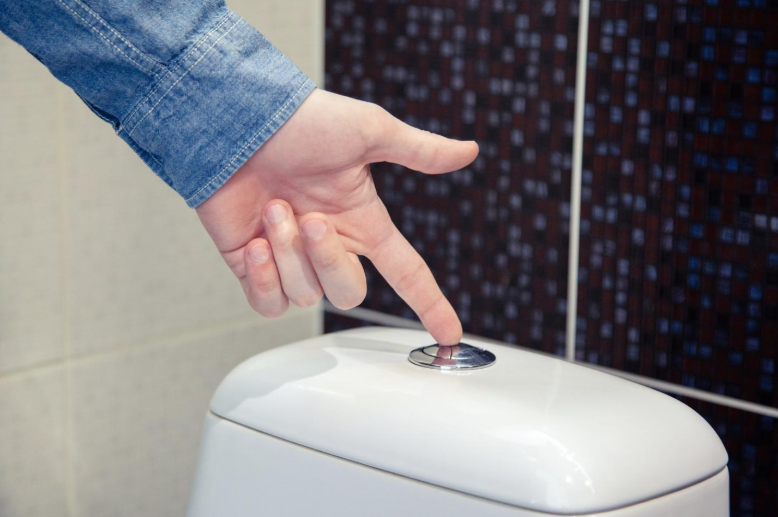
Photo from iStock - Credit: Andrey Atanov
Water Saving Toilets That Use Less Water Per Flush
Toilets account for a significant portion of a household's indoor water use, making them one of the most impactful fixtures to upgrade. Older models often use far more water per flush than necessary, while today's high-efficiency toilets are engineered to provide effective waste removal with substantially less water. Replacing an outdated toilet can be one of the easiest ways to improve water efficiency throughout the home.
High-Efficiency Toilets
High-efficiency toilets are designed to use less water than traditional models without compromising flushing performance. Improved bowl designs and advanced flushing systems allow these fixtures to clear waste effectively while reducing overall water consumption. Many families find that upgrading to a newer toilet delivers both reliable performance and long-term savings on water bills.
Dual-Flush Toilets
Dual-flush toilets offer two flushing options based on the type of waste being removed. A lower-volume flush is intended for liquid waste, while a full flush provides additional water when needed for solid waste. This design gives house owners greater control over daily water use and can contribute to noticeable water savings over time.
Pressure-Assisted Toilets
Pressure-assisted toilets use compressed air within the tank to produce a powerful flush. They are often chosen for homes that experience frequent clogs or where stronger flushing performance is preferred. Although these toilets may operate more loudly than standard models, they combine efficient water use with dependable waste removal.
Gravity-Fed High-Efficiency Toilets
Modern gravity-fed toilets continue to be a popular choice because they rely on a simple, dependable flushing system. Advances in bowl engineering and trapway design have improved their efficiency, allowing many models to deliver excellent performance while using considerably less water than older toilets.
If your toilet requires frequent repairs, experiences repeated clogs, or was installed decades ago, it may be using more water than necessary. Visible cracks, constant running, or worn internal components can also signal that replacement is a better long-term solution than continued repairs. A newer water-efficient model can improve reliability while helping reduce everyday water use.
High-Efficiency Showerheads That Save Water Without Sacrificing Comfort
Showering is part of nearly every householder's daily routine, making the showerhead an important fixture for improving water efficiency. Older showerheads often use more water than necessary, while newer models are designed to deliver a satisfying shower experience with a lower flow rate. Upgrading to a high-efficiency showerhead can help reduce water use without noticeably changing your daily routine.
Low-Flow Showerheads
Low-flow showerheads are designed to limit the amount of water released each minute while maintaining a comfortable spray pattern. Advances in engineering have significantly improved their performance, making today's models far more effective than early low-flow designs. Many property owners are surprised to find they can enjoy consistent water pressure while using less water overall.
Air-Infused Showerheads
Some high-efficiency showerheads mix air with water to create fuller, more consistent spray coverage. This technology produces water droplets that feel larger and more comfortable, helping maintain a pleasant showering experience while reducing total water consumption. It's an effective solution for households looking to improve efficiency without sacrificing comfort.
Pressure-Compensating Showerheads
Water pressure can fluctuate throughout the day, especially during periods of heavy household water use. Pressure-compensating showerheads automatically adjust the flow to provide a steady spray, even when incoming water pressure changes. This feature helps improve consistency while supporting efficient water use.
WaterSense-Certified Showerheads
Many modern showerheads carry the WaterSense® label from the U.S. Environmental Protection Agency. These products are independently certified to meet strict standards for both water efficiency and performance. Choosing a WaterSense-labeled showerhead gives house owners confidence that the fixture is designed to conserve water without reducing the quality of the shower experience.
Installing an efficient showerhead can do more than reduce water use. Because less hot water is needed during each shower, households may also see lower energy consumption from their water heater. This combination of water and energy savings makes a high-efficiency showerhead a practical upgrade for many homes.
Water Saving Faucet Fixtures for Kitchens and Bathrooms
Kitchen and bathroom faucets are among the most frequently used plumbing fixtures in any home. Even small reductions in water flow can add up over time because these fixtures are used throughout the day for cooking, cleaning, handwashing, and other everyday tasks. Modern water-efficient faucets are designed to reduce unnecessary water use while maintaining the steady flow households expect.
Faucet Aerators
A faucet aerator is a small attachment installed at the end of a faucet spout that mixes air with water. This simple design creates a smooth, consistent stream while reducing the amount of water flowing through the fixture. Many modern faucets include built-in aerators, making them an effective feature for improving water efficiency without affecting everyday performance.
Low-Flow Bathroom Faucets
Bathroom faucets have evolved to deliver dependable performance using less water than many older models. These fixtures are designed to provide sufficient water for daily activities such as brushing teeth, washing hands, and grooming while limiting unnecessary waste. Their efficient design helps conserve water without making routine tasks less convenient.
Efficient Kitchen Faucets
Kitchen faucets handle a variety of household tasks, from preparing meals to rinsing dishes and filling pots. Modern water-efficient models often include features such as adjustable spray settings and improved flow control, allowing property owners to complete these tasks effectively while using water more responsibly. The result is better efficiency without compromising functionality.
Touchless Faucets
Touchless faucets use motion sensors to activate water only when needed. Since water automatically stops flowing once hands or objects move away from the sensor, these fixtures help prevent accidental waste caused by faucets being left on. They also offer added convenience and can promote better hygiene by reducing contact with faucet handles.
Selecting a new faucet involves more than choosing a style that complements your kitchen or bathroom. Property owners should consider factors such as water efficiency, durability, ease of use, and compatibility with existing plumbing. Products that carry the WaterSense® label are independently certified to meet established standards for water conservation and dependable performance.
Smart Plumbing Fixtures That Help Reduce Water Waste
Technology has made it easier than ever for families to manage water use without changing their daily routines. Smart plumbing fixtures combine modern features with efficient operation, helping reduce unnecessary water consumption while improving convenience. Many of these products also provide valuable information about household water use, making it easier to identify potential problems before they become costly.
Smart Leak Detection Devices
Small leaks can waste a surprising amount of water over time, especially when they go unnoticed. Smart leak detection devices continuously monitor your plumbing system for signs of unusual water flow and can alert households when a possible leak is detected. Early notification allows plumbing issues to be addressed before they lead to extensive water waste or property damage.
Motion-Activated Faucets
Motion-activated faucets automatically turn water on when needed and shut it off when they are no longer in use. This hands-free operation helps reduce water waste caused by faucets being left running during routine activities such as washing hands or preparing meals. In addition to conserving water, these fixtures offer added convenience and improved cleanliness in kitchens and bathrooms.
Automatic Shut-Off Technology
Some modern plumbing include automatic shut off valves that respond to abnormal water flow or detected leaks. If a significant plumbing problem occurs, the system can temporarily stop the water supply to help limit unnecessary water loss. This added layer of protection can also help reduce the risk of costly water damage within the home.
Water Monitoring Systems
Water monitoring systems provide local residents with real-time insights into their household's water usage. Many systems track daily consumption patterns, helping identify areas where water may be used inefficiently. Monitoring usage over time can make it easier to recognize unexpected increases that could indicate hidden plumbing problems or aging fixtures.
Smart plumbing technology complements other water-efficient upgrades by helpings families better understand and manage their water usage. When combined with efficient toilets, faucets, and showerheads, these advanced fixtures support a more sustainable home while maintaining the comfort and convenience families expect every day.
Other Water Saving Fixtures Every Home Should Consider
While toilets, faucets, and showerheads often receive the most attention, several other plumbing fixtures and appliances can also contribute to a more water-efficient home. Upgrading these components can further reduce unnecessary water use while improving the overall performance of your plumbing system.
High-Efficiency Dishwashers
Modern dishwashers are designed to clean dishes effectively while using less water than many older models. Improved spray technology and optimized wash cycles allow these appliances to deliver excellent cleaning results with greater efficiency. For households that run the dishwasher regularly, upgrading to a newer model can support long-term water conservation.
Efficient Washing Machine Connections
High-efficiency washing machines use advanced technology to adjust water levels based on the size of each load. When paired with properly installed plumbing connections and supply lines, these appliances help minimize water waste while maintaining effective cleaning performance. They also reduce the amount of hot water needed for many wash cycles, which may contribute to lower energy use.
Hot Water Recirculation Systems
Waiting for hot water to reach a faucet or shower can result in gallons of water going down the drain over time. A hot water recirculation system helps deliver warm water more quickly by keeping heated water circulating through designated plumbing lines. This reduces the amount of water that is unnecessarily wasted while waiting for the desired temperature.
Tankless Water Heaters
Tankless water heaters heat water only when it is needed instead of storing it in a large tank. Although their primary advantage is energy efficiency, they can also reduce water waste by providing a continuous supply of hot water without the recovery time associated with traditional storage tanks. Choosing the right water heater depends on your household's size, water demand, and plumbing configuration.
Plumbing Valves and Fixture Upgrades
Small plumbing components also play an important role in water conservation. Modern shut-off valves, pressure-regulating valves, and updated fixture connections help support efficient water flow while reducing the likelihood of leaks caused by aging hardware. Replacing worn plumbing components during fixture upgrades can improve system reliability and help prevent unnecessary water loss.
Improving water efficiency doesn't always require a complete plumbing renovation. Replacing aging fixtures and incorporating efficient appliances over time allows house owners to make meaningful improvements at a pace that fits their needs. Together, these upgrades create a plumbing system that supports responsible water use, dependable performance, and greater long-term efficiency.
Signs Your Current Plumbing Fixtures May Be Wasting Water
Not every plumbing fixture shows obvious signs of inefficiency. Many continue to function normally while using more water than necessary due to age, wear, or outdated designs. Recognizing the warning signs can help households determine when it may be time to replace older fixtures with more efficient alternatives that improve performance and reduce unnecessary water use.
Higher-Than-Expected Water Bills
A steady increase in your monthly water bill without a noticeable change in household water use may indicate that one or more plumbing fixtures are wasting water. Even small amounts of excess water from outdated toilets, faucets, or showerheads can add up over weeks and months. If higher utility costs cannot be explained by seasonal changes or increased usage, it may be worth having your plumbing system evaluated.
Constant Dripping or Running Water
A faucet that drips continuously or a toilet that runs long after flushing can waste a significant amount of water over time. While some issues may be repairable, repeated problems often suggest that aging fixtures have reached the end of their useful life. Replacing worn fixtures with modern, water-efficient models can improve reliability while helping reduce unnecessary water consumption.
Declining Performance
Changes in fixture performance may also indicate that an upgrade is needed. Inconsistent water flow, uneven spray patterns, difficulty flushing, or handles that no longer operate smoothly can all point to internal wear. Modern plumbing fixtures are designed to deliver dependable performance while using water more efficiently than many older models.
Visible Wear and Corrosion
Over time, exposure to water and minerals can cause plumbing fixtures to deteriorate. Rust, corrosion, mineral buildup, cracks, or worn finishes may affect both appearance and functionality. Although cosmetic wear alone doesn't always require replacement, visible damage combined with reduced performance often signals that a fixture is nearing the end of its service life.
Older Fixtures Installed Decades Ago
Many homes still have plumbing fixtures that were installed before today's water-efficiency standards became common. Even if these fixtures appear to work properly, they may use considerably more water than newer alternatives. Replacing older toilets, faucets, and showerheads with updated models can improve efficiency while maintaining the comfort and convenience homeowners expect.
Choosing the Right Water Saving Fixtures for Your Home
Choosing the right water saving fixtures starts with understanding your household's water needs and the condition of your existing plumbing system. Every home uses water differently, so the best fixtures depend on factors such as household size, daily routines, and the areas where water is used most often. Focusing on these needs can help you select upgrades that improve efficiency without compromising comfort or convenience.
When comparing fixtures, look for products that carry the WaterSense® label. Established by the U.S. Environmental Protection Agency (EPA), this certification identifies plumbing fixtures that meet strict standards for water efficiency and performance. WaterSense-labeled toilets, faucets, and showerheads are independently certified to help reduce water consumption while continuing to provide dependable everyday operation.
It's also important to choose fixtures that are compatible with your home's plumbing system. Factors such as water pressure, fixture dimensions, plumbing connections, and overall design should all be considered before making a selection. Quality materials and durable construction can improve long-term reliability while ensuring the new fixtures complement the appearance and functionality of your kitchen and bathrooms.
Working with an experienced plumbing professional can make the selection process much easier. Benjamin Franklin Plumbing of Florence helps Darlington homeowners choose water-efficient plumbing fixtures that fit their homes and provides professional installation to help ensure reliable, long-lasting performance.
Why Professional Fixture Installation Matters
Installing new plumbing fixtures is about more than simply replacing older components. Proper installation helps each fixture operate as intended, minimizes the risk of leaks, and supports long-term performance. Even high-quality products may not deliver their full benefits if they are not installed correctly or are incompatible with the existing plumbing system.
Professional installation also helps ensure that new toilets, faucets, showerheads, and other plumbing fixtures fit properly within your home's plumbing layout. An experienced plumber can identify potential issues, verify that connections are secure, and recommend products that match your household's water usage and performance needs. This careful approach can help prevent unnecessary repairs and extend the life of your plumbing fixtures.
Another advantage of working with a licensed plumbing professional is having access to knowledgeable recommendations based on your home's specific requirements. Whether you're upgrading a single fixture or improving water efficiency throughout the entire house, expert guidance can simplify the selection process and help you make informed decisions that provide lasting value.
Benjamin Franklin Plumbing provides professional fixture installation and replacement services for homeowners in Florence, Darlington, and surrounding South Carolina areas. From water-efficient toilets and faucets to showerheads and other residential plumbing fixtures, their experienced team helps homeowners improve efficiency, reliability, and everyday comfort with solutions tailored to their needs.
Ready to Upgrade Your Home's Water Efficiency?
Looking for water saving fixtures? Benjamin Franklin Plumbing helps homeowners throughout Darlington, Florence, and surrounding South Carolina communities improve water efficiency with professional fixture installation and replacement services. Whether you're upgrading toilets, faucets, showerheads, or other plumbing fixtures, our experienced plumbers provide dependable workmanship and solutions tailored to your home's needs. Contact us today to schedule your appointment and start saving water with high-efficiency plumbing fixtures.

 Your Privacy Choices