Learn which small plumbing problems may signal hidden damage. Discover early warning signs before leaks, pipe failures, or water damage become costly.
Introduction
Plumbing problems often begin with subtle warning signs that seem harmless at first. A slow drain, a dripping faucet, or a brief drop in water pressure may not appear urgent, but these issues can point to hidden damage within your home's plumbing system. Recognizing these early symptoms can help prevent more extensive repairs and reduce the risk of water damage over time.
South Carolina's humid climate and seasonal rainfall can add stress to residential plumbing systems. Persistent moisture may worsen existing leaks and create conditions where mold and structural damage become more likely if problems remain undetected. While every home is different, environmental conditions can influence how quickly plumbing problems develop.
Many plumbing concerns become more expensive because they are ignored until obvious damage appears. Water can travel behind walls, beneath flooring, or through ceilings long before visible signs emerge. By understanding what these warning signs may indicate, homeowners can make informed decisions about when to schedule a plumbing service.
This guide explores several small plumbing issues that may signal larger concerns, including slow drains, minor leaks, low water pressure, unusual noises, and unexpected increases in water bills. It also explains why early attention matters and when contacting Benjamin Franklin Plumbing of Florence for a professional evaluation may be the most appropriate solution for persistent plumbing problems.
Why Small Plumbing Problems Often Point to Larger Issues
Many plumbing issues start quietly, making them easy to dismiss as everyday inconveniences. A faucet that drips occasionally or a drain that empties a little more slowly than usual may not seem like a cause for concern. However, these seemingly minor symptoms can be early indicators of hidden plumbing problems developing within your home's pipes, fixtures, or drainage system.
Residential plumbing systems are interconnected, so a problem in one area can eventually affect another. For example, a small leak may gradually weaken nearby materials, while a partial blockage can increase pressure throughout the water lines and drain lines. As these conditions worsen, they may lead to more noticeable issues, including water damage, reduced plumbing performance, or unexpected repair costs.
Environmental conditions in South Carolina can also influence how water supply systems perform over time. High humidity and seasonal rainfall may increase the impact of unnoticed leaks by allowing moisture to linger inside walls, beneath flooring, or around cabinets. Although weather alone does not cause plumbing failures, it can make existing issues more difficult to detect until visible damage appears. If you've noticed persistent moisture outdoors, our guide on what causes unexplained wet areas in your yard? explains how hidden plumbing leaks can sometimes contribute to this problem.
Paying attention to early warning signs gives homeowners an opportunity to address concerns before they become larger disruptions. While not every minor issue signals a major repair, recurring symptoms or multiple warning signs often warrant a professional plumbing inspection to identify the source and recommend the most appropriate solution.
Slow Drains Could Mean More Than a Minor Blockage
A slow drain is one of the most common plumbing concerns, but it should not be dismissed if it happens repeatedly. While a single slow sink may result from a localized buildup, drains throughout the home that empty slowly can point to a larger issue within the pipe system. Paying attention to how often the problem occurs and whether it affects multiple fixtures can provide valuable clues.
Over time, soap residue, grease, food particles, hair, and other debris can accumulate inside drain pipes, gradually restricting water flow. In some cases, buildup forms deep within home’s plumbing where it cannot be seen. If the restriction continues to grow, water may drain more slowly, produce unpleasant odors, or begin backing up into sinks, tubs, or showers.
Recurring slow drains may also indicate a problem beyond an individual fixture. Partial sewer line blockages, shifting pipes, or tree root intrusion can reduce wastewater flow and affect several drains at once. Homes with older plumbing infrastructure may be more susceptible to these conditions as pipes naturally wear over time. If a sewer line issue is suspected, our guide on modern sewer inspections without digging up yards explains how today's inspection methods can help identify problems with minimal disruption.
Rather than waiting for a complete blockage or sewage backup, it's wise to have persistent drainage issues evaluated by a qualified plumber. A professional inspection can identify the source of the restriction and recommend the appropriate solution before minor drainage concerns develop into more significant plumbing problems.
Small Leaks Rarely Stay Small
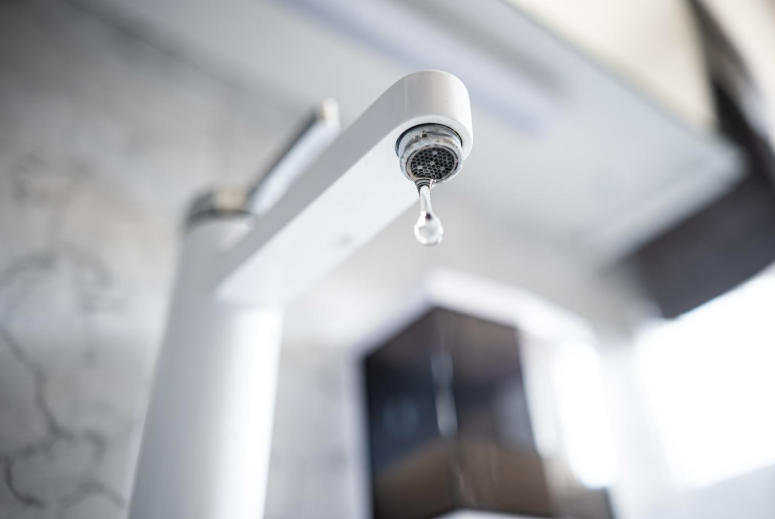
A minor leak may not seem urgent, especially if it only produces an occasional drip or a small puddle beneath a sink. However, even a slow leak can waste water and allow moisture to collect in areas that are difficult to see. Left unchecked, what starts as a small inconvenience may develop into a much larger plumbing issue.
Leaks commonly occur around pipe joints, supply lines, faucets, toilets, and plumbing fixtures that experience regular wear. Because many pipes are hidden behind walls or beneath flooring, water can spread unnoticed before visible damage appears. By the time stains, peeling paint, or warped materials become apparent, the leak may have been present for weeks or even months.
South Carolina's humid environment can make hidden leaks even more concerning. Excess moisture may create favorable conditions for mold growth and contribute to the deterioration of drywall, wood, insulation, and other building materials. If moisture has already become a concern, our guide on effective solutions for bathroom mold and mildew offers additional information on managing moisture-related issues. Although not every leak causes extensive damage, prolonged exposure to moisture increases the likelihood of costly repairs.
Monitoring for damp cabinets, musty odors, water stains, or unexplained moisture around plumbing fixtures can help identify potential concerns early. When a leak persists or its source is unclear, scheduling a professional inspection is the safest way to determine the cause and prevent small plumbing problems from becoming more extensive damage.
Photo from iStock - Credit: Octavian Lazar
Low Water Pressure Can Signal Hidden Plumbing Problems
Low water pressure often develops gradually, making it easy to adjust to without realizing something has changed. If showers feel less forceful, faucets take longer to fill a sink, or multiple fixtures experience reduced flow, the issue may extend beyond normal wear. A noticeable drop in water pressure can be one of the earliest signs of hidden plumbing problems.
Several factors may contribute to reduced water pressure, including mineral buildup inside pipes, aging plumbing materials, hidden leaks, or partially closed valves. In some cases, the issue may originate outside the home, while in others, it may stem from deterioration within the pipe system itself. Identifying the exact cause requires a careful evaluation, as different problems can produce similar symptoms.
Older homes may be more susceptible to pressure changes as plumbing components naturally age. Corrosion or sediment buildup can gradually restrict water flow, reducing performance throughout the home. Even a small underground leak may affect water pressure while allowing water to escape unnoticed, increasing utility costs and the risk of property damage over time.
If low water pressure persists or appears suddenly without an obvious explanation, it should not be ignored. A professional plumbing inspection can determine whether the issue is isolated or part of a larger system concern, helping prevent more significant plumbing repairs in the future.
Unusual Plumbing Noises Shouldn't Be Ignored
Your plumbing system should operate quietly during normal use. While an occasional sound may not indicate a serious issue, repeated banging, whistling, gurgling, or rattling can signal that something within the system needs attention. These noises often develop gradually and may become more noticeable as the underlying problem progresses.
Banging Pipes
Banging pipes, often called water hammer, may occur when water flow stops suddenly, creating pressure that causes pipes to strike nearby surfaces. Although the noise may seem harmless at first, repeated banging can place unnecessary stress on plumbing components.
Whistling Faucets
A whistling faucet may indicate worn plumbing components, loose fittings, or irregular water pressure. If the sound becomes more frequent or occurs at multiple fixtures, it may be worth having home plumbing evaluated to determine the underlying cause.
Gurgling Drains
Gurgling sounds coming from sinks, tubs, or toilets can suggest restricted airflow, partial drain blockages, or developing sewer line issues. When these noises occur alongside slow drainage or unpleasant odors, they may indicate a larger drainage concern.
Rattling Pipes
Rattling pipes may occur when plumbing lines are loose or vibrate as water flows through them. While the sound itself may not always signal a major issue, persistent rattling can indicate that parts of the household plumbing need professional attention.
These sounds become more concerning when they occur alongside other warning signs, such as slow drains, reduced water pressure, unpleasant odors, or recurring leaks. Multiple symptoms appearing at the same time often suggest that a larger plumbing issue is affecting the system rather than a single fixture.
Instead of waiting for the noises to worsen or additional problems to appear, consider scheduling a professional plumbing check. Identifying the source early can help prevent further wear on your water lines and drain lines and reduce the likelihood of more extensive repairs later.
Bad Odors May Indicate Drain or Sewer Issues
Unpleasant odors coming from sinks, showers, or other plumbing fixtures are more than an inconvenience. Persistent smells can indicate that something within the plumbing or drainage system requires attention. While occasional odors may have a simple explanation, recurring smells often suggest an underlying issue that should not be ignored.
Drain buildup is one possible cause, as soap residue, grease, food particles, and other organic materials can collect inside pipes and produce unpleasant odors over time. In other cases, infrequently used fixtures may allow the water inside a drain trap to evaporate, making it easier for sewer gases to enter the home. Hidden leaks can also create damp conditions that lead to musty smells and contribute to mold growth.
Persistent odors accompanied by slow drains, gurgling sounds, or recurring backups may point to a more significant problem within the drain or sewer system. Although these symptoms do not always indicate a major repair, they often suggest that wastewater is not flowing as intended or that home plumbing needs further evaluation. If you're interested in how these issues are typically addressed, our guide on professional plumbers clearing sewer line clogs fast explains the importance of timely sewer line service.
Ignoring unpleasant odors may allow the underlying issue to worsen, increasing the risk of additional plumbing damage or indoor moisture problems. Scheduling a professional inspection can help identify the source of the odor and determine the most appropriate solution before minor concerns develop into larger plumbing problems.
An Unexpected Water Bill Often Tells a Story
A higher-than-normal water bill is not always the result of increased household water use. If your monthly usage habits have remained consistent but your bill continues to rise, your pipe system may be losing water somewhere you cannot see. Hidden leaks often go unnoticed for weeks or even months before visible signs appear.
Several plumbing problems can contribute to increased water consumption. A running toilet, a leaking water supply line, or a small pipe leak behind a wall can waste a surprising amount of water over time. Underground water line leaks may also allow water to escape without creating obvious signs inside the home, making them difficult to detect without a professional inspection.
Comparing your current water bill with previous months can help identify unusual changes. If higher usage is accompanied by damp spots, lower water pressure, or the sound of running water when no fixtures are in use, these symptoms may point to a hidden plumbing issue rather than seasonal fluctuations in water use.
Ignoring unexplained increases in water bills can lead to unnecessary expenses and allow hidden plumbing damage to worsen. Having the water supply system evaluated can help locate the source of the problem, prevent additional water loss, and address minor concerns before they develop into more costly plumbing problems.
Wet Spots Inside or Outside the Home Can Reveal Hidden Leaks
Damp areas inside or outside your home often develop gradually, making them easy to overlook until the damage becomes more noticeable. A small wet spot on a ceiling, discoloration on a wall, or consistently damp ground in the yard may indicate that water is escaping from a plumbing pipe. Even if the affected area seems minor, it can signal a hidden plumbing issue that requires attention.
Inside the home, watch for warning signs such as peeling paint, bubbling wallpaper, warped flooring, soft drywall, or damp cabinets beneath sinks. These changes may occur when water leaks behind walls, beneath floors, or around plumbing fixtures for an extended period. Because moisture can spread beyond the original leak, the visible damage may not always reveal the exact source.
Outdoor warning signs can be just as important. Unusually green patches of grass, soggy soil during dry weather, standing water, or unexplained erosion may point to a leaking underground water line. In South Carolina, seasonal rainfall can sometimes make these issues harder to recognize, so it's helpful to monitor areas that remain consistently wet long after the rain has stopped. For more insight into advanced leak detection methods, explore our guide on how AI detects hidden water leaks early.
Ignoring damp spots can allow hidden water damage to spread and increase the likelihood of costly repairs. If moisture appears without an obvious explanation or continues to return after drying, a professional plumbing technicians can help locate the source and prevent more serious plumbing problems.
Older Plumbing Systems Need More Attention
As plumbing systems age, normal wear and tear can make them more vulnerable to leaks, corrosion, and reduced performance. Pipes, fittings, and valves naturally deteriorate over time, especially in homes with original plumbing components. While older plumbing does not automatically lead to problems, aging materials are generally more susceptible to damage than newer systems.
The type of piping installed in a home can also influence how well the pipe system performs over the years. Corrosion, mineral buildup, and worn pipe joints may gradually restrict water flow or increase the likelihood of leaks. Because these changes often occur slowly, homeowners may not notice them until recurring plumbing problems begin to appear.
Some homes in communities such as Woodland Park, SC, and Greeleyville, SC, may have older water supply systems depending on when the properties were built and whether the plumbing has been updated. Routine inspections become increasingly valuable as pipe systems age because they can identify signs of wear before they result in unexpected failures or water damage.
If your home has an older plumbing infrastructure and you're noticing recurring leaks, fluctuating water pressure, or slow drains, it's worth having the system evaluated by a qualified plumber. Early assessments can help identify worn components, prioritize necessary repairs, and reduce the risk of more significant plumbing problems in the future.
When It's Time to Schedule a Plumbing Inspection
Not every plumbing problems requires immediate emergency service, but recurring warning signs should not be ignored. If you've noticed slow drains, persistent leaks, unusual noises, low water pressure, or unexplained increases in your water bill, these symptoms may indicate a larger issue within your home plumbing. Having the problem evaluated early can help prevent additional damage and reduce the likelihood of more extensive repairs.
Consider scheduling a plumbing inspection and diagnosis if you notice any of the following:
- Slow drains that continue to return after clearing.
- Frequent or unexplained leaks around fixtures or pipes.
- Sudden or ongoing low water pressure.
- Banging, whistling, or gurgling sounds from the plumbing system.
- Unpleasant odors coming from drains or plumbing fixtures.
- Unexpected increases in your monthly water bill.
- Damp spots, water stains, or moisture without an obvious source.
- Multiple plumbing issues occurring at the same time.
Routine inspections are especially valuable for older homes or properties that have experienced recurring plumbing concerns. Identifying worn components before they fail allows homeowners to plan repairs, reduce the risk of unexpected breakdowns, and help protect the home from water damage.
If you're experiencing persistent plumbing problems, Benjamin Franklin Plumbing of Florence provides routine inspections, leak detection, drain cleaning, and repair services throughout South Carolina. Whether you live in Woodland Park, Greeleyville, or a nearby community, addressing small plumbing concerns early can help keep your water lines and drain lines operating safely and efficiently.
Conclusion
Small plumbing problems rarely appear without a reason. A slow drain, a minor leak, unusual noises, low water pressure, or an unexpected increase in your water bill may seem insignificant at first, but these warning signs can indicate hidden problems within your home’s plumbing. Recognizing these symptoms early gives property owners the opportunity to address concerns before they lead to costly repairs or extensive water damage.
Environmental conditions in South Carolina, including high humidity and seasonal rainfall, can make undetected leaks more damaging over time. Staying alert to changes in your plumbing system and scheduling timely inspections can help protect your home's pipes, fixtures, and overall structural integrity.
If you're noticing recurring plumbing problems, Benjamin Franklin Plumbing of Florence is ready to help. Their experienced team provides inspections and diagnosis, leak detection, drain cleaning, and plumbing repair services for homeowners throughout South Carolina, including Woodland Park and Greeleyville. Addressing small concerns today can help prevent larger plumbing issues tomorrow.
Protect Your Home with Professional Plumbing Care
Small plumbing issues can develop into costly repairs if they're left unresolved. If you've noticed recurring plumbing problems, Benjamin Franklin Plumbing of Florence is here to help. Our experienced team provides thorough inspections, accurate diagnostics, and dependable plumbing solutions throughout South Carolina. Schedule your service today to identify hidden issues early and help protect your home from unnecessary water damage.

 Your Privacy Choices