
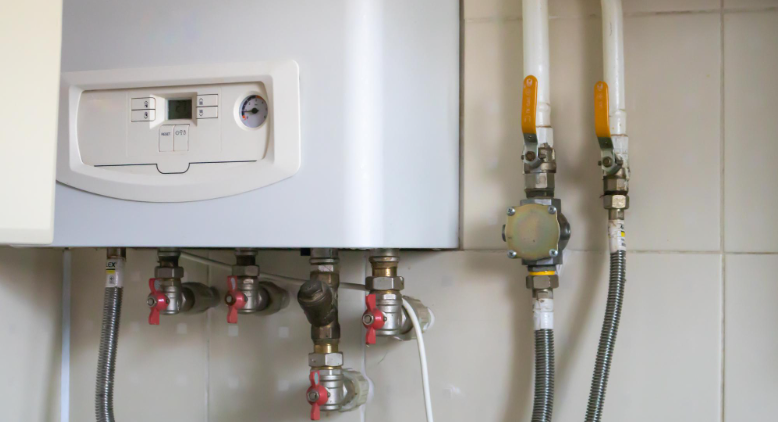
Choosing between a tankless vs. traditional water heater is one of the bigger decisions a Conroe homeowner makes about their plumbing system, and it is easy to get lost in marketing claims from either side. Tankless units get praised for efficiency and lifespan, while traditional tanks get praised for lower upfront cost and simplicity, and both claims are true depending on the household making the choice.
The right answer depends less on which technology is objectively better and more on how your household actually uses hot water. A retired couple in a smaller Conroe home has very different demand than a family of five in a newer Woodforest property running multiple showers and a dishwasher back to back, and that difference matters more than most online comparisons let on.
Local water conditions add another layer to the decision. Montgomery County's mineral-heavy groundwater affects both types of water heaters differently, a factor that often surfaces during a plumbing diagnosis visit, and that regional detail rarely shows up in generic national comparisons written for an audience anywhere in the country.
In this article, you will learn about:
- How tankless and traditional water heaters actually work
- The real cost differences between the two, upfront and over time
- How each type performs with Conroe's water quality
- Which type of household tends to be a better fit for each system
Keep reading to see which option lines up better with your household's hot water habits and your home's setup.
How tankless and traditional water heaters actually work
Understanding the basic mechanics behind each system explains almost every practical difference between them, from upfront cost to how long hot water lasts during a busy morning.
Once you see how each one heats water, the tradeoffs in cost, space, and performance start to make a lot more sense.
Traditional tank water heaters
A traditional tank water heater stores anywhere from 30 to 80 gallons of water and keeps that entire volume heated around the clock, ready to be drawn on demand. The tank's thermostat cycles the burner or heating element on and off to maintain a set temperature even when nobody in the house is using hot water.
That constant standby heating is convenient but comes at a cost, since energy is spent maintaining a reserve of hot water whether or not anyone uses it that day.
- Stores a fixed volume of preheated water, typically 30 to 80 gallons
- Cycles on and off to maintain temperature around the clock
- Simple design with fewer components than a tankless unit
- Delivers hot water instantly from the stored reserve
That simplicity is part of why tank water heaters remain the most common type installed in Conroe homes, even as tankless options gain popularity, a decision often shaped by the same residential plumbing services call that first flagged the aging unit.
Tankless water heaters
A tankless, or on-demand, water heater skips the storage tank entirely and heats water only as it flows through the unit. A powerful heat exchanger raises the water temperature almost instantly as it passes through, which means there is no standby reserve sitting around losing heat between uses.
According to the U.S. Department of Energy, tankless gas water heaters can save roughly 33 percent on hot water heating compared to a conventional storage water heater, though actual savings vary based on individual draw volume and usage patterns.
- Cold water enters the unit and flows past the heat exchanger
- A gas burner or electric element heats the water as it passes through
- Heated water exits directly to the fixture calling for it
- The unit shuts off the moment demand stops, eliminating standby loss
This on-demand design is the core reason tankless units tend to last longer and cost less to operate, but it also means flow rate limits matter more than they do with a tank system, similar to the flow issues that show up in high water pressure complaints elsewhere in the home.
Space, venting, and installation differences
Beyond how each system heats water, the physical footprint and installation requirements differ meaningfully between the two. A tank unit needs floor space for the tank itself, while a tankless unit mounts on a wall and takes up a fraction of the room, which matters in a smaller utility closet or garage.
- Tank units: require floor space, standard venting for gas models
- Tankless units: wall-mounted, compact footprint, may need updated venting or gas line sizing
- Retrofitting a tankless unit into an existing home sometimes requires electrical or gas line upgrades
- Tank units are generally simpler and faster for a straightforward like-for-like replacement
That installation complexity is one reason tankless conversions often cost more upfront than a straightforward tank replacement, even before accounting for the unit price difference itself, and it is exactly the kind of detail a commercial plumber or residential technician will flag during a walkthrough.
Cost comparison: upfront price versus long-term savings
Cost is usually the first question homeowners ask, and it is also the area where the two systems look most different depending on whether you are comparing the sticker price or the total cost over the unit's lifespan.
Looking at both numbers together gives a much more useful picture than focusing on either one alone.
Upfront purchase and installation cost
Traditional tank water heaters cost less to purchase and are generally faster and cheaper to install, especially when replacing an existing tank unit with a similar model. Tankless units carry a higher equipment cost and often require additional installation work, particularly in homes not originally built with tankless in mind.
- Tank water heaters: lower equipment cost, straightforward installation for like-for-like replacements
- Tankless water heaters: higher equipment cost, installation cost varies more depending on existing setup
- Retrofit costs: gas line upsizing, electrical upgrades, or venting changes can add to a tankless installation
- Both types: professional installation is strongly recommended for safety and warranty compliance
The gap in upfront cost between the two has narrowed somewhat as tankless units become more common, but a tank system generally remains the less expensive option to install today, especially for a home already dealing with an unrelated plumbing drain repair budget.
Operating cost over the life of the unit
The picture shifts once you look past the purchase price to ongoing energy costs. The U.S. Energy Information Administration reports that water heating accounts for roughly 12 percent of residential electricity use, which means even a modest efficiency gain from a tankless system can add up meaningfully across years of ownership.
- Estimate your household's daily hot water use in gallons
- Compare that figure against manufacturer efficiency ratings for each system type
- Factor in your local utility rates for gas or electricity
- Multiply the estimated annual savings by the unit's expected lifespan
Because tankless units also tend to last longer than tank models, the operating savings compound over a longer service life, which is part of why many homeowners see the higher upfront cost pay for itself over time, the same long-view thinking behind outdoor plumbing maintenance planned across an entire property.
Maintenance and repair cost differences
Neither system is maintenance-free, but the type of maintenance differs. Tank units need periodic flushing to clear sediment and occasional anode rod replacement, while tankless units need descaling to keep the heat exchanger free of mineral buildup, a task that matters more in a hard water market like Conroe.
- Tank units: annual flushing, anode rod checks, thermostat inspection
- Tankless units: annual descaling, inlet filter cleaning, error code monitoring
- Repair parts for tankless units can cost more individually but are needed less often
- Both types benefit from a technician who understands local water conditions
Skipping maintenance shortens the working life of either system, but the consequences show up faster on a tankless unit's heat exchanger than on a tank's heating element, the same reasoning behind seasonal leak prevention services scheduled proactively rather than after a failure.
How Conroe's water quality affects each system
Local water conditions play a bigger role in this decision than most national comparisons account for. Montgomery County sits above a section of the Texas Gulf Coast aquifer system, and water quality across that aquifer varies by depth and location in ways that affect both types of water heaters.
Understanding how hard water interacts with each system helps set realistic expectations for maintenance and lifespan in this specific area.
Sediment buildup in tank systems
Tank water heaters are particularly vulnerable to sediment accumulation from mineral-heavy water. As water is heated repeatedly inside the tank, dissolved minerals settle at the bottom, insulating the heating element and forcing the system to work harder over time.
The USGS has documented that water quality across the Texas Gulf Coast aquifer systems is highly variable, with dissolved solids content ranging widely depending on well depth and location, which means some Conroe households deal with harder water than others even within the same neighborhood.
- Sediment settles at the bottom of the tank over time
- Buildup insulates the heating element, reducing efficiency
- Untreated buildup can shorten a tank's working life significantly
- Annual flushing is the most effective countermeasure
Homes on private well water tend to see this buildup happen faster than homes on treated municipal supply, which is worth factoring into a maintenance schedule regardless of which system you choose, along with any prevent drain clogs planning during peak usage months.
Scale buildup in tankless heat exchangers
Tankless systems face a related but distinct challenge. Mineral scale builds up inside the narrow passages of the heat exchanger, where it can restrict flow and trigger error codes or reduced performance well before the unit reaches the end of its expected lifespan.
- Water passes through narrow channels in the heat exchanger
- Minerals in hard water leave scale deposits on those surfaces
- Scale buildup restricts flow and reduces heating efficiency
- Annual descaling flushes the deposits before they cause bigger problems
Because the heat exchanger passages are narrower than the open volume of a tank, tankless units in a hard water area generally need more consistent maintenance attention than a comparable tank system, a pattern that shows up in high water bill complaints tied to an inefficient, scale-clogged unit.
Water treatment as a shared solution
Whole-home water softening or filtration benefits either system, but it matters more for a tankless unit given how sensitive the heat exchanger is to scale. Households that invest in water treatment often see meaningfully longer service life and fewer maintenance calls regardless of which water heater type they choose.
- Whole-home softeners reduce mineral content before it reaches either system
- Point-of-use filtration helps but does not address the water heater directly
- Well water households benefit more from treatment than municipal supply households
- Treatment cost should be weighed against the maintenance savings it provides
Deciding on water treatment alongside a water heater choice is worth discussing together rather than as two separate decisions, since the right treatment plan can extend the life of whichever system you pick, much like yard line water leak prevention benefits from being addressed alongside other plumbing upgrades rather than in isolation.
Which type fits your household best
There is no single right answer between tankless and traditional, only the answer that fits your specific household size, hot water habits, and home setup best.
Working through a few practical questions makes the decision much clearer than comparing general pros and cons lists.
When a tank water heater makes more sense
A traditional tank system tends to be the better fit for smaller households, budget-conscious replacements, and homes where a straightforward swap avoids costly retrofit work. If your current setup already has a tank and the existing venting and space work fine, a like-for-like replacement is often the simplest and most cost-effective path.
- Smaller households with moderate, staggered hot water use
- Budget-sensitive replacements where upfront cost matters most
- Homes where existing venting and space favor a tank system
- Situations where a fast, simple replacement is the priority
None of these situations mean a tankless system would not work, only that a tank replacement solves the problem with less complexity and lower upfront cost, which is often the same logic behind a straightforward licensed plumber Conroe call for a routine swap.
When a tankless water heater makes more sense
Tankless systems tend to shine in larger households with high simultaneous demand, homes prioritizing long-term energy savings, and situations where space is genuinely limited. A household running multiple showers, a washing machine, and a dishwasher at the same time benefits from the continuous, on-demand supply a tankless unit provides.
- Larger households with high or simultaneous hot water demand
- Homeowners prioritizing long-term energy savings over lower upfront cost
- Homes with limited space for a bulky tank unit
- Households planning to stay in the home long enough to recoup the higher installation cost
A tankless system is also a reasonable choice for anyone replacing a unit that has failed multiple times, since the switch addresses both the immediate problem and the underlying maintenance pattern, whether that home is in The Woodlands or elsewhere across Montgomery County.
Getting a professional recommendation before deciding
Neither list above accounts for every variable in a specific home, which is why a walkthrough with a technician who can assess your existing setup, gas line or electrical capacity, and household habits is worth doing before committing to either system. A short conversation about your daily hot water routine often reveals a clearer answer than any general comparison chart can.
- Ask about your home's existing gas line size or electrical capacity for a tankless upgrade
- Discuss your household's peak simultaneous hot water demand
- Get a written comparison of installation cost for both options
- Ask how local water quality specifically affects the unit types you're considering
A technician who takes the time to walk through these questions with you, rather than pushing one system by default, is giving you what you need to make a confident decision either way.
Conclusion
Choosing between tankless and traditional water heaters comes down to matching the system to your household rather than picking whichever technology sounds more advanced. Tank units offer lower upfront cost and simpler installation, while tankless units offer longer service life, lower standby energy loss, and a smaller footprint, with the tradeoff being higher initial cost and more retrofit complexity in some homes.
Conroe's mineral-heavy water affects both systems, just in different ways, which makes a maintenance plan just as important as the initial choice between the two. Whichever direction fits your household, factoring in local water quality from the start will save you from surprises later.
Benjamin Franklin Plumbing of Conroe backs every installation with an on-time guarantee and upfront pricing, so you know exactly what to expect before work begins. If you are weighing tankless against traditional for your home, joining the Benjamin Franklin Plumbing club membership program gives you priority scheduling and ongoing maintenance built around exactly the kind of water quality decisions Conroe homeowners face every year.

 Your Privacy Choices